Iced Coffee
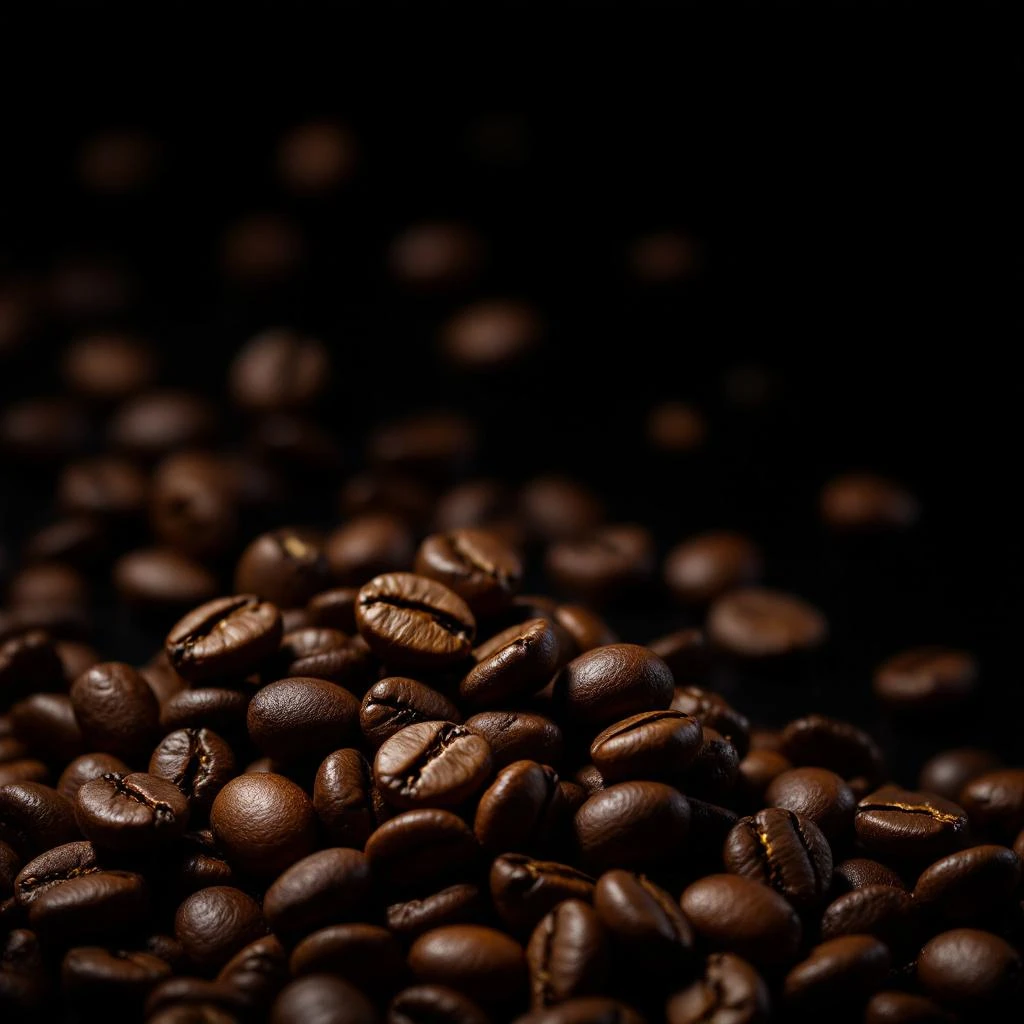
Iced Coffee brings together the deep, roasted warmth of coffee with a crisp, refreshing coolness. In perfumery, this note captures the contrast between warm espresso and the clean chill of cold brew, creating an invigorating sensory experience.

Character
How it smells
Chilled espresso meets cool refreshment.
Coffee contains over 800 aromatic compounds, more than wine grapes.






Origin
Ethiopia
Coffee's journey from Ethiopian highlands to perfumery bottles spans centuries. Ethiopian goat herders first noticed coffee's stimulating effects around 850 AD, with beans eventually reaching Yemen where cultivation began around 1450. Arabian traders controlled coffee's spread, establishing the first coffeehouses in Constantinople by 1475.
European traders imported coffee in the 1600s, sparking coffeehouse culture that reshaped social life across the continent. Within perfumery, coffee emerged as a noted ingredient during the late 19th century oriental fragrance boom, when perfumers sought exotic, warm materials. By the early 20th century, coffee absolute appeared in fragrance formulations, though it remained a supporting note rather than a star.
The modern "iced coffee" concept developed as cold brew and iced coffee drinks gained global popularity in the 2000s, inspiring perfumers to capture that refreshing coffee experience in liquid form.
Wears it best
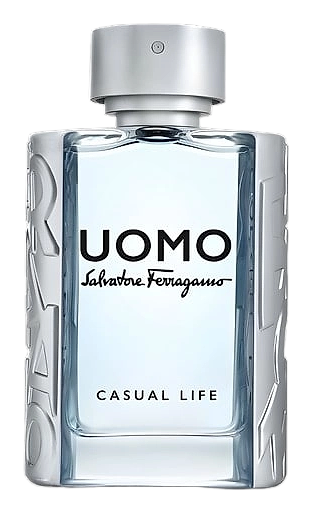
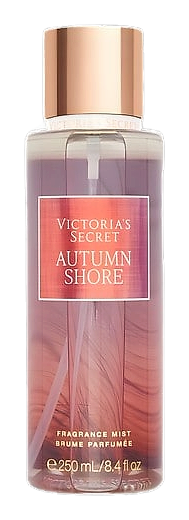
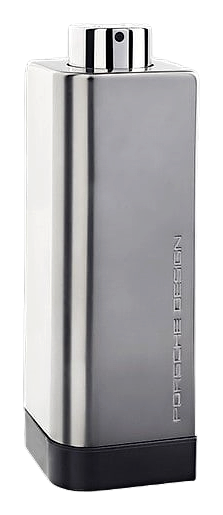
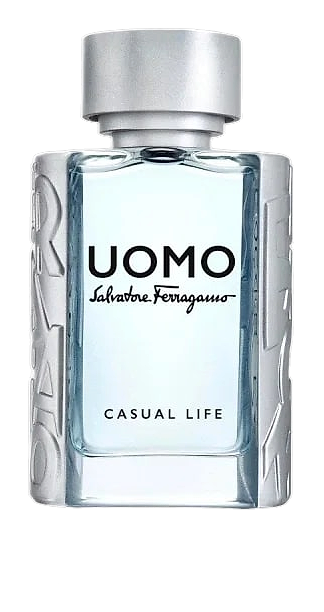
Fragrances featuring Iced Coffee

Brands
Brands known for Iced Coffee
Good to know
Questions, answered
The essentials on Iced Coffee in perfumery: how it smells, where it comes from, and how it behaves on skin.
What does Iced Coffee smell like in perfume?
Iced Coffee in fragrance combines roasted, bitter coffee notes with cool, slightly sweet facets. The effect mimics the aromatic contrast of chilled espresso: deep roasted depth upfront with a clean, refreshing dry-down.
Is Iced Coffee a natural or synthetic ingredient?
Coffee in perfumery exists in both forms. Natural coffee absolute comes from roasted beans via solvent extraction. Synthetic versions replicate key aroma molecules. Many modern iced coffee accords blend natural and synthetic materials for consistency.
What fragrance families pair well with Iced Coffee?
Iced Coffee notes work best in oriental, gourmand, and woody fragrance families. The coffee element bridges warm base notes with fresher dry-downs, making it versatile across scent profiles.
How strong is coffee absolute in perfume formulations?
Coffee absolute ranks among the more potent natural ingredients. Perfumers typically use concentrations between 0.5% and 5% in fragrance compositions. Its intensity demands careful dilution to avoid overwhelming other notes.
When did coffee first appear in perfumery?
Coffee absolute entered perfumery during the late 19th century oriental fragrance boom. Early use remained limited, with broader adoption occurring in the mid-20th century as gourmand and food-inspired scents gained popularity.
What other notes complement Iced Coffee in a fragrance?
Iced Coffee pairs naturally with vanilla, tonka bean, caramel, and chocolate for gourmand effects. For oriental compositions, amber, sandalwood, and spices like cardamom enhance its depth. Fresh elements like mint or citrus brighten its cool character.
Does Iced Coffee work as a standalone note or always in blends?
Iced Coffee functions as both a feature note and a blending ingredient. Some fragrances center on coffee as the hero, while others use it to deepen Gourmand bases or add contrast to lighter compositions.
Is coffee sourced sustainably for perfumery?
Sustainability varies by producer. Some fragrance houses now prioritize responsibly sourced coffee extracts and fair trade partnerships. Consumers increasingly seek out brands that verify sustainable sourcing practices.