Hemlock Fir Needle
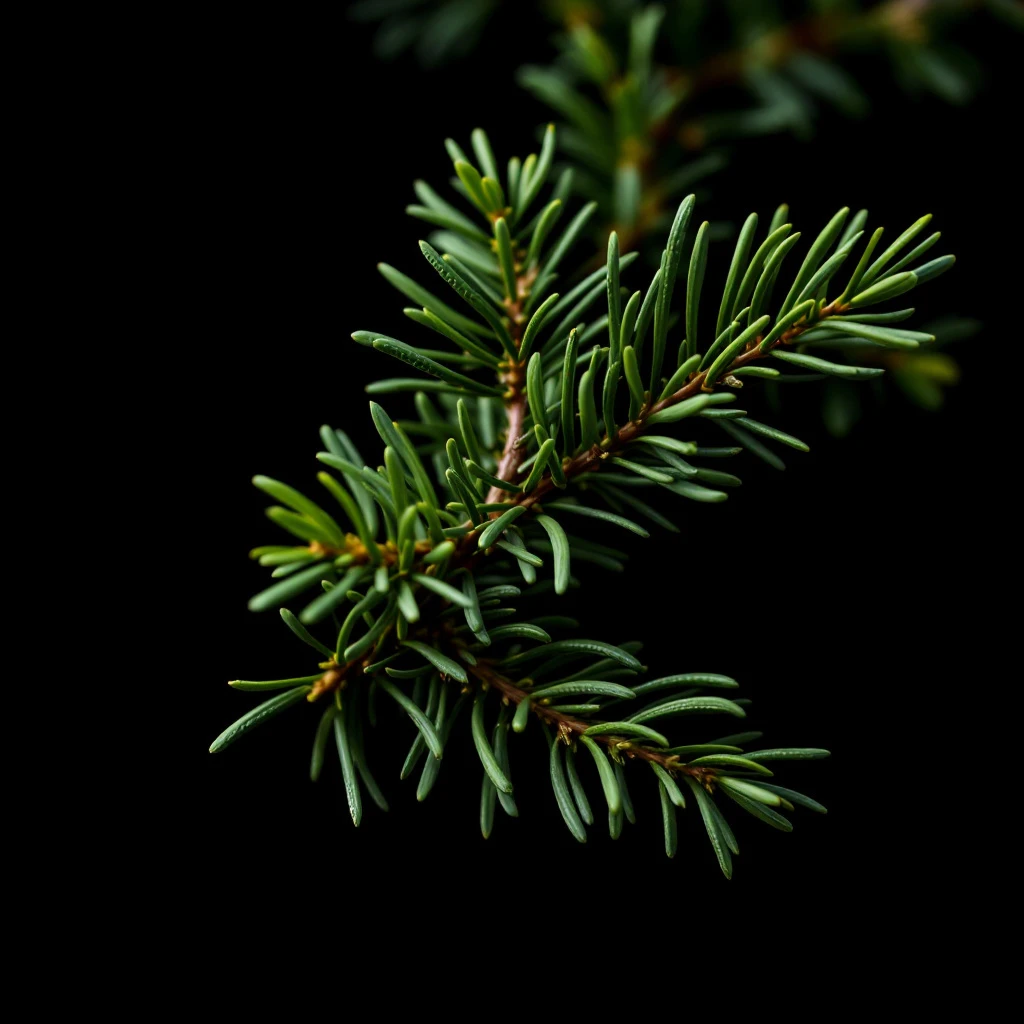
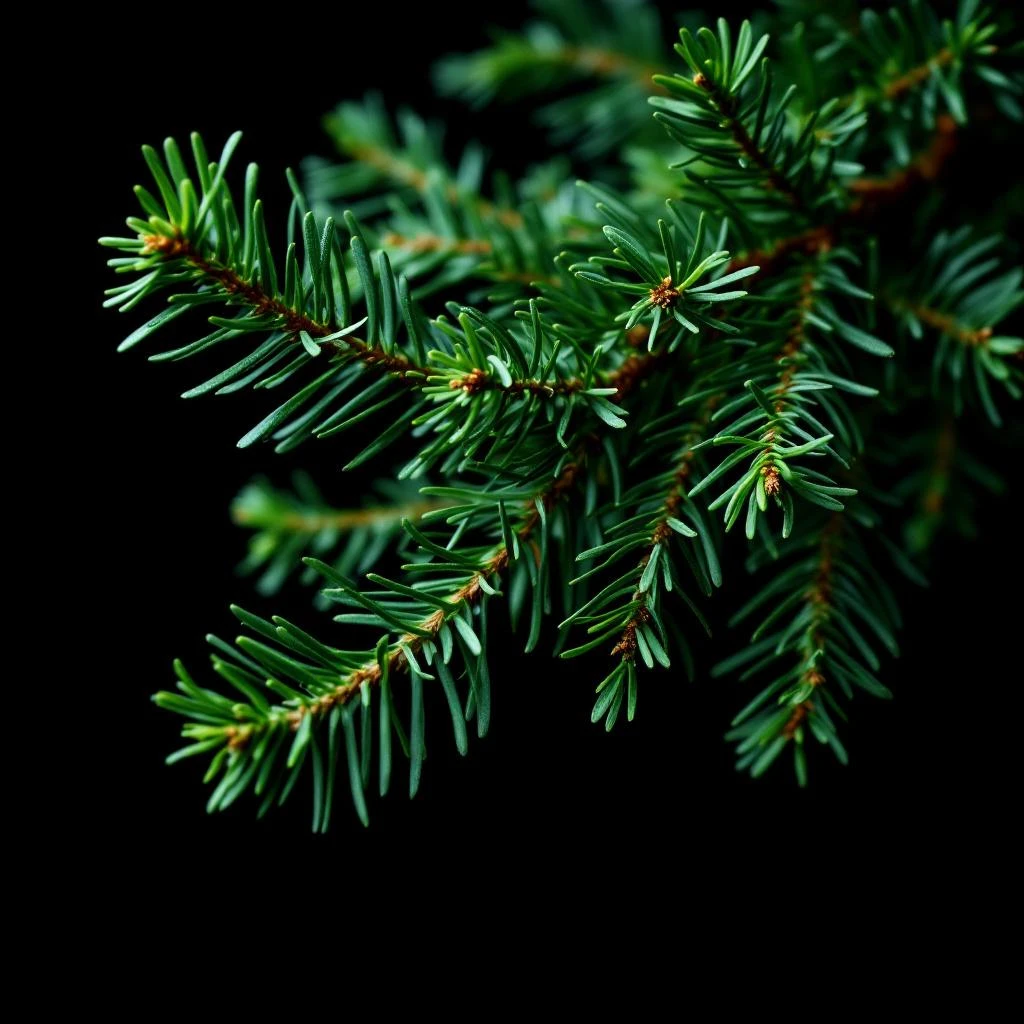
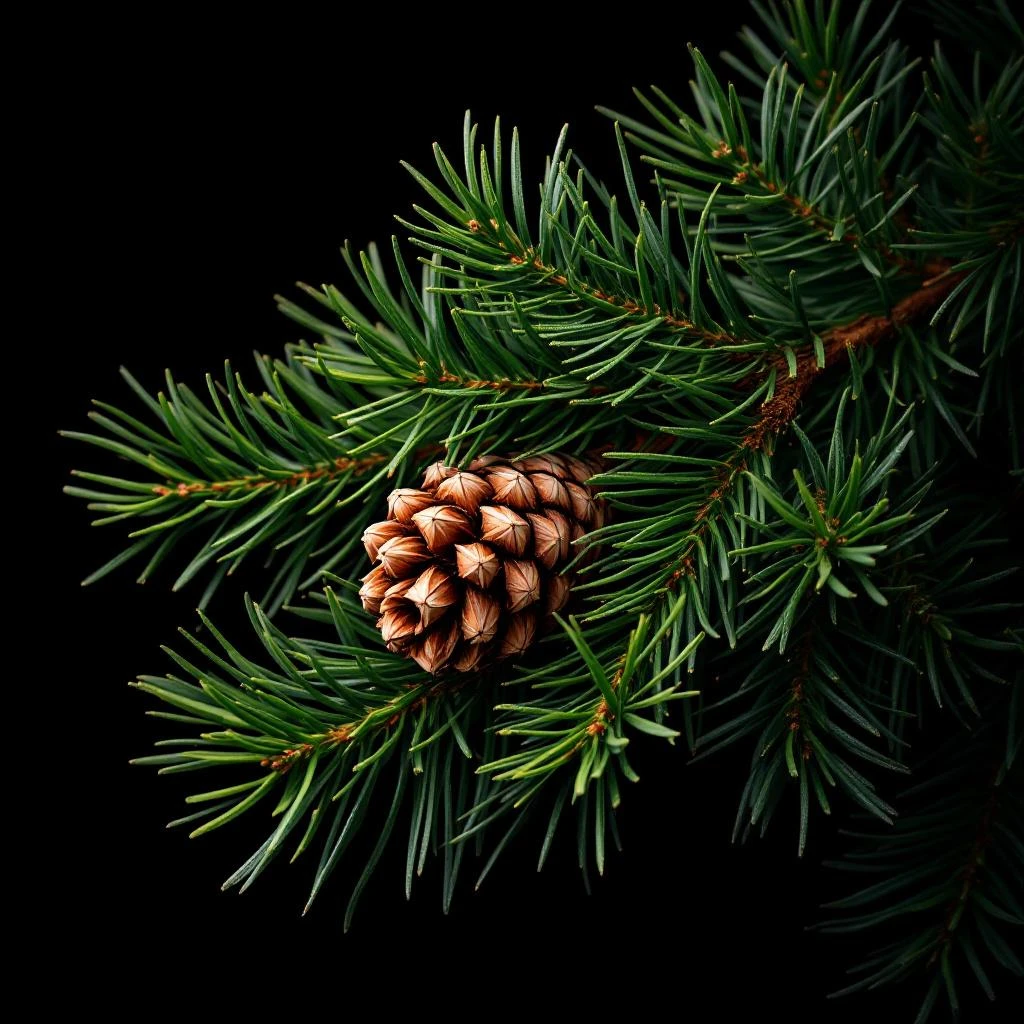
A crisp, penetrating needle oil drawn from coniferous forests, hemlock fir needle delivers a sharp, wintry aroma that instantly conjures dense boreal woodlands. Its essential character anchors forest-themed compositions with an authentic, bracing freshness no synthetic can fully replicate.
Character
How it smells
Sharp evergreen that brings the forest to your skin.
Siberian fir needle oil remains the benchmark for quality, produced at scale in Russia since the early essential oil industry began in the 19th century.

Origin
Russia
The use of fir needle oil in perfumery traces back to the mountainous regions of Central Europe, where Alpine communities harvested Abies species for folk remedies and balms long before distillation technology arrived. The commercial essential oil industry, emerging in the 18th century, quickly identified fir needle oil as a valuable coniferous material with distinct character from pine or spruce. Russian production dominated global supply by the mid-1800s, leveraging the vast boreal forests stretching across Siberia.
Aromatics companies in France and Switzerland, developing the modern fragrance industry, incorporated fir needle oil into forest, chypre, and fougere accords. Northern European perfumers found particular inspiration in the material, using it to capture the scent of Scandinavian pine forests in outdoor and masculine fragrance lines that remain popular today.
Wears it best
Fragrances featuring Hemlock Fir Needle
Brands
Brands known for Hemlock Fir Needle
Good to know
Questions, answered
The essentials on Hemlock Fir Needle in perfumery: how it smells, where it comes from, and how it behaves on skin.
What does hemlock fir needle smell like?
It smells sharp, clean, and resinous with pronounced evergreen character. Expect a wintry, bracing quality with subtle balsamic undertones and a dry, woody finish.
Is hemlock fir needle oil natural or synthetic?
Natural. Distillers extract it from conifer needles via steam distillation. Some chemists synthesize its monoterpene profile, but natural fir needle oil offers greater complexity.
Which perfumery families use hemlock fir needle?
Forest, fougere, chypre, and outdoor masculine accords. It works as a top or heart note, lending authentic coniferous character to compositions.
How long has fir needle oil been used in perfumery?
Since the 18th century. Russian production dominated global supply by the mid-1800s, with Alpine communities using fir materials in folk remedies well before commercial distillation.
What chemicals give fir needle oil its scent?
Bornyl acetate provides the signature evergreen character. Camphene and alpha-pinene contribute sharp, fresh top notes, while various sesquiterpenes add depth.
Can fir needle oil cause skin reactions?
It carries moderate sensitization risk. IFRA guidelines limit concentration in consumer products, and formulators typically use it below 2% in fragrance concentrates.
How does fir needle compare to other conifer oils like pine or spruce?
Fir needle is sharper and more balsamic than pine, with less turpentine sharpness. It differs from spruce by lacking the sweet, fruity facets spruce sometimes displays.