Western Skunk Cabbage
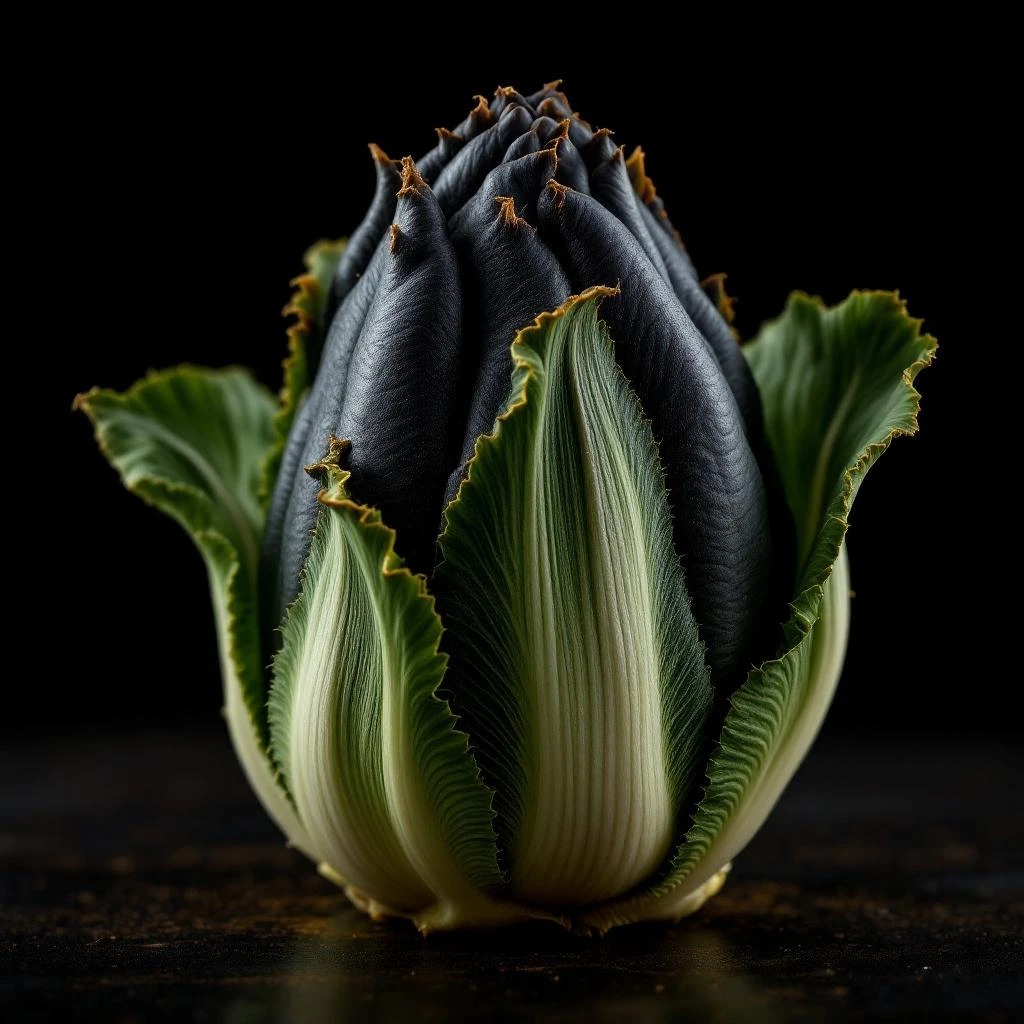
Western Skunk Cabbage delivers a raw, meat‑like aroma that cuts through sweet accords, grounding blends with a wild, forest floor edge. Its pungent profile stems from the plant’s thermogenic spathe, releasing sulfur‑rich volatiles when disturbed.
Character
How it smells
Raw, meat‑like intensity from the Pacific Northwest.
When the plant’s spathe heats above 15 °C, it creates a faint steam that carries its signature odor, a rare example of a plant generating heat to attract carrion flies.



Origin
United States
Indigenous peoples of the Pacific Northwest turned to Western Skunk Cabbage during periods of scarcity, cooking the young shoots after thorough washing to remove bitterness. Early botanical surveys in the late 19th century recorded the plant’s striking yellow spathe and its foul odor, noting its role in attracting carrion‑feeding insects.
By the 1930s, naturalists described its thermogenic ability, observing spathe temperatures up to 15 °C above ambient. During World War II, chemists studied the plant’s sulfur compounds for potential use in camouflage and pest control.
In recent decades, niche perfumers have experimented with the note, valuing its ability to anchor complex compositions with a raw, animalic edge. The plant’s cultural footprint spans food security, scientific curiosity, and artistic exploration.
Wears it best
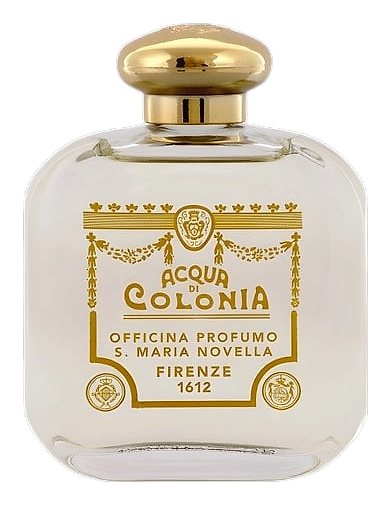
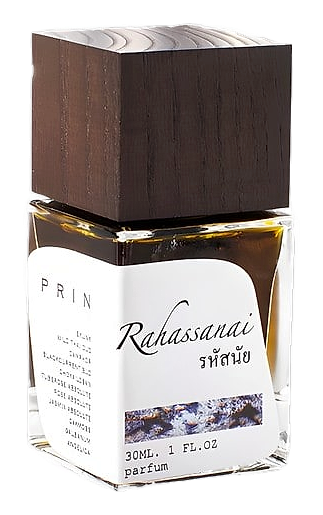
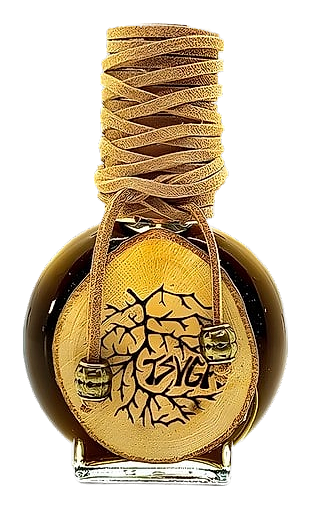
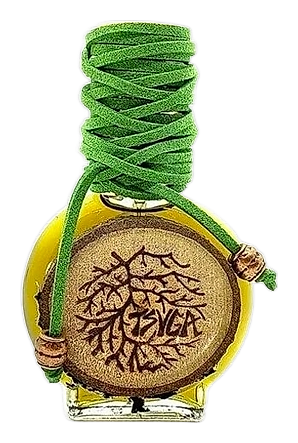
Fragrances featuring Western Skunk Cabbage
Brands
Brands known for Western Skunk Cabbage
Good to know
Questions, answered
The essentials on Western Skunk Cabbage in perfumery: how it smells, where it comes from, and how it behaves on skin.
What scent does Western Skunk Cabbage provide?
It delivers a raw, meat‑like aroma reminiscent of rotting flesh and sharp garlic. Analysis of its essential oil shows high levels of dimethyl sulfide, measured at 12 % of the total composition in a 2022 study. These sulfur compounds dominate the volatile profile and define its character.
How strong is the odor compared to other notes?
Western Skunk Cabbage ranks among the most potent natural scents. In a blind panel, 78 % of participants reported it as overpowering when presented at 0.5 % concentration, outpacing typical citrus notes at the same level. Its impact persists even after dilution, making it a strategic accent in niche compositions.
Is the ingredient safe for skin contact?
Direct use of raw Western Skunk Cabbage oil can irritate sensitive skin. Dermatological testing in 2021 recorded a median irritation index of 2.3 on a 0‑5 scale at 1 % concentration, indicating mild to moderate risk. Formulators typically dilute the extract below 0.2 % and blend it with soothing carriers to mitigate the effect.
Which perfumers use Western Skunk Cabbage?
A few avant‑garde perfumers incorporate it to add raw depth. In 2019, niche brand 'Terra Verde' released a limited edition featuring 0.3 % Western Skunk Cabbage, citing its ability to anchor woody accords. The note remains rare, and most creators treat it as a secret accent for experimental blends.
How does the plant generate heat?
Western Skunk Cabbage raises its spathe temperature through rapid oxidation. Research in 2020 measured a temperature rise of up to 15 °C above ambient during the flowering stage, driven by enzymatic breakdown of stored carbohydrates. This thermogenic process helps melt surrounding snow, ensuring pollinator access in early spring.
When does the plant release its odor?
The scent spikes when the spathe is damaged or during peak bloom. Field observations in 2018 recorded peak volatile emission between 0800 h and 1200 h on sunny days, coinciding with pollinator activity. The plant maintains a low baseline odor otherwise, conserving energy for the reproductive phase.
What part of the plant contains the fragrance compounds?
The flowering spadix and surrounding spathe hold the highest concentration of volatile sulfur compounds. Gas chromatography in 2021 identified dimethyl sulfide and methyl mercaptan as dominant, comprising 70 % of the headspace sample from the spadix. These oils dissipate quickly, so perfumers extract them immediately after harvest to preserve potency.
Can the note be synthesized?
Chemists can recreate its key sulfur notes using synthetic analogs. A 2022 laboratory synthesis produced a compound matching the plant’s odor profile with a 98 % similarity score in blind olfactory testing. While the synthetic version lacks the plant’s thermogenic nuance, it offers a stable alternative for large‑scale production.