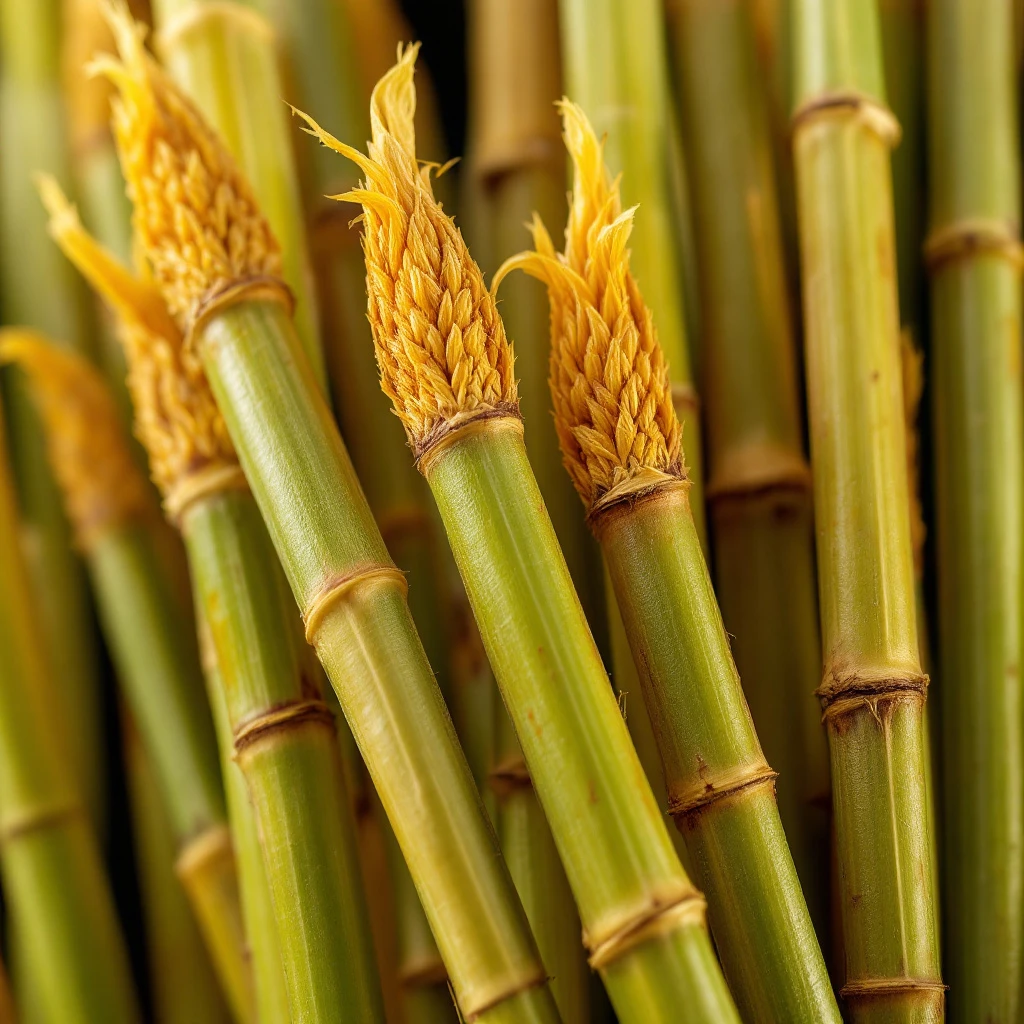
Hawaiian Sugar Cane
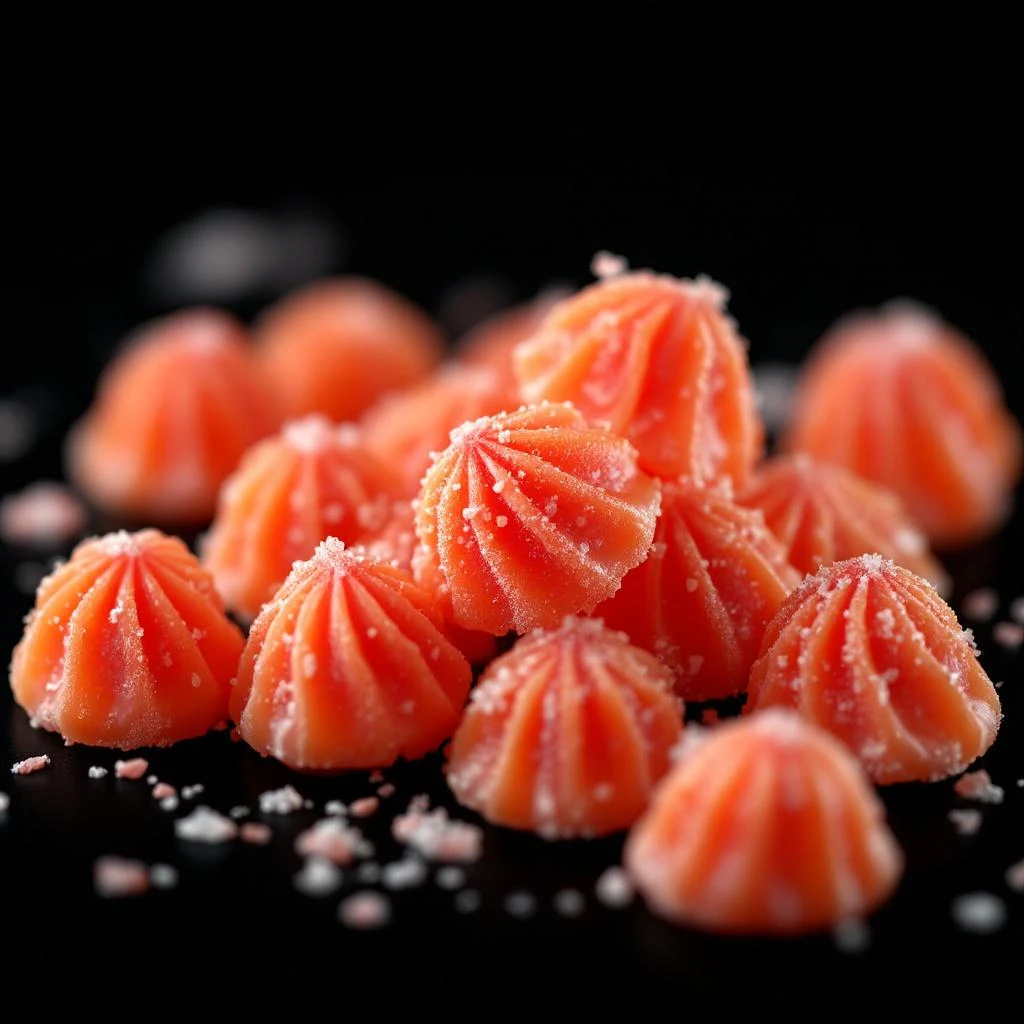
Sun-warmed sweetness drawn from Pacific cane fields, Hawaiian Sugar Cane brings a golden syrup note to perfumery. Its molasses-rich depth caramelizes floral blends and grounds tropical compositions.
Character
How it smells
Liquid gold from Pacific cane fields.
Polynesian voyagers carried cane to Hawaii roughly 1,500 years ago, long before Captain Cook arrived in 1778 and documented its cultivation.
Pairs beautifully with
Origin
Hawaii (United States)
Hawaiian Sugar Cane, known locally as kō, has ancient roots stretching back roughly 1,500 years. The first Polynesian voyagers brought cane stalks on their great ocean migrations, planting them across the volcanic soils of the archipelago. Captain Cook observed thriving cane fields upon his 1778 arrival.
Native Hawaiians chewed the raw stalk for its sweetness and used it medicinally, though they never refined it into crystallized sugar. Commercial cultivation began in 1825 when John Wilkinson planted 100 acres in Mānoa Valley under Governor Boki's land. The real expansion came in 1839 with King Kamehameha III's mill at Wailuku, Maui, igniting a plantation era that shaped Hawaiian economy, labor patterns, and immigration for over a century.
By the late 1800s, sugar dominated Hawaiian exports, drawing workers from Asia, Portugal, and Puerto Rico. Although most plantations closed by the 1990s, sugar cane remains a cultural icon, its caramel essence now translated into perfumery as a sweet, golden note.
Wears it best
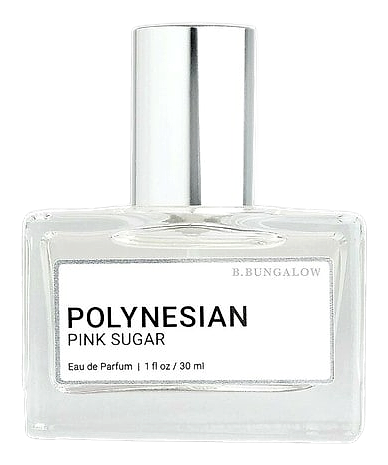
Fragrances featuring Hawaiian Sugar Cane
Brands
Brands known for Hawaiian Sugar Cane
Good to know
Questions, answered
The essentials on Hawaiian Sugar Cane in perfumery: how it smells, where it comes from, and how it behaves on skin.
What does Hawaiian Sugar Cane smell like in perfume?
It smells like warm caramel and molasses with a soft, golden sweetness. Most compositions describe it as syrupy and slightly toasted, without the sharp burnt edge of refined brown sugar.
Is Hawaiian Sugar Cane natural or synthetic in fragrances?
Both forms exist. Natural versions come from pressed cane juice or fermented derivatives, while synthetic molecules like ethyl maltol replicate its caramel character for stability and cost.
Where does Hawaiian Sugar Cane originate?
It originates in the Hawaiian islands, where Polynesian voyagers introduced Saccharum officinarum roughly 1,500 years ago. The plant thrives in the islands' volcanic soils and tropical rainfall.
How is Hawaiian Sugar Cane extracted for perfumery?
Producers harvest mature stalks, press them to release juice, then concentrate the syrup through vacuum distillation. This method captures the cane essence while preventing caramelization into bitter notes.
What fragrance families feature Hawaiian Sugar Cane?
It appears most in gourmand compositions, amber bases, and tropical florals. Its sweet warmth also grounds fruity chypres and adds depth to vanilla-heavy oriental fragrances.
When did commercial sugar production begin in Hawaii?
Commercial cultivation began in 1825 when John Wilkinson planted 100 acres at Mānoa Valley. King Kamehameha III's mill at Wailuku in 1839 launched the full plantation era.
What is the cultural significance of kō in Hawaii?
Called kō in Hawaiian, sugar cane held traditional and spiritual value long before commercial use. Native Hawaiians chewed the stalk for its sweetness and incorporated it into medicine and ceremony.
Is Hawaiian Sugar Cane different from regular sugar cane?
Botanically identical to Saccharum officinarum grown elsewhere, Hawaiian cane carries a distinct terroir from volcanic soil and Pacific sunlight. Perfumers prize it for a slightly more nuanced sweetness.