Caribbean Coconut
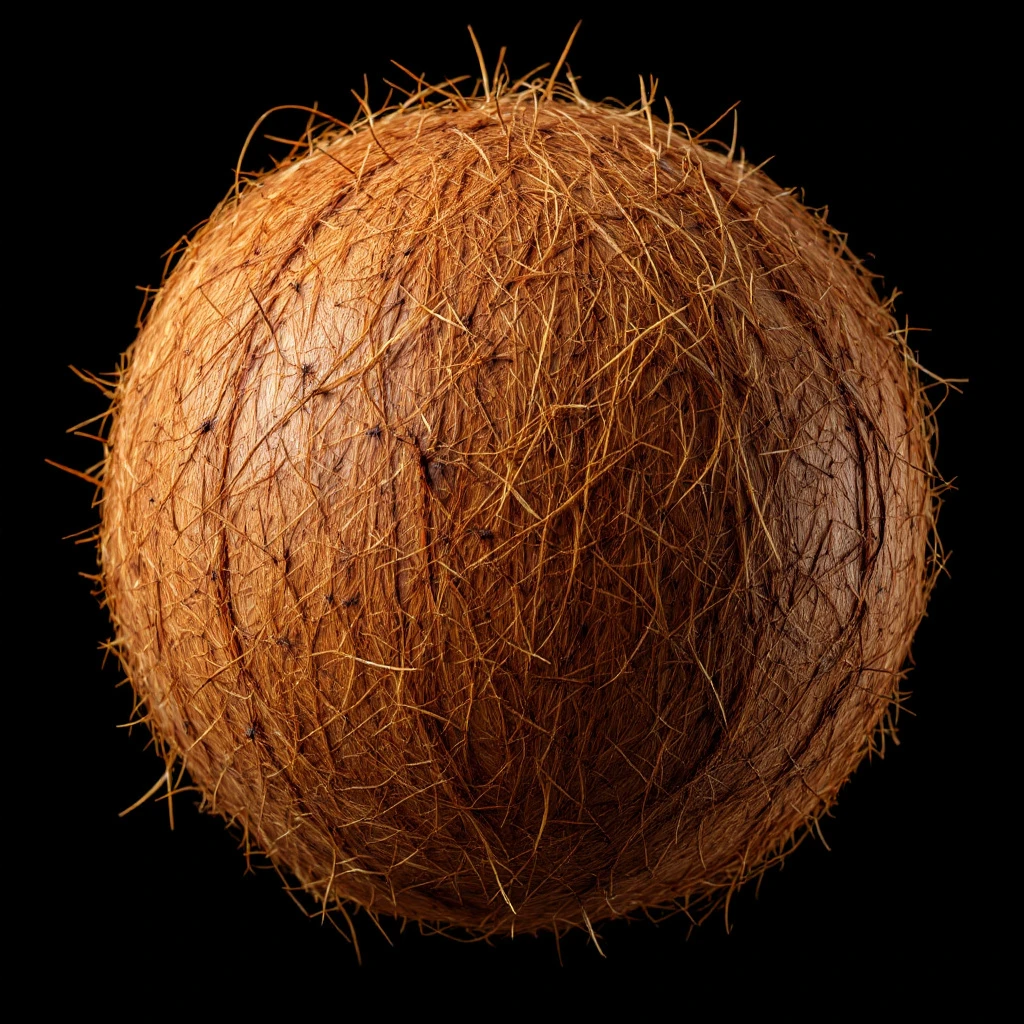
Fresh coconut meat delivers a creamy, sun-warmed sweetness in perfumery. The Caribbean variety carries a distinctive tropical character that has made it a prized heart-note in summer fragrances and suncare-inspired compositions.
Character
How it smells
Tropical cream in every note
A single coconut palm can produce 50 to 200 coconuts per year, making it one of the most productive tropical crops used in fragrance production.




Origin
Philippines
Coconut palms originated in the Indo-Pacific region, with evidence of their use dating back thousands of years across South Asia and the Pacific Islands. Polynesian voyagers carried coconuts across the Pacific, while trade routes spread the fruit westward to East Africa and the Caribbean by the 16th century. European traders recognized coconut as a valuable cargo, and colonial-period apothecaries began incorporating coconut oil and flesh into medicinal preparations and early toiletries.
By the 19th century, as perfumery shifted from botanical simplicity toward complex composition, coconut absolute emerged as a distinct material. The ingredient gained particular momentum in the 20th century as beach culture and tropical tourism inspired fragrances built around sun, salt, and tropical warmth.
Wears it best
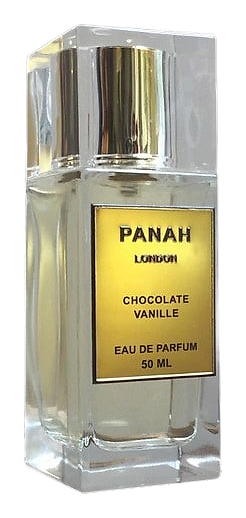
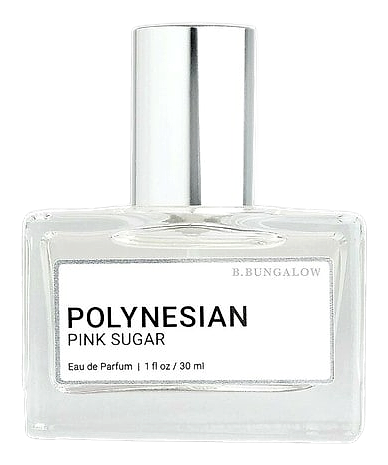
Fragrances featuring Caribbean Coconut
Brands
Brands known for Caribbean Coconut
Good to know
Questions, answered
The essentials on Caribbean Coconut in perfumery: how it smells, where it comes from, and how it behaves on skin.
What does coconut smell like in fragrance?
Coconut absolute has a creamy, sweet scent reminiscent of fresh coconut meat warmed by the sun. It carries lactonic richness with subtle toasted and slightly oily undertones that read as warm rather than sharp.
Is coconut in perfume natural or synthetic?
Both versions exist. Natural coconut absolute comes from dried coconut flesh via solvent extraction. Synthetic coconut scent is typically gamma-nonalactone, which reproduces the creamy coconut character at lower cost and with consistent availability.
Which fragrance families commonly feature coconut as a note?
Coconut appears most often in tropical, fruity, and oriental fragrance families. It works particularly well in summer scents, beach-inspired compositions, and gourmand fragrances where it pairs with vanilla, coconut water notes, or white florals.
What pairs well with coconut in perfume?
Coconut blends naturally with vanilla, jasmine, ylang-ylang, sandalwood, and marine notes. The combination of coconut with salty-ozonic accords is a defining signature of modern tropical perfumery.
What part of the coconut plant is used in perfumery?
Perfumery uses the dried flesh of the coconut, called copra. The fresh liquid inside the coconut (coconut water) is not used in fragrance production; only the processed dried meat yields extractable aromatic material.
Where does coconut absolute originate?
The Philippines is the world's leading producer of coconut, supplying the majority of coconut oil and derivative materials used globally in food, cosmetics, and fragrance applications.
How long has coconut been used in perfumery?
Coconut absolute emerged as a recognized perfumery material in the 19th century as solvent extraction techniques advanced. Before then, coconut's scent appeared primarily in toiletries and tropical body products rather than fine fragrance.
Does coconut absolute smell different from coconut oil?
Yes. Coconut absolute is more concentrated and complex, retaining the full lactonic and creamy character of coconut flesh. Fractionated coconut oil used in cosmetics is scentless or carries only a mild fatty aroma, as its aromatic components have been removed during processing.