
The Story
Why it exists.
The beginning
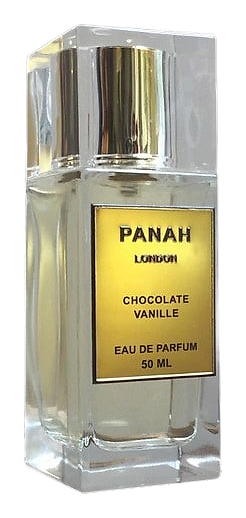
Chocolate Vanille arrived as a study in restraint, a British house that understood precision matters more than spectacle. The brief was simple on paper: marry cocoa and vanilla without letting either drown the other. In practice, that meant finding a third voice to mediate between them. Damask rose stepped in, quiet but insistent, lending the opening a floral transparency that keeps the chocolate from going dense too fast. Cashmere wood handled the middle, a material that reads as warm fabric rather than raw timber, wrapping the coconut-heart in something close and wearable. The vanilla opens with a buttery, warm richness that immediately suggests comfort and depth, the kind of sweetness that feels earned rather than imposed.
What makes this composition work is the ambergris anchoring the base. It adds salt without dirt, a clean animalic quality that gives the vanilla something to lean against rather than float through. Paired with bourbon vanilla and white musk, it creates a foundation that doesn't just last, it breathes. Most vanilla fragrances collapse inward over time, becoming a flat sweet cloud that fills a room without engaging it. This one holds its shape.
The evolution
The spritz is immediate: cocoa rising, not sweet exactly, but deep and slightly fermented, the boozy quality the brand talks about openly. A thin thread of rose threads through within the first minute, keeping the chocolate from feeling heavy-handed. Around the fifteen-minute mark, the coconut arrives, soft and warm, and the cashmere wood begins to assert itself, shifting the fragrance from dessert to something you could describe as cozy. The drydown is where this fragrance earns its name. Bourbon vanilla blends with white musk into something that reads as skin-warm rather than applied. The ambergris surfaces as a faint salt, the ghost of something animal beneath the sweetness. On fabric, this lasts through an evening, the cocoa-vanilla warmth persisting and revealing new facets as the hours pass.
Cultural impact
Chocolate Vanille carved out a quieter reputation: the one for people who wanted warmth without being predictable. Those who discovered it found a fragrance that challenged assumptions about what gourmand perfumery could achieve. Rather than leaning into the accessible sweetness that often defines the category, it pursued something more nuanced, more willing to let darker notes coexist with the familiar comfort of vanilla and cocoa. The rose kept it from becoming merely cozy, the cashmere wood kept the coconut from going tropical in a superficial way, and the ambergris gave the base enough complexity to reward patience.