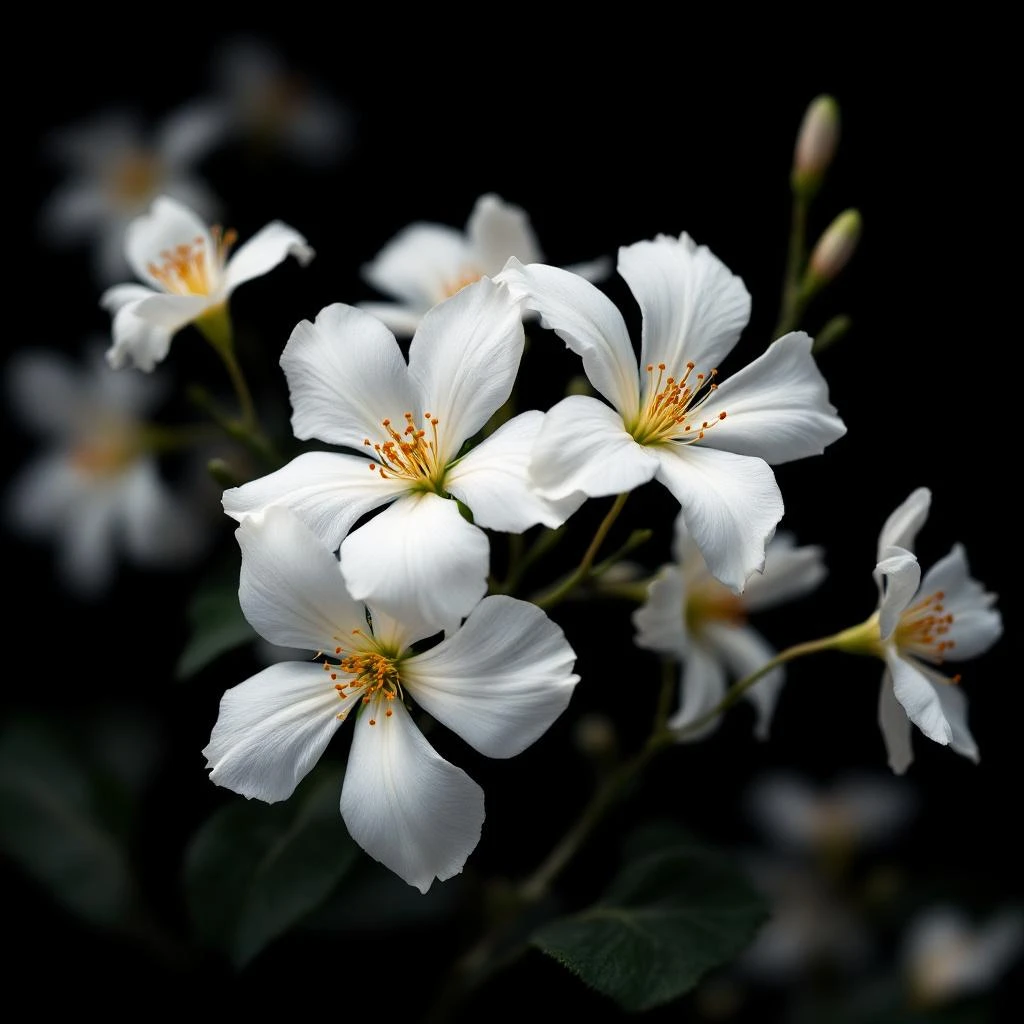
Hawaii Tuberose
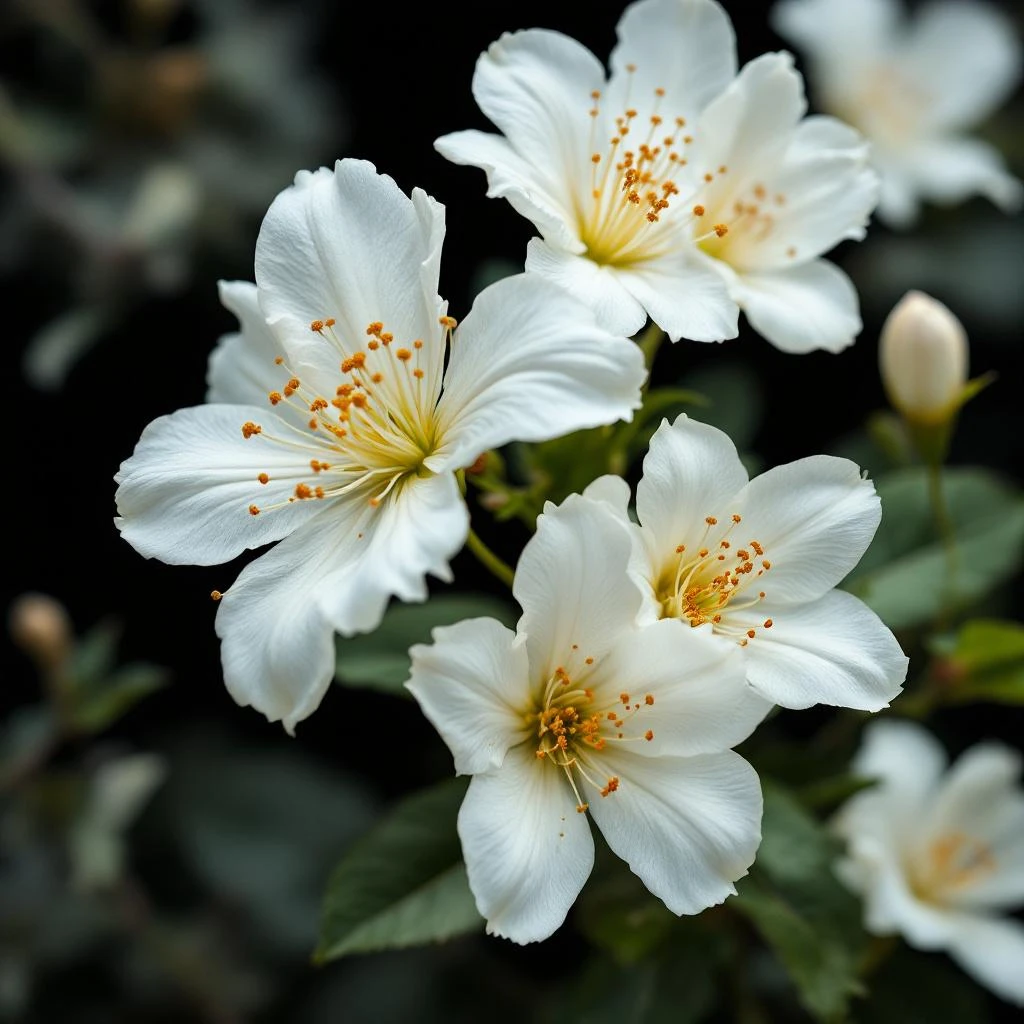
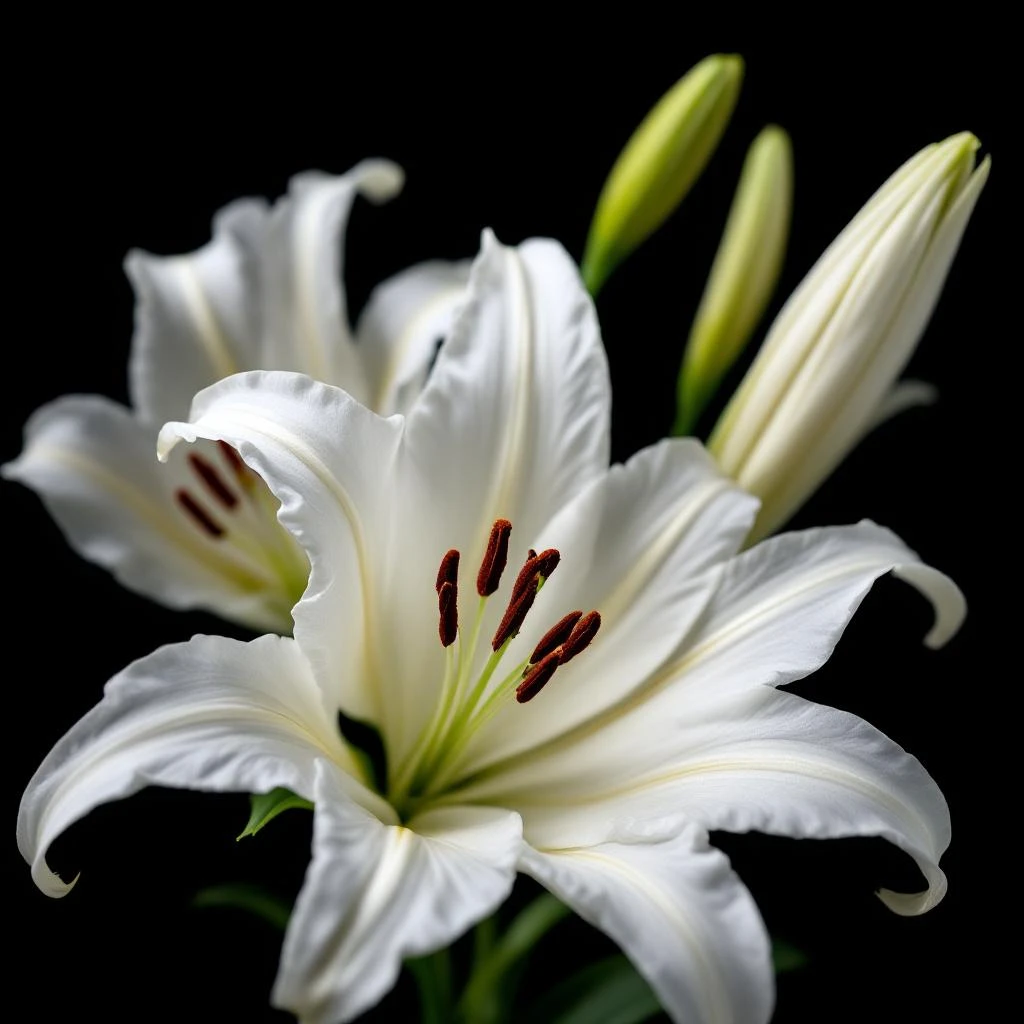
Hawaii tuberose delivers an intense white-floral character, pairing creamy sweetness with green, indolic facets that deepen after the opening hours.
Character
How it smells
Creamy white florals with a dark, green pulse.
Tuberose continues releasing fragrance after cutting for more than a day, making it unusual among flowers used in perfumery.
Pairs beautifully with
Origin
Mexico
Tuberose originates in Mexico and Central America, where it carries both cultural and sensory importance. Historical accounts describe Aztec use of tuberose aroma to scent chocolate, an early example of a regional ingredient entering prepared food. The flower later reached Europe through trade and cultivation, with bulbs planted in Grasse during the 17th century.
Its strong scent made it valuable to early perfumers, who prized its creamy floral character and powerful evening fragrance. The Hawaiian association comes from the flower’s cultivation in Hawaii, where it is also known as honi. Tuberose’s history reflects a broader story of natural materials moving between food, ritual, agriculture, and perfumery.
It remains an intense note with a distinctive green and slightly narcotic edge, valued for its ability to lend depth and sensuality to floral compositions.
Wears it best
Fragrances featuring Hawaii Tuberose
Brands
Brands known for Hawaii Tuberose
Good to know
Questions, answered
The essentials on Hawaii Tuberose in perfumery: how it smells, where it comes from, and how it behaves on skin.
What does Hawaii tuberose smell like?
Hawaii tuberose smells creamy, sweet, and intensely floral, with green and slightly narcotic facets. Its indolic character gives the white flower a darker, more sensual edge than a soft garden-flower note.
Where does tuberose originally come from?
Tuberose is native to Mexico and Central America. Historical accounts also identify Mexico as the source of an early use in Aztec chocolate, before the flower spread through cultivation and trade.
Why is tuberose important in perfumery?
Tuberose is important because it delivers a powerful white-floral effect with green, creamy depth. One specific strength is its sustained scent after cutting, which can continue for more than a day.
How is natural tuberose fragrance extracted?
Natural tuberose fragrance is extracted from fresh flowers, traditionally by enfleurage and also through solvent extraction. Enfleurage uses fat to absorb the aroma, followed by alcohol to recover the fragrance.
What part of the tuberose plant is used for fragrance?
Perfumers use the fresh flowers of Polianthes tuberosa. The blossoms contain the scent-bearing material, with the flower’s post-harvest aroma making timely processing especially valuable.
Is tuberose the same as freesia or jasmine?
No. Tuberose belongs to the genus Polianthes and has a rich, creamy floral profile with green and indolic notes. Freesia is lighter and more transparent, while jasmine carries a different powdery floral character.
Does tuberose smell better at night?
Tuberose is often perceived as more fragrant in the evening, when its narcotic, sensual character becomes especially pronounced. Its powerful white-floral scent has made it a traditional choice for evening and romantic compositions.
How is tuberose used in modern perfumes?
Modern perfumers use tuberose to strengthen floral compositions and add creamy, green, nocturnal depth. It works especially well as a distinctive floral note supported by jasmine, gardenia, or clean musks.