Hawaiian Monoï
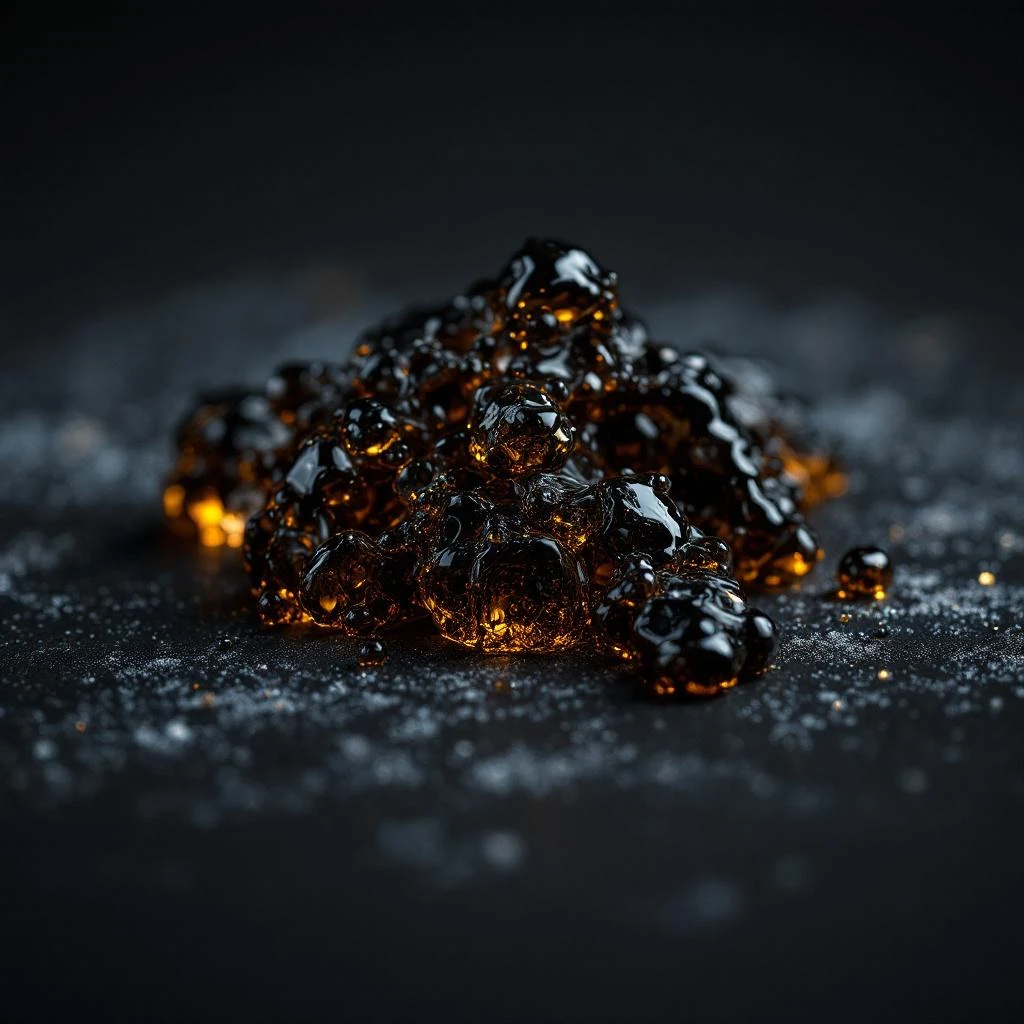
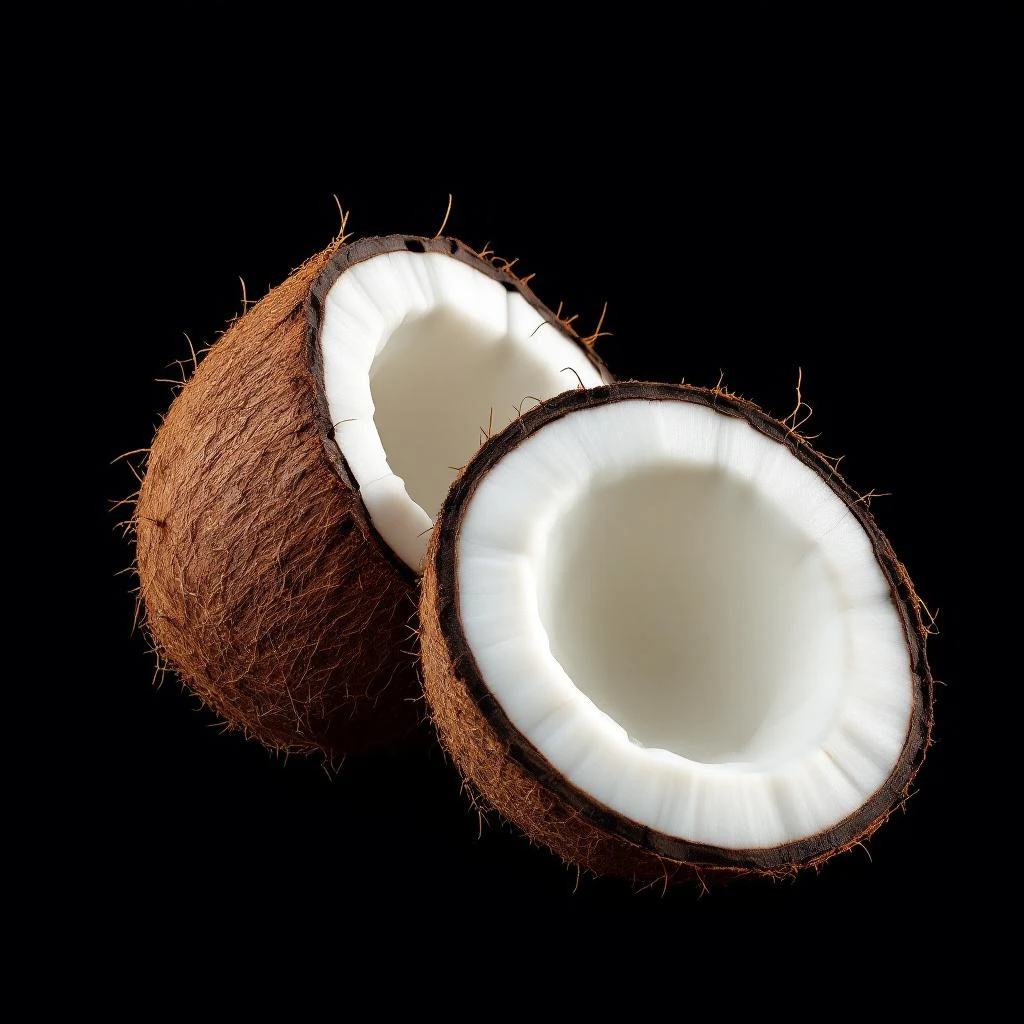
Hawaiian Monoi captures the lush warmth of Polynesia — coconut oil steeped in tiare flowers, releasing a creamy, sun-kissed floral with honeyed undertones and a soft, enveloping presence.
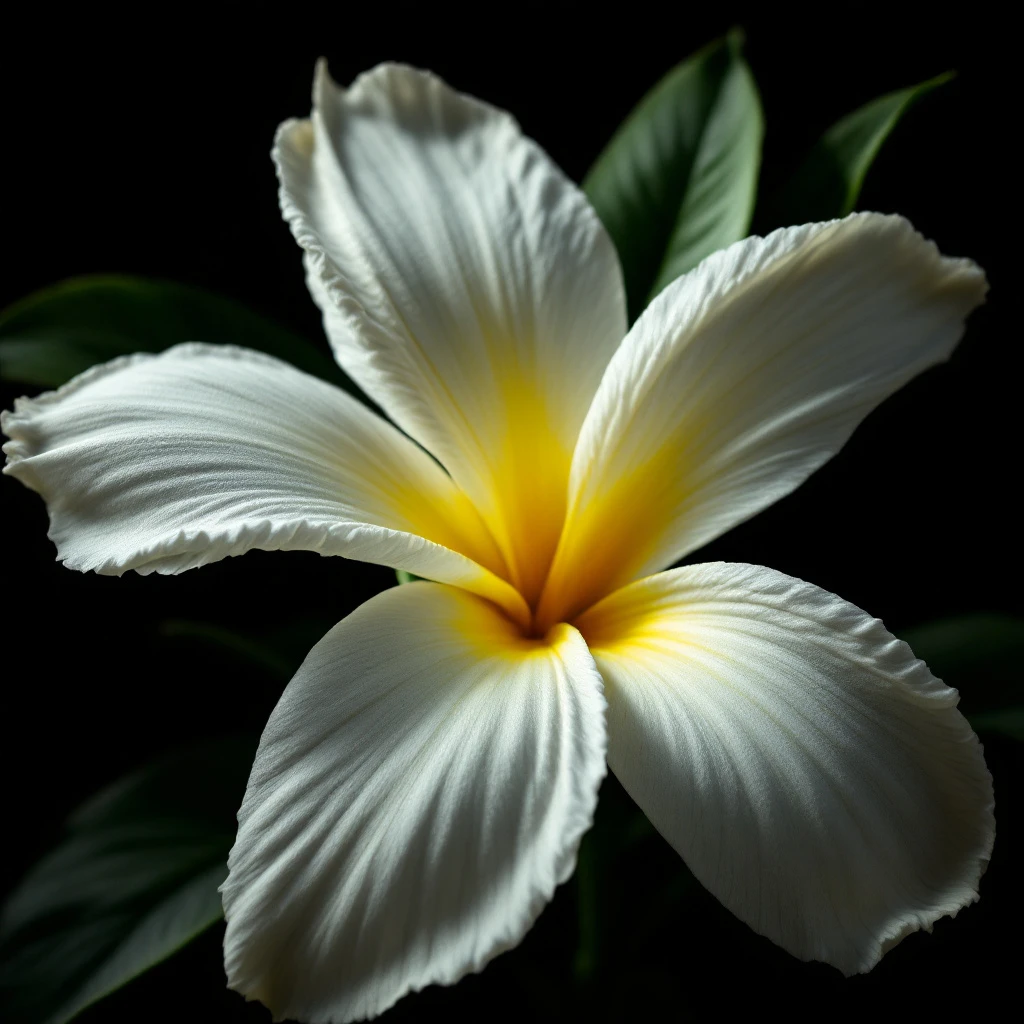
Character
How it smells
Tahiti's iconic macerated oil, steeped in tiare blossoms
Monoï de Tahiti holds a protected designation of origin in French Polynesia, guaranteeing authentic traditional production.



Origin
French Polynesia
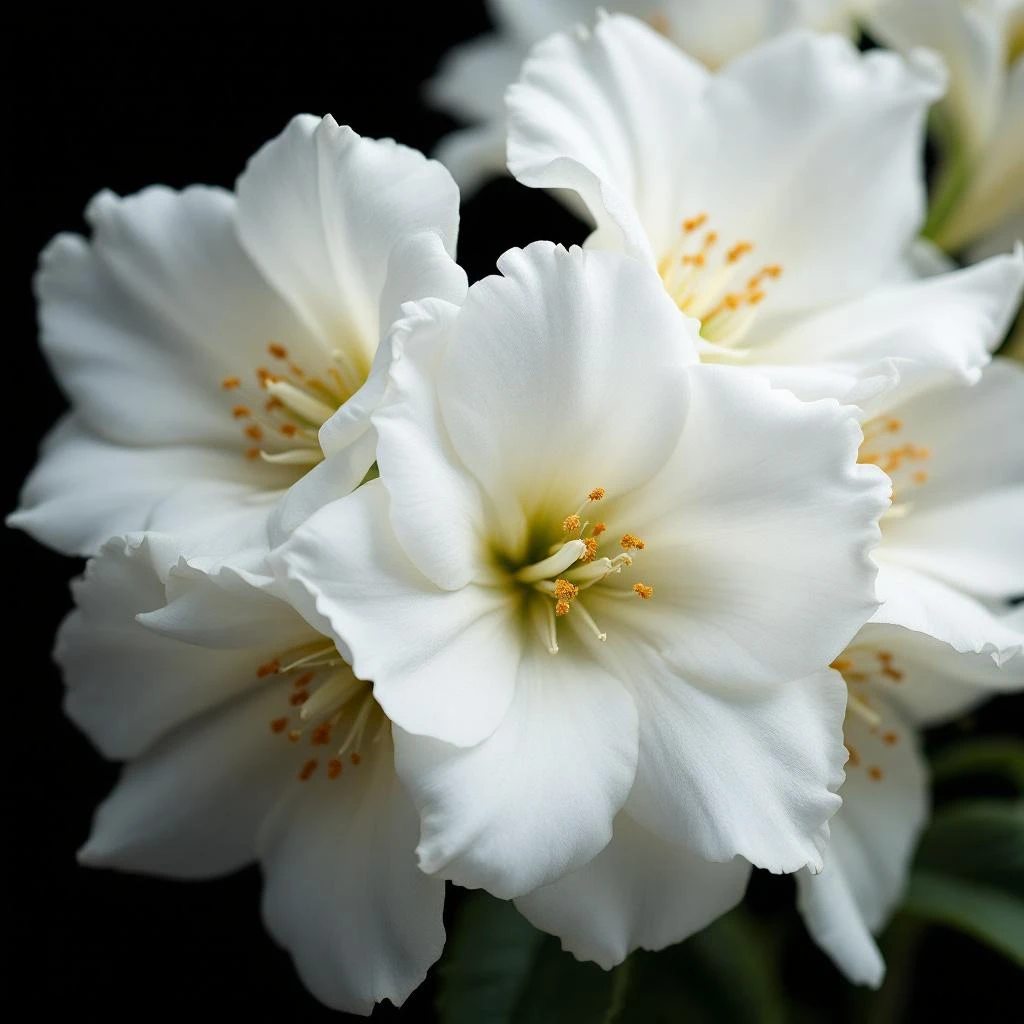
Polynesian women have used monoi for generations as a body moisturizer, sunscreen, and hair treatment. The tiare flower holds deep cultural weight in Tahiti — worn tucked behind the ear as a marker of Polynesian identity, and presented at milestones such as first birthdays. Monoï entered perfumery as Western interest in tropical ingredients grew, prized for its ability to evoke sun-drenched islands in a bottle.
In 1992, the "Monoï de Tahiti" designation of origin was officially protected, ensuring that authentic monoi is produced in French Polynesia under strict standards. The ingredient bridges Polynesian wellness traditions with the craft of fine fragrance, carrying both sensory and cultural weight.
Wears it best
Fragrances featuring Hawaiian Monoï
Brands
Brands known for Hawaiian Monoï
Good to know
Questions, answered
The essentials on Hawaiian Monoï in perfumery: how it smells, where it comes from, and how it behaves on skin.
What is Hawaiian Monoi?
Monoi is a traditional Polynesian oil made by macerating tiare flowers (Gardenia taitensis) in refined coconut oil for at least ten days. The result is a warm, creamy base note with rich white floral character.
What does Hawaiian Monoi smell like?
The scent centers on tiare — creamy, waxy, and intensely floral with subtle honeyed facets. Coconut oil provides a gentle nutty warmth underneath. The overall impression is sun-warmed skin with lush gardenia overtones.
How can I identify authentic Monoi?
Look for the official "Monoï de Tahiti" designation of origin. This protected label guarantees the oil was produced in French Polynesia using Gardenia taitensis steeped in coconut oil, meeting regulated quality standards.
How is Monoi used in perfumery?
Monoi functions as both a fragrant ingredient and a fixative. The tiare absolute extends the longevity of lighter top notes while lending a warm, tropical dry-down that evokes sun-touched skin.
How does Monoi differ from gardenia absolute?
Gardenia absolute captures gardenia flowers directly. Monoi pairs tiare (a Tahitian gardenia species) with coconut oil, adding a creamy, oily dimension that gardenia alone lacks. The two share floral DNA but differ in texture and warmth.
What alternatives exist for recreating a Monoi note?
Tiare absolute can approximate the floral core. Blending coconut-derived materials with white floral accords (gardenia, jasmine, tuberose) can approximate the full monoi character, though replicating the exact macerated warmth is difficult.
How should Monoi be stored?
Store in a cool, dark place away from direct light and heat. Use opaque glass containers. The fragile tiare esters degrade under prolonged light exposure. Properly stored, monoi remains stable for approximately twelve months.
What is the cultural significance of Monoi in Tahiti?
Monoi is embedded in daily Polynesian life — used on skin and hair, worn behind the ear to signal availability, and presented as gifts at life milestones. Beyond beauty, it carries identity and ritual weight unique to Tahitian culture.





