Hairspray
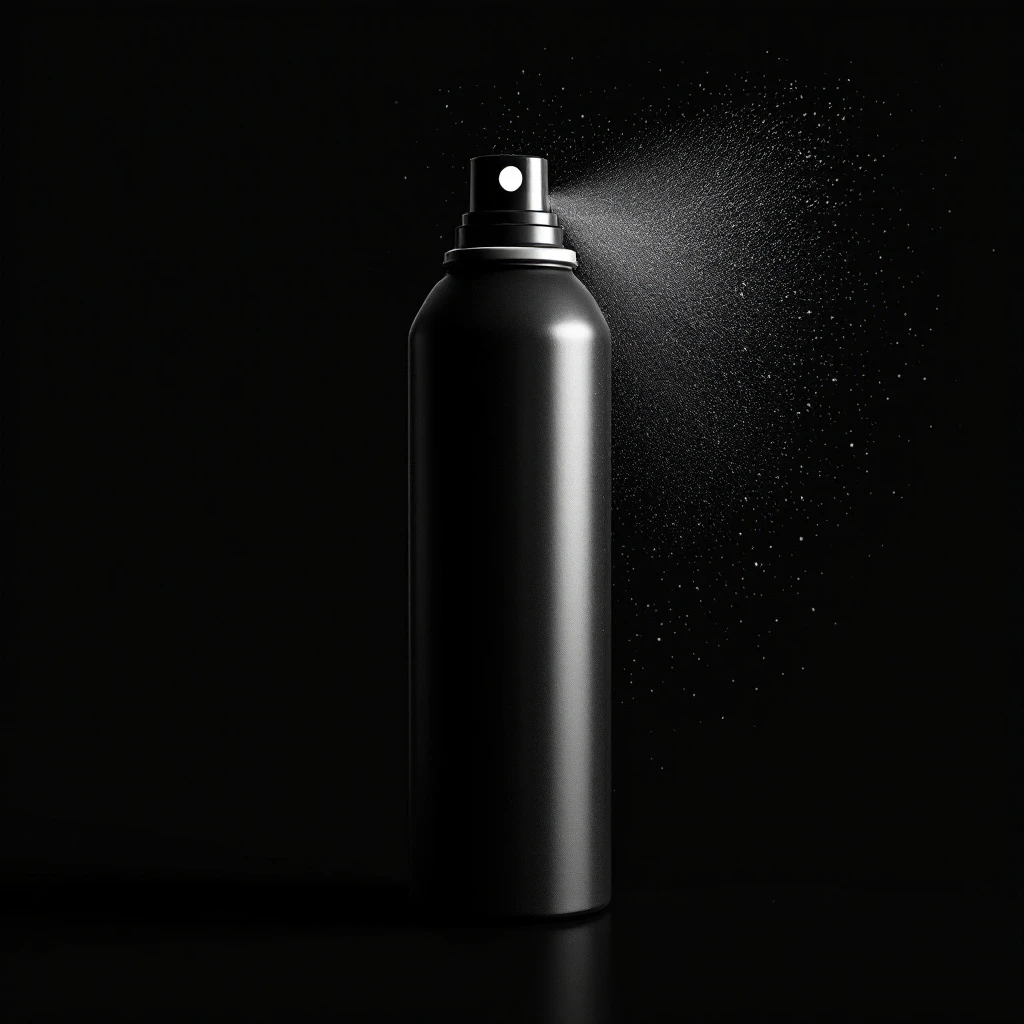
Hairspray accord captures the sharp, sweet, slightly metallic scent of aerosol styling products: a nostalgic blend of synthetic florals, citrus, and aldehydes suspended in alcohol mist.
Character
How it smells
Synthetic nostalgia in a pressurized can
The hairspray accord in perfumery is entirely synthetic, built from aroma chemicals like ethylhexyl methoxycinnamate-inspired musks and ozonic aldehydes that mimic the smell of propellant and polymer mist.


Origin
France
Synthetic accords like hairspray entered perfumery with the broader rise of aroma chemistry in the 20th century, when perfumers began translating everyday modern scents into wearable compositions. The development of synthetic musks, aldehydes, and ozonic molecules in the mid-1900s gave creators an entirely new vocabulary of clean, synthetic-smelling materials drawn from laboratories rather than fields. By the 1990s and 2000s, niche and indie perfumers started working with these molecules as cultural signifiers, building fragrances around the smell of mall hair salons, plastic, and freshly styled hair.
Demeter Fragrance Library, founded in 1996, played a notable role in popularizing literal concept scents, including a hairspray interpretation that introduced many wearers to the idea that synthetic, non-natural smells could be desirable perfume material. The note also marks a broader shift in perfumery: away from botanical realism and toward the embrace of manufactured scent culture as worthy subject matter.
Wears it best
Fragrances featuring Hairspray
Brands
Brands known for Hairspray
Good to know
Questions, answered
The essentials on Hairspray in perfumery: how it smells, where it comes from, and how it behaves on skin.
Is hairspray a natural fragrance ingredient?
No, the hairspray note is entirely synthetic. Perfumers construct it from laboratory-made aroma chemicals, typically ozonic aldehydes, citrus derivatives, and synthetic musks. It does not come from any plant or animal source, which is precisely what allows it to mimic the recognizable scent of aerosol styling products.
What does the hairspray note smell like?
The hairspray accord smells sharp, clean, and slightly sweet, with metallic and alcoholic edges from propellant-like aldehydes. A bright citrus twang sits at the top, while light musks and powdery floral synthetics create the soft, slightly plasticky drydown reminiscent of a freshly styled salon finish.
Who popularized the hairspray note in perfumery?
Demeter Fragrance Library, founded in 1996, helped popularize literal scent concepts including hairspray in the early 2000s. Their approach opened the door for other niche perfumers to treat everyday synthetic smells as legitimate artistic material rather than something to disguise.
Does the hairspray note contain real hairspray?
No. Fragrances containing the hairspray accord contain only the aroma chemicals that mimic hairspray's smell. They do not include actual hairspray ingredients like resins, propellants, or polymers. Real hairspray would be unsuitable and potentially unsafe in a fine fragrance formulation.
What type of fragrance uses the hairspray note?
The hairspray note appears mainly in niche, indie, and conceptual perfumery. It suits compositions exploring memory, nostalgia, suburban Americana, or gendered fragrance history. Mainstream designer houses rarely use it, though occasional 'clean hair' or 'salon' themed flankers touch on similar territory.
Is the hairspray note safe to wear on skin?
Yes, the aroma chemicals used to build the hairspray accord are standard cosmetic-grade materials approved for skin contact. They appear in many mainstream fragrances at low concentrations. As with any perfume, individual sensitivities vary, and a patch test is wise for reactive skin.
When did perfumers start using synthetic accords like hairspray?
Synthetic accords became viable in the mid-20th century as aroma chemistry matured, but hairspray specifically as a perfume concept emerged in niche perfumery in the late 1990s and early 2000s. The note belongs to a newer wave that treats human-made cultural scents as worthy of artistic capture.
Can you make a hairspray-style perfume at home?
You can approximate one by blending a clean aldehyde like C-12 MNA, a touch of a citrus synthetic such as limonene, and a light white musk like galaxolide in perfumer's alcohol. Results will differ from professional accords built on proprietary aromachemical blends, but the spirit is reproducible with basic materials.