Gustavia Flower
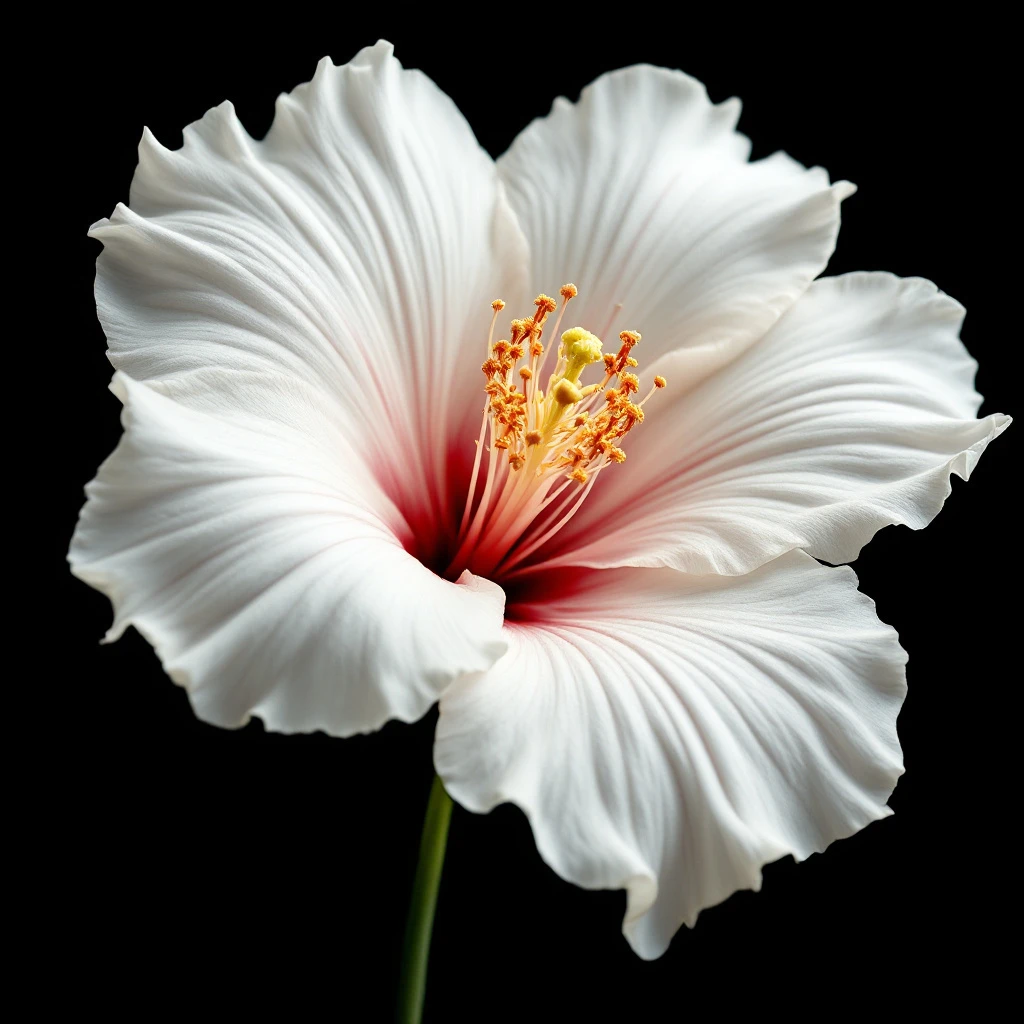
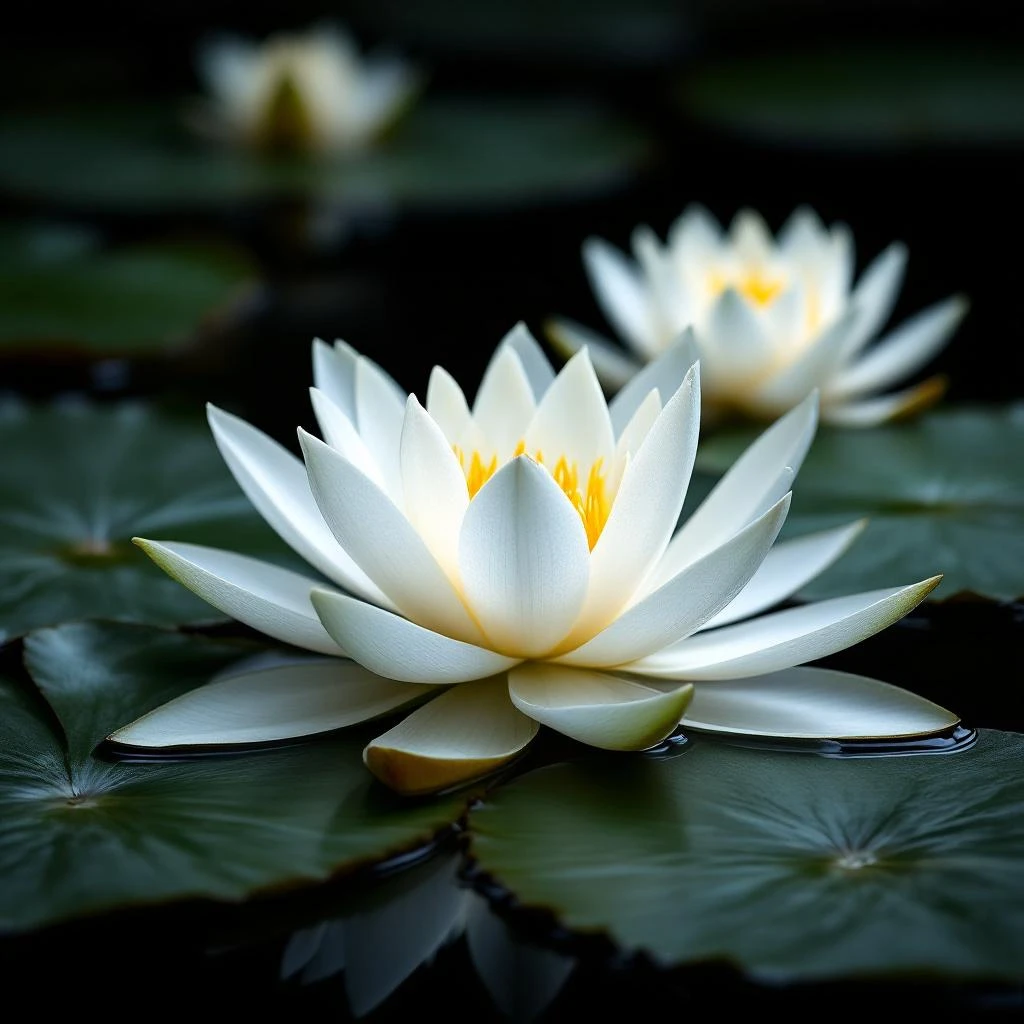
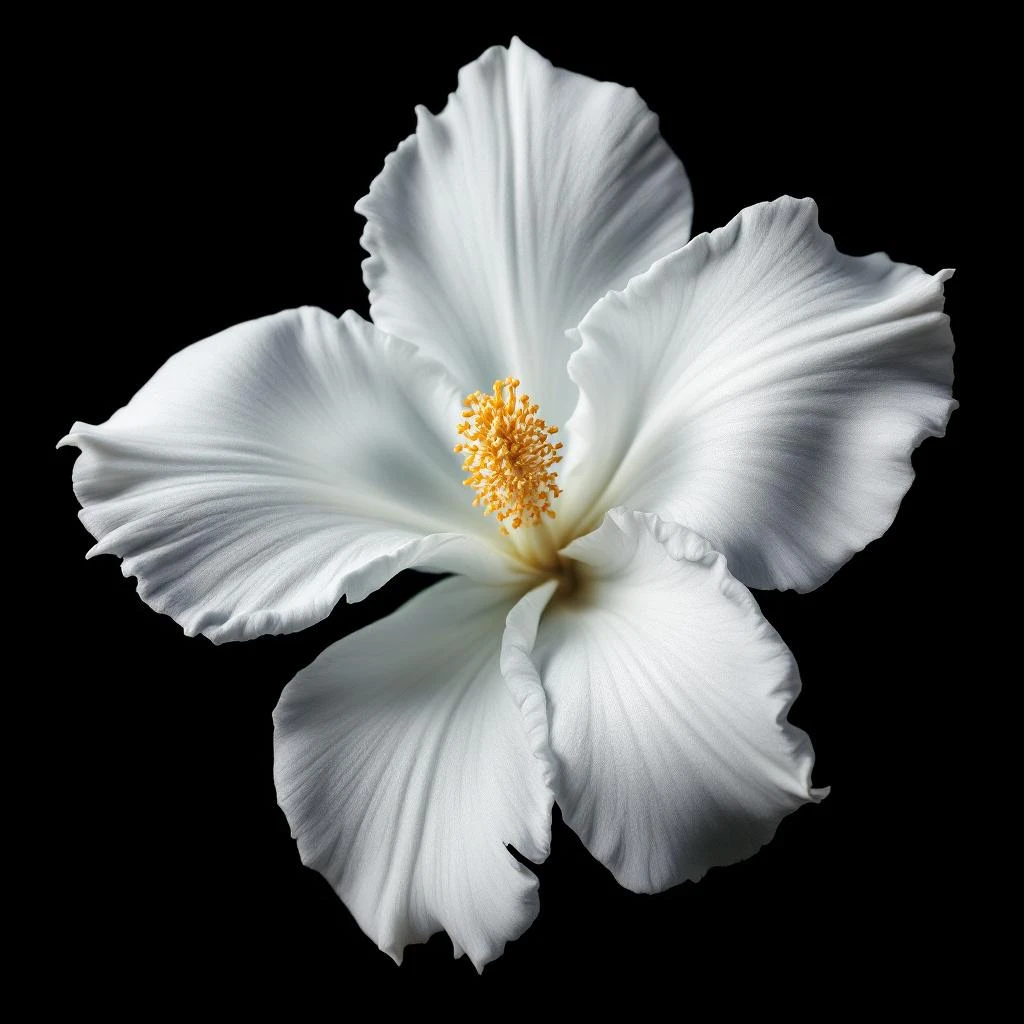
Gustavia Flower, derived from the tropical Gustavia superba tree native to the Amazon basin, produces large nocturnal blooms with a rich, exotic fragrance that has captivated perfumers seeking rare botanical ingredients.
Character
How it smells
Amazonian night-blooming treasure
Gustavia flowers open only at dusk, releasing their fragrance under the cover of darkness to attract bat pollinators deep in the rainforest.

Origin
Brazil
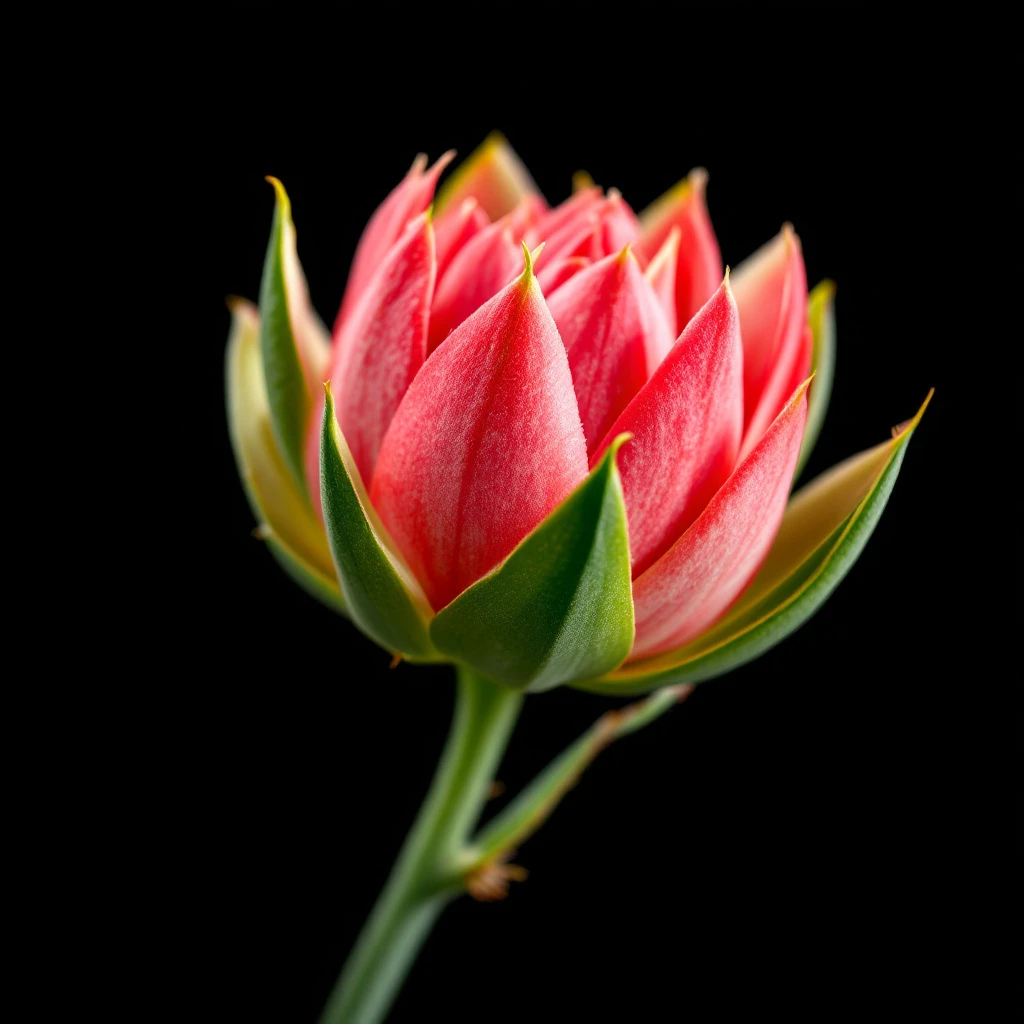
The genus Gustavia honors King Gustav III of Sweden, who reigned during the late 18th century when botanical exploration of the Americas accelerated dramatically. Indigenous communities throughout the Amazon basin have long recognized the medicinal and aromatic properties of Gustavia superba, using the flowers in traditional preparations and ceremonial contexts. European naturalists documented the species during colonial-era expeditions, noting its spectacular nocturnal blooming behavior.
While the flower never achieved the commercial prominence of roses or jasmines in classical perfumery, it has emerged as a sought-after material among artisan perfumers creating tropical-inspired compositions and rare botanical fragrances. The plant's conservation status in parts of its range has prompted growing interest in sustainable wildcrafting practices.
Wears it best
Fragrances featuring Gustavia Flower
Good to know
Questions, answered
The essentials on Gustavia Flower in perfumery: how it smells, where it comes from, and how it behaves on skin.
What does Gustavia Flower smell like?
Gustavia Flower delivers a lush tropical fragrance with creamy white floral notes, subtle hints of gardenia and ylang-ylang, and a warm, nocturnal character that evokes rainforest nights.
Is Gustavia Flower commonly used in commercial perfumes?
No. Gustavia Flower remains extremely rare in commercial perfumery due to limited natural availability and the difficulty of sustainable extraction from wild populations.
Where does Gustavia Flower come from?
Gustavia superba grows throughout the Amazon basin, with primary populations in Brazil, Peru, Colombia, and neighboring tropical regions of South America.
Why is Gustavia Flower so expensive?
The night-blooming flowers open only briefly after dark, requiring harvest workers to collect them during narrow time windows in remote rainforest locations, driving up production costs significantly.
Can Gustavia Flower be synthetically reproduced?
No synthetic equivalent exists currently. The complex aromatic profile of Gustavia, including its nocturnal volatile compounds, has not been successfully replicated through aroma chemistry.
How is Gustavia Flower harvested?
Harvesters collect flowers by hand during the brief dusk-to-dawn blooming period, working quickly to process the delicate petals before their aromatic compounds degrade.
What extraction method preserves Gustavia Flower's scent best?
Solvent extraction captures the flower's full aromatic profile most effectively, though enfleurage produces exceptional quality at considerably higher cost.
Is Gustavia Flower sustainable to use?
Sustainability varies by source. Ethical wildcrafting practices and reforestation efforts in Brazil and Peru support responsible harvesting, but buyers should verify supply chain provenance.





