Watermelon Blossom
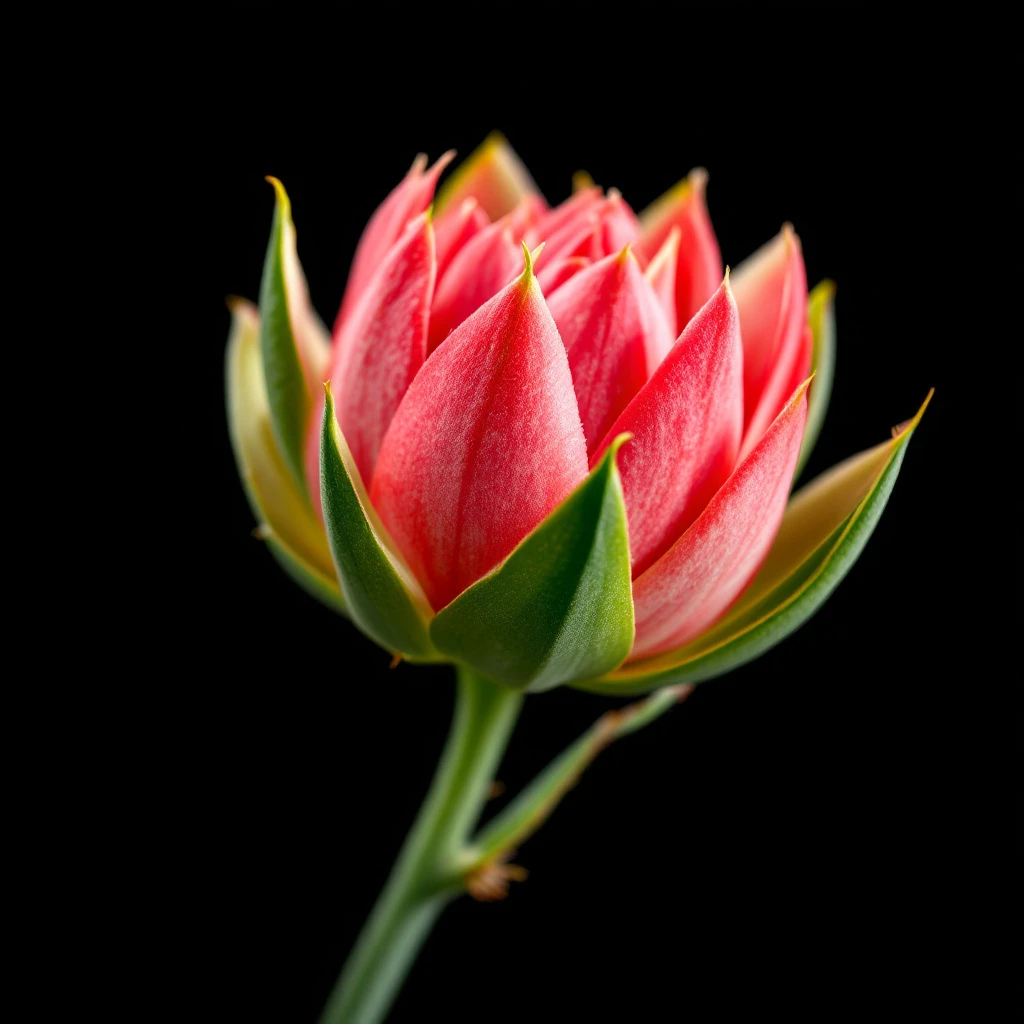
Watermelon Blossom captures the delicate, dewy sweetness of the watermelon flower before it transforms into fruit. This synthetic accord recreates the blossom's subtle aromatic profile, blending fresh green notes with a gentle melon sweetness that feels like a morning breeze over a watermelon patch.
Character
How it smells
The dewy heart of summer, captured.
A watermelon is over 92% water. That extreme hydrational content makes natural extraction impossible, so this note is always laboratory-made.


Origin
South Africa
Watermelons originated in southern Africa, where they have been cultivated for over 4,000 years. Ancient Egyptians grew them as a source of hydration during the Nile's dry season, and the fruit spread along trade routes to the Mediterranean and Middle East by the 10th century.
The watermelon blossom itself received little attention in traditional perfumery, since the aromatic compounds could not be extracted from a fruit composed mostly of water. It was only in the 20th century, as synthetic fragrance chemistry advanced, that the delicate floral character of the blossom became a distinct perfumery material.
Watermelon blossom first appeared in commercial fragrances as part of the fruity-floral movement that expanded perfumery's palette beyond natural extracts. Today it features in summer fragrances, gender-neutral scents, and fresh lifestyle products where its clean, dewy character adds an immediate sense of warmth and renewal.
Wears it best
Fragrances featuring Watermelon Blossom
Brands
Brands known for Watermelon Blossom
Good to know
Questions, answered
The essentials on Watermelon Blossom in perfumery: how it smells, where it comes from, and how it behaves on skin.
Is Watermelon Blossom a natural or synthetic ingredient?
Watermelon Blossom is always synthetic. A watermelon contains over 92% water with no significant volatile oil content, making natural extraction impossible. Modern perfumers recreate this aromatic profile in the laboratory using structurally synthesized aroma chemicals that mirror the blossom's fresh, green, and subtly sweet character.
How does Watermelon Blossom differ from actual watermelon in scent?
Watermelon Blossom smells like the flower before the fruit develops: gentle, dewy, and green with a faint melon sweetness. The actual fruit delivers bold juiciness and sweetness. The blossom captures the plant's fresh, aquatic quality rather than the sweet succulence of the ripe fruit.
Can you extract fragrance from a watermelon?
No. Watermelon's 92% water content and lack of volatile oils mean it yields nothing through steam distillation, solvent extraction, or cold pressing. Perfumers use modern analytical chemistry to identify the blossom's key odor compounds and synthesize them directly.
What does Watermelon Blossom smell like?
The blossom carries a subtle, slightly sweet floral scent with green undertones and a clean, aquatic freshness. It is more delicate than the fruit, evoking dewy morning air over a watermelon patch. The note reads as fresh, clean, and softly sweet rather than heavy or tropical.
Where does watermelon originate from?
Watermelon was first cultivated in southern Africa over 4,000 years ago. It spread via Arab trade routes to the Mediterranean and Middle East, and eventually reached Europe and Asia. The watermelon blossom as a distinct fragrance ingredient emerged in the 20th century once synthetic chemistry made its delicate character reproducible.
When did watermelon-scented fragrances first appear?
Watermelon blossom as a fragrance note gained popularity in the 1960s and 1970s as fruity-floral perfumery expanded beyond natural extracts. The note was particularly embraced in fresh summer fragrances and has since appeared in iconic gender-neutral and lifestyle scents.
What ingredients pair well with Watermelon Blossom?
Watermelon Blossom harmonizes with fresh green notes like cucumber, mint, and crushed leaves. It pairs naturally with aquatic and marine accords, as well as light white florals such as jasmine, lily of the valley, and honeysuckle. White musks and sheer woody bases round out its clean character.
Is Watermelon Blossom regulated or restricted by IFRA?
Watermelon Blossom as a synthetically reproduced aromatic material does not carry a specific IFRA category. Individual fragrance formulas containing this note must comply with IFRA standards for the specific synthetic molecules used in their composition. Brands self-certify compliance for each finished product.