Guava Ice Cream
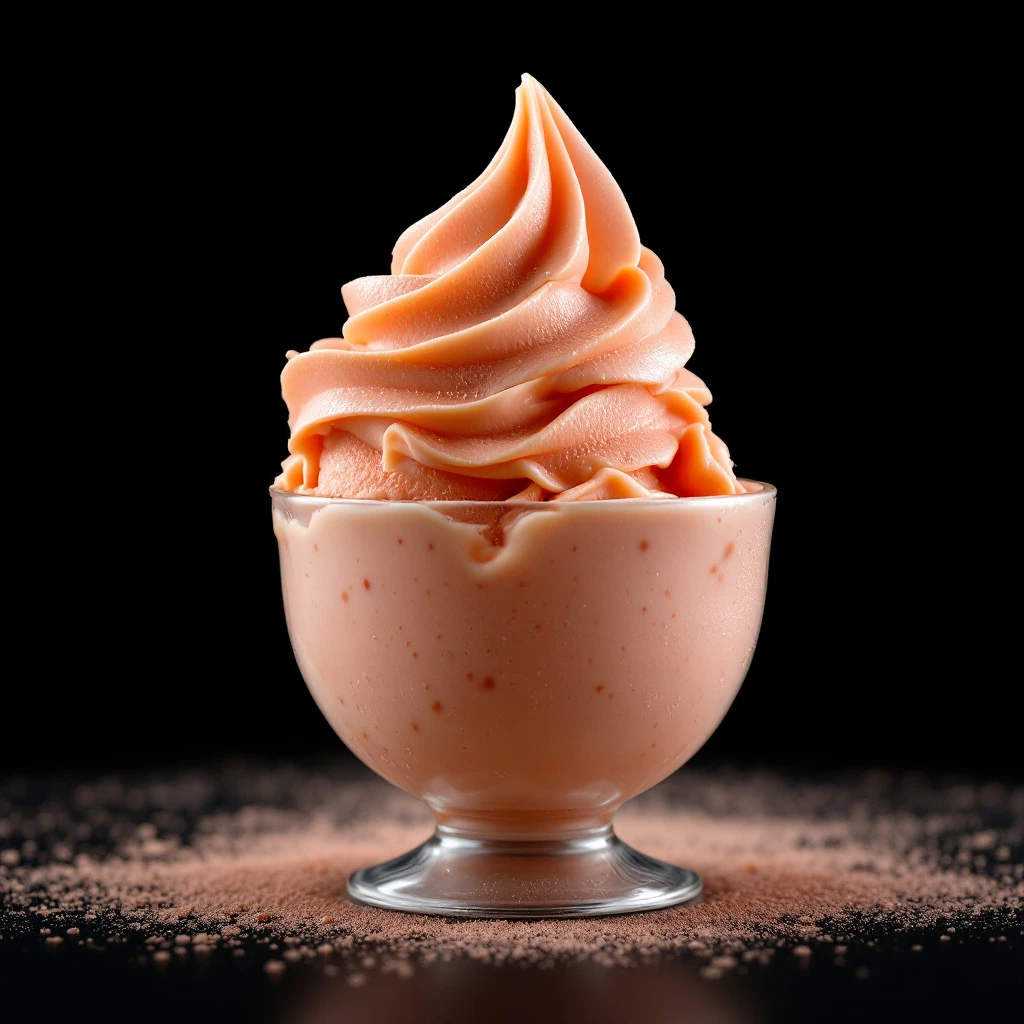
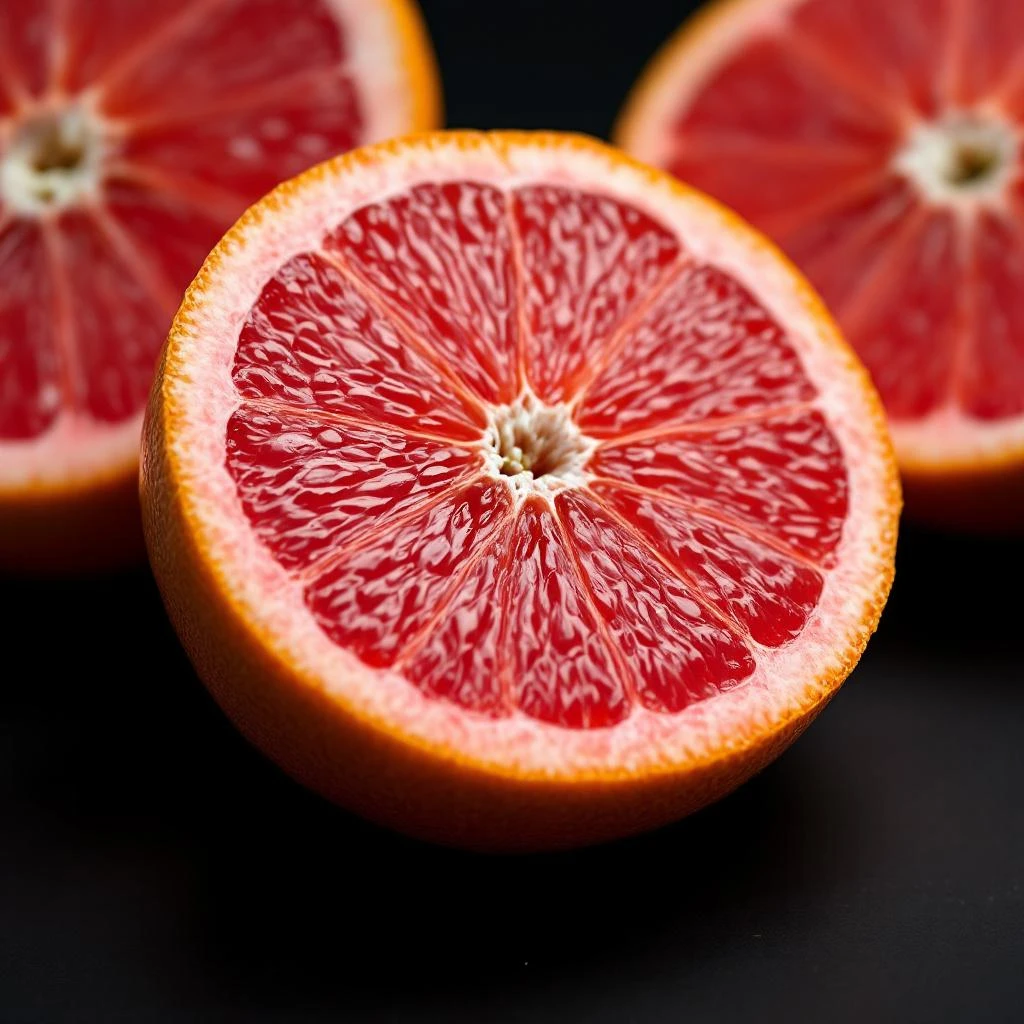
A sun-drenched tropical fruit accord softened by cold dairy cream. Guava Ice Cream captures the sensation of frozen guava nectar, built from aromatic chemicals that reproduce the fruit's signature character alongside milky, frozen textures.
Character
How it smells
Tropical cold: guava frozen in cream.
The same aromatic compound that gives guava its scent (methyl benzoate) also occurs naturally in jasmine flowers, connecting fruit and floral perfumery in one molecule.





Origin
Mexico
Guava (Psidium guajava) has grown wild in Mexico and Central America for thousands of years, where ancient civilizations valued both its fruit and medicinal properties. However, guava only entered Western perfumery after synthetic chemistry advanced in the twentieth century. Before the 1950s, replicating tropical fruits in fragrance required complex natural extraction methods that often failed to capture the delicate aroma.
The development of aroma chemistry gave perfumers access to individual fruity ester molecules. This technological breakthrough enabled the construction of guava-inspired accords. The ice cream variation emerged later, as modern perfumers began creating experiential, food-inspired fragrances in the 1990s and 2000s.
Today, guava ice cream appears in countless tropical and gourmand compositions, bringing an ancient Mesoamerican fruit into contemporary fragrance vocabulary.
Wears it best
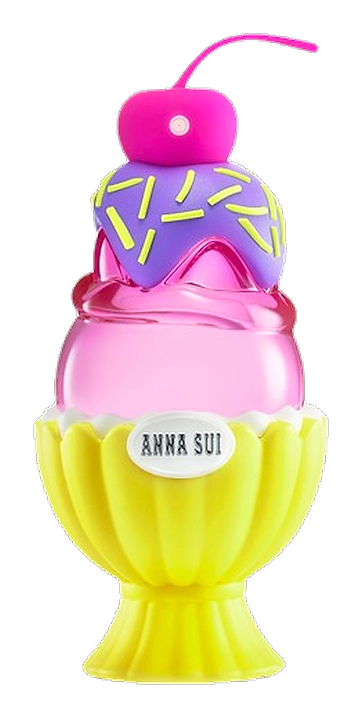
Fragrances featuring Guava Ice Cream
Brands
Brands known for Guava Ice Cream
Good to know
Questions, answered
The essentials on Guava Ice Cream in perfumery: how it smells, where it comes from, and how it behaves on skin.
What is Guava Ice Cream in perfumery?
Guava Ice Cream is a synthetic aromatic accord. Perfumers build it from multiple chemical compounds, including lactones for creamy texture and esters for tropical fruit character, combined with cooling agents to simulate the frozen dessert experience.
How do perfumers create the ice cream effect?
They add menthol derivatives such as menthyl lactate or synthetic cooling agents like WS-3. These compounds trigger the skin's cold receptors, creating a perceptual cooling sensation without actual temperature reduction.
When did guava notes first appear in perfumes?
Tropical fruit accords became common in Western perfumery after the 1950s, when synthetic ester chemistry advanced. The specific guava ice cream construction emerged more recently, in the late 1990s and 2000s.
What aroma chemicals compose this accord?
Perfumers typically combine gamma-decalactone (creamy, coconut) with fruity esters like isoamyl acetate (banana-pineapple), ethyl acetate, and various tropical esters to establish guava character, balanced with citrus elements for brightness.
Does natural guava extract exist in perfumery?
Natural guava absolute exists but is rarely used due to cost and intensity. Most guava notes in modern fragrances are synthetic constructions, which offer better consistency and allow perfumers to fine-tune the specific character they want.
What fragrances typically feature this note?
Guava Ice Cream appears in tropical, fresh, and gourmand fragrances across brands ranging from niche to mainstream. You will find it in summer collections, beach-inspired lines, and contemporary gender-neutral fragrances.
Can I combine this note with other ingredients?
Guava Ice Cream pairs well with coconut, vanilla, passionfruit, mango, and other tropical fruits. It also works alongside aquatic notes, white musks, and light florals like frangipani and gardenia.
Is Guava Ice Cream suitable for warm climates?
Yes. The bright tropical character and cooling sensation make this note particularly effective in hot weather fragrances. Many tropical and summer perfumes feature it for its refreshing, energizing effect.