Green Tuberose
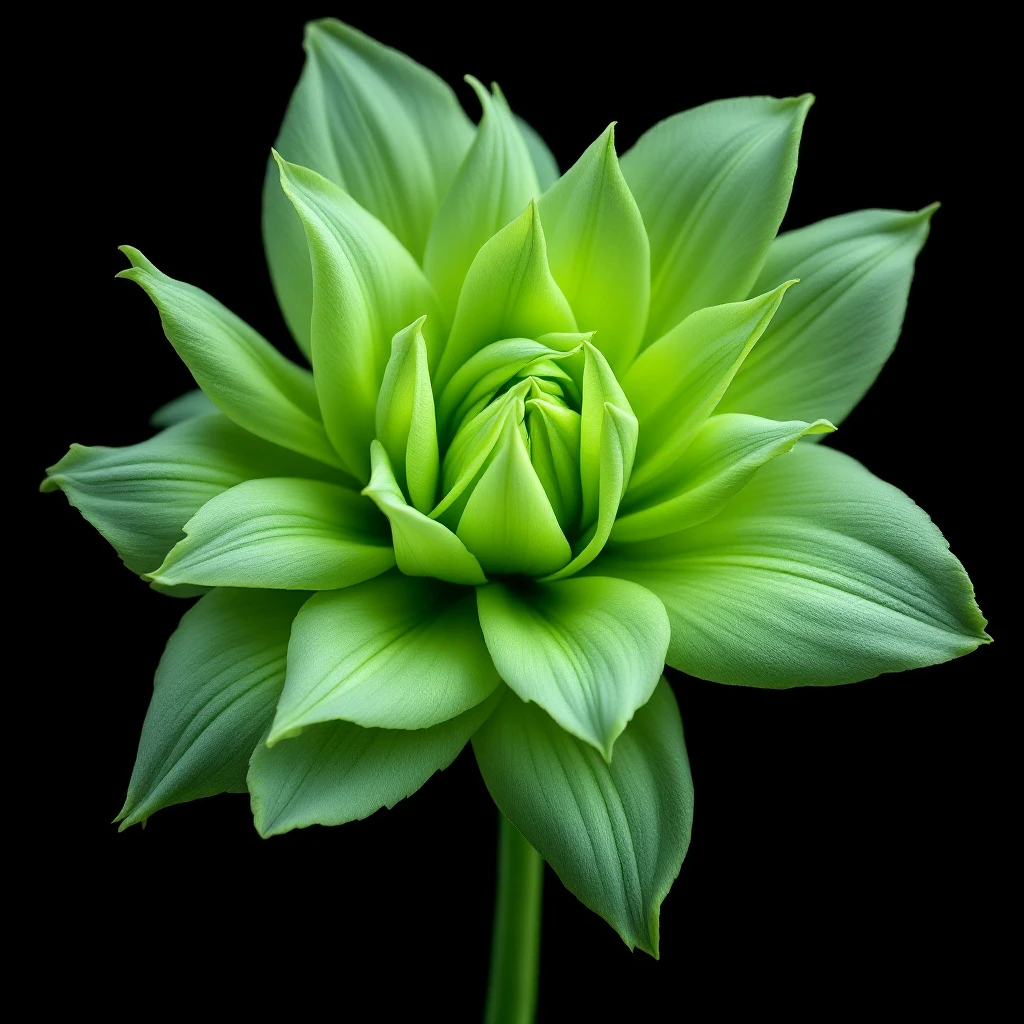
Green tuberose captures the flower at its most alive: creamy, indolic richness balanced against fresh-cut stem and dewy leaf. Its lactonic warmth and waxy floral depth make it one of perfumery's most complex naturals, simultaneously sweet, narcotic, and startlingly green.
Character
How it smells
Creamy warmth meets fresh-cut green: the contradiction that defines it.
Tuberose blooms only at night. Harvesters work under moonlight to capture flowers at peak fragrance, before dawn resets the cycle.






Origin
Mexico
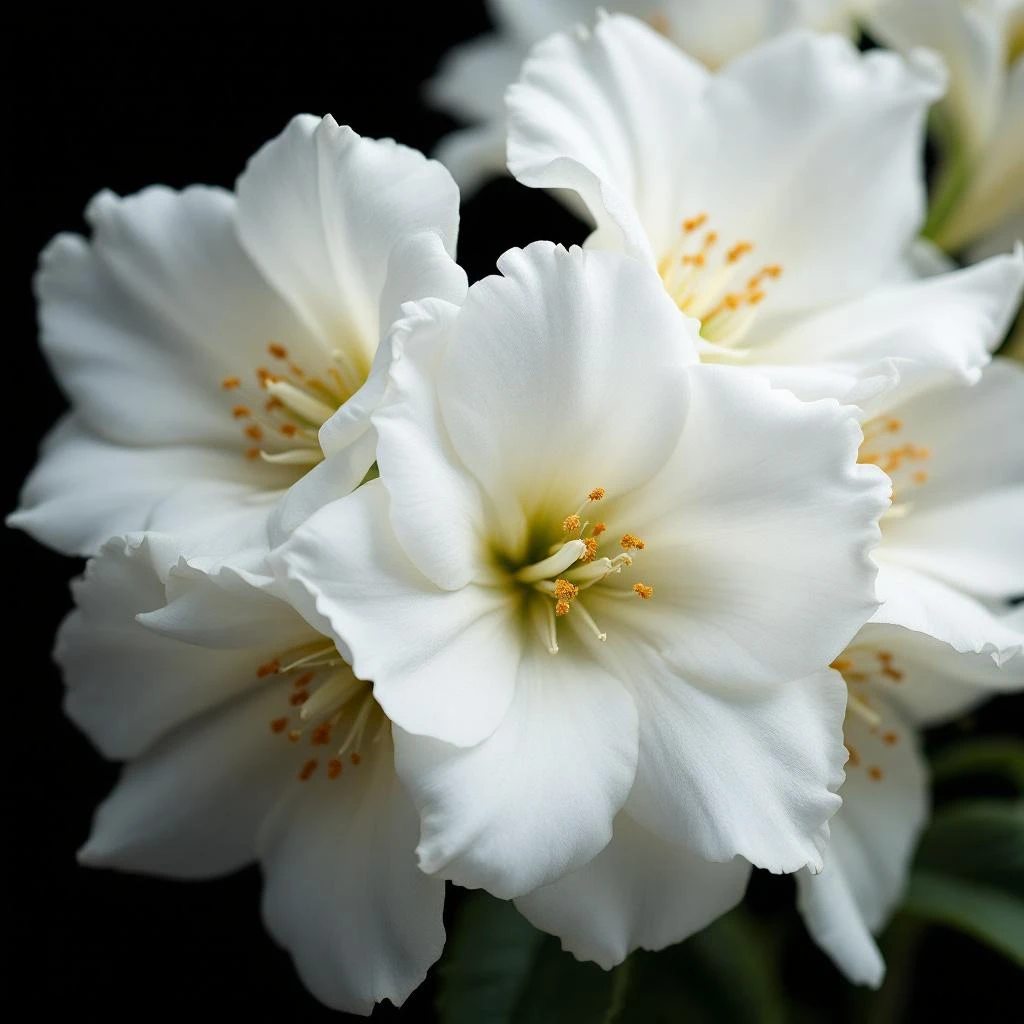
Tuberose traces its roots to Mexico, where the Aztecs cultivated it for ceremonial use and even perfumed chocolate with its petals. Spanish colonizers brought the bulbs to the Philippines and East Indies in the late 1500s; records from 1594 mention Simon de Tovar's role in this early global trade. By the 17th century, bulbs reached Grasse, France, where Grasse's perfumers began exploiting the flower's extraordinary fragrance on an industrial scale.
The ingredient remained a European luxury until cultivation expanded to India, where Tamil Nadu's climate and soil now produce some of the world's most aromatic specimens. Despite centuries of cultivation elsewhere, Mexico's tuberose populations retain genetic traits that make their flowers particularly potent.
Wears it best
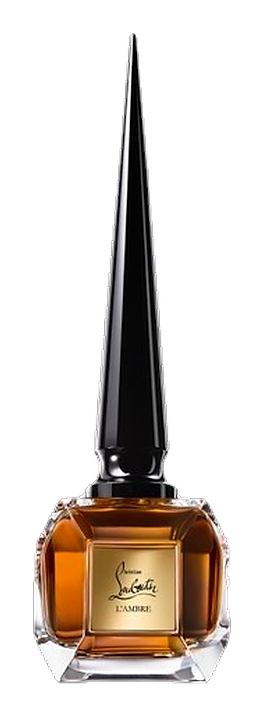
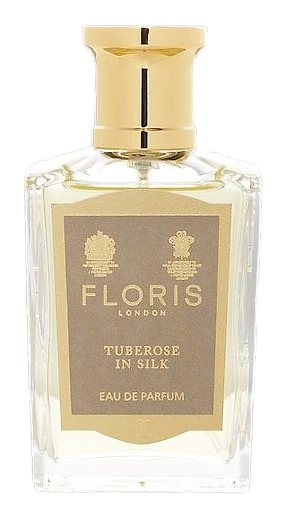
Fragrances featuring Green Tuberose
Brands
Brands known for Green Tuberose
Good to know
Questions, answered
The essentials on Green Tuberose in perfumery: how it smells, where it comes from, and how it behaves on skin.
What does green tuberose smell like?
Green tuberose smells creamy and narcotic with intense floral warmth, but also carries fresh, vegetal cut-stem notes and a waxy, almost honeyed sweetness. Only about 10% of India's tuberose enters the perfume industry due to its concentrated fragrance.
Is green tuberose natural or synthetic?
Natural green tuberose absolute comes from solvent-extracted flowers. Synthetic versions replicate individual molecules like tuberone, but lack the full complexity of the natural material. Most premium fragrances use both in combination.
Why does tuberose bloom at night?
Tuberose evolved nocturnal blooming to attract pollinators like hawk moths. Night opening concentrates scent molecules, which is why harvests happen after dark. This timing also preserves the delicate aromatic compounds from daytime heat.
Where does the best tuberose grow?
Mexico produces tuberose with the most potent genetic fragrance profile, but India, particularly Tamil Nadu, dominates commercial production. Tamil Nadu's climate creates flowers with exceptional aromatic intensity, making it the primary source for perfume houses.
Why is tuberose so expensive in perfumery?
Tuberose yields a remarkably small amount of absolute per flower—roughly one ton of blooms produces only a few kilograms of absolute. Combined with night-harvesting labor costs and the fact most flowers go to religious garlands, perfume-grade material commands premium prices.
What notes pair well with green tuberose?
Green tuberose combines naturally with other white florals like jasmine and gardenia. Its green facets complement vetiver and galbanum, while its creaminess pairs with sandalwood and vanilla. Citrus top notes sharpen its fresh aspects.
Is green tuberose safe for skin application?
Tuberose absolute is IFRA-compliant for skin use in fragrance concentrations. However, its strong indolic compounds can cause sensitivity in some individuals. It is considered safe in leave-on products at approved dilution levels.
How does green tuberose differ from regular tuberose?
Green tuberose describes the variety or extraction that emphasizes the ingredient's fresh, vegetal facets—cut stems, dewy leaves, waxy florals—over its sweeter, more indolic characteristics. The difference comes from flower variety, harvest timing, and extraction approach.



