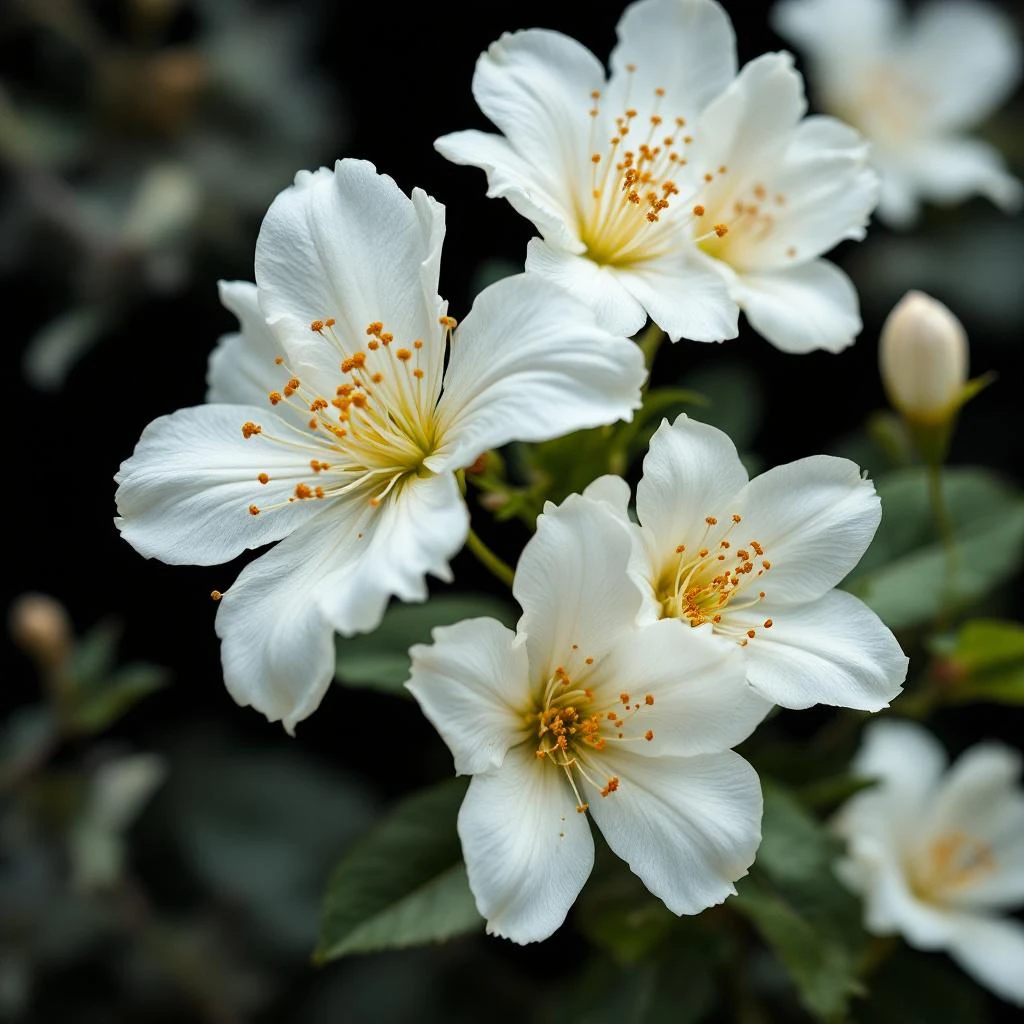
Green Freesia
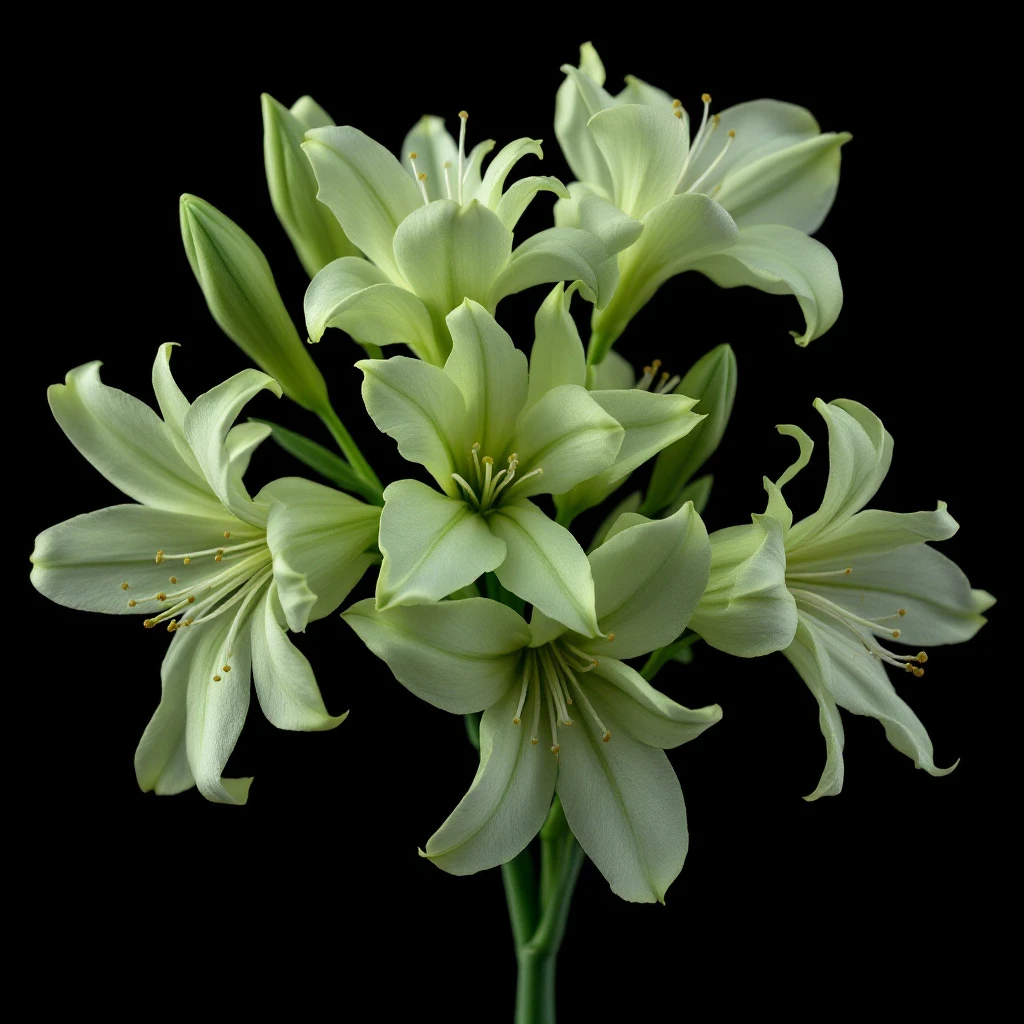
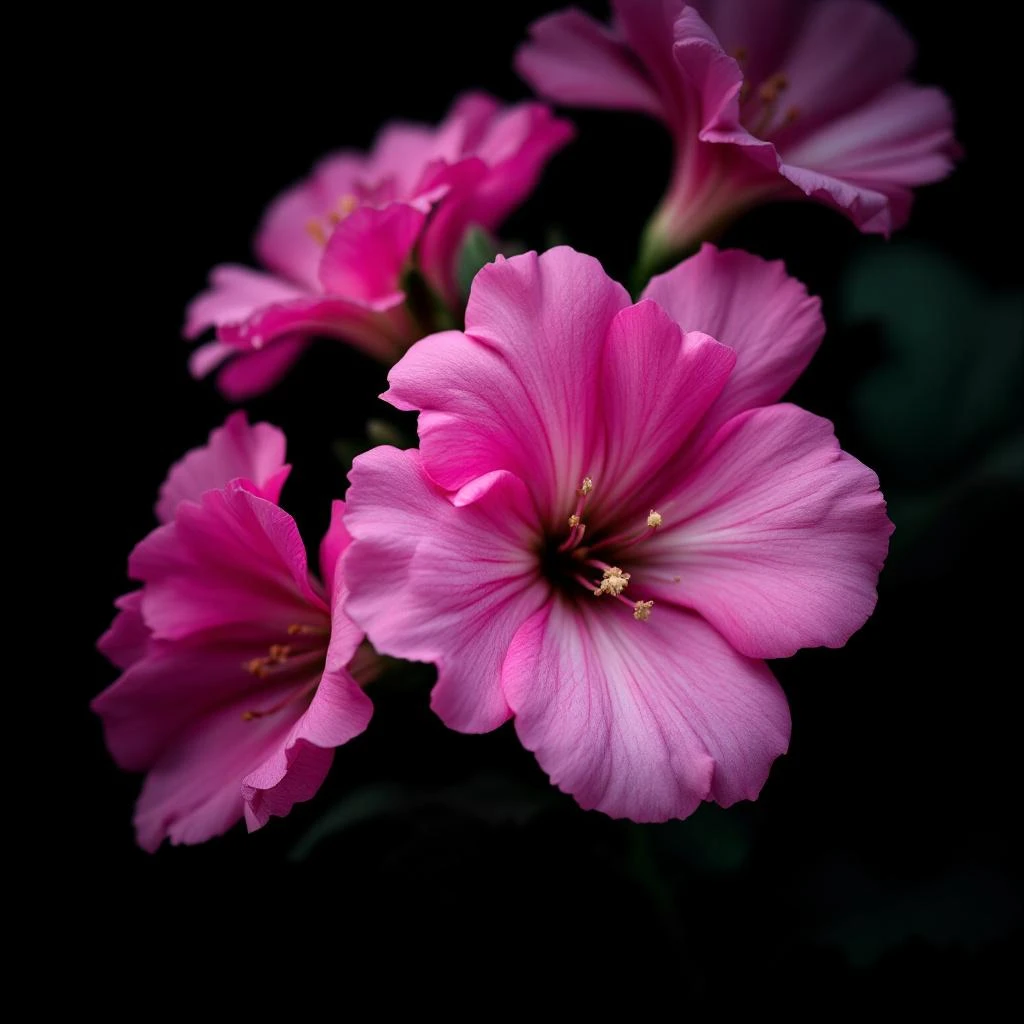
Green Freesia captures the crisp, dewy character of freesia blossoms with a fresh, sweet profile accented by citrus-like green nuances—a modern perfumery interpretation of a flower too delicate to extract naturally.
Character
How it smells
Fresh, sweet blooms with a crisp green edge.
Freesias honor German botanist Friedrich Freese. The flower's fragrance proved too subtle for traditional extraction, keeping it out of perfumery until synthetic chemistry matured.


Origin
Germany (nomenclature) / South Africa (natural origin)
Freesias take their name from Friedrich Heinrich Theodor Freese, a German physician and plant collector from Kiel who lived from 1795 to 1876. The botanical genus was named in his honor during the 1860s. Native to South Africa, these elegant flowers have long been prized in gardens across Europe and North America.
Despite their popularity in floral arrangements, freesia's fragrance proved too delicate for traditional extraction methods. The flower contains aromatic compounds that dissipate quickly and exist in quantities too small for practical harvesting. It was only with the maturation of synthetic fragrance chemistry in the late 19th century that perfumers could recreate the fresh, green-citrus character of freesia for use in compositions.
Today, Green Freesia represents a sophisticated blend of aromatic molecules designed to capture the essential character of this beloved flower.
Wears it best
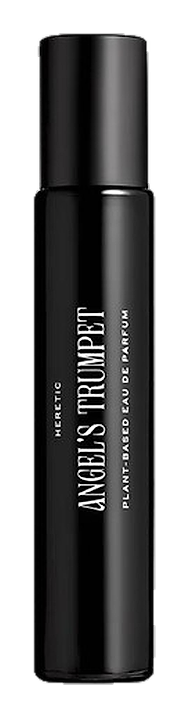
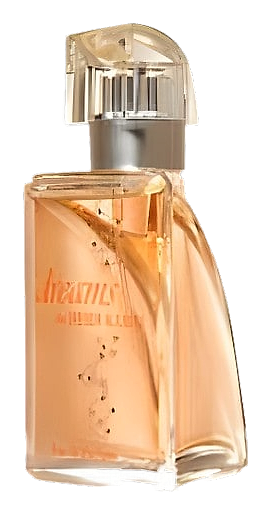
Fragrances featuring Green Freesia
Brands
Brands known for Green Freesia
Good to know
Questions, answered
The essentials on Green Freesia in perfumery: how it smells, where it comes from, and how it behaves on skin.
Is Green Freesia a natural or synthetic ingredient?
Green Freesia is synthetic. The natural flower's fragrance cannot be extracted commercially due to extremely low aromatic yield, so perfumers reproduce the scent using carefully blended aromatic compounds.
What does Green Freesia smell like?
Green Freesia smells fresh and sweet with crisp green nuances and subtle fruity undertones. It functions as a heart note, bringing brightness and a dewy floral quality to fragrance compositions.
What fragrance family does Green Freesia belong to?
Green Freesia belongs to the floral family with green undertones. As a heart note, it bridges lighter top notes and richer base elements, adding freshness without heaviness.
How do perfumers create the Green Freesia note?
Perfumers combine specific aromatic molecules—floral aldehydes and green alcohols—to reproduce the natural flower's scent profile. This synthetic approach ensures consistent quality across production batches.
Which perfumes feature Green Freesia?
Green Freesia appears in modern fragrances across many brands, particularly in women's and unisex compositions that emphasize fresh, green-floral character.
When was Green Freesia first used in perfumery?
Freesia was introduced to perfumery once synthetic aroma chemistry developed in the late 19th century. Natural extraction proved impractical, so the note became accessible only through synthetic reproduction.
What fragrance notes pair well with Green Freesia?
Green Freesia pairs well with citrus, white musk, peony, and other green florals. It adds brightness to woody bases and harmonizes with aquatic or ozonic notes.
Is Green Freesia used in men's fragrances?
Yes, Green Freesia appears in men's fragrances where its fresh, crisp character adds lift to woody or aromatic compositions. Its versatility has expanded its use beyond traditional women's perfumery.