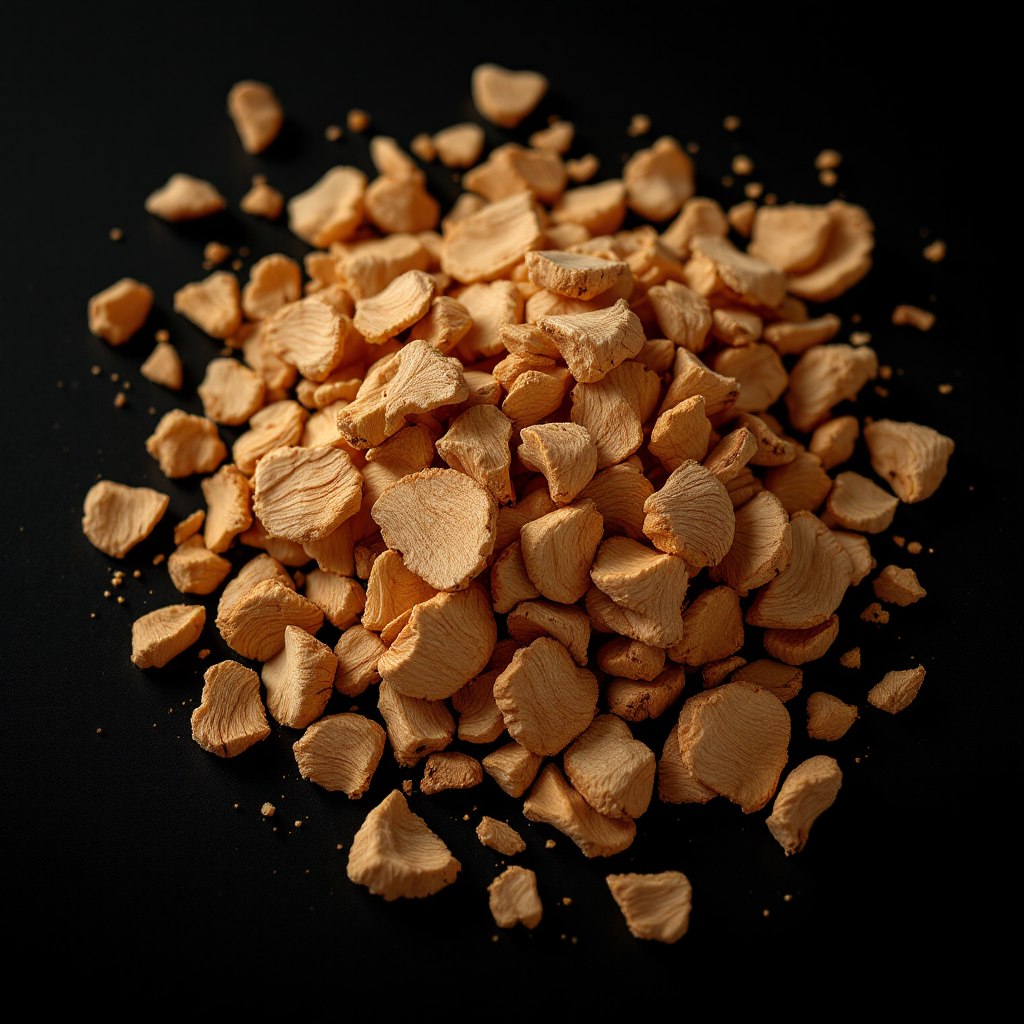
Greek Cypriol
A resinous, earthy base note with ancient Mediterranean roots. Greek Cypriol carries the warmth of sun-baked soils and the depth of sacred temple traditions, connecting modern perfumery to Bronze Age craftsmanship.
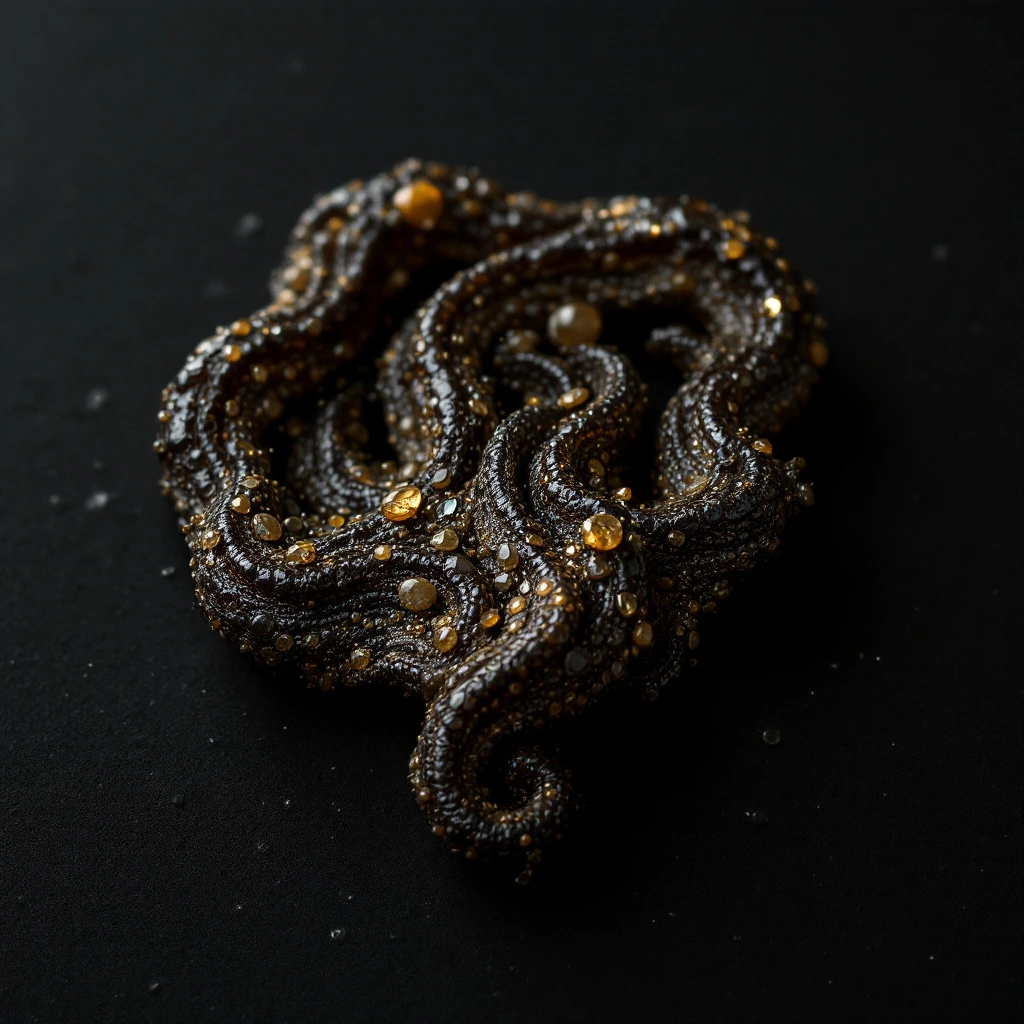
Character
How it smells
Earth and antiquity bottled.
The name Cypriol derives from Cyprus, home to the world's oldest discovered perfume factory dating to 2000 BCE.
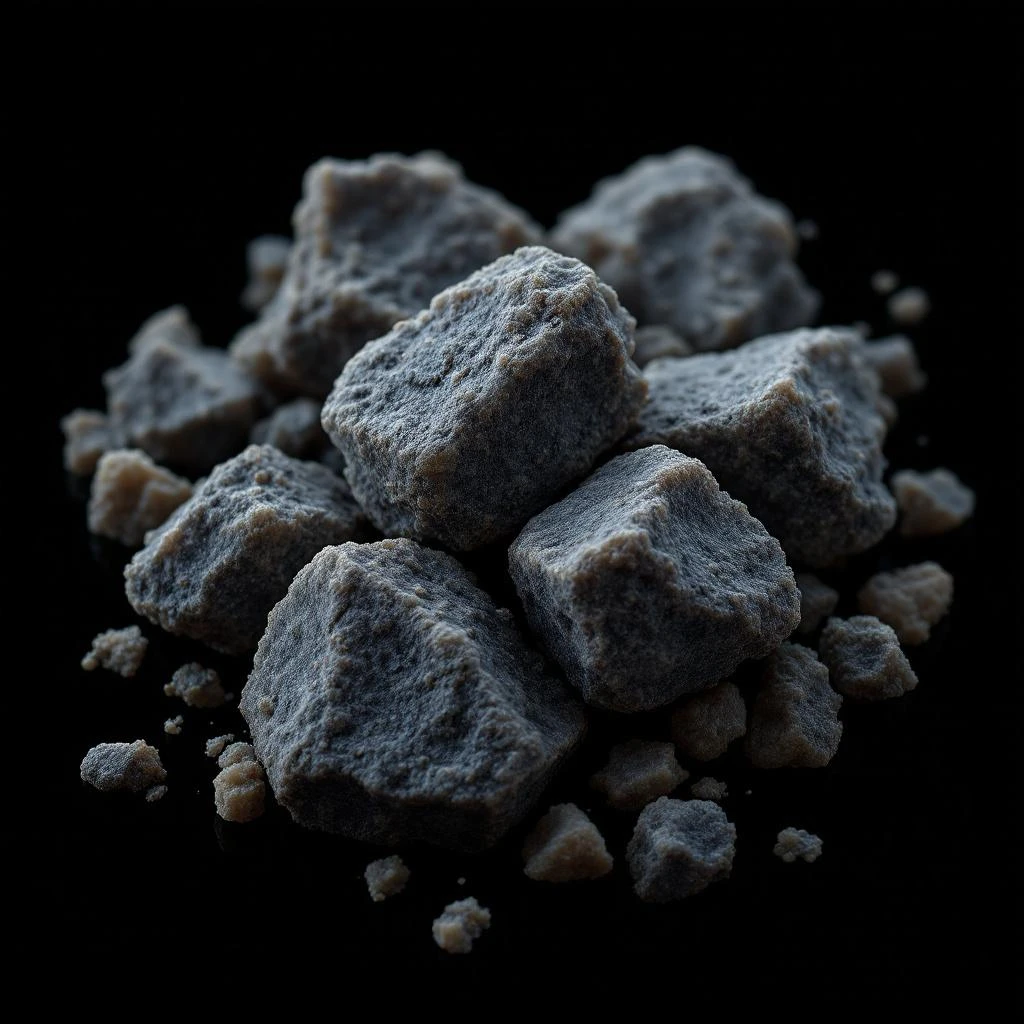
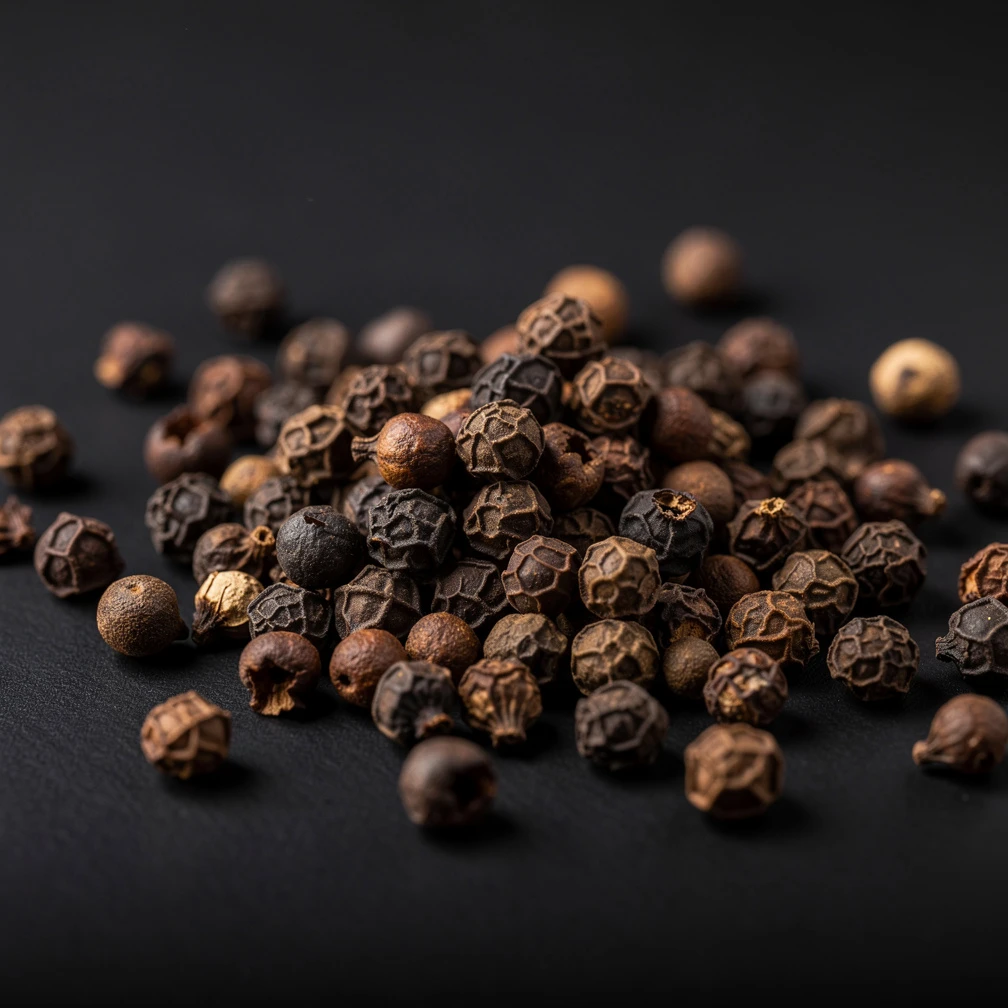





Origin
India
The name itself carries historical weight. Cypriol takes its prefix from Cyprus, where archaeologists uncovered the world's earliest perfume workshop near Pyrgos, dating to approximately 2000 BCE. Pliny the Elder documented Greek perfume production techniques in his Naturalis Historia, noting the sophisticated methods developed by Aegean craftsmen.
Ancient Greek perfumers, working during the Late Bronze Age at sites like Pylos, crafted scented oils for religious ceremonies and elite use, importing raw materials from Egypt while developing local traditions. The Greek connection to cypriol reflects this broader Mediterranean exchange network, where aromatic materials traveled across cultures and centuries, eventually becoming a cornerstone of modern perfumery's base note palette.
Wears it best
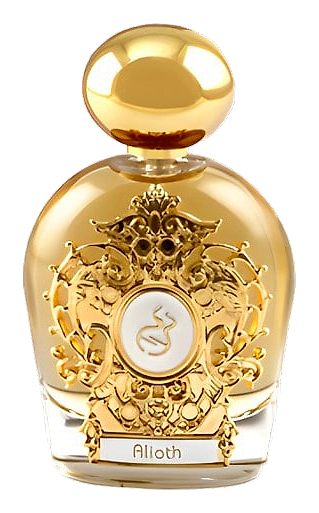
Fragrances featuring Greek Cypriol
Brands
Brands known for Greek Cypriol
Good to know
Questions, answered
The essentials on Greek Cypriol in perfumery: how it smells, where it comes from, and how it behaves on skin.
What does Greek Cypriol smell like?
Greek Cypriol offers a deep, earthy aroma with smoky undertones, leather-like warmth, and subtle woody dry-down. Its rich, resinous character makes it exceptional as a fixative that grounds lighter notes.
Where does Cypriol originate?
Cyperus scariosus grows natively across South Asia, particularly India, where it thrives in wetland soils and humid climates. The Greek designation reflects Mediterranean perfumery heritage.
Is Cypriol used in high-end perfumery?
Yes, Cypriol features prominently in luxury and niche fragrances. Its fixative strength and complex scent profile make it prized for woody, oriental, and chypre compositions.
How does Greek Cypriol differ from regular Cypriol?
Greek Cypriol specifically references the ingredient's Mediterranean perfumery heritage. The botanical material remains identical; the distinction emphasizes historical connections to ancient Greek fragrance traditions.
What fragrance families use Cypriol?
Cypriol appears most often in woody, oriental, and chypre fragrances. It works exceptionally well in base note positions, providing longevity and depth to complex compositions.
Is Cypriol a natural or synthetic ingredient?
Cypriol is entirely natural, extracted from the dried rhizomes of Cyperus scariosus through steam distillation. No synthetic alternatives replicate its full aromatic complexity.
What compounds give Cypriol its characteristic scent?
Key aromatic compounds include cyperene, rotundene, and various sesquiterpenes. These create Cypriol's distinctive smoky, leathery, and earthy profile with notable fixative properties.
How long has Cypriol been used in perfumery?
While the earliest perfume factory dates to 2000 BCE, Cypriol became established in perfumery over centuries through trade connections between South Asia and Mediterranean civilizations, including ancient Greece.