German Orris Root
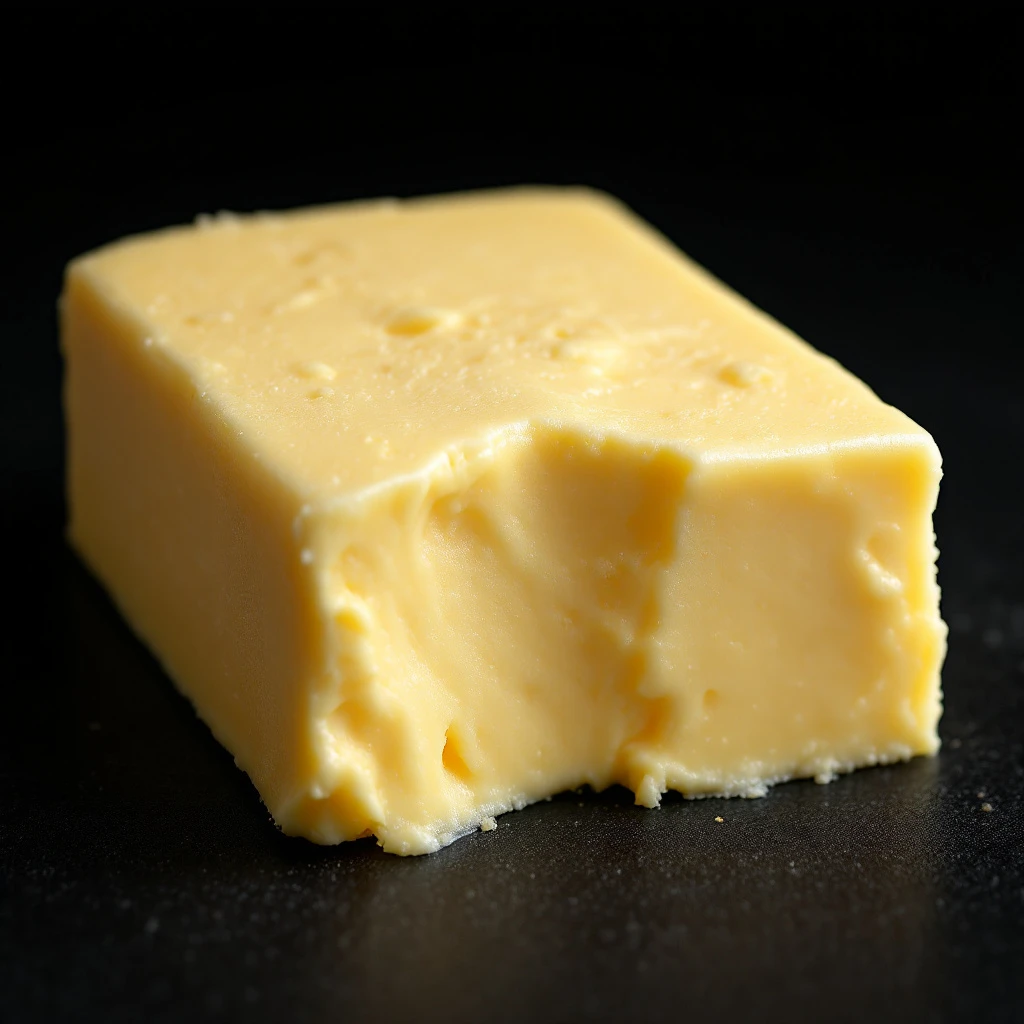
Considered more valuable than gold, German orris root requires over six years from planting to extraction. The prized orris butter derived from aged rhizomes delivers the powdery violet elegance found in the world's finest perfumes.
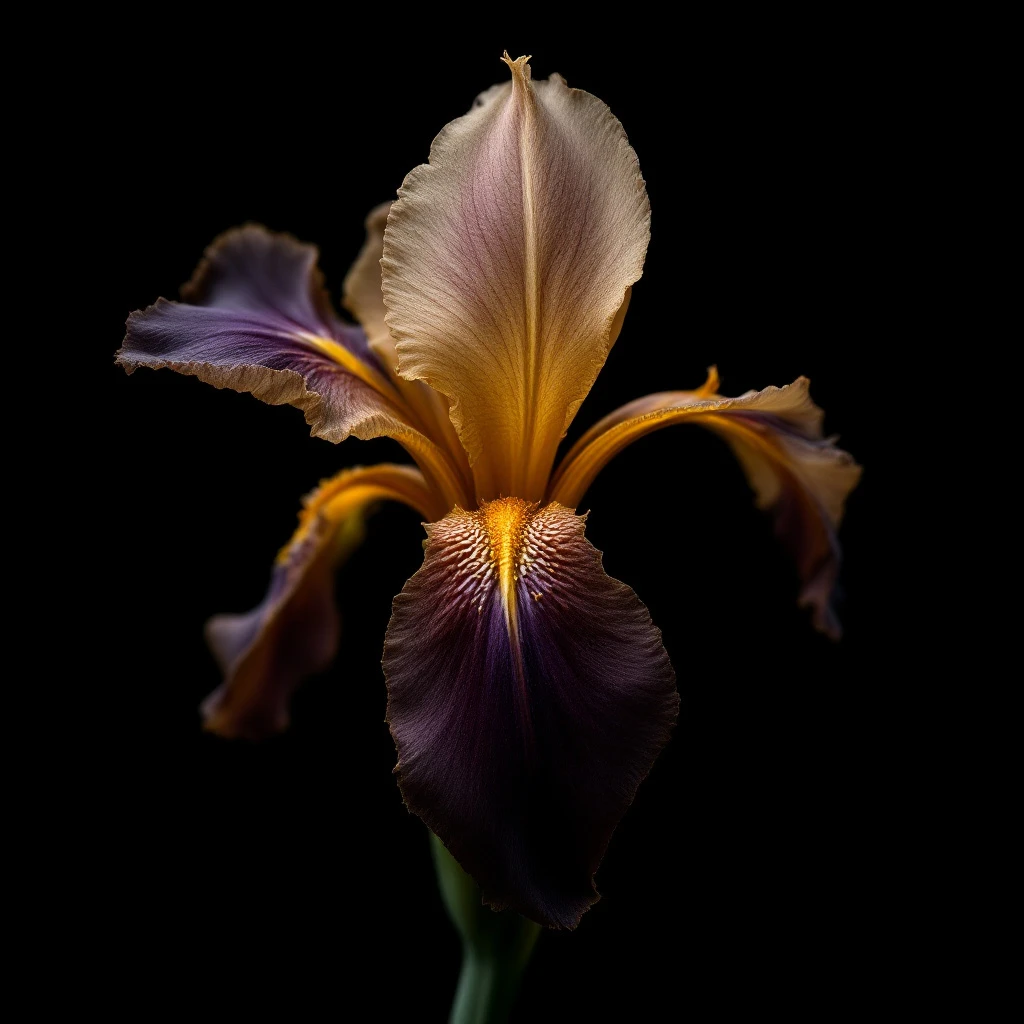
Character
How it smells
Six years of patience, one timeless note.
The characteristic violet-like scent of orris only develops during extended aging. Without this slow process, the raw rhizomes remain nearly odorless.





Origin
Germany
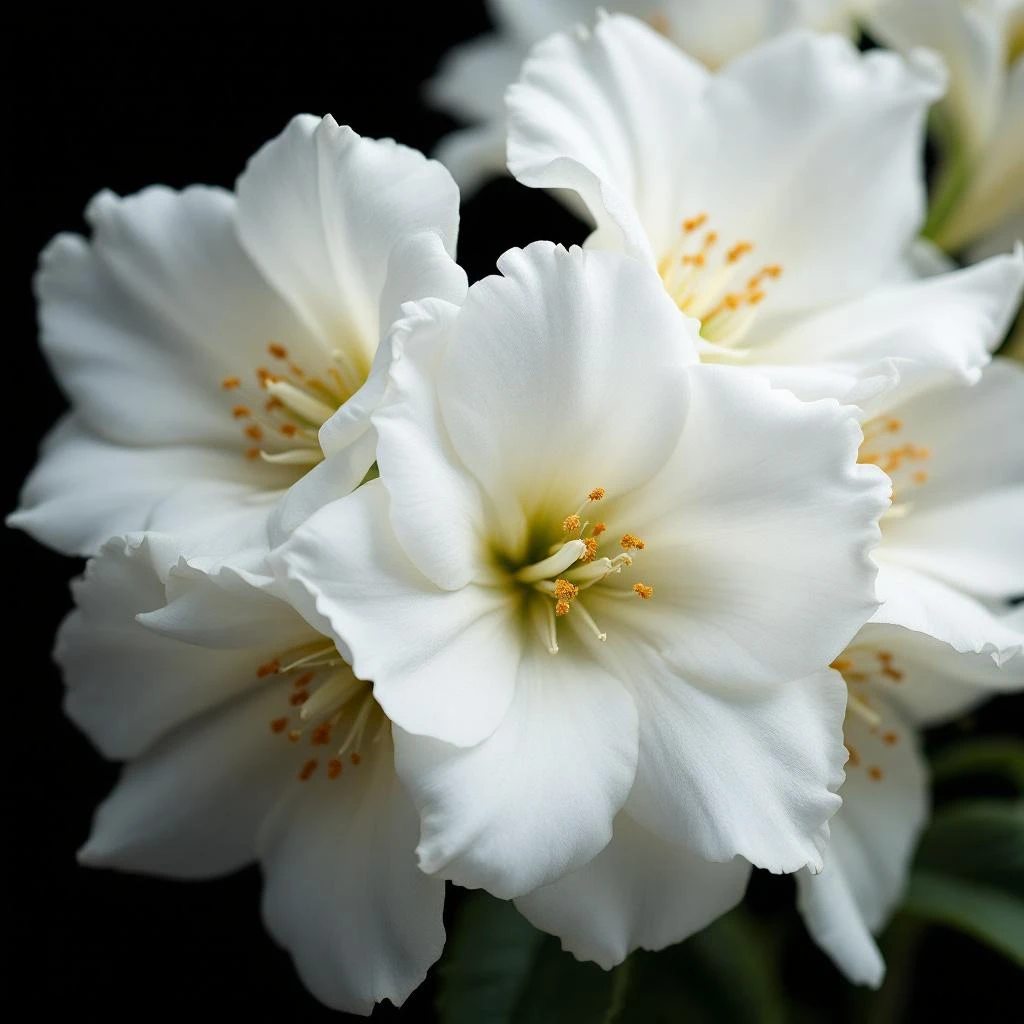
The German iris held ceremonial significance in ancient Rome and Greece, where nobility wore iris-root pomades. Catherine de Medici popularized iris in Renaissance France, establishing the ingredient as a mark of prestige.
The Germanic iris varieties cultivated across central Europe became prized for their robust rhizomes. By the 19th century, German orris butter commanded premium prices among Paris fragrance houses.
Floral markets in Florence had long traded dried iris roots, yet German-sourced material earned equal renown for its depth. Today, despite commercial production shifting primarily to Tuscany, the German iris remains botanically significant and gives this note its name.
Wears it best
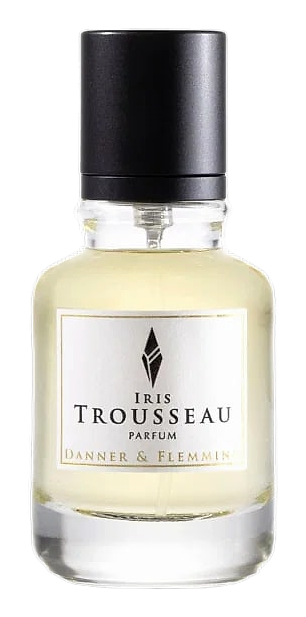
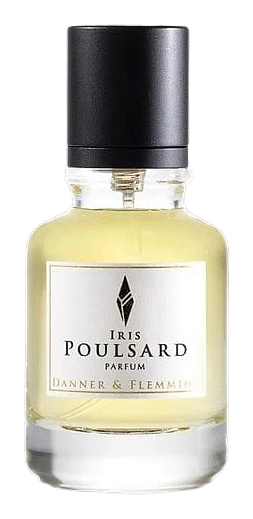
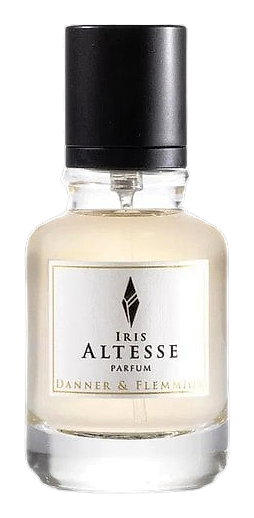
Fragrances featuring German Orris Root
Brands
Brands known for German Orris Root
Good to know
Questions, answered
The essentials on German Orris Root in perfumery: how it smells, where it comes from, and how it behaves on skin.
What does German orris root smell like?
German orris root delivers a soft, powdery violet character with subtle woody and earthy undertones. The scent is clean, slightly sweet, and reminiscent of freshly laundered fabrics.
Why is orris root so expensive?
The six-year minimum production cycle makes orris root exceptionally rare. Low extraction yields and extended aging requirements further drive up costs, placing orris butter among the priciest natural ingredients in perfumery.
How long does orris root take to produce?
From planting Iris germanica to final extraction, the process spans at least six years. Most of this time involves aging the peeled, dried rhizomes to allow irones to develop properly.
Is orris root used in all perfumes?
No. High costs mean perfumers reserve orris root for luxury formulations. Many modern fragrances use synthetic alternatives that mimic the violet-powder effect at a fraction of the price.
What creates the violet scent in orris root?
Irones, particularly gamma-irone, form during the aging process. These aromatic compounds develop slowly within the rhizome and only reach detectable levels after years of storage.
Can orris root be synthetically reproduced?
Partially. Synthetics like irone alpha reproduce the violet-powder facet, but natural orris butter contains a complex profile that laboratory equivalents rarely match fully.
What perfumes feature German orris root?
Classic powder fragrances and many chypre compositions highlight orris root. The ingredient appears frequently in vintage-style perfumes that emphasize elegant, soft floral signatures.
Does terroir affect orris root quality?
Yes. Soil composition and climate influence iris rhizome development and irone concentration. This explains why specific growing regions consistently produce superior material.