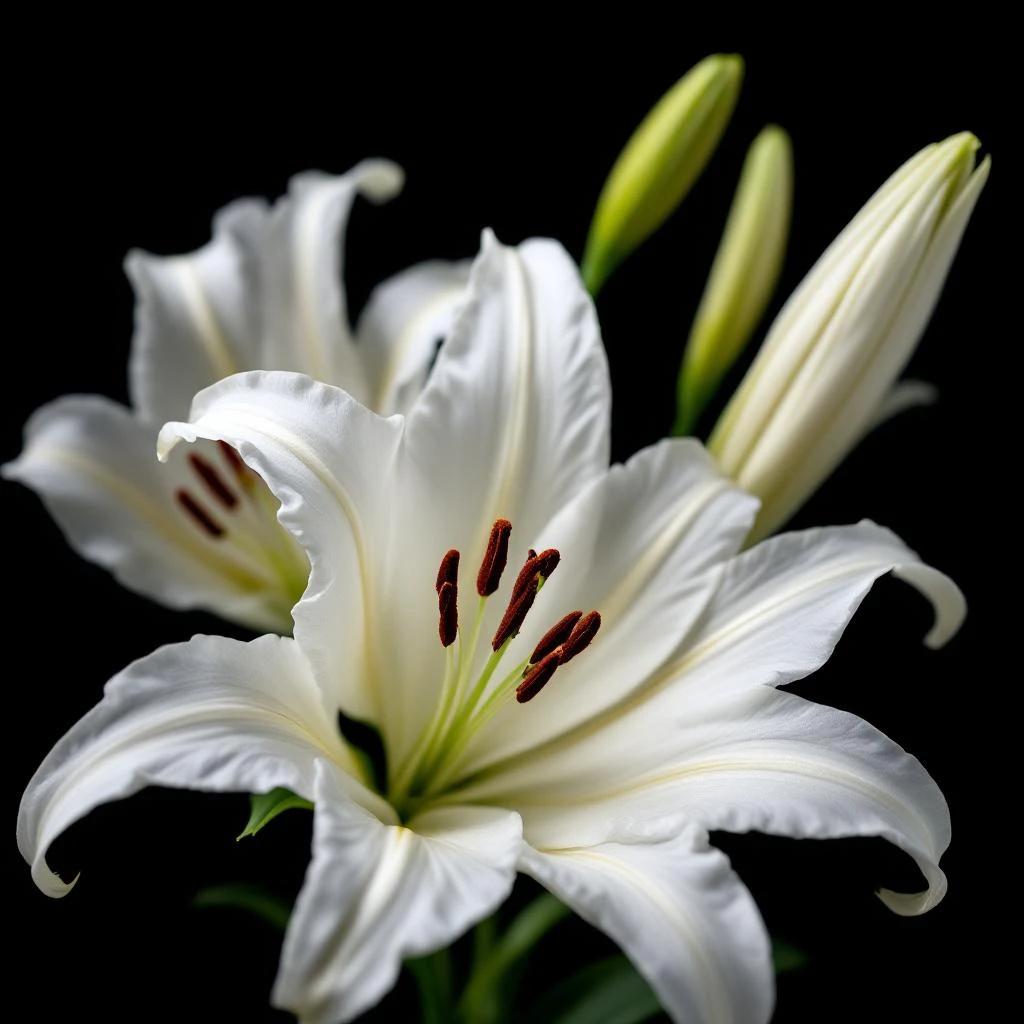
German Orris Butter
Grown for six years before harvest, German orris butter represents one of perfumery's longest ingredient cycles. Its price rivals precious metals, yet its scent—cool, powdery, violet-like—remains irreplaceable in fine fragrance.
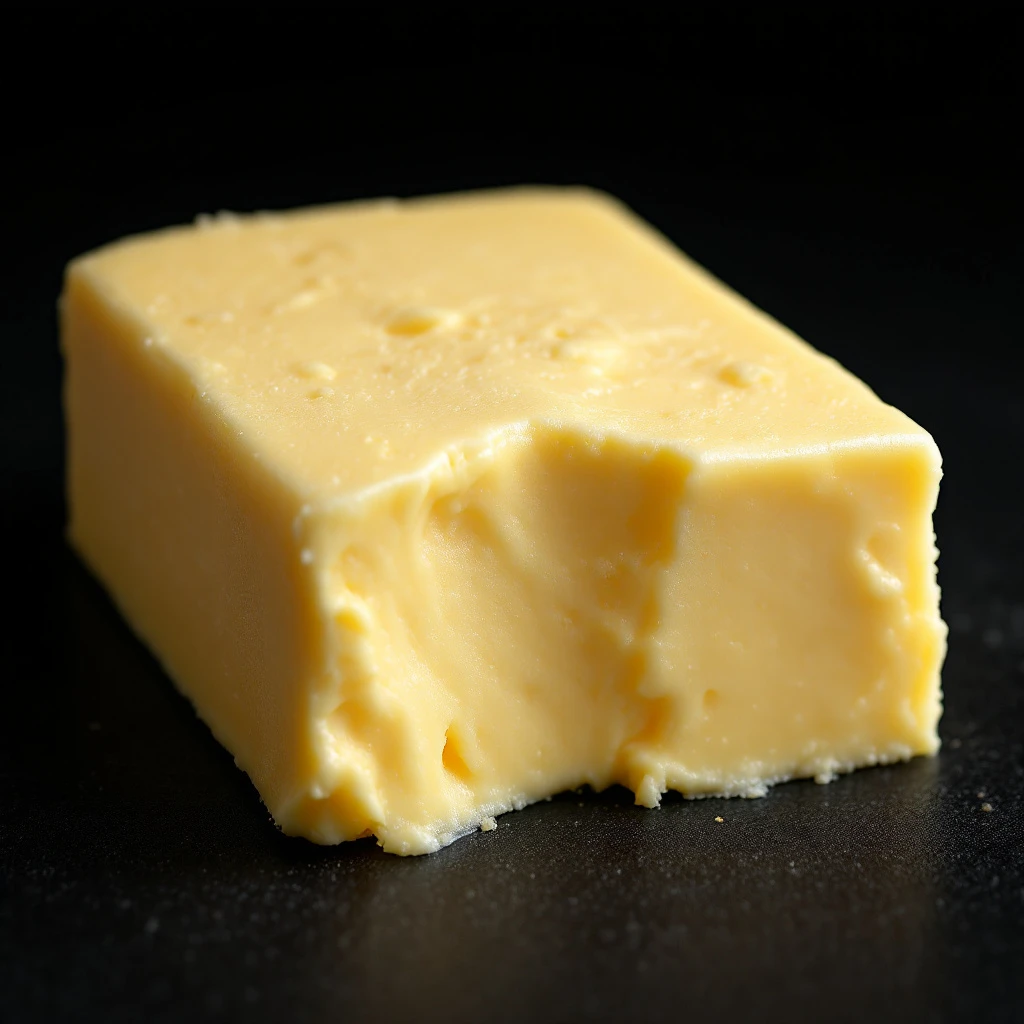
Character
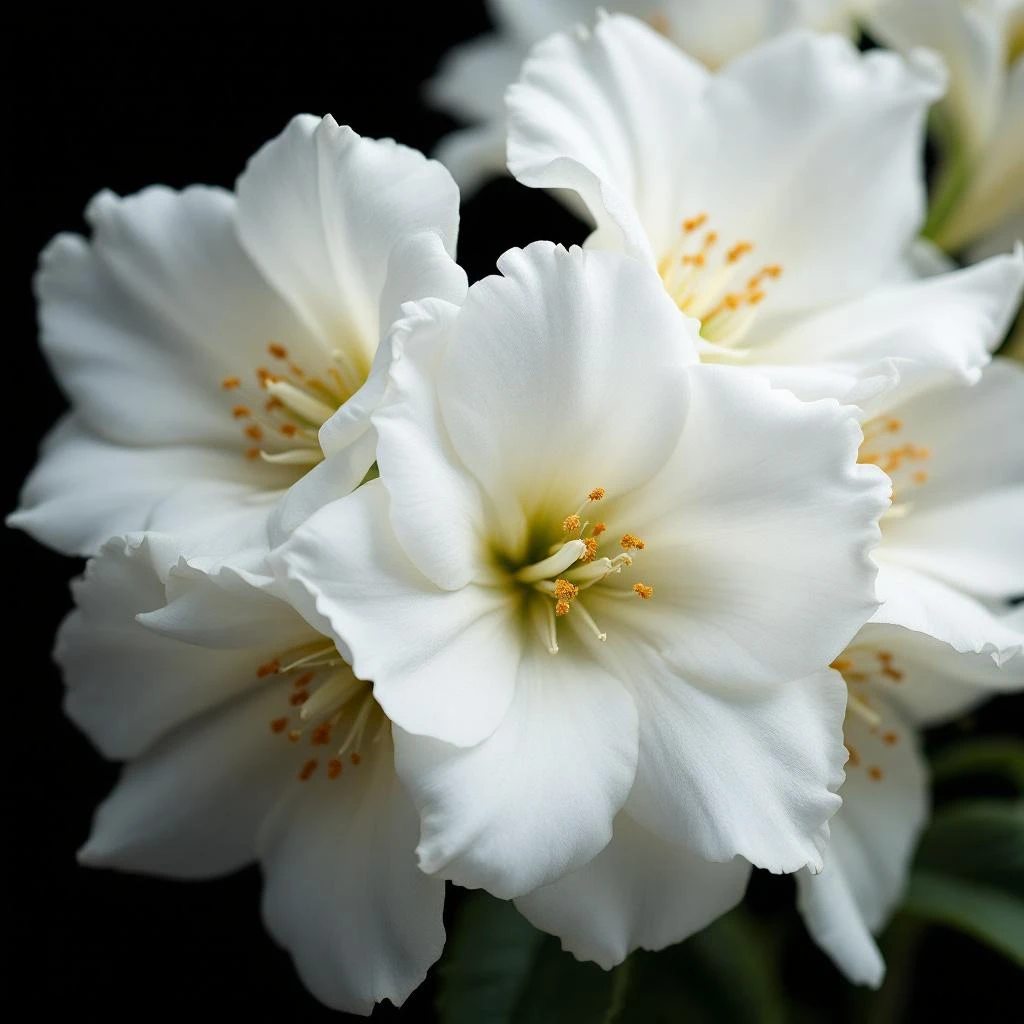
How it smells
Six years. One ingredient. Irreplaceable.
The Medici family maintained secret orris rhizome gardens in Florence, guarding their cultivation techniques for generations.

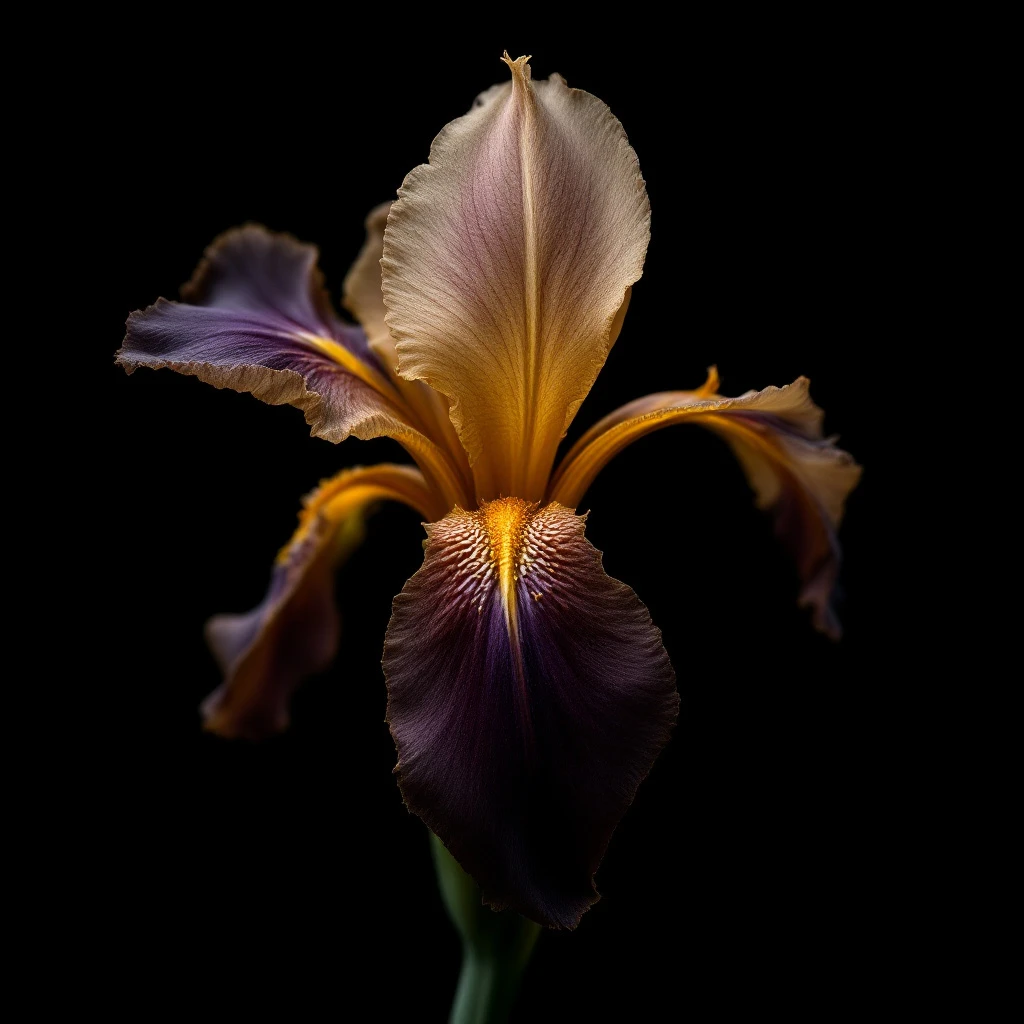




Origin
Germany
Ancient Greeks and Romans used orris root for perfuming bathwater and linens, recognizing its enduring fragrance long before understanding the chemistry behind it. Medieval European apothecaries prescribed orris preparations for digestive ailments and respiratory conditions.
Florence emerged as the orris trade center during the Renaissance, establishing processing techniques that remain standard today. German cultivators developed Iris germanica as a hardy, high-yielding variety suited to cooler climates.
By the 19th century, German orris had become a cornerstone of European perfumery, prized for its consistent quality and distinctive violet character. Despite advances in synthetic aromatics, natural orris butter continues commanding prices that exceed gold by weight.
Wears it best
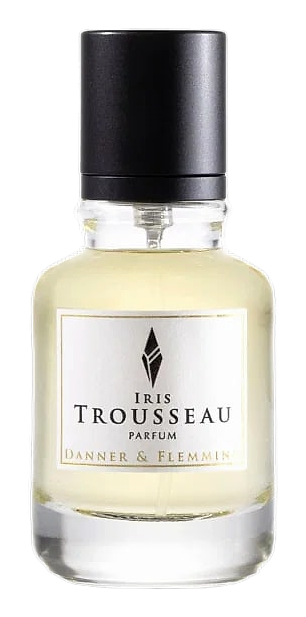
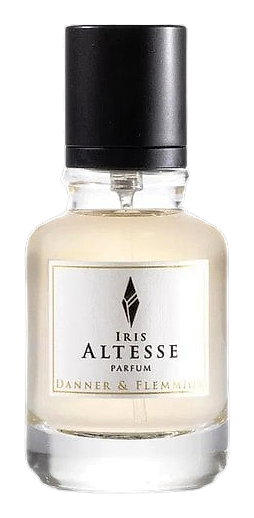
Fragrances featuring German Orris Butter
Brands
Brands known for German Orris Butter
Good to know
Questions, answered
The essentials on German Orris Butter in perfumery: how it smells, where it comes from, and how it behaves on skin.
What does German orris butter smell like?
It carries a cool, powdery violet note with soft florals and earthy undertones. The scent evokes expensive face powder—clean, sophisticated, and slightly woody at the dry-down. No synthetic replicates its full complexity.
Why does German orris butter cost so much?
The six-year cycle from planting to finished extract makes it extraordinarily rare. Hand-harvesting, three to five years of aging, and enormous raw material requirements drive prices that exceed gold by weight.
How is orris butter different from iris absolute?
Orris butter comes from steam distillation of aged rhizomes and has a waxy, solid texture. Iris absolute uses solvent extraction and produces a darker, richer material. The butter offers a cleaner, more delicate violet character.
Which fragrance families use orris butter?
It anchors powdery, floral, and chypre compositions as a heart note. You will also find it in violet-themed fragrances and certain woody accords where its cool elegance balances warmer elements.
What are irones?
Irones are the aromatic compounds responsible for orris butter's signature violet scent. They develop slowly within the rhizomes during the extended aging process, making patience the critical factor in quality.
Is orris butter sustainable?
Small-scale cultivation in Germany and Italy maintains consistent quality without intensive monoculture. The long growing cycle naturally limits production, preventing oversupply while keeping this rare ingredient available to perfumers.
Can synthetic materials replace natural orris?
Synthetic irones exist but capture only part of the scent. Natural orris butter contains over 100 aromatic compounds that interact to create its signature effect, something chemistry has not fully replicated.
When did perfumers first use orris?
Records show use dating to Ancient Rome and Greece, where rhizomes perfumed bathwater and linens. By the Renaissance, Florentine craftsmen had refined extraction techniques that set the standard for modern perfumery.