Gazelle Musk
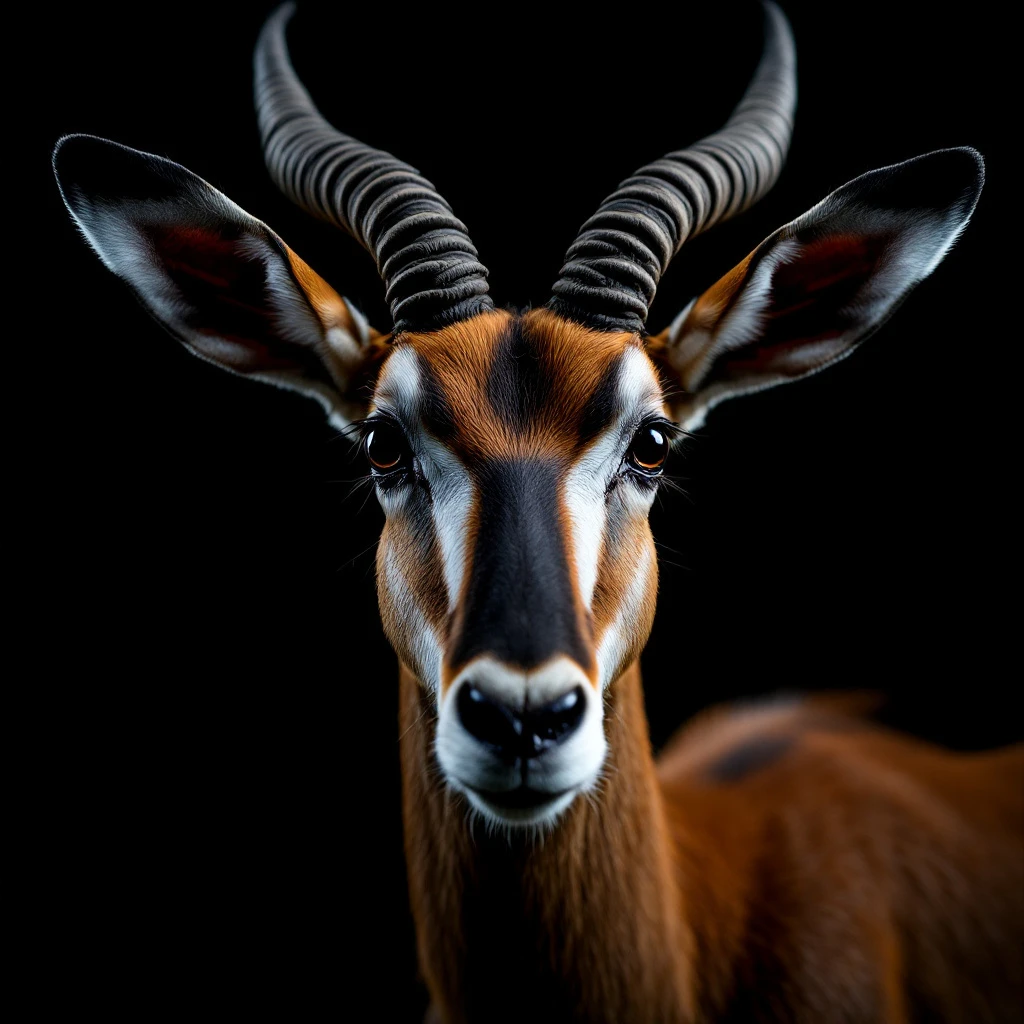
Gazelle musk captures the raw, animalic essence of wild antelope secretions—a scent once revered as a symbol of vitality and desire across ancient Arabian and African cultures. This rare ingredient carries an intensity unmatched by modern alternatives.
Character
How it smells
Ancient antelope essence, primal and alive.
Ancient Egyptians used gazelle musk to scent temples and royal oils, believing it bridged the mortal and divine.




Origin
Saudi Arabia
Gazelle musk holds a distinguished place among the ancient aromatics traded along Saharan and Arabian trade routes. Sumerian records from the third millennium BCE reference antelope-derived aromatics, while Egyptian tomb paintings depict gazelle hunting that likely served dual purposes of sustenance and scent collection. Alexander the Great encountered musk substances during his campaigns, documenting their use among Persian and Arabian cultures around 330 BCE.
Arab perfumers of the medieval period prized gazelle musk above other animalics, incorporating it into attars and incense blends for wealthy patrons. The ingredient symbolized desert vitality and the raw power of these fleet-footed creatures. As European trade expanded in the 18th and 19th centuries, gazelle musk reached Parisian and London perfumers, though supplies remained inconsistent due to the difficulty of harvesting and the animal's elusive nature.
The rise of synthetic musks in the late 1800s gradually displaced natural animal musks from mainstream formulations.
Wears it best
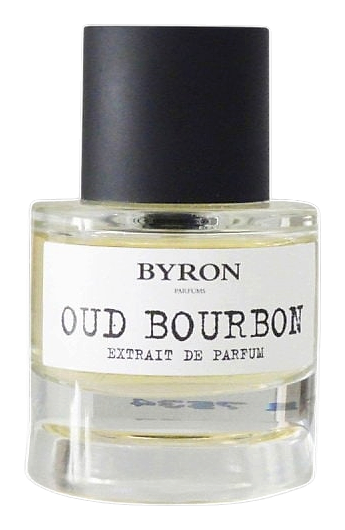
Fragrances featuring Gazelle Musk
Brands
Brands known for Gazelle Musk
Good to know
Questions, answered
The essentials on Gazelle Musk in perfumery: how it smells, where it comes from, and how it behaves on skin.
What exactly is gazelle musk?
Gazelle musk comes from the scent glands of gazelles, particularly Dorcas and Rhim species. It is a thick, amber secretion with an intense animalic profile historically prized in Arabian and Egyptian perfumery.
How was gazelle musk harvested traditionally?
Collectors gathered secretions by gently stimulating the preorbital glands of gazelles during peak seasonal periods. The raw material required dilution before perfumery use due to its potency.
Why is gazelle musk rarely used today?
Gazelle populations declined significantly through the 20th century due to hunting and habitat loss. Conservation protections and ethical concerns over animal harvesting largely ended commercial production.
What does gazelle musk smell like?
Gazelle musk delivers a powerful animalic character—leather, sweat, and earth—with sweet undertones. It functions as an exceptional fixative that amplifies and anchors other fragrance components.
Are there alternatives to natural gazelle musk?
Modern perfumers use synthetic musks like Habanolide or animalic replacers such as cultured civet extract to achieve similar fixative and odor profiles without using endangered animal products.
When did humans first use gazelle musk?
Evidence suggests gazelle musk was in use by 3000 BCE. Sumerian records and Egyptian artifacts document antelope-derived aromatics traded across ancient Mesopotamia and the Nile Valley.
Which regions traditionally supplied gazelle musk?
North Africa and the Arabian Peninsula produced most historical supplies. Dorcas gazelles ranged from Morocco to Egypt westward, while Rhim gazelles inhabited Libya and Tunisia.
Is gazelle musk legal in perfumery now?
Most gazelle species receive protected status under CITES and regional wildlife laws. Legitimate commercial trade in natural gazelle musk is effectively prohibited across major markets.