Gariguette Strawberry
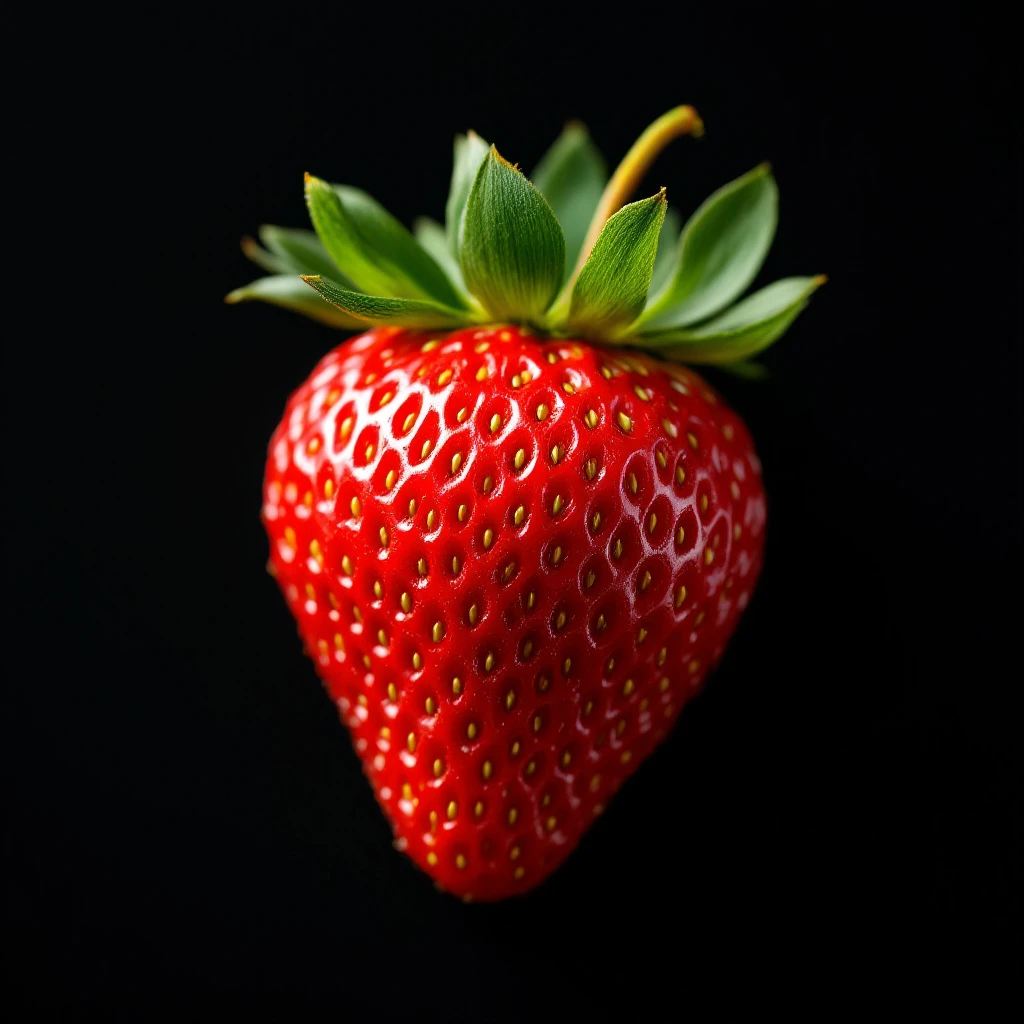
Gariguette Strawberry captures the bright, juicy essence of one of France's most prized early-season strawberries. This synthetic accord recreates the berry's sun-ripened sweetness with crystalline freshness, evoking mornings in a strawberry field at dawn.
Character
How it smells
The French strawberry that defines summer sweetness.
Gariguette strawberries ripen up to two weeks earlier than other varieties, giving perfumers a rare chance to bottle the first taste of French strawberry season.




Origin
France
The Gariguette strawberry variety emerged from French breeding programs in the 1980s, developed specifically for its exceptional aromatic complexity and early harvest season. Unlike commercial varieties bred primarily for shipping durability, Gariguette was selected for flavor intensity, quickly becoming the benchmark strawberry among French chefs and food enthusiasts.
The variety's success on restaurant tables translated naturally into perfumery's interest, as fragrance houses sought to capture its distinctive character. Before synthetic strawberry accords existed, perfumers relied on entirely different approaches to add fruity character to fragrances.
The development of accurate strawberry reconstruction in the late 20th century represented a significant advance in aroma chemistry, allowing perfumers to incorporate authentic berry notes without relying on older, less accurate materials like raspberry ketone alone. Today, Gariguette-style strawberry accords appear across fragrance families, from light florals to playful gourmands, carrying with them the heritage of French culinary excellence.
Wears it best
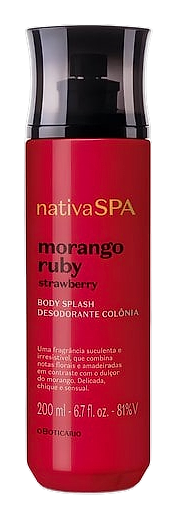
Fragrances featuring Gariguette Strawberry
Brands
Brands known for Gariguette Strawberry
Good to know
Questions, answered
The essentials on Gariguette Strawberry in perfumery: how it smells, where it comes from, and how it behaves on skin.
Is Gariguette Strawberry a natural or synthetic ingredient?
Synthetic. Natural strawberry fruit does not yield an essential oil through any extraction method. Perfumers create Gariguette Strawberry accords by combining aroma chemicals that replicate the fresh fruit's volatile compound profile.
What does Gariguette Strawberry smell like?
Bright, juicy sweetness with sun-ripened berry character and a subtle tart edge. The Gariguette variety specifically carries more floral, almost wild-strawberry nuances compared to standard commercial strawberries.
What position does Gariguette Strawberry typically play in fragrance compositions?
Top note. Strawberry accords are designed to express quickly upon application, delivering immediate fruity brightness before the fragrance's heart and base notes develop.
Which fragrance families commonly use Gariguette Strawberry?
Primarily fruity and fresh fragrance families. It appears frequently in summer scents, florientals, and gourmand compositions. Some perfumers also use it to add playful accents to more sophisticated floral bases.
What key aroma compounds create Gariguette Strawberry's scent?
Furaneol provides the characteristic jammy sweetness. Mesifurane adds caramelized depth. Various ester compounds contribute the bright, juicy top notes that make strawberry accords feel fresh rather than heavy.
Does Gariguette Strawberry have any historical significance in perfumery?
Strawberry note use in perfumery dates to the early 20th century, but accurate reconstruction only became possible after furaneol's synthesis in the 1960s. The Gariguette variety itself emerged from French breeding in the 1980s.
Where is Gariguette Strawberry fruit grown for research purposes?
The Gariguette variety originated in southern France and remains most prominently cultivated in Provence and Brittany regions. These areas' cool maritime climates produce berries with the most intense aromatic profiles.
How does Gariguette Strawberry differ from other strawberry fragrance notes?
Gariguette-specific accords aim to capture the variety's signature profile: more floral and less saccharine than commercial strawberry notes, with a distinctive slightly tart quality that prevents the sweetness from becoming cloying.