Garden Rose
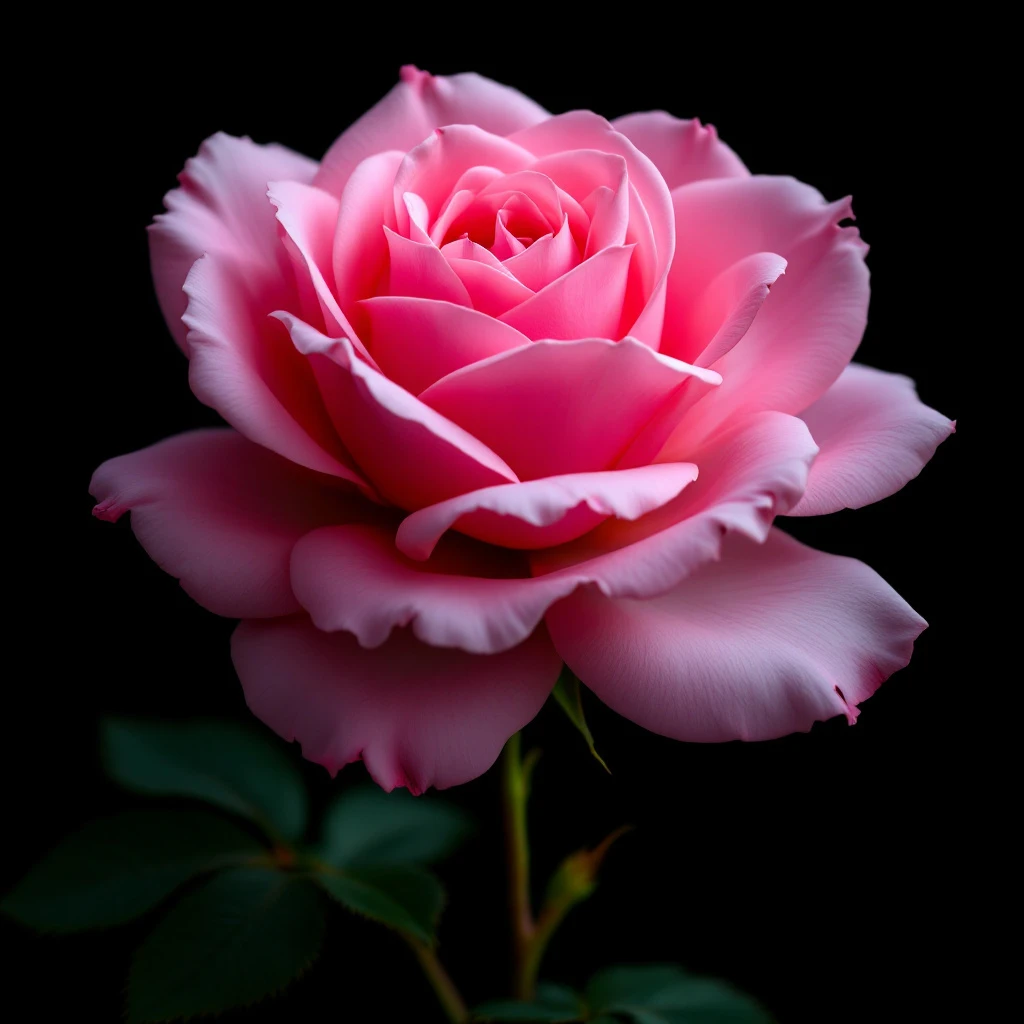
Garden rose captures the scent of a living rose at dawn—when petals hold dew and fragrance peaks. Unlike concentrated absolutes, it preserves the flower's natural breath, softening on skin as it unfurls.
Character
How it smells
The fresh-cut bloom, still breathing on your skin.
It takes roughly 20,000 hand-picked rose petals to produce a single milliliter of rose oil—a testament to its extraordinary concentration.




Origin
Bulgaria
Roses have served humanity for over 5,000 years. Early Chinese and Sanskrit texts document rose cultivation dating to around 2000 BCE, making it one of humanity's longest-tended flowers.
Ancient Egyptians incorporated rose essence into religious ceremonies and burial rituals, while Greek and Roman cultures elevated the bloom to symbolic heights. Medieval Islamic physicians utilized rose water therapeutically, and by the 18th century, rosewater production through distillation had spread widely across Morocco thanks to Arab and Berber techniques.
Rosa centifolia emerged as a preferred variety in Grasse, France, where its thornless form suited extraction methods and became essential to modern perfumery. The Damask rose, likely native to the Middle East and Mediterranean, traveled through centuries of cultivation and now underpins the global industry centered in Bulgaria's Rose Valley.
Wears it best
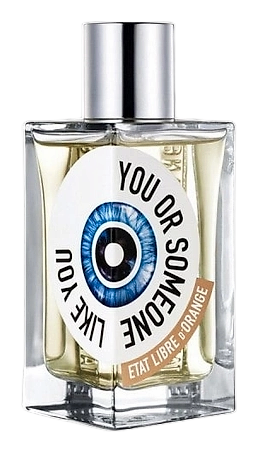
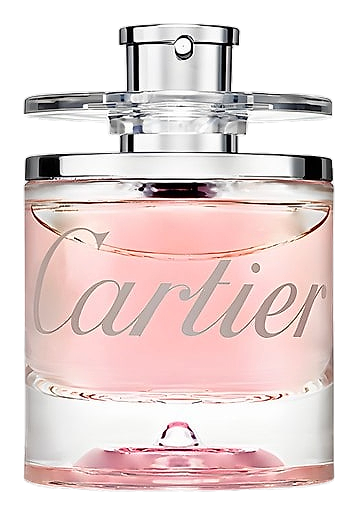
Fragrances featuring Garden Rose
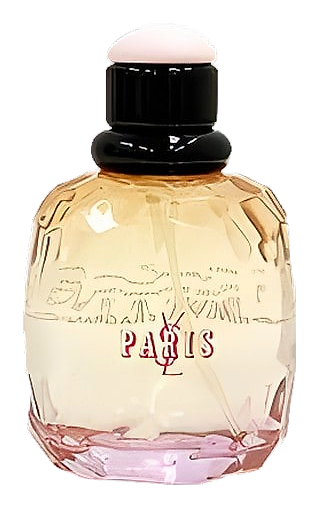
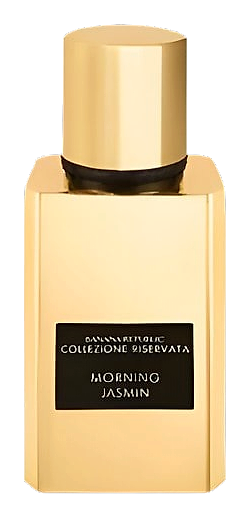
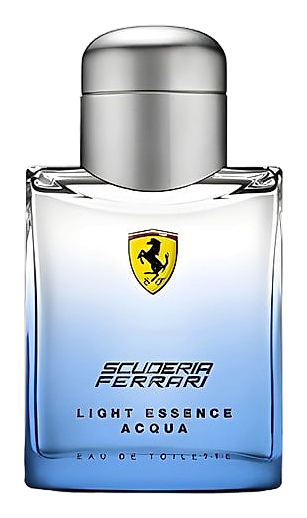
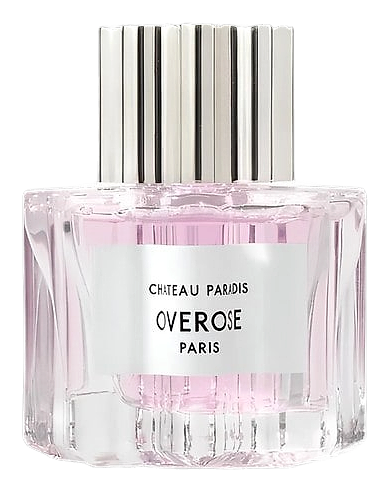
Brands
Brands known for Garden Rose
Good to know
Questions, answered
The essentials on Garden Rose in perfumery: how it smells, where it comes from, and how it behaves on skin.
What makes garden rose different from traditional rose note?
Garden rose captures the living flower's fresh, dewy character rather than its concentrated essence. Traditional rose note often refers to absolutes or ottos, which are highly concentrated. Garden rose preserves subtle top notes—green stems, petal softness, and morning dew—that fade in concentrated forms. The specific character varies by rose variety, with Rosa centifolia from Grasse offering a honeyed floral signature.
How many roses does it take to produce rose oil?
Producing one kilogram of rose otto requires approximately 3,500 kilograms of rose petals. This translates to roughly 20,000 petals for a single milliliter of oil. Such intensity explains why pure rose otto commands premium pricing and why perfumers often blend natural and synthetic rose materials to balance cost with olfactory complexity.
Why do early 20th-century rose perfumes smell similar?
Early 20th-century perfumers relied heavily on two primary rose molecules: phenethyl alcohol and geraniol. Without access to the full spectrum of rose aromatics available today, they created consistent but less nuanced rose signatures. Modern perfumery blends dozens of rose materials to achieve the complex, natural-smelling rose notes found in contemporary fragrances.
Do different rose-growing regions produce different scents?
Yes. Bulgarian roses tend toward softer, honeyed sweetness. Moroccan roses often carry earthier, more rustic character. Turkish Damask roses lean spicier and more complex. These regional variations stem from soil composition, altitude, and microclimate, creating distinct aromatic profiles even within the same rose species.
Which country produces the most rose for perfumery?
Bulgaria produces the majority of the world's rose otto, with cultivation centered in the Rose Valley near Kazanlak. The region accounts for the largest share of global rose oil production. Secondary producers include Morocco, Turkey, and India, each contributing distinct regional character to the world market.
Is garden rose available year-round?
No. Rose harvest occurs once yearly, typically in May and June. This single harvest window supplies the entire year's demand, making garden rose a seasonal material. Distillers process petals immediately after picking. Proper storage extends usability, but the concentrated harvest period means supply and pricing fluctuate based on that year's yield.
Is garden rose used more in niche or mainstream fragrances?
Garden rose appears across both market segments. Mainstream houses use it to add authenticity and freshness to floral compositions. Niche perfumers employ garden rose materials as signature elements in conceptual fragrances. The note works equally well as a supporting element or a primary focus depending on the creative vision.
Can synthetic molecules fully replace natural garden rose?
Synthetic rose molecules like phenethyl alcohol and geraniol can approximate certain rose qualities, but they lack natural garden rose's complexity. Natural garden rose contains hundreds of trace compounds that create subtle green, dewy, and slightly earthy undertones. These nuances resist perfect synthetic recreation, keeping natural garden rose essential to high-quality fine fragrance.




