Galaxolide
The invisible backbone of modern perfumery. Galaxolide is a synthetic musk that brings warmth, sweetness, and remarkable staying power to everything from luxury fragrances to everyday laundry products.
Character
How it smells
The synthetic musk that defined modern fragrance.
Galaxolide has been detected in water systems across North America and Europe, a direct result of its staggering global production volume.







Origin
Switzerland
Firmenich, the Swiss fragrance house founded in 1895, first synthesized Galaxolide in 1956. The company had built its reputation on pioneering fragrance chemistry, and Galaxolide represented a significant advancement in synthetic musk technology.
Unlike earlier nitromusks that raised safety concerns, Galaxolide offered a cleaner profile and better biodegradability. The compound entered commercial use in the late 1960s, initially appearing in fabric softeners and detergents where its wash-and-wear staying power proved revolutionary.
As environmental awareness grew in the 1980s and 1990s, Galaxolide gained further prominence as natural musks faced scarcity and nitromusks fell under regulatory scrutiny. Today, Galaxolide remains one of the most produced fragrance molecules worldwide, found in countless consumer products while continuing to anchor the base notes of prestigious perfumes.
Wears it best
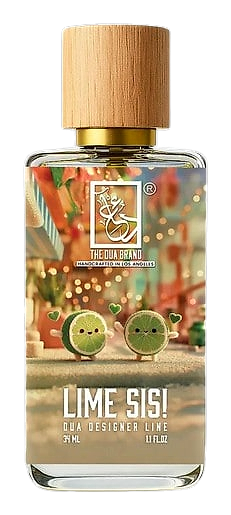
Fragrances featuring Galaxolide
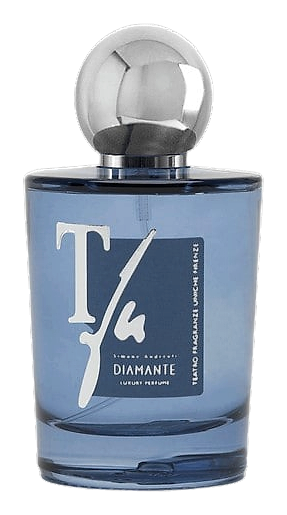
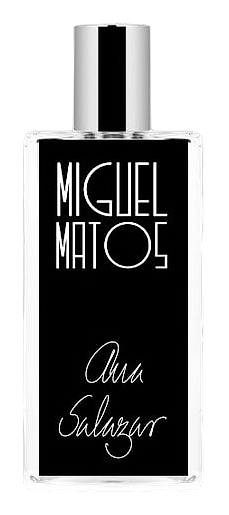
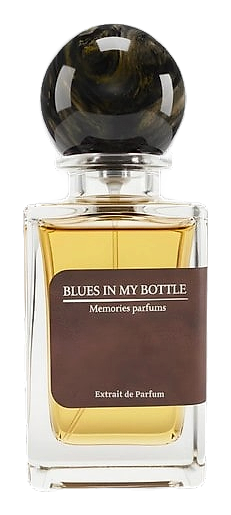
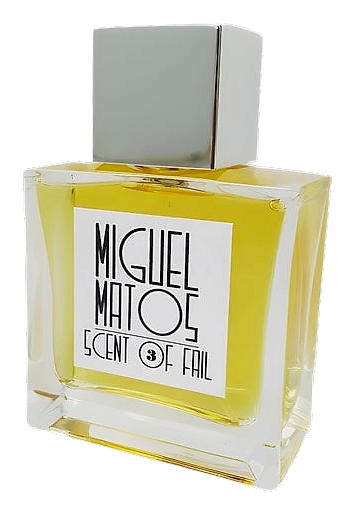
Brands
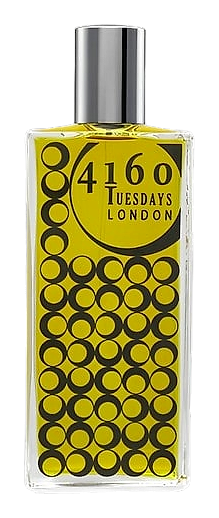
Brands known for Galaxolide
Good to know
Questions, answered
The essentials on Galaxolide in perfumery: how it smells, where it comes from, and how it behaves on skin.
What does Galaxolide smell like?
Galaxolide has a clean, sweet, floral-woody musk character. It reads as warm and powdery with subtle floral hints, making it an excellent blender that adds depth without dominating a fragrance composition.
Is Galaxolide a natural or synthetic ingredient?
Galaxolide is entirely synthetic, created through laboratory chemical synthesis. It belongs to the polycyclic musk family and contains no natural ingredients.
What products commonly contain Galaxolide?
Galaxolide appears in fine fragrances, fabric softeners, detergents, shampoos, soaps, and candles. Its versatility and stability make it one of the most widely used fragrance ingredients across product categories.
How does Galaxolide function in perfumery?
Perfumers use Galaxolide as both a base note and a fixative. It extends the longevity of lighter top and heart notes, adding warmth and body to the fragrance foundation while blending seamlessly with other ingredients.
Is Galaxolide safe for use in consumer products?
Galaxolide has undergone extensive safety assessment by IFRA and RIFM. Current scientific data supports its safe use in consumer products at established concentration limits, though some jurisdictions monitor it as an environmental contaminant.
When was Galaxolide first introduced?
Firmenich first synthesized Galaxolide in 1956 and introduced it commercially in the late 1960s. Its use in fabric softeners and detergents helped establish synthetic musks as industry standards.
Why do perfumers prefer Galaxolide over natural musks?
Galaxolide offers consistent quality, unlimited supply, and superior stability compared to natural musks. It provides comparable warmth and longevity without the ethical and sustainability concerns associated with animal-derived ingredients.
How does Galaxolide affect fragrance longevity?
Galaxolide dramatically improves fragrance substantivity, meaning the scent remains detectable on skin or fabric for hours or even days after application. This fixative property explains its widespread use in both fine fragrances and functional household products.