Fruit Nectar
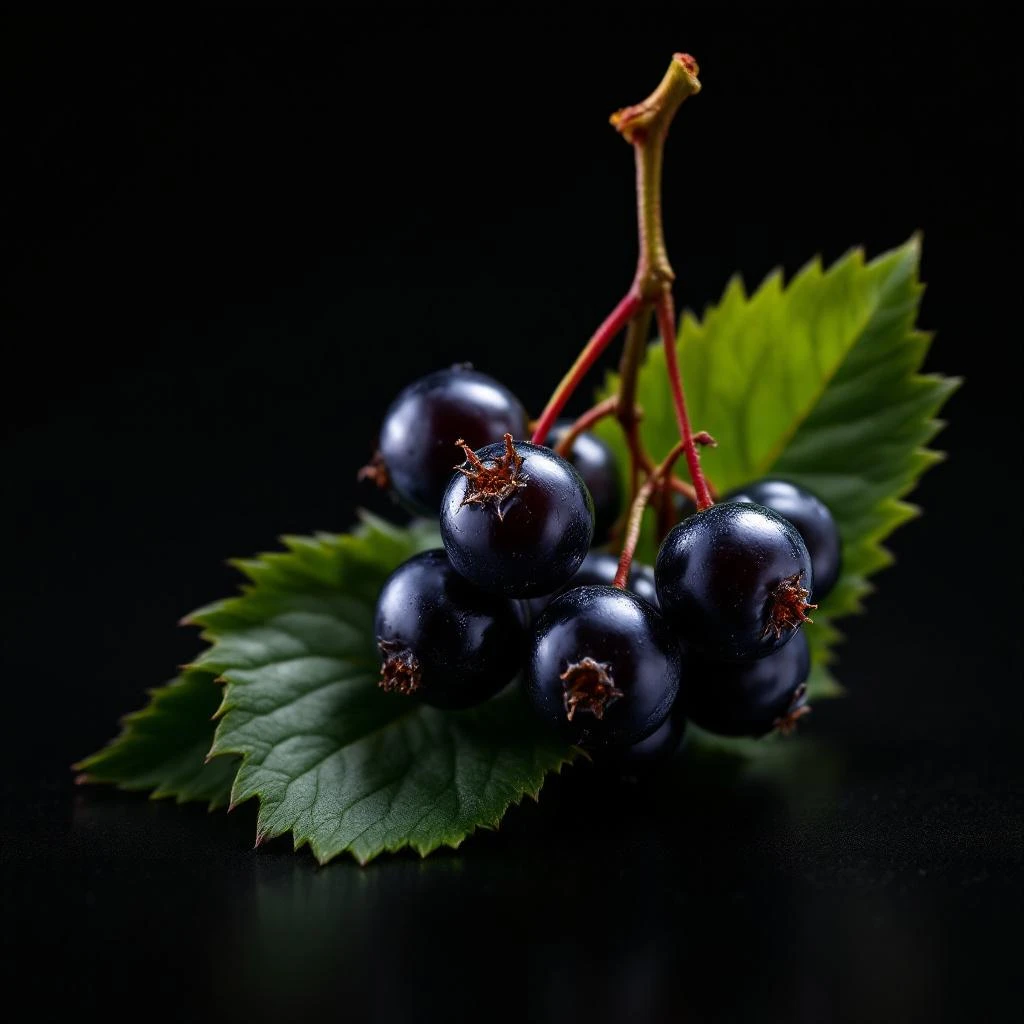
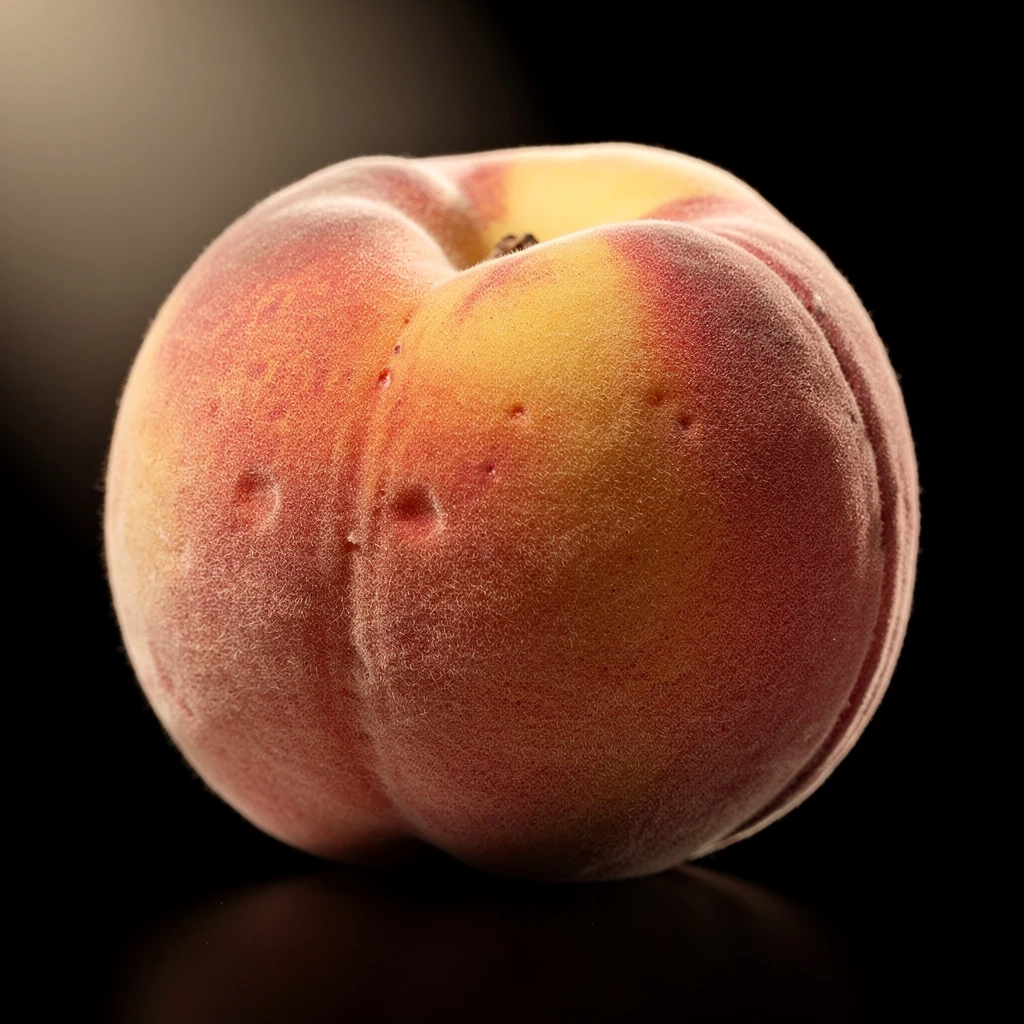
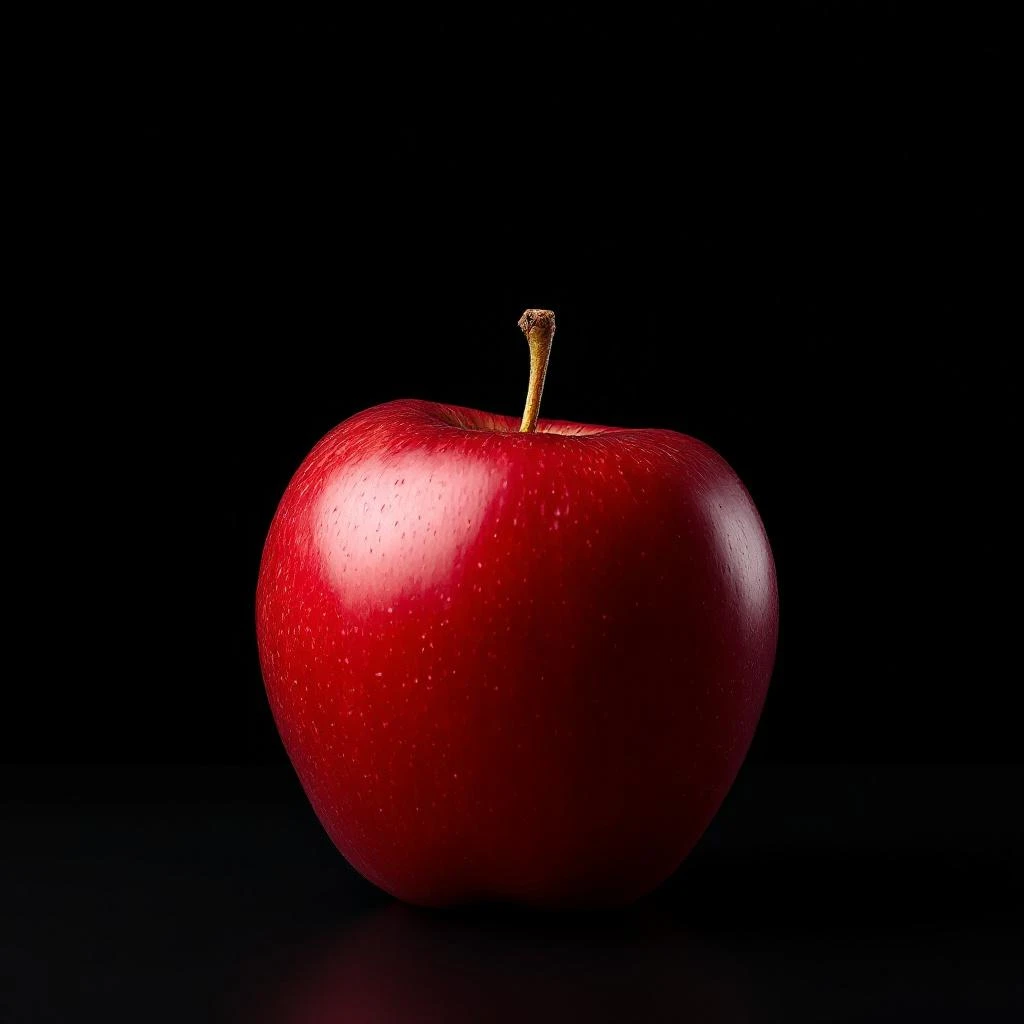
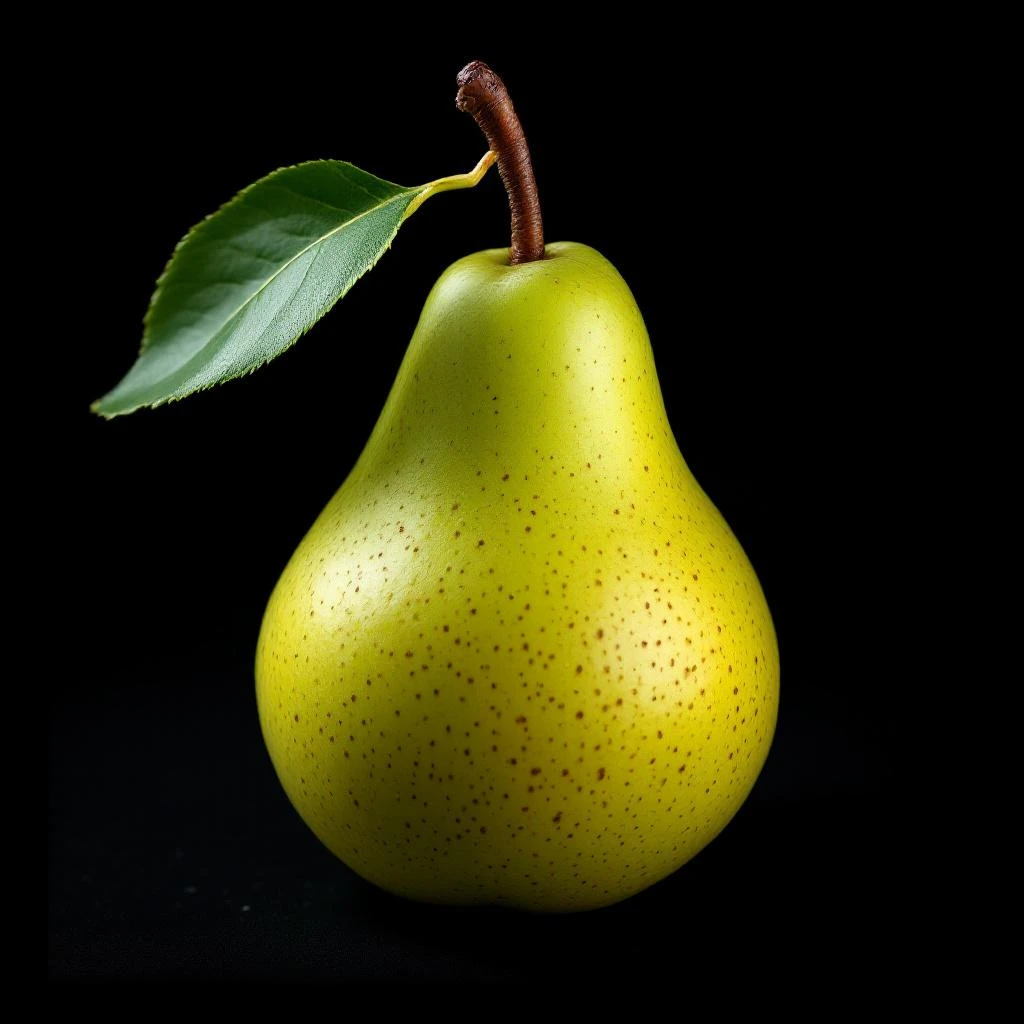
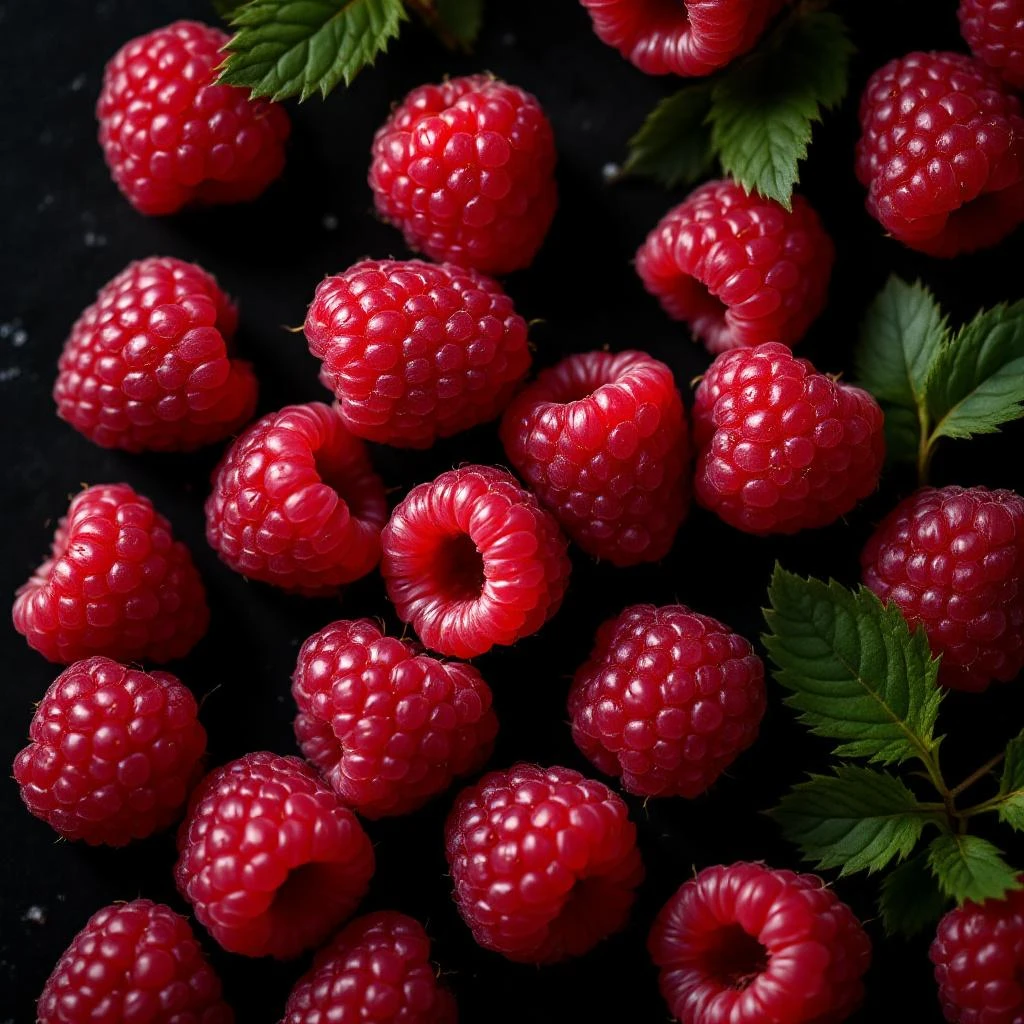
Fruit Nectar captures the intoxicating sweetness of ripe orchard fruits at their peak. This lush, effervescent note brings sun-warmed peaches, golden pears, and crisp apples into the heart of a fragrance.
Character
How it smells
Sun-ripened sweetness distilled into liquid form.
Ancient Egyptians infused fruit juices with honey to create scented ointments around 2000 BCE, some of the earliest recorded fruit-based perfumery.





Origin
France
Fruit has held a place in perfumery since ancient civilizations first discovered that fragrant plants could be transformed into wearable scents. Egyptian texts from 2000 BCE document fruit-infused oils used in religious ceremonies and personal adornment, marking some of the earliest documented fruit-based perfumery.
The ancient Greeks elevated fruit-scented unguents to an art form during the Hellenistic period, incorporating fruit essences into oils used for bathing and ceremonial purposes. Medieval Arab perfumers advanced fruit extraction techniques, developing methods that influenced European perfumery for centuries. The French perfume houses of Grasse refined fruit absolute production during the 18th and 19th centuries, processing本地 grown fruits into concentrated aromatic materials.
Modern perfumery truly embraced fruit notes in the late 19th century alongside the rise of organic synthesis. Perfumers gained access to fruit-like aroma chemicals that could replicate or enhance natural fruit scents with unprecedented consistency. Today, Fruit Nectar remains a cornerstone note family, valued for its approachable sweetness and its ability to bridge floral and gourmand fragrance territories.
Wears it best
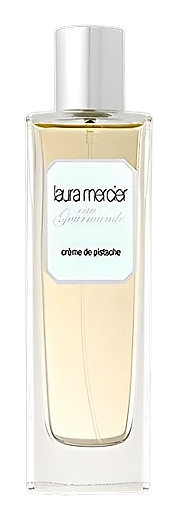
Fragrances featuring Fruit Nectar
Brands
Brands known for Fruit Nectar
Good to know
Questions, answered
The essentials on Fruit Nectar in perfumery: how it smells, where it comes from, and how it behaves on skin.
What is Fruit Nectar in perfumery?
Fruit Nectar is a fragrance accord combining natural fruit extracts, synthetic aroma chemicals, or both to recreate the sweet, ripe character of fruit. It captures the juicy, sun-ripened essence of orchard and tropical fruits without the perishability of fresh fruit.
How are natural fruit nectars extracted?
Natural fruit nectars use different methods depending on fruit type. Cold pressing extracts oils from citrus peels. Solvent extraction captures delicate esters from stone fruits. Enfleurage preserves fragile blossom notes. Each method targets specific aromatic compounds unique to each fruit variety.
Are Fruit Nectar notes natural or synthetic?
Modern Fruit Nectar accords combine natural and synthetic materials. Natural fruit extracts provide authenticity and complexity, while synthetic aroma chemicals like lactones and esters add consistency and longevity. Most contemporary fruit notes are hybrid creations balancing natural origin with synthetic precision.
What defines a natural fruit note in perfumery?
Natural fruit notes come directly from plant sources using physical extraction methods. Synthetic fruit notes are laboratory-created molecules designed to mimic natural fruit aromatics. Both serve valid roles in perfumery, with natural extracts prized for complexity and synthetics valued for stability and reproducibility.
Do Fruit Nectar notes last long on skin?
Fruit Nectar notes typically function as top to heart notes, lasting 2-4 hours depending on concentration and chemistry. Natural fruit esters evaporate quickly, while synthetic fixatives extend wear time. Higher perfume concentrations retain fruit notes longer.
What makes Fruit Nectar stable in fragrance formulations?
Synthetic aromachemicals often provide stability that natural fruit extracts cannot achieve alone. Gamma-decalactone and similar molecules resist oxidation and maintain consistent scent profiles throughout the fragrance lifespan. This stability allows fruit notes to perform reliably across various formulations.
What is the history of fruit in perfumery?
Fruit appeared in perfumery as early as 2000 BCE in ancient Egypt, where texts document fruit-infused oils in religious ceremonies. Greek and Roman civilizations expanded fruit use in scented oils. The French perfume industry of Grasse formalized fruit extraction techniques during the 18th century.
What fragrances pair well with Fruit Nectar?
Fruit Nectar harmonizes with floral, woody, and gourmand fragrance families. It adds sweetness to jasmine and rose compositions, provides juiciness to sandalwood bases, and enhances vanilla or caramel undertones. The note adapts readily across fragrance styles from fresh to rich.