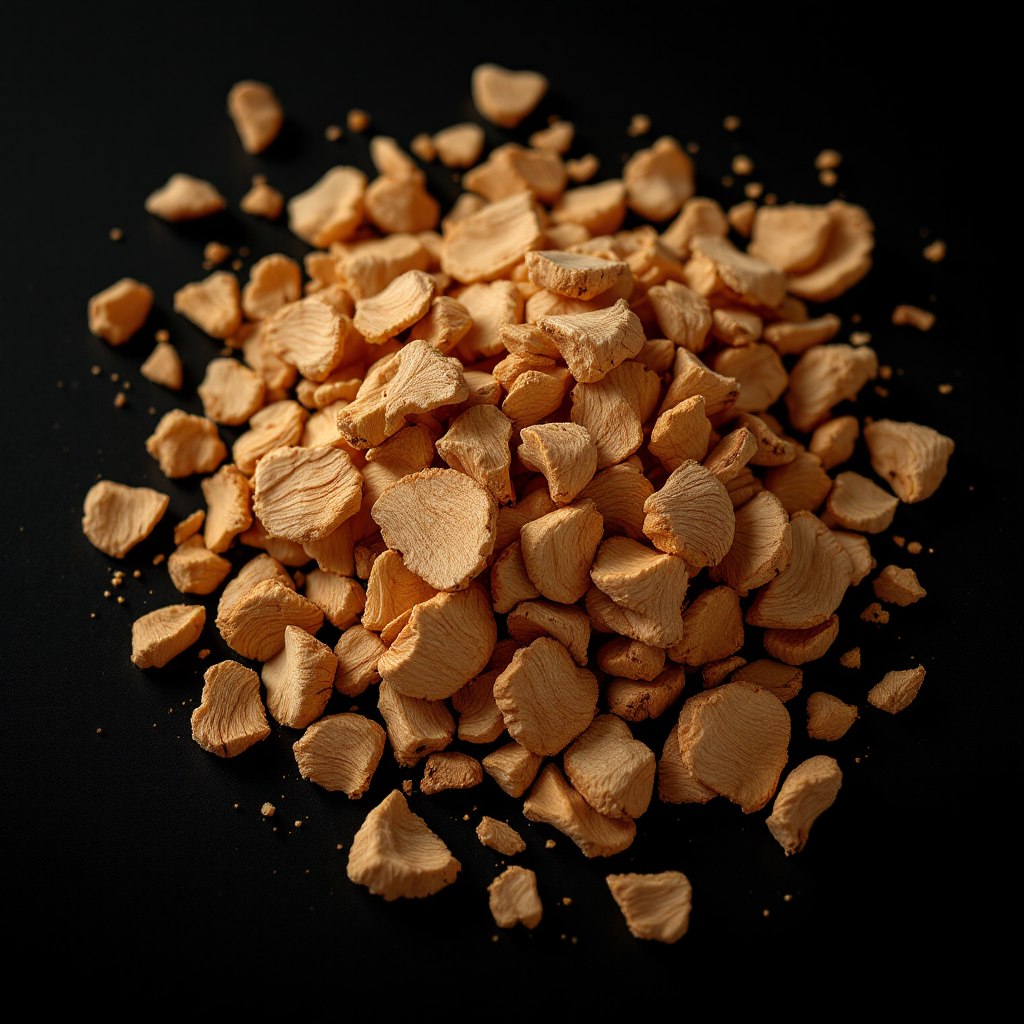
Frostwood
An accord capturing the sharp clarity of winter air meeting ancient timber. Modern perfumery recreates this meditative stillness through molecular precision.
Character
How it smells
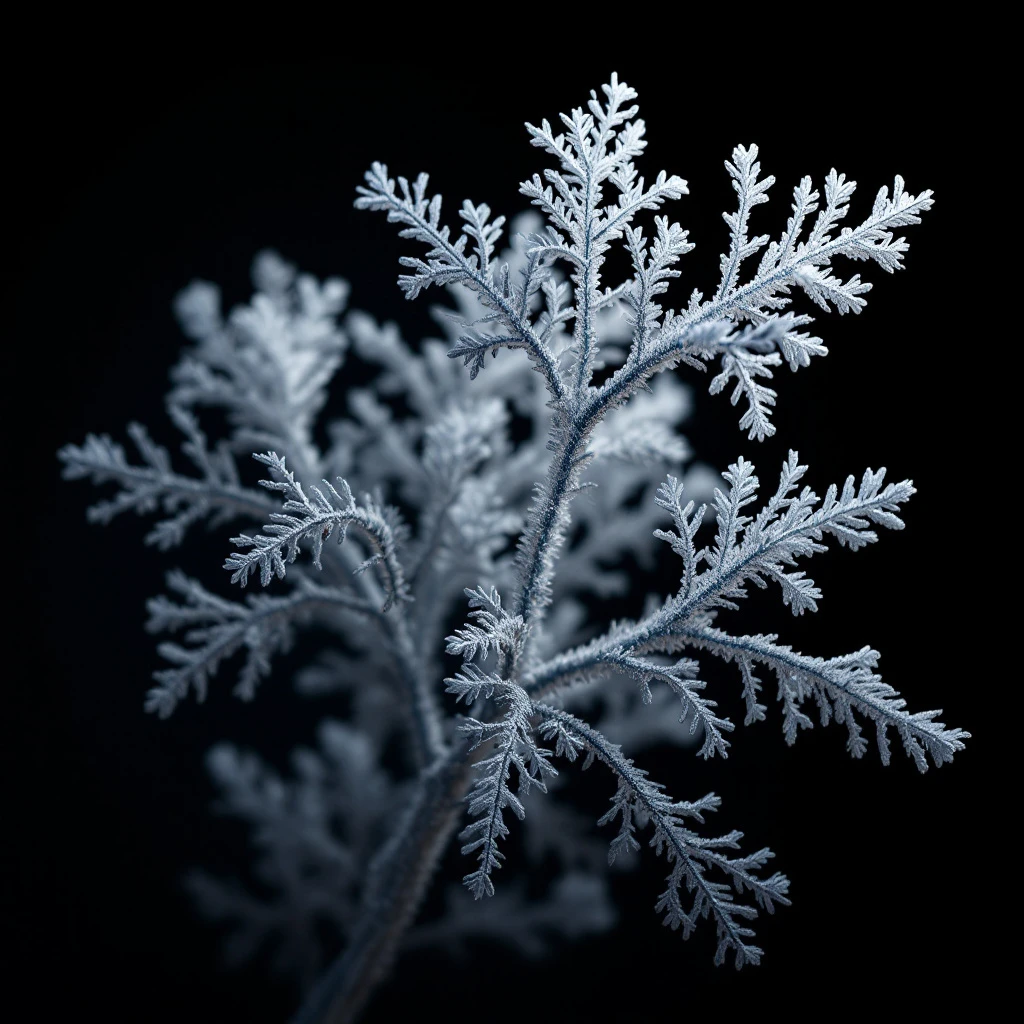
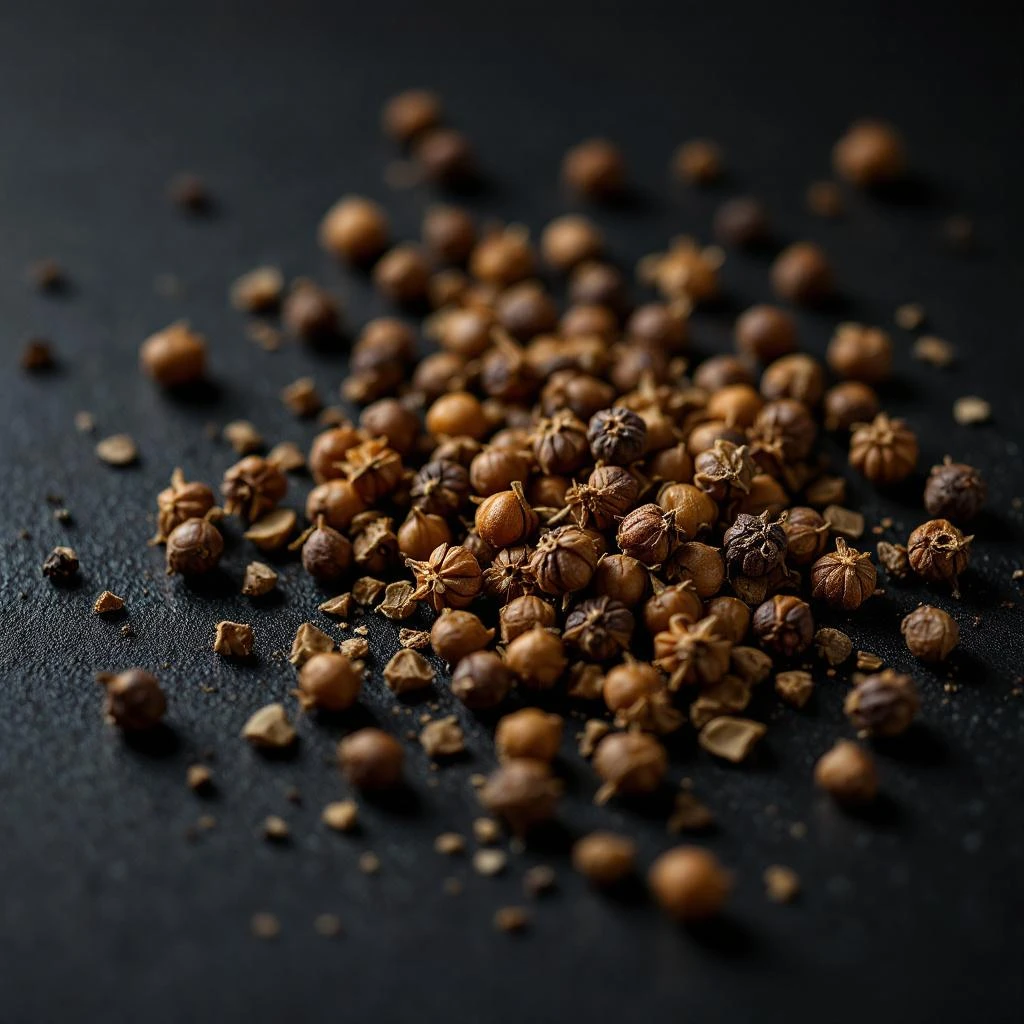
The scent of cold timber in winter stillness.
Frostwood recreates the precise moment when breath becomes visible in a frozen forest, an effect previously impossible in fine fragrance.




Origin
Germany
Before synthetic captives, perfumers could only suggest winter through clever combinations of mint, incense, and heavy woods. The human perception of cold air on timber remained largely uncapturable. Modern fragrance chemistry emerged from Paris between 1889 and 1921, when synthetic molecules first expanded the perfumer's palette beyond botanical limits.
Frostwood represents the latest chapter in that ongoing story, arriving at the World Perfumery Congress as part of Symrise's commitment to expanding the sensory vocabulary of fine fragrance. These captive ingredients bear names that evoke their olfactory promise rather than their chemical composition.
Wears it best
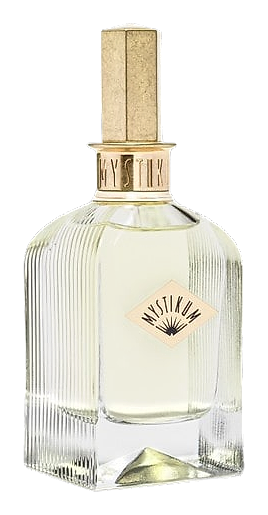
Fragrances featuring Frostwood
Brands
Brands known for Frostwood
Good to know
Questions, answered
The essentials on Frostwood in perfumery: how it smells, where it comes from, and how it behaves on skin.
What does Frostwood smell like?
Frostwood captures the scent of cold cedar wood meeting crisp winter air. It blends mineral-tinged woody notes with a crystalline, ozonic freshness that suggests frozen breath on ancient timber.
Is Frostwood a natural ingredient?
No. Frostwood is a synthetic captive ingredient developed by Symrise. It belongs to a category of proprietary aroma molecules created through controlled laboratory synthesis.
When was Frostwood introduced?
Symrise debuted Frostwood at the World Perfumery Congress, marking it as a recent innovation in captive fragrance ingredients designed to expand the perfumer's palette.
What fragrances contain Frostwood?
Specific formulations remain proprietary to each fragrance house. Captive ingredients like Frostwood typically appear in base formulations that brands do not fully disclose.
How does Frostwood differ from natural cedarwood?
Natural cedarwood offers warm, resinous woody character. Frostwood adds a cold, mineral-fresh dimension that natural cedar cannot provide, creating contrast and atmospheric depth.
Is Frostwood safe for skin application?
All Symrise captives undergo rigorous IFRA compliance testing. Fragrance houses must follow recommended usage guidelines based on the ingredient's safety assessment.
Why are captive ingredients used in perfumery?
Captives allow fragrance houses to create unique olfactory signatures unavailable to competitors. They expand creative possibilities beyond shared natural and synthetic materials.
Can Frostwood be found in natural perfumery?
Natural perfumery relies on botanical and derived ingredients only. Frostwood is a synthetic captive, making it exclusive to modern fine fragrance compositions.