Frosted Pear
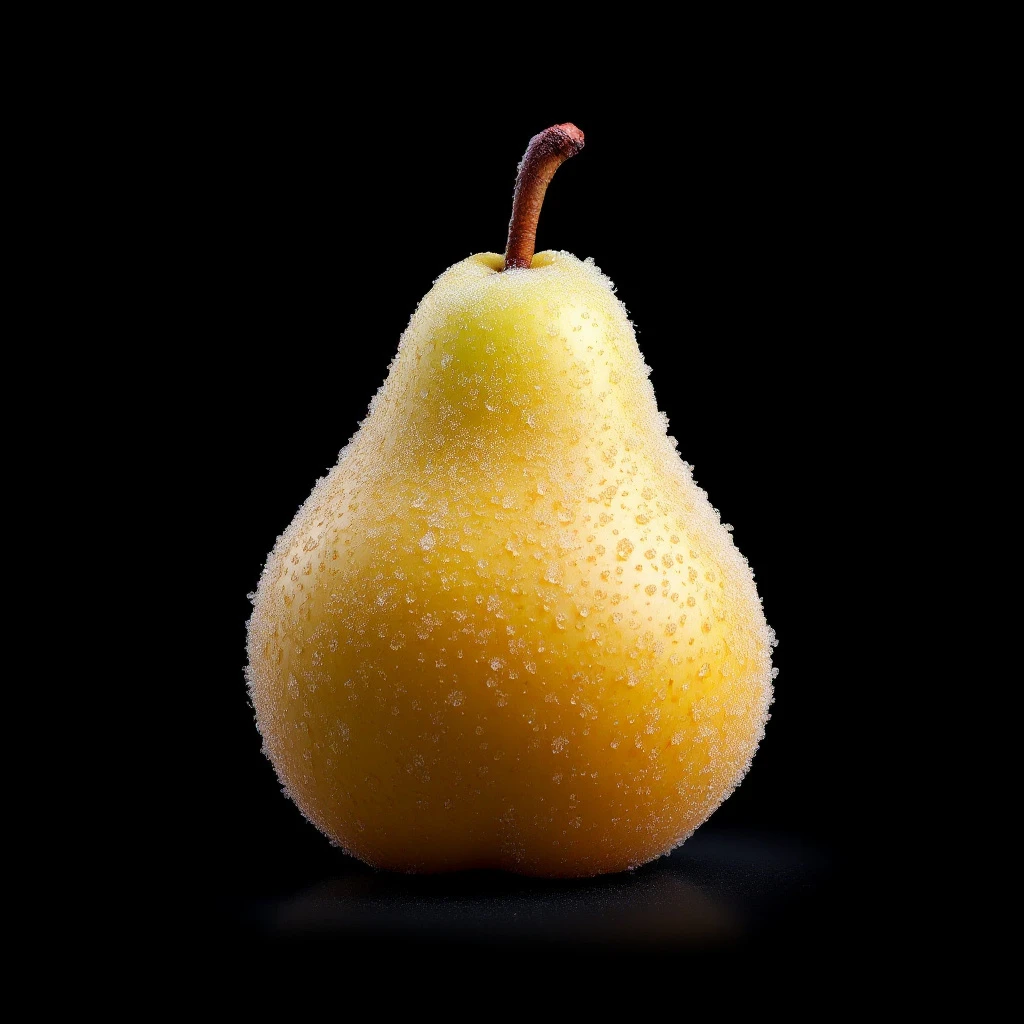
Frosted Pear captures the snap of biting into chilled fruit, crisp at first breath, then yielding to soft, honeyed pulp. This note exists entirely through synthetic chemistry, a modern invention that mimics a scent nature never bottled.
Character
How it smells
Cold fruit, warm chemistry
No pear essential oil exists. The aroma is built entirely from aroma chemicals like hexyl acetate and ethyl (2E,4Z)-2,4-decadienoate, molecules the fruit produces in trace amounts but yields too little to extract commercially.
Pairs beautifully with




Origin
Switzerland
Pear as a scent in perfumery is a 20th century phenomenon. For most of fragrance history, fruit notes were exotic and difficult: citrus oils could be pressed, but delicate fruits like pear, apple, and melon defied extraction.
The breakthrough came after World War II, when advances in organic chemistry gave perfumers access to the ester families responsible for fruity aromas. In the 1960s and 1970s, companies like Firmenich and Givaudan identified and synthesized the key pear molecules, particularly hexyl acetate and the distinctive decadienoate esters that differentiate pear from apple.
These compounds had been known to chemists since the 1920s, but their perfumery potential only became clear as synthetic aroma chemicals reshaped the industry. By the 1990s, pear accords appeared in mainstream fragrances, and the chilled, dewy interpretation now called Frosted Pear emerged as designers sought fresh, photorealistic fruit notes that captured a sense of seasonal atmosphere rather than mere ripeness.
Wears it best
Fragrances featuring Frosted Pear
Brands
Brands known for Frosted Pear
Good to know
Questions, answered
The essentials on Frosted Pear in perfumery: how it smells, where it comes from, and how it behaves on skin.
What does Frosted Pear smell like in perfume?
Frosted Pear smells crisp, green, and slightly cold at first, with a juicy, honeyed sweetness underneath. The icy quality comes from added cooling molecules, while the fruit character is built from esters like hexyl acetate and ethyl decadienoate.
Is Frosted Pear a natural or synthetic fragrance note?
Frosted Pear is entirely synthetic. Pear fruit does not yield enough aromatic oil for commercial extraction, so perfumers reconstruct the scent using laboratory-made aroma chemicals that replicate the fruit's natural volatile compounds.
What is the difference between Pear and Frosted Pear in perfumery?
Pear describes the ripe fruit character, warm and sweet. Frosted Pear adds a chilled, dewy quality through cooling aldehydes or menthol derivatives, creating the impression of cold fruit rather than room-temperature ripeness.
When did pear first appear in perfumery?
Pear notes entered mainstream perfumery in the 1990s, after chemists at firms like Firmenich and Givaudan synthesized the key esters responsible for pear's aroma during the mid-20th century.
Which chemical compounds create the pear scent?
The two most important are hexyl acetate, giving crisp green skin notes, and ethyl (2E,4Z)-2,4-decadienoate, responsible for ripe fruity sweetness. Supporting esters like ethyl 2-methylbutyrate add brightness and lift.
Can pear essential oil be extracted naturally?
No. Pear contains only trace amounts of volatile compounds, far too little for distillation or pressing. Every pear note in commercial fragrance is a synthetic reconstruction.
What fragrance families use Frosted Pear?
Frosted Pear appears most often in fruity florals, fresh gourmands, and aquatic fragrances, where its crisp sweetness adds brightness without the heaviness of vanillic gourmand notes.
How long does Frosted Pear last on skin?
As a top-to-heart note, Frosted Pear typically lasts one to three hours. Its supporting esters are relatively volatile, though blending with fixatives like iso E super can extend its presence on skin.





