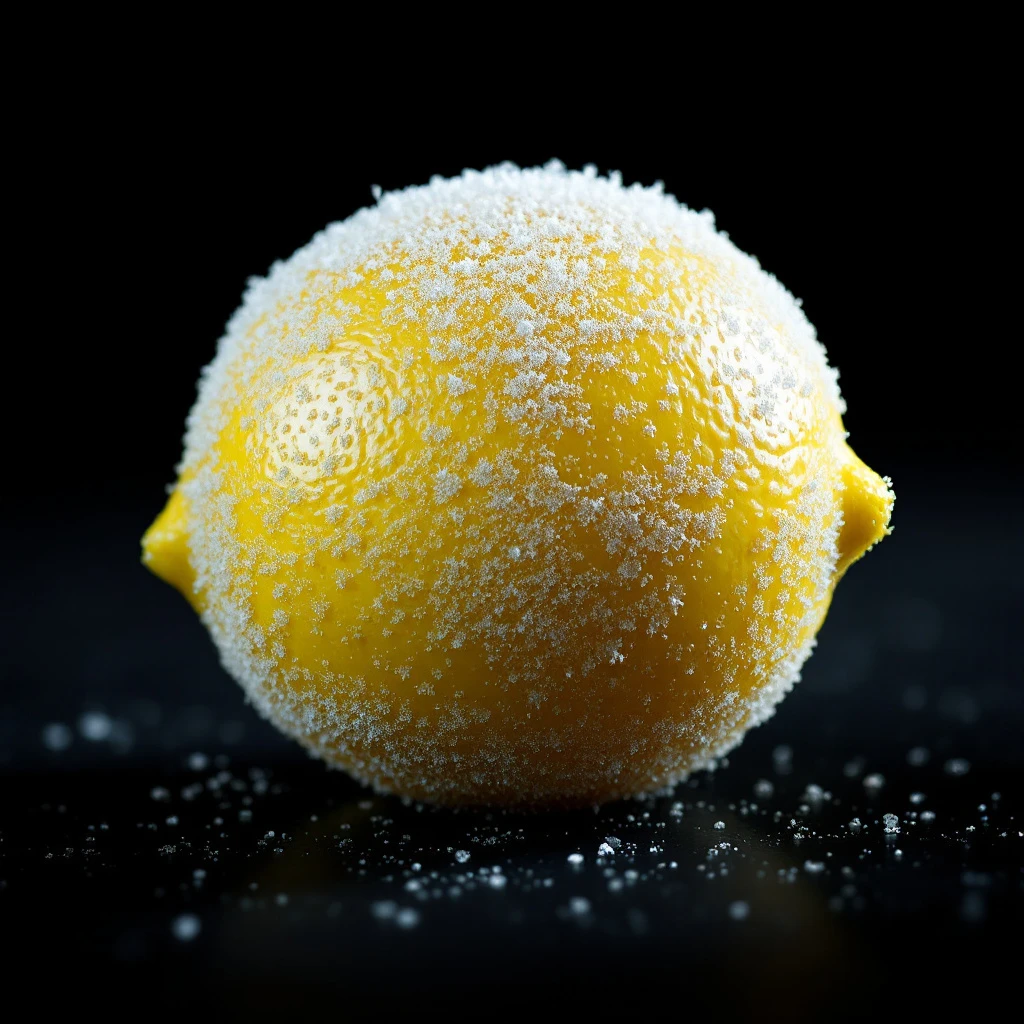
Frosted Lemon
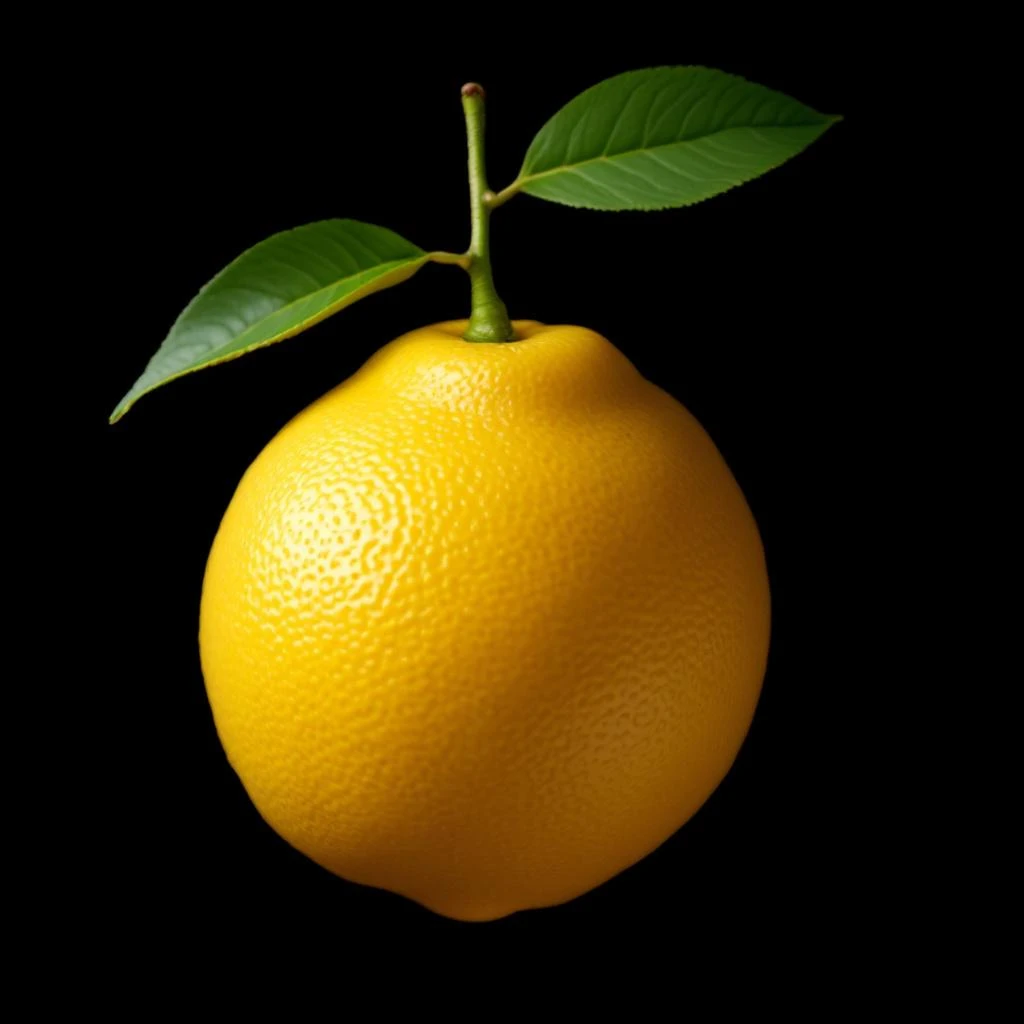
The scent of lemon peel chilled to crystalline brilliance. Cold citrus that snaps like winter air, with a sweetness that never quite melts away.
Character
How it smells
Cold-pressed brightness, frozen in time.
The frost effect comes from specific aldehydes that our brains read as cold, even in warm rooms.


Origin
Laboratory
Lemon fragrance has ancient roots in Mediterranean perfumery, where citrus oils scented temples and baths thousands of years ago. The specific concept of "frosted" citrus emerged in twentieth-century perfumery as synthetic chemistry expanded creative possibilities. Perfumers began experimenting with aldehydes in the 1920s, discovering that certain synthetic compounds could mimic the sharp, cold sensation of breathing winter air.
By the late century, dedicated frost notes became a signature of modern aquatic and ozonic fragrances. Today, Frosted Lemon represents a particular creative vision within this tradition: capturing the invigorating first moment of stepping into a frozen citrus grove, where morning frost still clings to bright yellow rind.
Wears it best
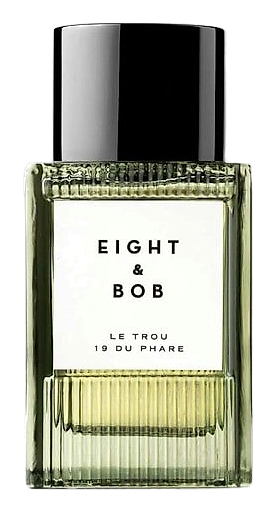
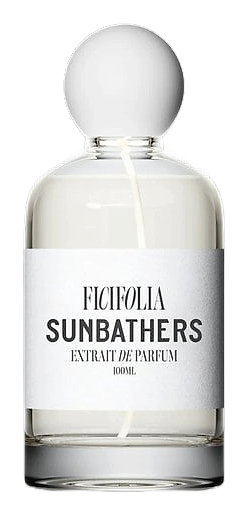
Fragrances featuring Frosted Lemon
Brands
Brands known for Frosted Lemon
Good to know
Questions, answered
The essentials on Frosted Lemon in perfumery: how it smells, where it comes from, and how it behaves on skin.
What does Frosted Lemon smell like?
Frosted Lemon smells like bright lemon zest with a sharp, crystalline quality that feels cold on the nose. It combines sharp citrus brightness with subtle sweet undertones and an almost metallic, frosty edge that gives the impression of chilled citrus rather than fresh fruit at room temperature.
Is Frosted Lemon a natural ingredient?
Frosted Lemon is not a single natural ingredient. Perfumers create it as an accord by combining natural citrus materials with synthetic aroma chemicals. The frost effect specifically comes from synthetic compounds that mimic the olfactory sensation of cold, a technique developed in twentieth-century perfumery.
What makes lemon smell cold rather than fresh?
Aldehydes and specific aliphatic compounds trigger our brains to register a cold sensation even without temperature. These synthetics create a sharp, almost metallic quality that reads as frosty. Natural citrus alone smells bright and fresh, but when treated with these specialized materials, it takes on that distinctive wintry character.
What fragrance families use Frosted Lemon?
Frosted Lemon appears most often in aquatic, ozonic, and fresh fragrance families. Perfumers also use it in modern citrus compositions and fougère styles. Its versatility comes from the way it adds brightness without the typical warmth associated with natural citrus materials.
Does Frosted Lemon fade quickly in a fragrance?
Frosted Lemon typically functions as a top note because the synthetic frost compounds are volatile. The bright, cold impression lasts two to four hours depending on the fragrance's concentration and the perfumer's formulation choices.
Can I find Frosted Lemon in natural perfumery?
Natural perfumery rarely uses the term Frosted Lemon because it specifically describes a synthetic effect. Natural perfumers sometimes approximate the sensation using citrus materials combined with certain botanical extracts, but true frost notes require synthetic chemistry.
What notes pair well with Frosted Lemon?
White musks, aquatic notes, and ozonic accords complement Frosted Lemon's cold character. It also pairs well with transparent woods like cedar and with other bright citruses like bergamot. Avoid pairing it with heavy vanillas or warm resins, which compete with its cool personality.
Why do perfumers create accord-based ingredients like Frosted Lemon?
Accords like Frosted Lemon let perfumers achieve effects impossible with single natural ingredients. While natural lemon oil smells bright and fresh, it cannot capture the sensation of cold on its own. By constructing an accord, perfumers create entirely new olfactory experiences that expand creative possibilities beyond what nature provides.