Frosted Grapefruit
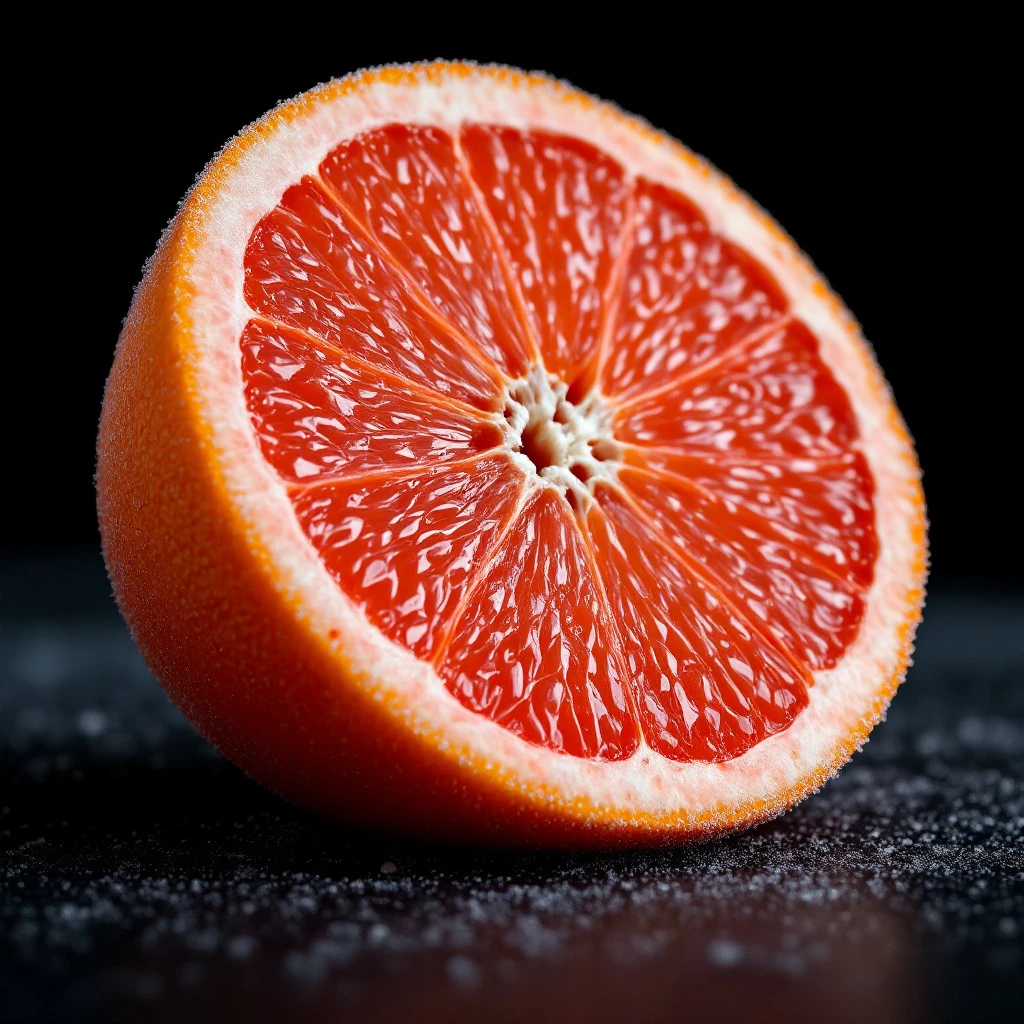
Frosted grapefruit pairs bright citrus peel with a cool, mineral-frost impression, creating a crisp note that feels both refreshing and quietly wintry.
Character
How it smells
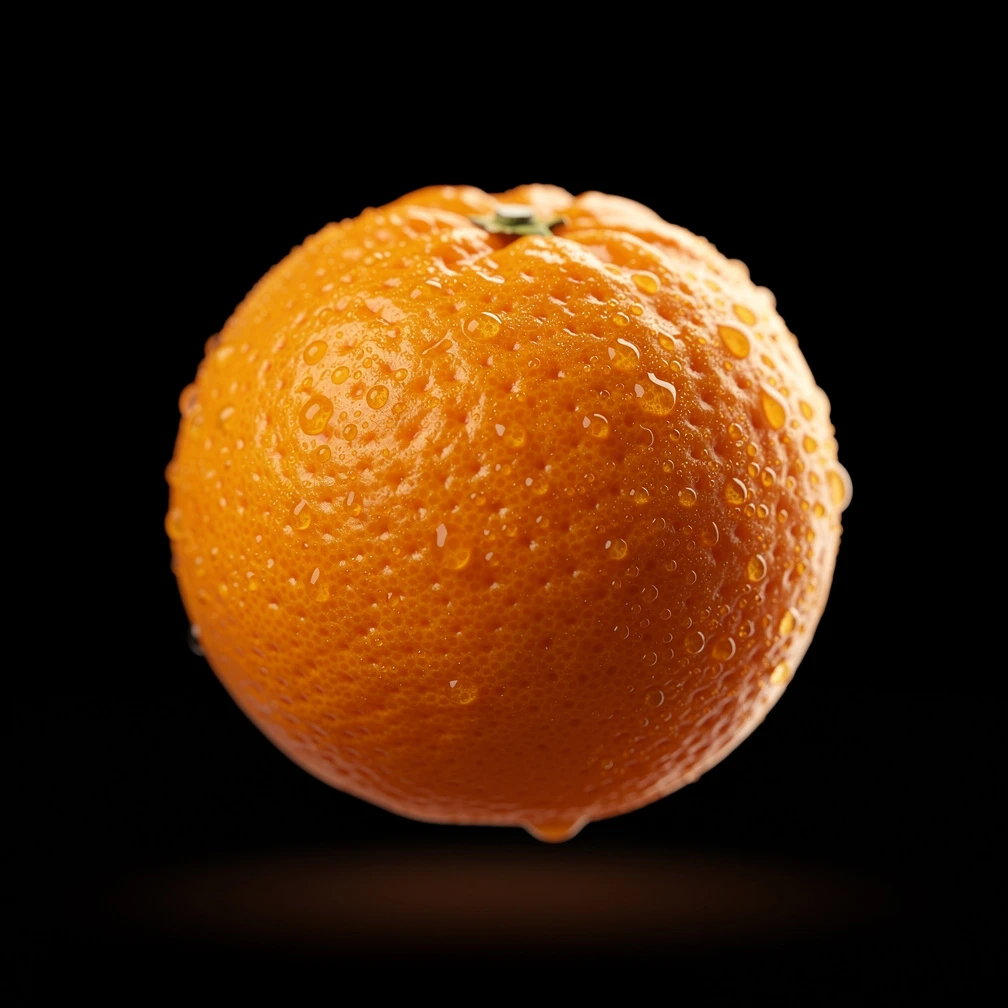
Bright citrus with a cool, crystalline edge.
Florida produced its first commercial batches of grapefruit essential oil in 1933, helping establish cold-pressed citrus as a major perfumery source.




Origin
United States
Grapefruit reached Florida in the 1800s and became closely associated with the state's expanding citrus industry in the late nineteenth and early twentieth centuries. It was initially treated as an exotic novelty, but commercial cultivation and improved distribution increased its availability.
The decisive moment for perfumery came in 1933, when Florida produced its first commercial batches of grapefruit essential oil through cold pressing. This gave perfumers access to a distinctive citrus profile different from lemon or orange: more bitter, rounded, and softly tart.
Grapefruit's popularity continued through the mid-century era, when it became a familiar note in citrus colognes and fresh fragrances. Today, natural grapefruit oil remains important, while selected aroma molecules also allow perfumers to reproduce parts of its peel character with consistent strength.
Wears it best
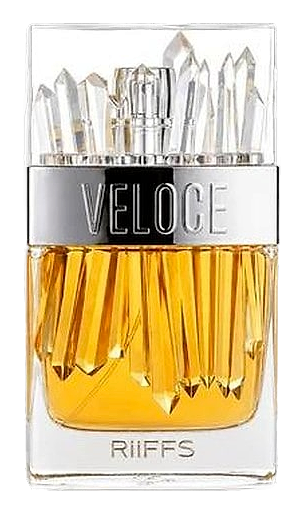
Fragrances featuring Frosted Grapefruit
Brands
Brands known for Frosted Grapefruit
Good to know
Questions, answered
The essentials on Frosted Grapefruit in perfumery: how it smells, where it comes from, and how it behaves on skin.
What does Frosted Grapefruit smell like?
Frosted Grapefruit smells like freshly peeled grapefruit with a cool, crystalline twist. Its character combines juicy citrus, gentle bitterness, and a mineral-frost impression.
Is Frosted Grapefruit a natural fragrance ingredient?
It can be built with natural grapefruit peel oil, selected aroma molecules, or both. The frost effect usually comes from cool-smelling materials rather than frost itself.
What part of the grapefruit is used in perfumery?
Perfumers mainly use the outer peel, where the aromatic oil is concentrated. The fruit pulp and leaves are less commonly used because they yield weaker or different aromatic profiles.
How is grapefruit essential oil produced?
It is typically produced by cold-pressing grapefruit peel. In 1933, Florida made its first commercial batches, establishing an important source for the perfume industry.
Why does Frosted Grapefruit smell cold?
The cold impression comes from combining citrus with icy, aquatic, or mineral-like materials. These notes suggest frost and chilled air without changing the fruit's identity.
How does grapefruit differ from lemon in perfumery?
Grapefruit is generally rounder, more bitter, and more softly tart than lemon. Its peel also carries a distinctive sulfurous nuance that can add depth to citrus compositions.
Is grapefruit oil safe to use in fragrance?
It is widely used in fragrance at regulated concentrations. Formulas must follow applicable safety and labeling requirements, including phototoxicity rules for expressed citrus oils.
Which fragrances commonly feature grapefruit?
Grapefruit appears often in fresh citrus, eau de cologne, and contemporary aromatic fragrances. Its bitterness also works well in refined compositions with woods, florals, and mineral notes.