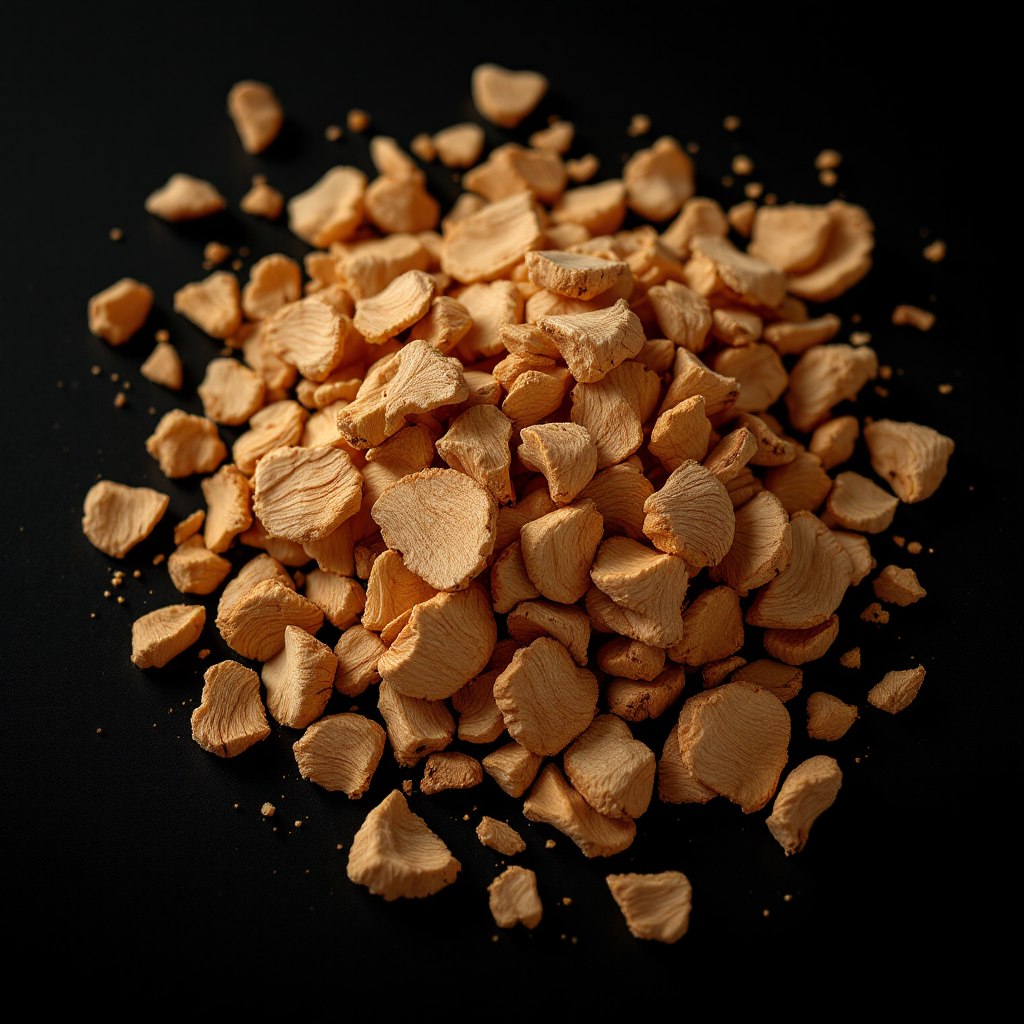
Fresh Evergreen
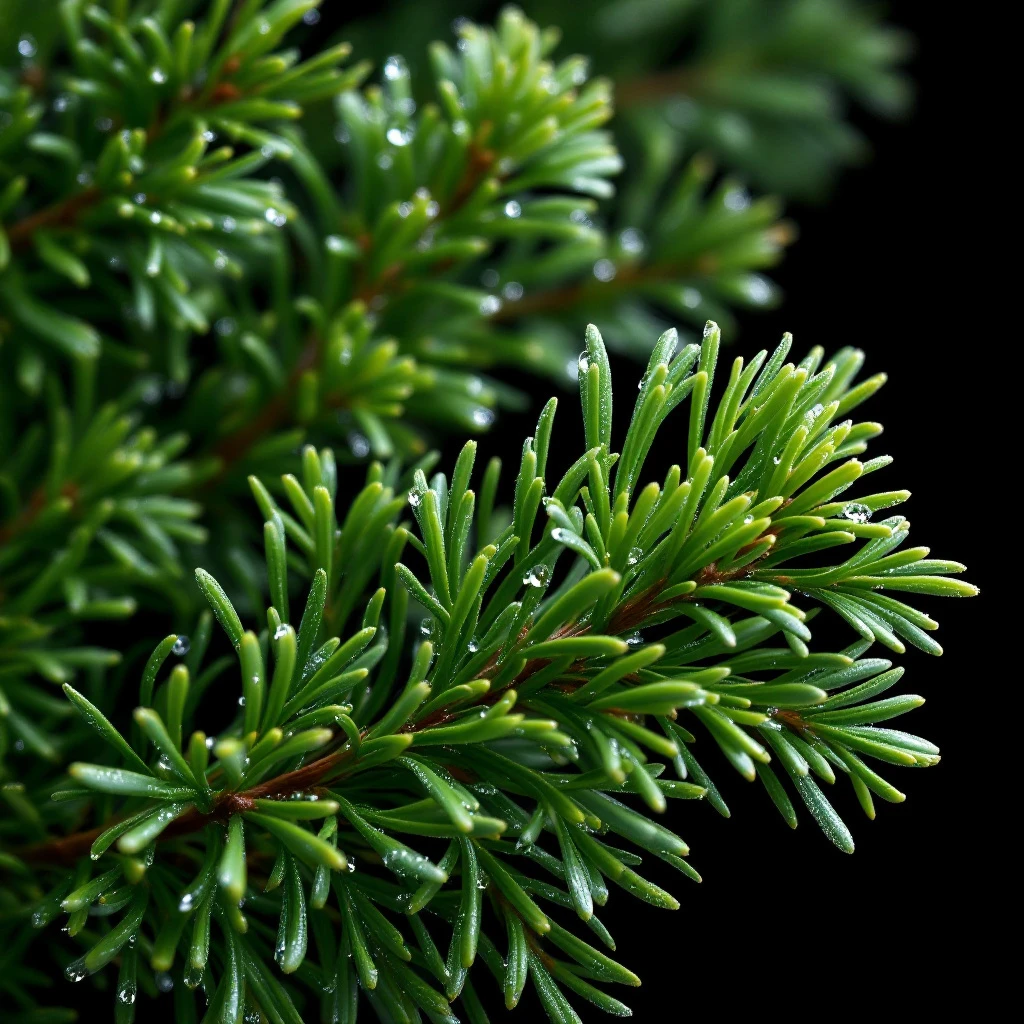
Fresh Evergreen captures the crisp, resinous essence of conifer forests in a single note. Extracted from pine, spruce, and fir needles, this vibrant material brings the outdoors into perfumery with its sharp, clean character and lasting forest freshness.
Character
How it smells
The forest in a bottle. Crisp, sharp, alive.
A single pine tree releases over 2 pounds of pinene into the air daily, shaping the scent of the forest around it.






Origin
Canada
Ancient civilizations relied on pine and fir resins for ceremonial purposes. Greeks and Romans burned conifer needles during religious rituals, while physicians documented their therapeutic uses.
The medieval period saw emerging techniques using water and oil maceration to capture plant essences, laying groundwork for modern extraction. By the late 19th century, the fragrance industry began sourcing standardized conifer oils from dedicated plantations in North America, Europe, and Asia.
Canadians and Native Americans traditionally used pine needle tea for its medicinal properties, and conifer resins appeared in folk remedies across multiple cultures. Today, fresh evergreen notes remain a cornerstone of green, fougere, and chypre compositions, valued for their ability to evoke open air and natural landscapes.
Wears it best
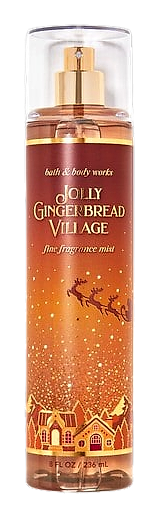
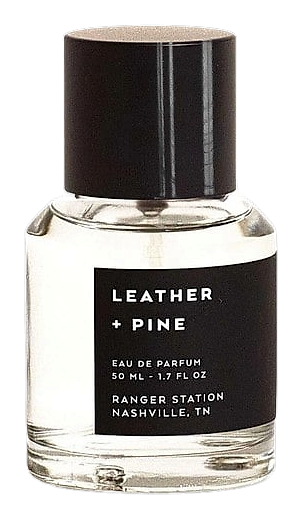
Fragrances featuring Fresh Evergreen

Brands
Brands known for Fresh Evergreen
Good to know
Questions, answered
The essentials on Fresh Evergreen in perfumery: how it smells, where it comes from, and how it behaves on skin.
What exactly is Fresh Evergreen in perfumery?
Fresh Evergreen is a fragrance note derived from conifer trees like pine, spruce, and fir. It captures the crisp, resinous scent of forest air. Perfumers source it as natural essential oil or recreate it using isolated compounds like pinene and bornyl acetate.
Is Fresh Evergreen a natural or synthetic ingredient?
Both natural and synthetic versions exist. Natural Fresh Evergreen comes from steam-distilled conifer needles. Synthetic versions use isolated aroma molecules to replicate the scent profile. Natural oils offer greater complexity, while synthetics provide consistency.
How does steam distillation work for conifer oils?
Steam distillation forces pressurized steam through conifer needles, causing essential oil compounds to evaporate. The vapor condenses, and the oil separates from the water. This method preserves delicate aromatic compounds while producing a concentrated, usable extract.
What tree species provide Fresh Evergreen notes?
Siberian fir, Douglas fir, Scots pine, and Norway spruce yield the most prized evergreen oils. Each species produces a slightly different aromatic profile, ranging from sweet and balsamic to sharp and medicinal. Blending multiple species creates complexity.
What are the key aroma compounds in Fresh Evergreen?
Pinene, bornyl acetate, and camphene define the Fresh Evergreen character. Pinene contributes sharp, woody notes. Bornyl acetate adds sweet, balsamic undertones. Camphene provides a cool, medicinal freshness. These compounds work together to create the characteristic forest scent.
What is the historical significance of evergreen notes?
Evergreen notes have roots in ancient Egyptian and Mesopotamian perfumery, where pine resins served ceremonial purposes. Medieval European apothecaries used conifer extracts medicinally. By the 19th century, steam distillation made evergreen oils commercially available for fine perfumery.
What fragrance families pair well with Fresh Evergreen?
Fresh Evergreen integrates naturally with citrus, floral, and woody notes. It complements lemon, bergamot, rose, jasmine, sandalwood, and cedarwood. The note anchors green, fougere, and chypre compositions while adding natural depth to fresh fragrances.
What does Fresh Evergreen smell like?
Fresh Evergreen opens with a sharp, piercing freshness that immediately evokes forest air. The scent carries resinous undertones with a clean, cool quality. The overall impression is bright, airy, and outdoorsy, lingering with a subtle woody persistence.