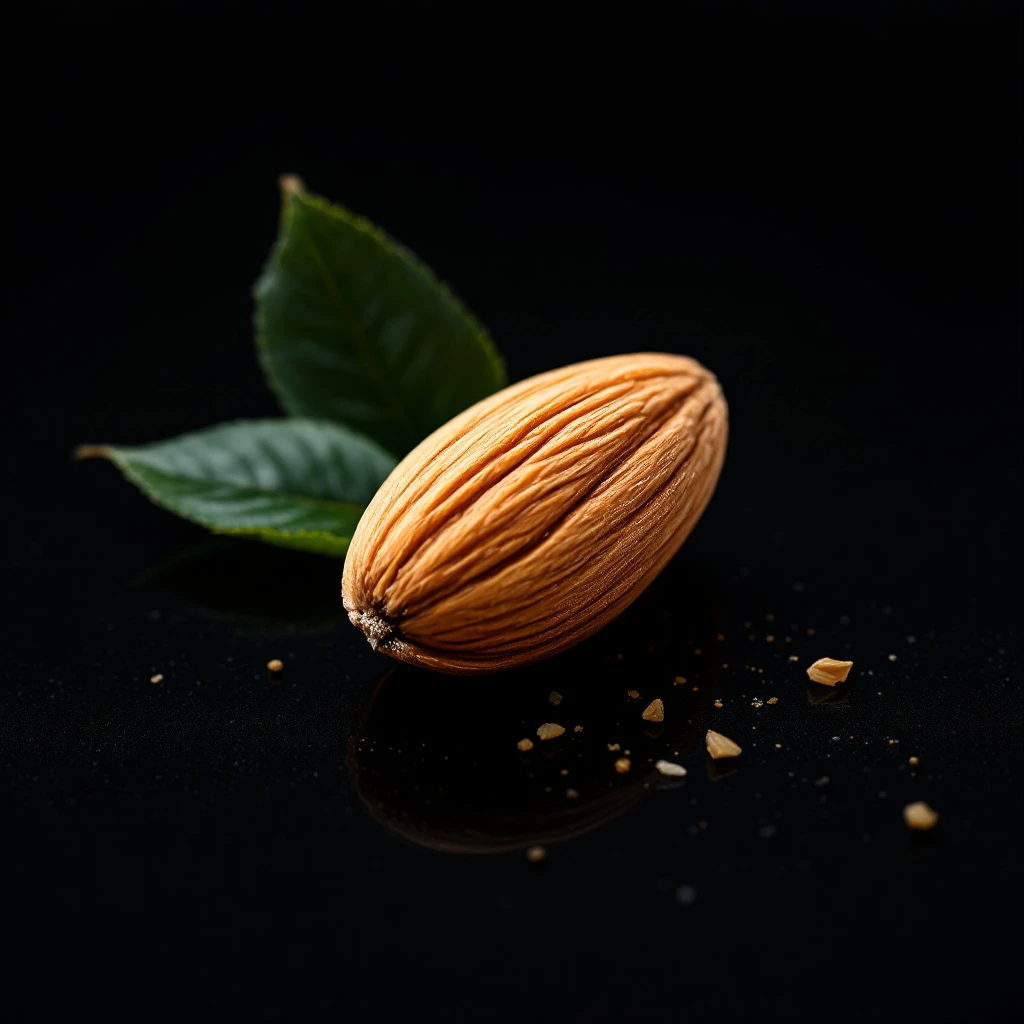
Fresh Almond
Fresh almond arrives in perfumery as a study in contrast: creamy on the surface, quietly bitter at the edges, with a warmth that lingers like marzipan on skin.
Character
How it smells
Creamy, bitter, and quietly unforgettable.
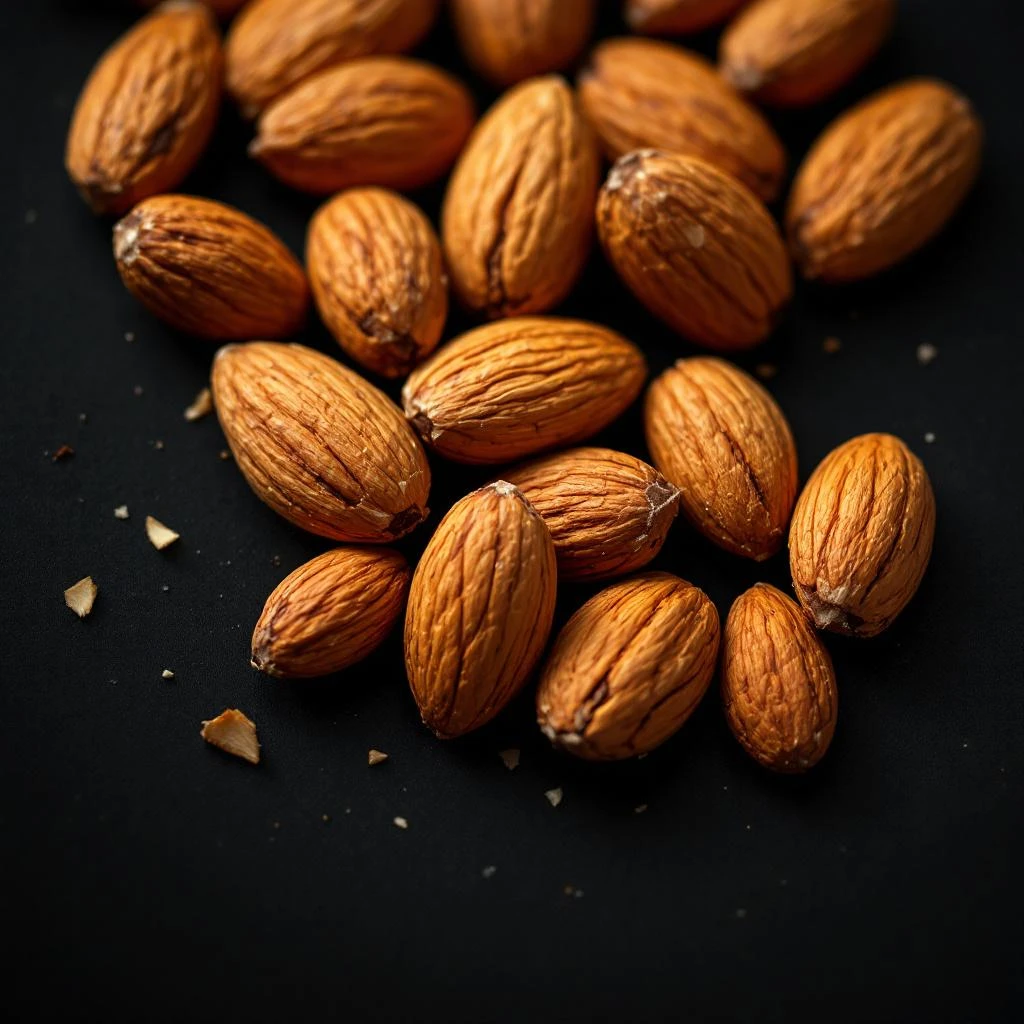
Natural almond oil comes not from the nut itself but from the kernel inside—the same kernel that gives apricot pits their faint, edible perfume.







Origin
Mediterranean region
Almond has threaded through human civilization for millennia, valued as much for its fragrance as for its food. Ancient Egyptians incorporated almond-scented oils into ceremonial unguents, while Greek and Roman cultures associated the nut with fertility, divine blessing, and awakening.
Roman brides carried almonds as symbols of prosperity, a practice that persisted across Mediterranean cultures for centuries. The bitter almond, distinct from the edible sweet variety, became the prized perfumery material after traders introduced it along Silk Road routes connecting Persia with European markets.
By the nineteenth century, when modern perfumery took shape in Grasse and Paris, almond had already accumulated centuries of use as both a scent and a symbol. Contemporary perfumers continue working with this ancient note, now with synthetic tools that give the old ingredient new versatility.
Wears it best
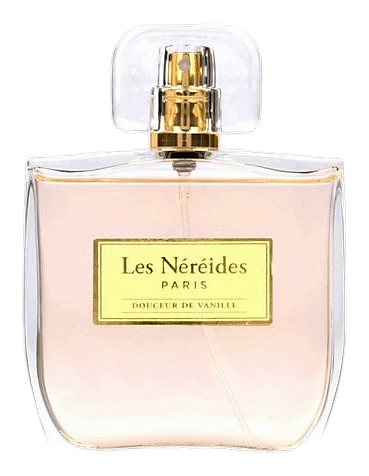
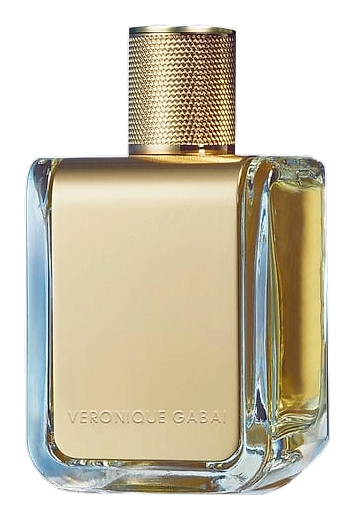
Fragrances featuring Fresh Almond
Brands
Brands known for Fresh Almond
Good to know
Questions, answered
The essentials on Fresh Almond in perfumery: how it smells, where it comes from, and how it behaves on skin.
What does fresh almond smell like in perfume?
Fresh almond combines a soft, edible creaminess with a faint bitter edge reminiscent of marzipan. It feels warm, slightly powdery, and comforting without being sweet in the sugary sense.
Is almond in perfume natural or synthetic?
Both forms exist. Natural sources include bitter almond oil from cold-pressed kernels and hydrodistilled apricot pit extract. Most commercial almond notes today come from synthetic benzaldehyde or benzyl acetate, which replicate the natural scent with high accuracy.
Where does almond appear in a fragrance pyramid?
Almond typically occupies the heart and base stages of a fragrance. It develops gradually as the top notes fade, lending warmth and a gourmand quality that often pairs with vanilla, tonka, or amber materials.
What fragrance families use almond notes?
Almond appears across gourmand, oriental, and even fresh fragrance families. It adds depth to sweet compositions and provides an interesting counterpoint in cooler, green-leaning scents.
Are bitter almonds safe for perfumery?
Bitter almonds contain amygdalin, which releases hydrogen cyanide when metabolized. Perfumers mitigate this risk by using heat-treated oils or by sourcing the key aromatic, benzaldehyde, through synthetic or biotech routes.
What pairs well with almond in fragrance compositions?
Vanilla amplifies almond's sweetness. Tonka bean deepens the marzipan character. Cherry and heliotrope create almond-forward gourmand effects, while amber and sandalwood add warmth and longevity.
How long does the almond note last on skin?
Almond holds moderate tenacity, typically lasting three to five hours depending on concentration and companion materials. It pairs well with fixatives like musks or woods to extend its presence.
Can apricot kernels replace bitter almonds in perfumery?
Yes, apricot kernels yield benzaldehyde through hydrodistillation, producing a natural almond-like material. This offers perfumers a safer, more accessible alternative while preserving the characteristic bitter-soft scent profile.