Freesia Leaf
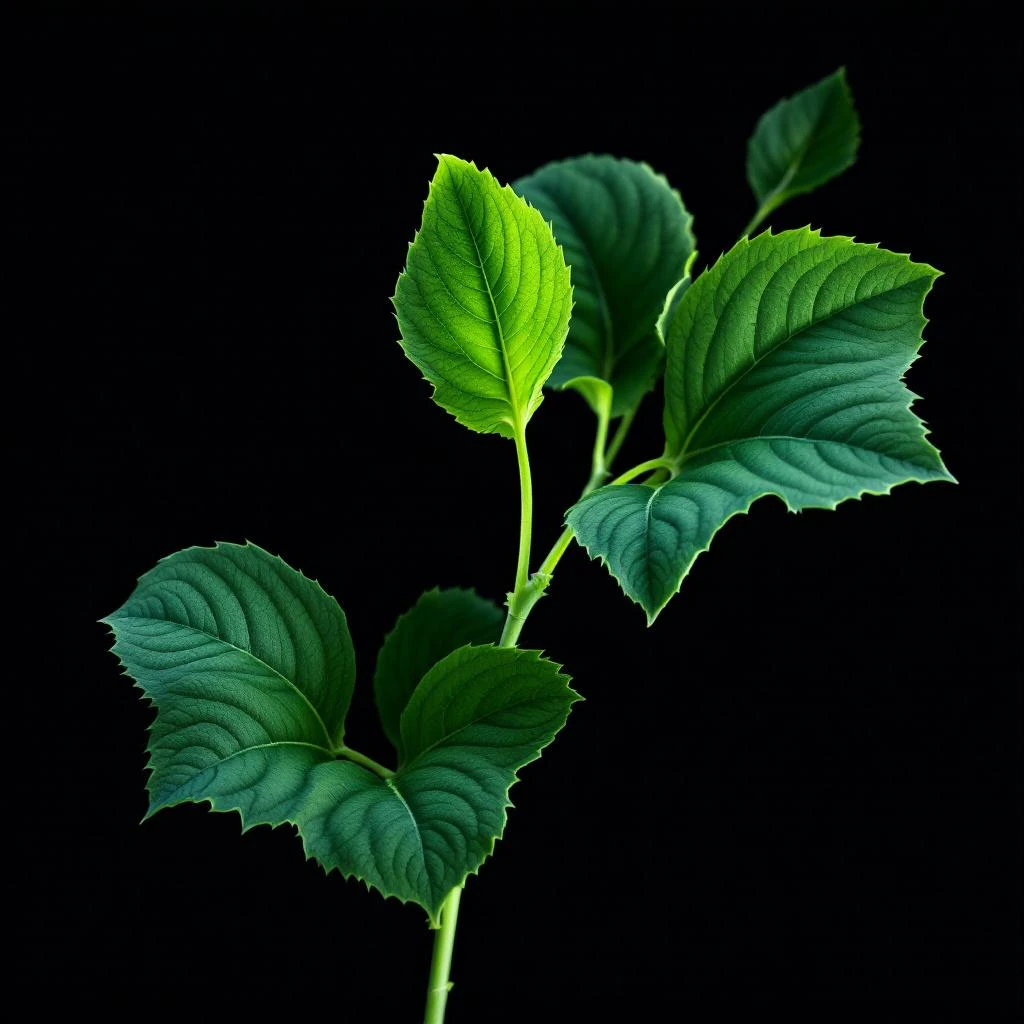
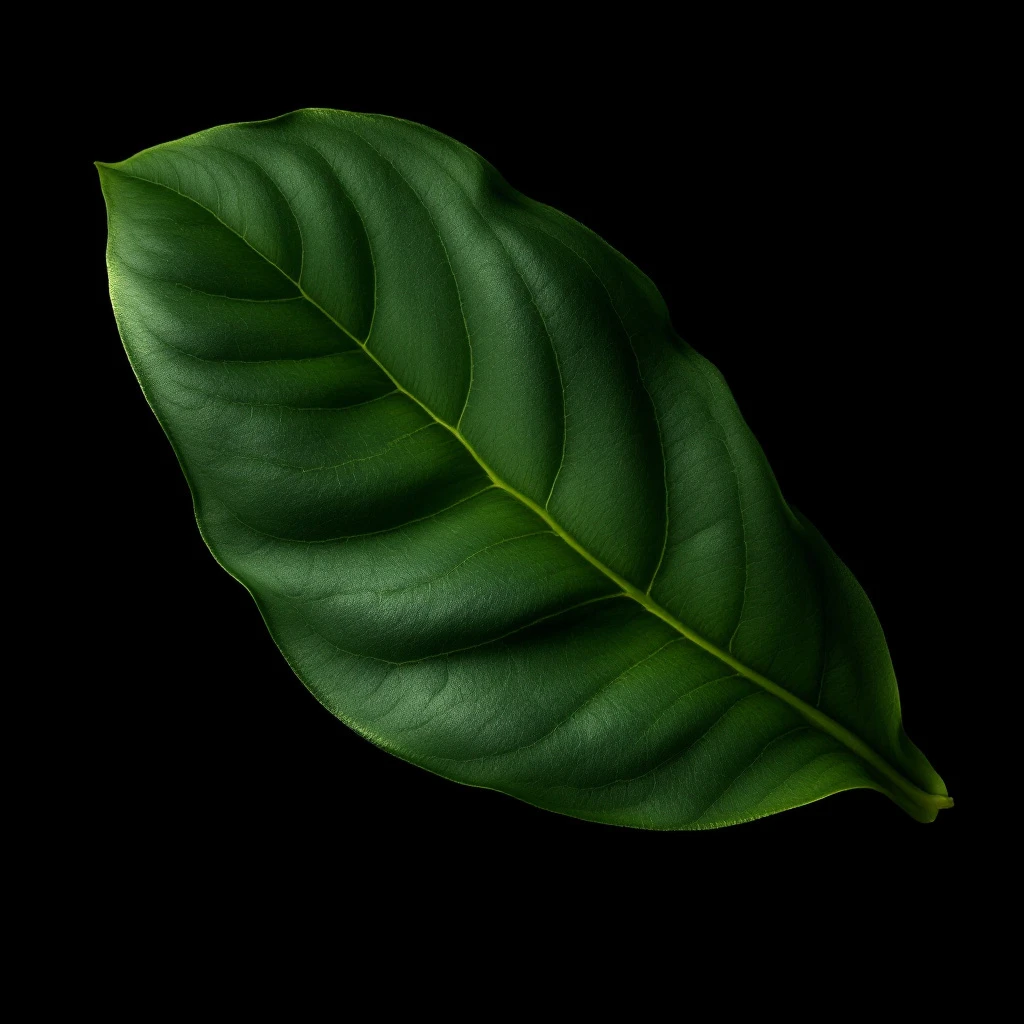
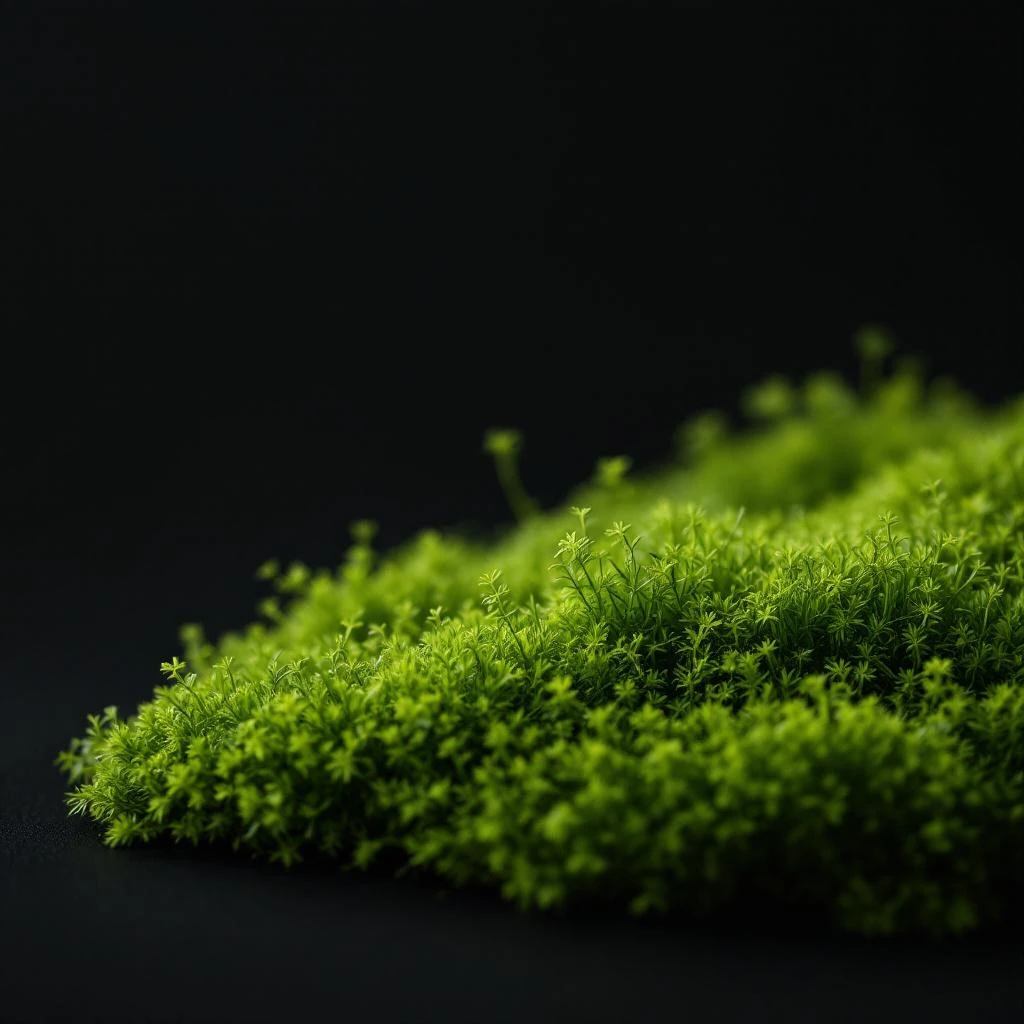
Freesia leaf delivers a crisp, verdant green note that brings airy freshness to fragrance compositions. While the flower captures sweetness, the leaf offers a cooler, dew-kissed character that grounds brighter elements and adds natural lift to top notes.
Character
How it smells
The unsung green whisper of a beloved bloom.
Freesia leaves grow in elegant fans, standing upright to channel morning dew to the plant's roots.



Origin
South Africa
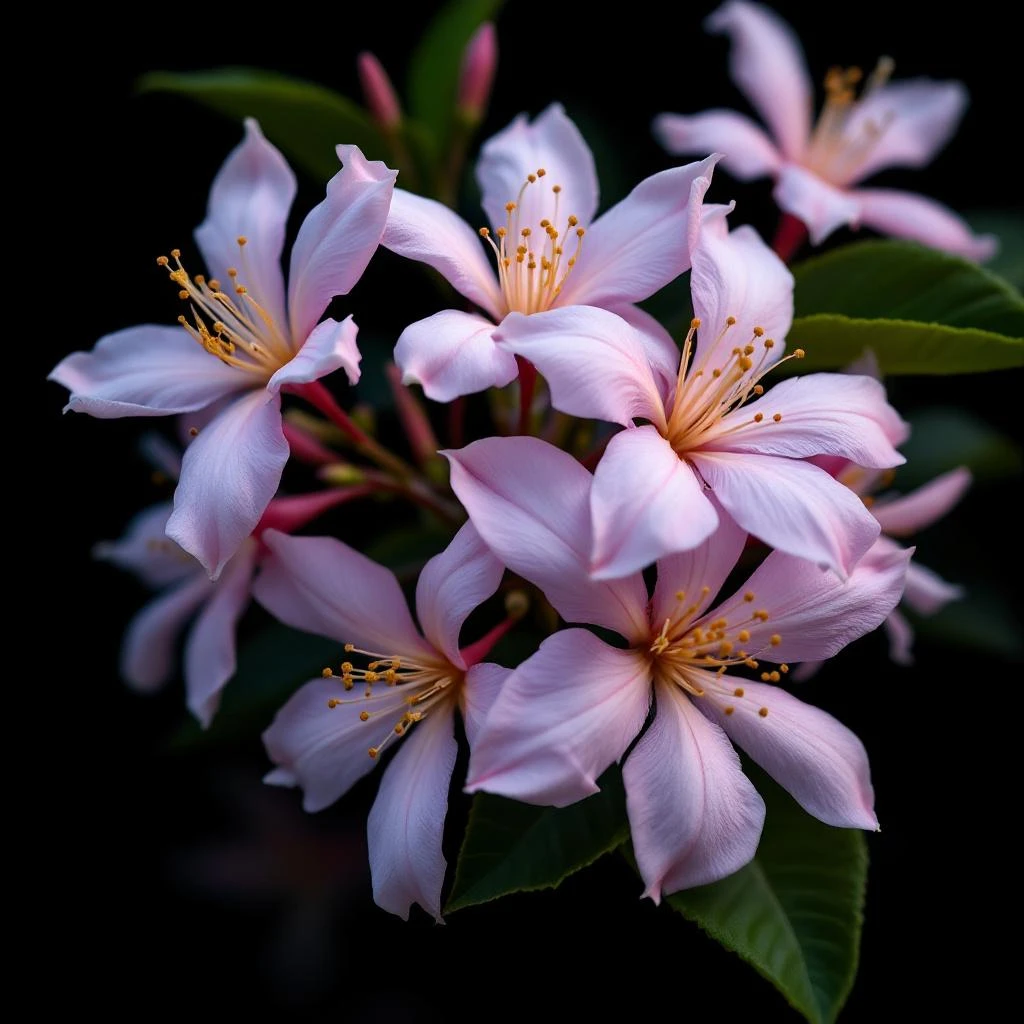
Freesia traces its botanical roots to South Africa's Cape region, first documented by Danish botanist Christian Ecklon in the 19th century. The genus received its name honoring Friedrich Heinrich Theodor Freese, a German physician and plant collector from Kiel who studied African flora.
While European horticulturists quickly developed the fragrant flowers for ornamental and perfume use, the plant's green foliage remained largely unexamined by early perfumers. The leaf's aromatic potential emerged only as fragrance chemistry advanced, when analytical techniques could identify the specific green compounds present in the living plant.
Santa Maria Novella's historical pharmacy records show experiments with whole freesia plants, suggesting early practitioners recognized value beyond the blooms. Today, as perfumers seek to recreate the complete sensory experience of botanical materials, freesia leaf has found its place as a sophisticated green modifier.
Wears it best
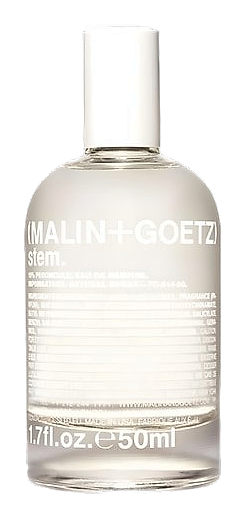
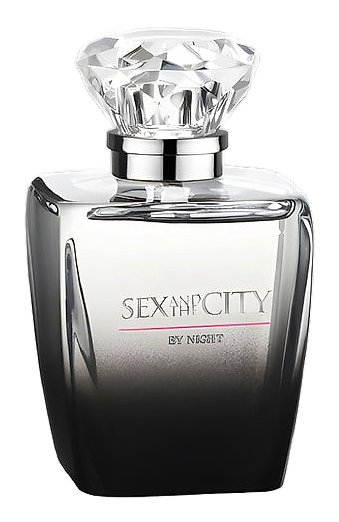
Fragrances featuring Freesia Leaf
Brands
Brands known for Freesia Leaf
Good to know
Questions, answered
The essentials on Freesia Leaf in perfumery: how it smells, where it comes from, and how it behaves on skin.
What does freesia leaf smell like in perfume?
Freesia leaf provides a crisp, green scent reminiscent of freshly cut grass and morning dew. It adds natural freshness without the sweetness of the flower, creating an airy, outdoors quality.
Is freesia leaf natural or synthetic in fragrances?
Most commercial freesia leaf material is derived through solvent extraction of real plant matter. Synthetically recreated green notes also exist and offer consistency, though natural extraction captures more complex botanical nuance.
How is freesia leaf used in perfumery?
Freesia leaf functions primarily as a modifier in the top note and heart of fragrances. It adds natural lift to citrus compositions, brings green freshness to aquatic scents, and grounds sweeter floral elements with its vegetal character.
What fragrance families use freesia leaf?
Freesia leaf appears most frequently in green, chypre, and fresh floral compositions. It works particularly well in spring and summer fragrances, as well as modern gender-neutral designs seeking natural green character.
Where do commercial freesia crops grow?
Commercial freesia cultivation centers on the Netherlands, which produces approximately 90 percent of the world's forced freesia cut flowers. The plants thrive in well-drained soil under moderate sunlight conditions.
Can you extract fragrance directly from freesia leaves?
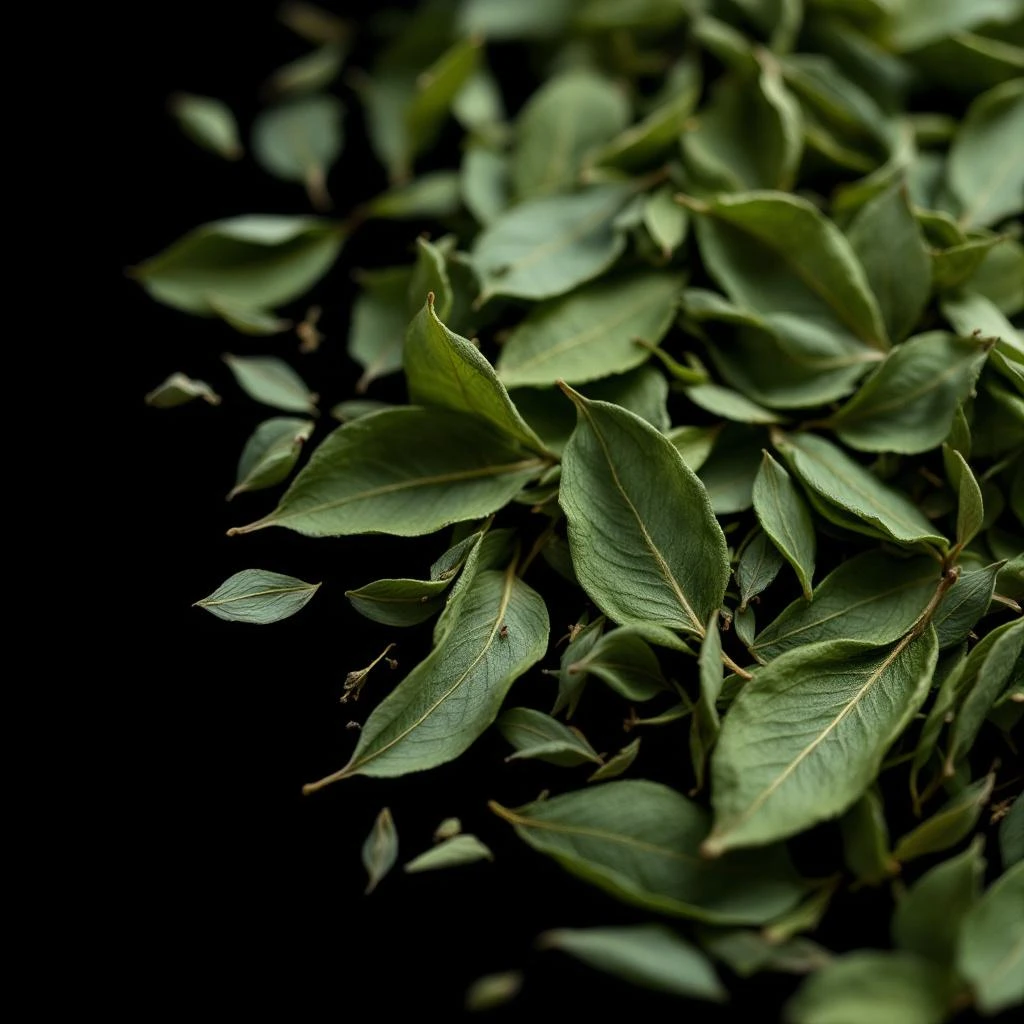
Yes, fresh freesia leaves can be processed through solvent extraction or supercritical CO2 methods to produce an aromatic absolute. The yield is relatively low compared to flower extraction, making leaf-derived materials less common.
What aroma chemicals mirror freesia leaf character?
Synthetic green notes like cis-3-hexen-1-ol (leaf alcohol), cis-3-hexenyl acetate, and various ionones help perfumers recreate or enhance freesia leaf effects when natural materials prove scarce or costly.
Does freesia leaf differ from freesia flower in scent?
Completely. The flower delivers sweet, warm floral notes with peachy and slightly spiced facets. The leaf offers cool, green, grassy characteristics that smell like the plant itself rather than its blooms.