Frangipani Water
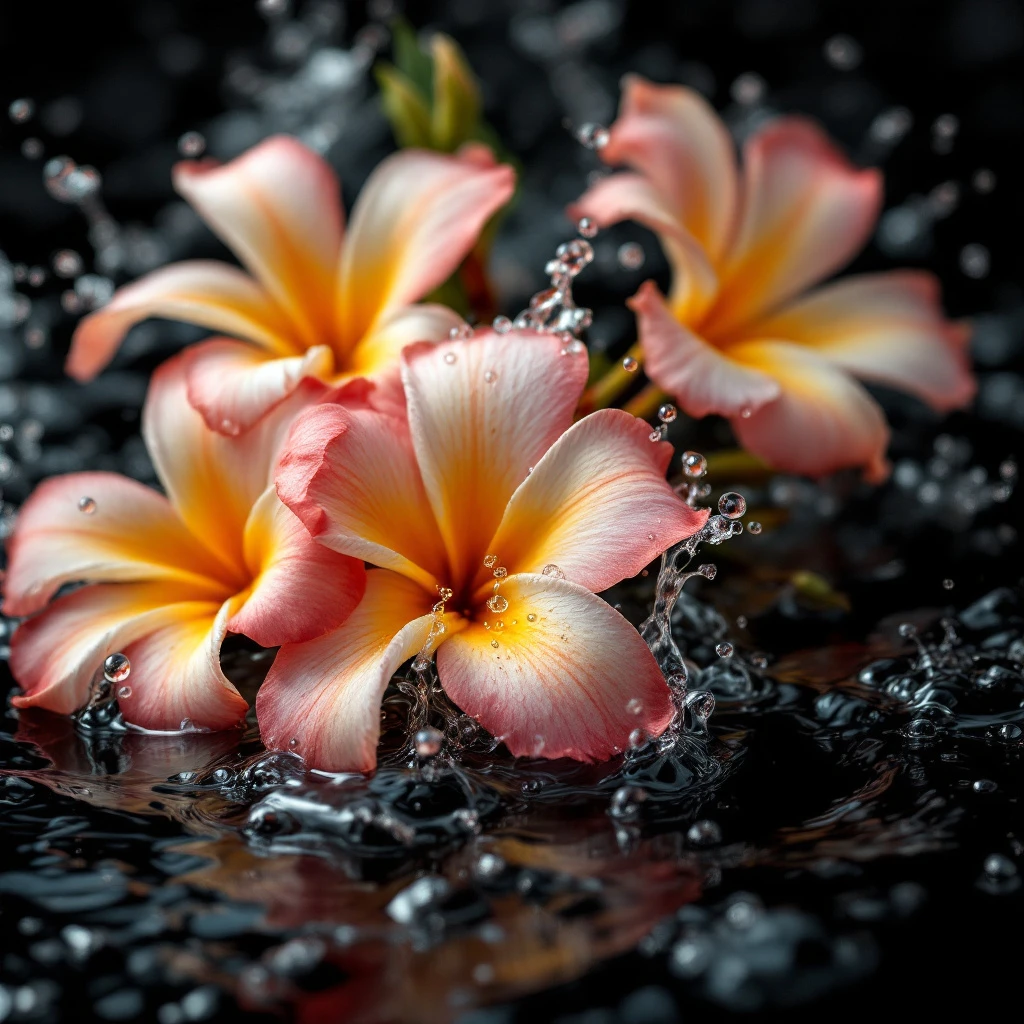
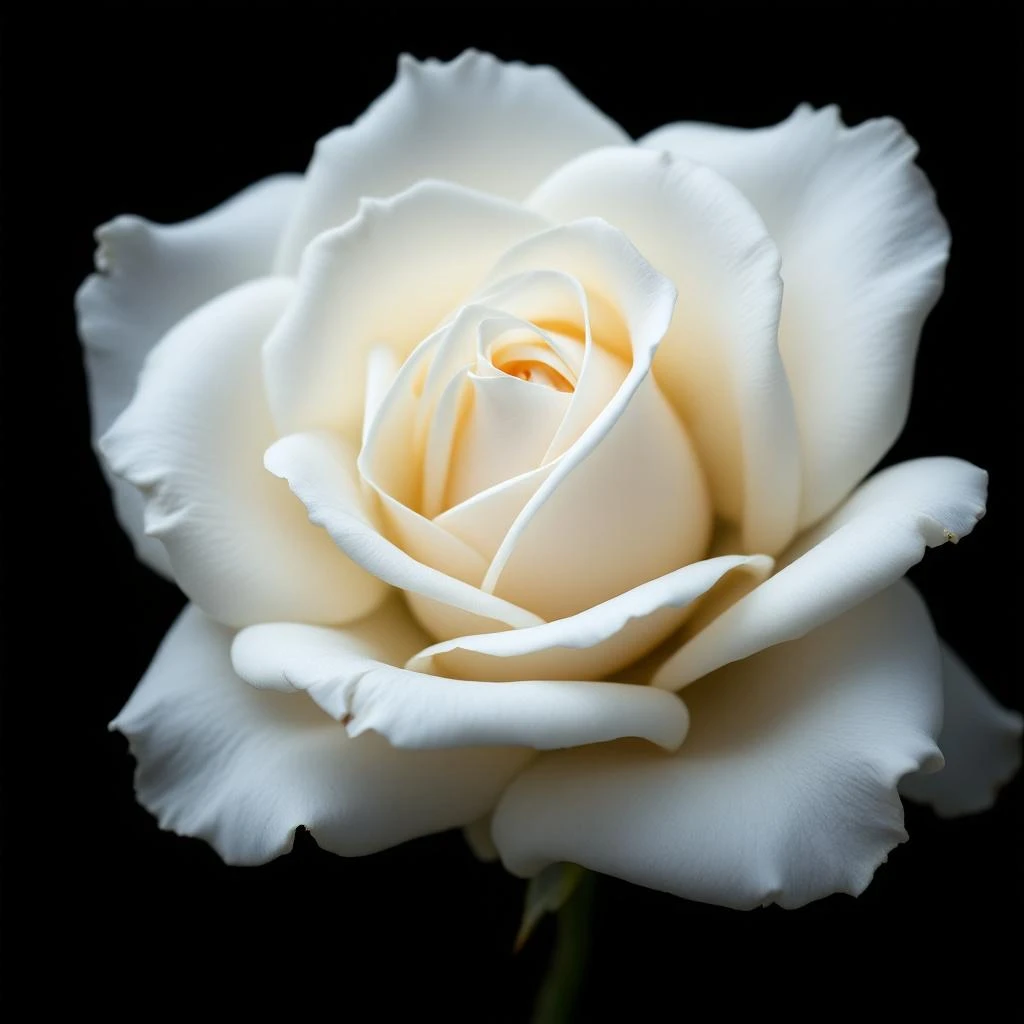
A luminous tropical distillate capturing the creamy, sun-warmed essence of frangipani blossoms. Its delicate floralcy evokes white petals unfurling in island breeze, balanced by subtle green and honeyed undertones.
Character
How it smells
Island sunlight distilled into liquid.
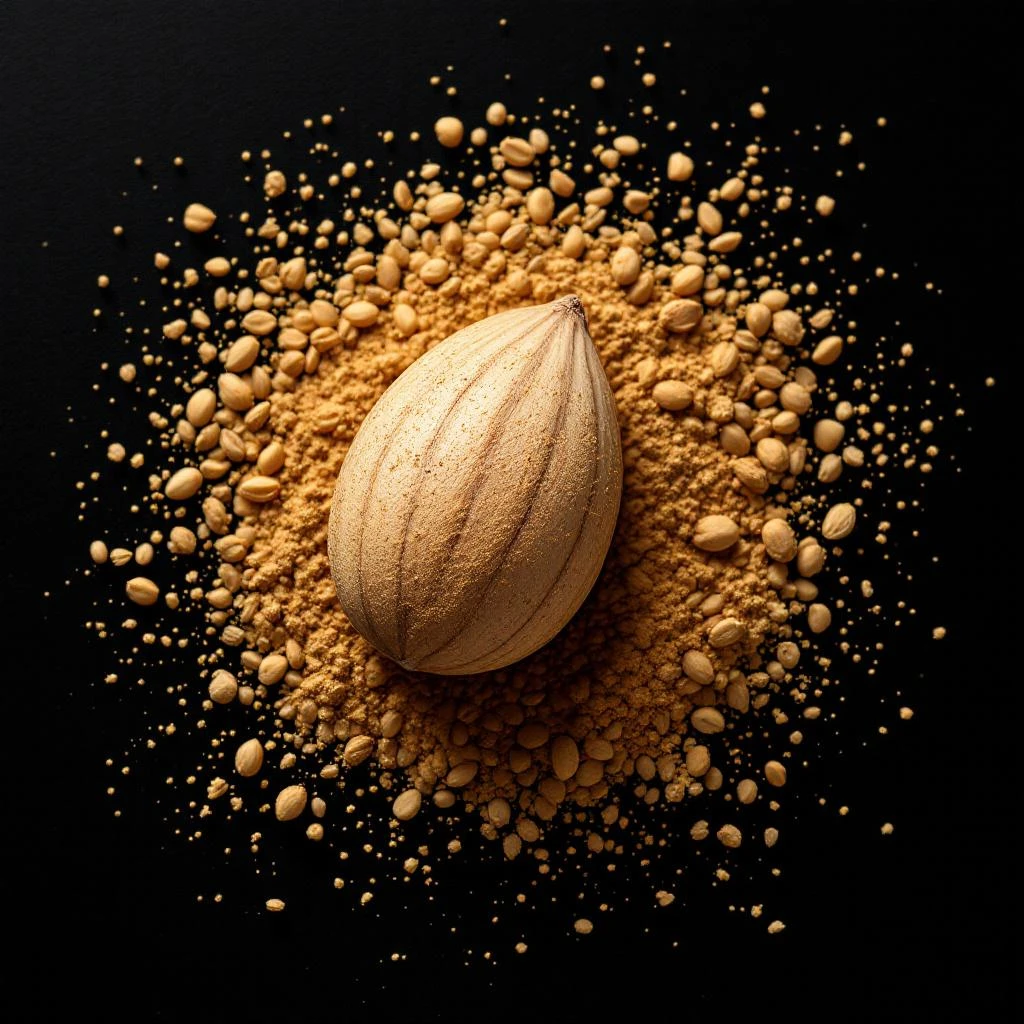
The flower named after a 16th-century Italian nobleman never actually appeared in his original almond perfume.




Origin
Mexico
The frangipani story begins not with a flower but with a glove. In 16th-century Italy, Marquis Muzio Frangipani developed an almond-scented perfume for leather gloves, a fashionable accessory of the era. His aromatic creation bore no relation to the tropical plumeria blossoms we associate with the name today.
French botanists later observed that the creamy, slightly sweet scent of plumeria reminded them of Frangipani's historical fragrance, and the association stuck. The flower itself traces deeper roots, honored across pre-Columbian civilizations in Mexico and Central America where it adorned temples and marked sacred spaces. When Spanish explorers carried plumeria to the Philippines and beyond, the plant merged with local traditions, becoming central to Hawaiian lei-making and Southeast Asian temple offerings.
The name Frangipani now belongs equally to flower and perfumer, two scents separated by centuries finally united in modern formulations.
Wears it best
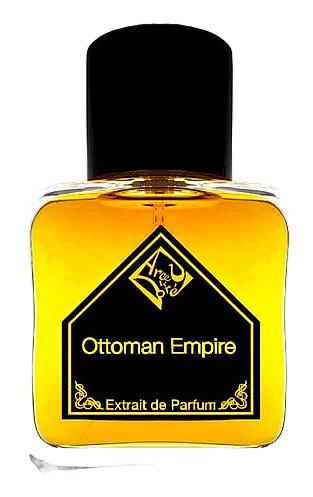
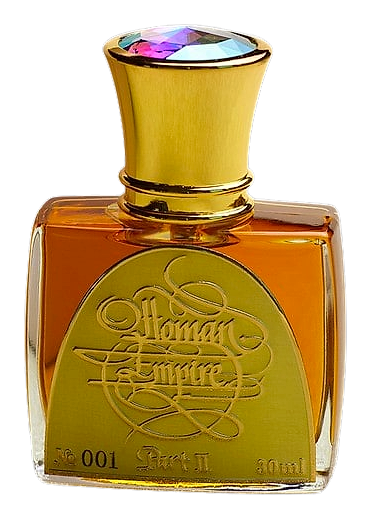
Fragrances featuring Frangipani Water
Brands
Brands known for Frangipani Water
Good to know
Questions, answered
The essentials on Frangipani Water in perfumery: how it smells, where it comes from, and how it behaves on skin.
What is frangipani water in perfumery?
Frangipani water is a hydrosol obtained through hydroalcoholic distillation of plumeria flowers. It captures the flower's volatile aromatic compounds in a water-based medium, offering a lighter, more delicate scent profile than absolutes.
Can frangipani be extracted as an essential oil?
True frangipani essential oil is extremely rare. The flower produces minimal oil and yields poorly to conventional steam distillation. Most natural frangipani materials in perfumery are absolutes or enfleurage extracts rather than essential oils.
Why does frangipani not smell like almonds?
The original 16th-century Frangipani perfume was based on orris and bitter almond compounds. French botanists later applied the name to plumeria because of a superficial sweetness comparison, not because the flowers share the same aromatic chemistry.
Is natural frangipani used in luxury perfumes?
Natural frangipani absolute ranks among the costlier floral ingredients due to low yield. High-end fragrances from houses like Hermès and Le Labo incorporate real frangipani, often blended with synthetic materials to stabilize and extend the delicate scent.
What does frangipani water smell like?
Frangipani water presents as creamy, warm, and tropical with white floral sweetness, accented by subtle green stems and a honey-like depth. The scent evokes gardenia and jasmine but carries a distinctive sunny, almost coconut-like quality.
Is frangipani synthetic or natural?
Most commercial frangipani materials are synthetic reconstructions or blended naturals. True natural frangipani absolute derives from solvent extraction and remains expensive, while synthetic versions reproduce key aromatic molecules like dihydrojasmonate at lower cost.
Which countries produce frangipani for perfumery?
India and Thailand cultivate substantial plumeria crops for fragrance use. The flowers grow abundantly across tropical regions, but processing facilities and extraction expertise concentrate in countries with established fragrance industries.
How should I experience frangipani in fragrance?
Apply frangipani-forward fragrances to pulse points where body warmth reveals its full evolution. The scent blooms differently on skin over two to three hours, shifting from bright floral opening to creamy drydown.



