Fougassette
A synthetic fougère aromatic molecule that captures the essence of fern-like freshness with a clean, green, and slightly bitter character. Perfumers use it to evoke the sensation of walking through a damp forest floor, bringing a natural, botanical quality to modern fragrance compositions.

Character
How it smells
Fern-forward freshness in molecular form
Fougère Royal by Houbigant launched in 1884 as the first fragrance built entirely around the fougère concept, revolutionizing how perfumers thought about fragrance families.
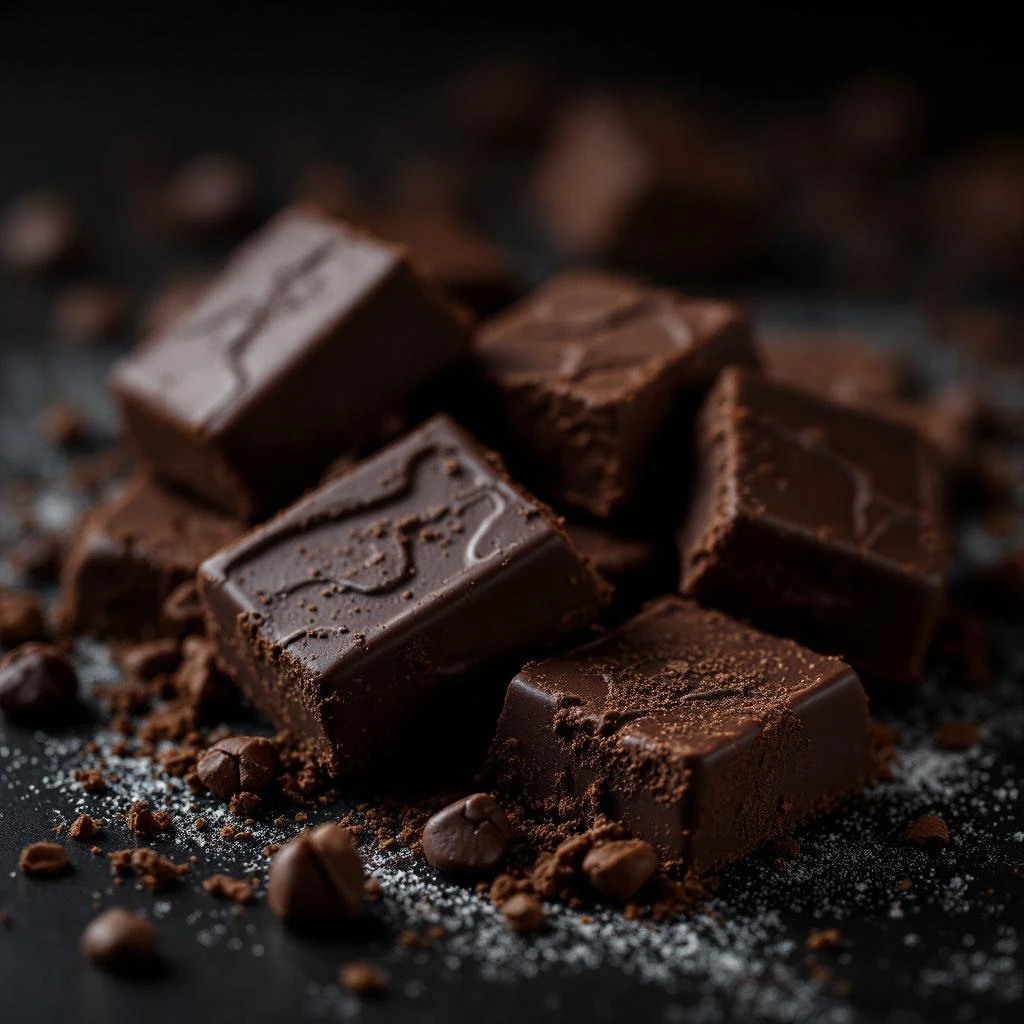
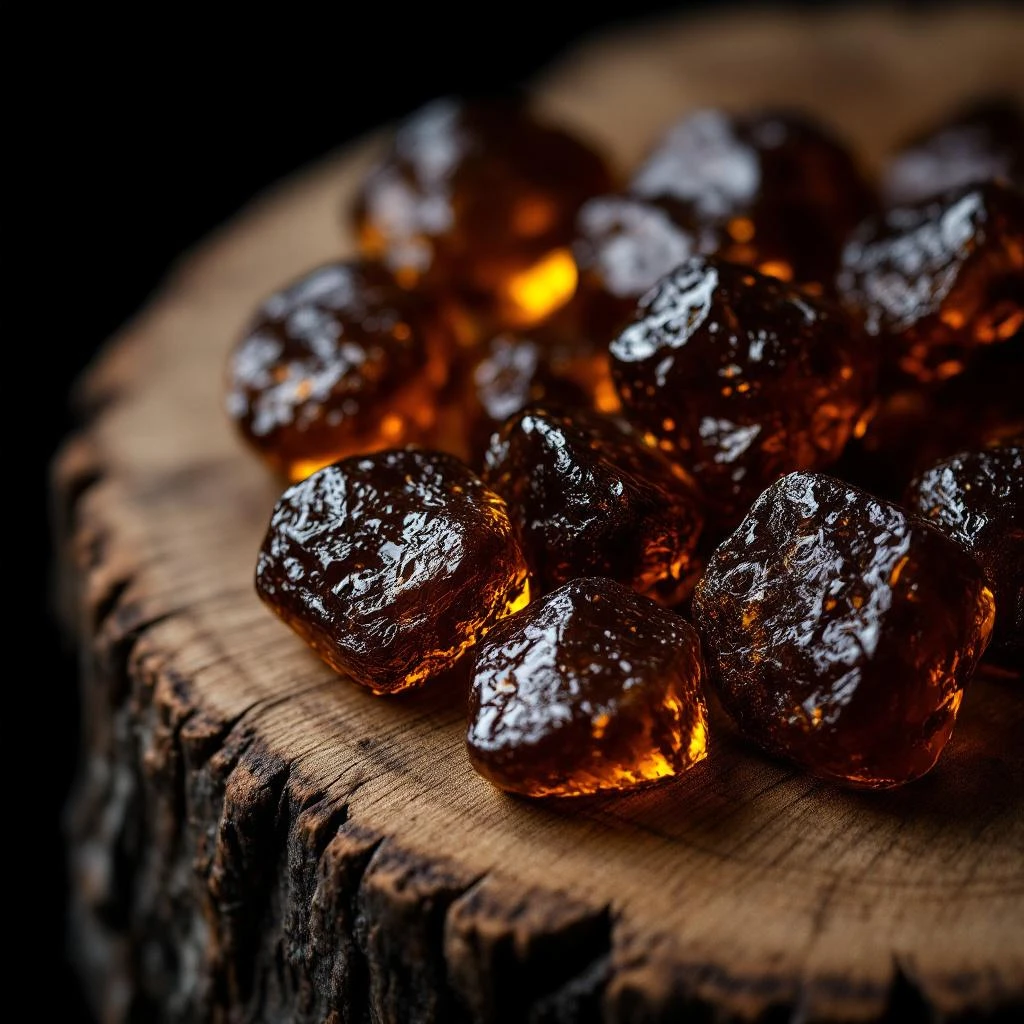


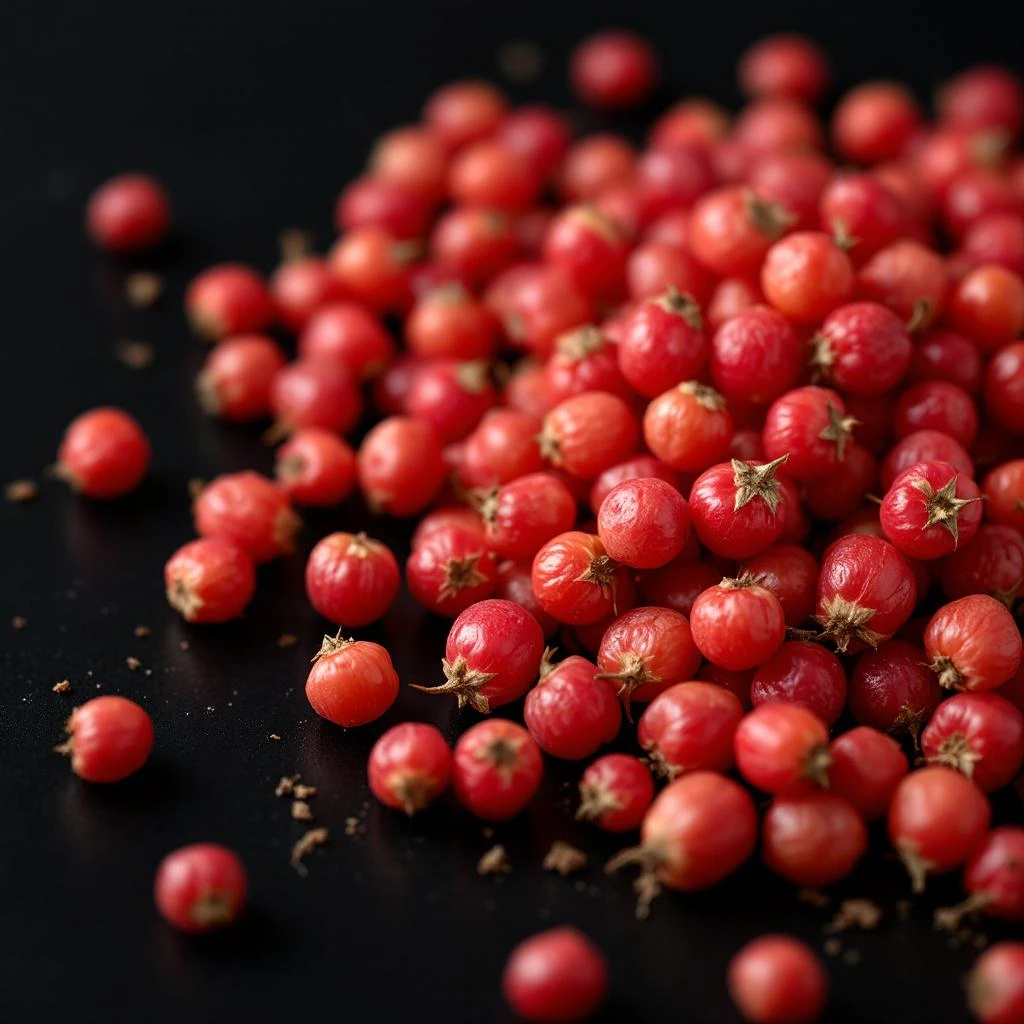
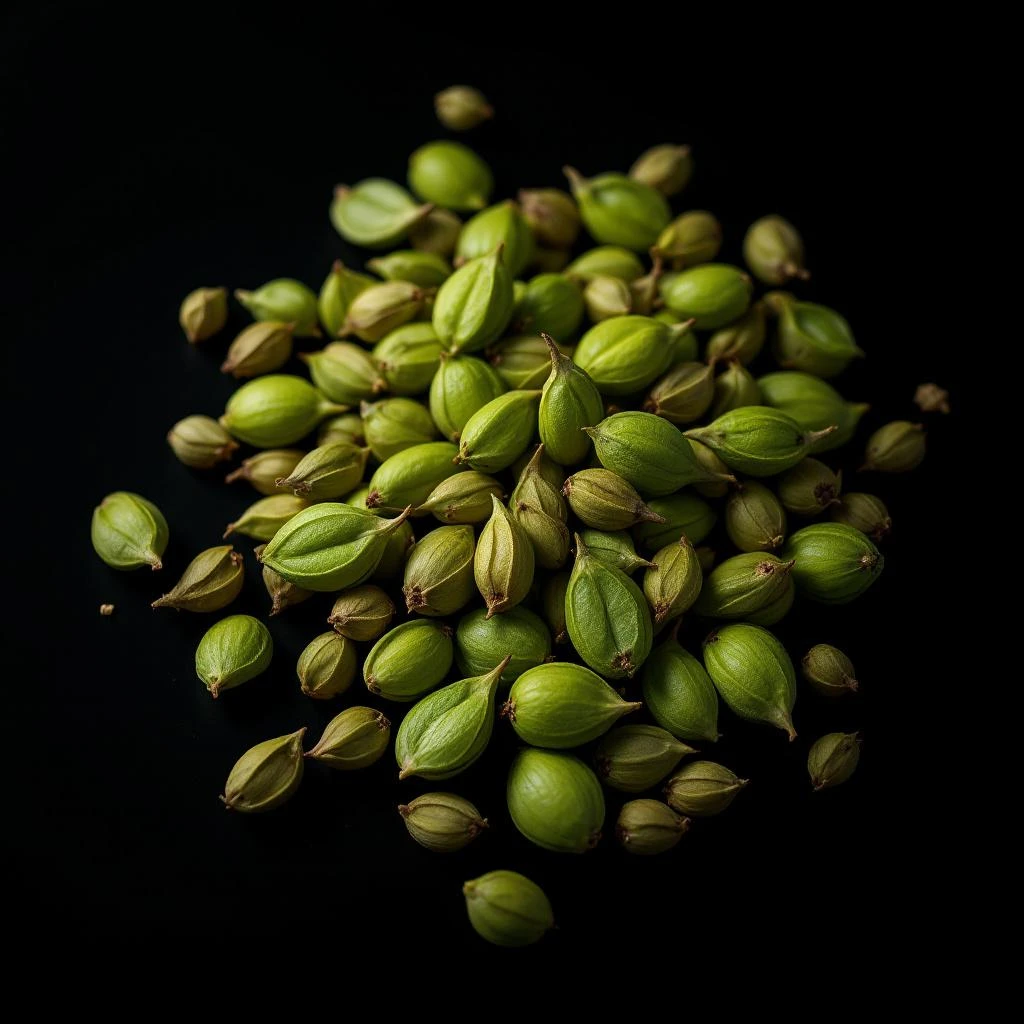

Origin
France
The fougère family emerged in 1884 when Houbigant launched Fougère Royal, introducing a completely new fragrance archetype based on an innovative use of coumarin. Before this, perfumers worked within traditional categories like floral, oriental, or chypre. The creation of fougère as a distinct family represented one of the earliest deliberate attempts to build a fragrance concept around synthetic materials.
French perfumery, centered in Grasse and Paris, drove this innovation during the late 19th-century expansion of organic chemistry. Today, the fougère family remains one of the most important in masculine perfumery, though the underlying chemistry continues to evolve as new aromatic molecules become available.
Wears it best
Fragrances featuring Fougassette
Brands
Brands known for Fougassette
Good to know
Questions, answered
The essentials on Fougassette in perfumery: how it smells, where it comes from, and how it behaves on skin.
What is Fougassette in perfumery?
Fougassette is a synthetic aromatic molecule or accord used to create fougère (fern) effects in fragrance. It delivers the fresh, green, and slightly bitter character of fern without requiring natural botanical sources.
Is Fougassette natural or synthetic?
Fougassette is synthetic. Modern organic chemistry allows perfumers to recreate fern-like aromatic profiles through carefully designed molecular combinations that would be impossible or impractical to extract from nature.
What fragrances feature Fougassette?
Fougassette-type molecules appear in numerous men's fragrances across the fougère family, from classic compositions to contemporary designs. Most modern fern-scented perfumes rely on synthetic aromachemicals rather than natural extracts.
What does Fougassette smell like?
The scent profile combines fresh lavender, green herbal notes, subtle sweetness from coumarin, and a dry woody undertone. The overall effect evokes damp fern, morning dew, and forest air.
When was the fougère concept introduced?
The fougère fragrance family originated in 1884 with Houbigant's Fougère Royal, which became the first perfume built around an innovative synthetic coumarin note that defined a new fragrance archetype.
Why do perfumers use synthetic fougère materials?
Synthetic fougère materials offer consistency, year-round availability, and cost stability that natural ingredients cannot match. They also allow precise control over the green, fresh character in formulations.
Does Fougassette contain allergens?
Like most aromatic molecules, individual fougère compounds may require allergen declarations depending on concentration and regulatory requirements in different markets. Reputable brands provide full ingredient transparency.
Can Fougassette be found in natural perfumery?
Authentic natural perfumery rarely uses true fougère materials since no single natural ingredient replicates the complete fern accord. Natural perfumers typically combine lavender, oakmoss, and tonka to approximate fougère character.