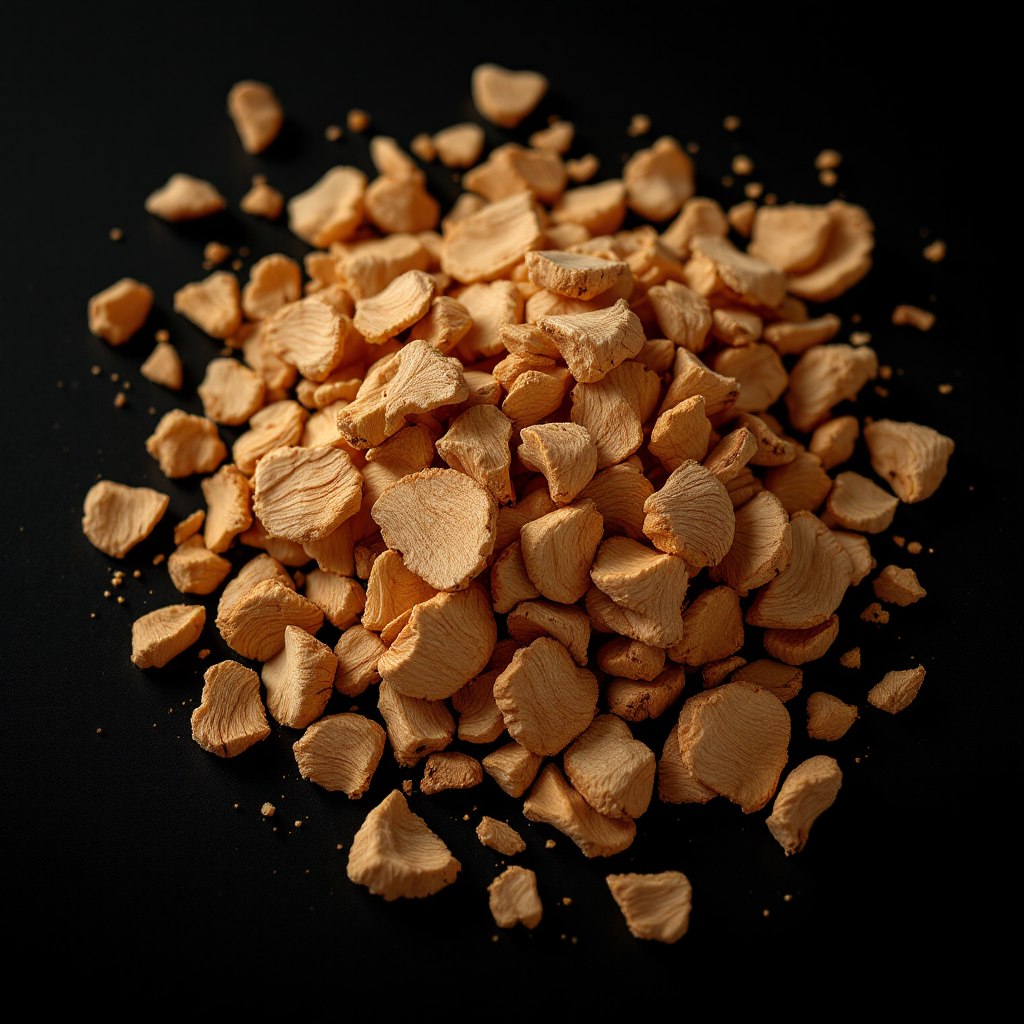
Fossilized Wood
Fossilized wood brings the weight of deep time to perfumery—ancient timber transformed over millennia into a material that carries both earthiness and ethereal warmth. This ingredient bridges the gap between living forests and the stone record, offering a scent experience unlike any fresh wood note.
Character
How it smells
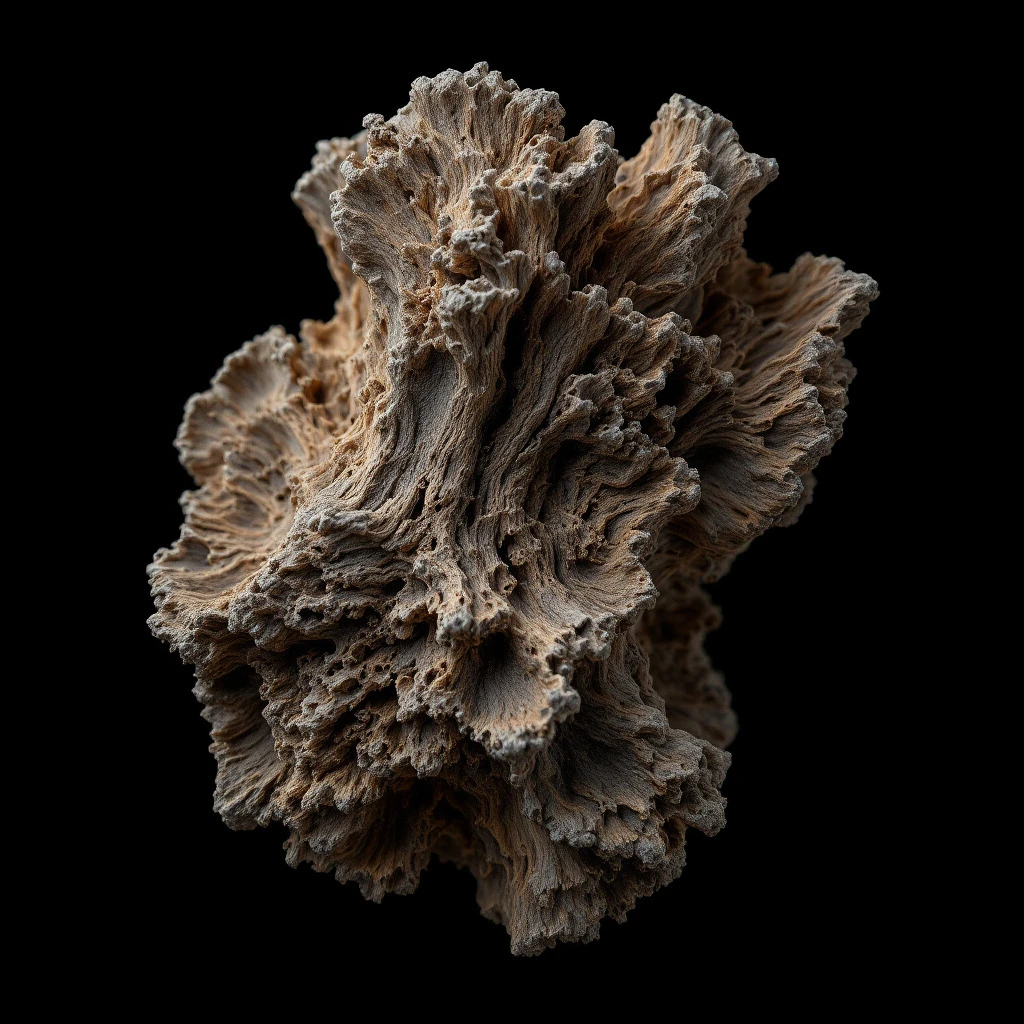
Ancient forests distilled into scent.
Some fossilized wood specimens are over 300 million years old, predating the dinosaurs by nearly 100 million years.

Origin
Global geological occurrence, Mediterranean and Baltic historically significant
The use of ancient wood in ritual and fragrance stretches back to the earliest human civilizations. Ancient Egyptians burned cedar and cypress wood in ceremonies, drawn to materials that carried the weight of ancient forests. The Greeks and Romans prized amber, technically fossilized tree resin, incorporating it into their most prized preparations.
While true fossilized wood from geological contexts rarely enters modern perfumery, the conceptual legacy of ancient timber persists. Modern perfumers draw inspiration from these historical precedents, creating materials that evoke the depth and permanence of ancient forests. The perfume industry has increasingly explored aged wood sources, including reclaimed timber from old structures and wood that has undergone natural weathering processes.
These materials echo the spirit of fossilization, capturing the transformation that only time can bestow. Contemporary ecological awareness has also renewed interest in upcycled wood materials, turning what might be waste into fragrance-worthy ingredients.
Wears it best
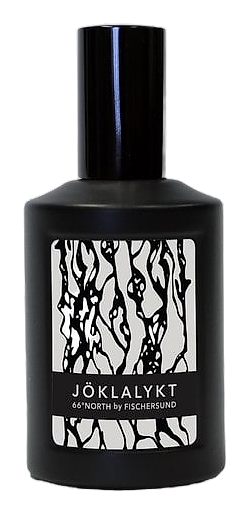
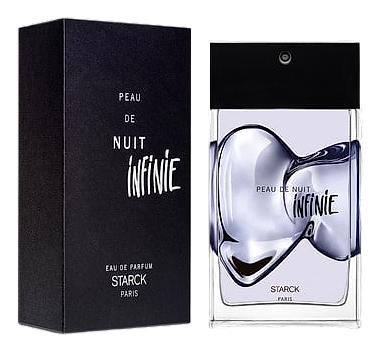
Fragrances featuring Fossilized Wood
Brands
Brands known for Fossilized Wood
Good to know
Questions, answered
The essentials on Fossilized Wood in perfumery: how it smells, where it comes from, and how it behaves on skin.
What is fossilized wood in perfumery?
Fossilized wood in perfumery is an accord that evokes ancient, mineral-rich timber. True fossilized wood cannot be distilled for scent, so perfumers recreate its essence by blending aged wood notes with resinous and earthy elements.
Does fossilized wood smell like regular wood?
No. Unlike fresh cedar or sandalwood, fossilized wood accord carries mineral, earthy tones with subtle warmth. It lacks the bright, resiny qualities of fresh timber, offering instead a settled, ancient character.
Is fossilized wood natural or synthetic in fragrance?
It is an accord combining natural materials. Perfumers blend aged woods, resins, and sometimes fossil-derived mineral notes to create the effect. No single extraction produces fossilized wood scent.
How does fossilized wood differ from amber?
Amber is fossilized tree resin; fossilized wood is petrified timber. Both carry ancient character, but amber offers sweet, balsamic warmth while fossilized wood delivers earthier, more mineral depth.
What fragrance families use fossilized wood?
It appears primarily in oriental and woody families. Perfumers use it to add gravitas to oud-based compositions, smoky leathers, and earthy chypres seeking a sense of timelessness.
Which fragrances feature fossilized wood?
Many niche houses incorporate fossilized wood accords. Tom Ford Ombre Leather uses similar mineral-wood elements. Byredo Seventh Hong Kong draws on aged timber effects. Check specific fragrance notes for fossilized wood references.
Is using fossilized wood sustainable?
Fossilized wood accord typically uses reclaimed or aged wood materials, making it an upcycled choice. This approach aligns with modern sustainable perfumery by avoiding new harvesting.
How long does fossilized wood last on skin?
Fossilized wood accords are typically long-lasting base notes. The mineral and resinous components ensure they remain detectable for 8-12 hours, outlasting most fresh wood materials.