Fleur de sel
Fleur de sel, the hand‑harvested sea‑salt crystal, brings a crisp mineral edge to fragrance, echoing the quiet pulse of tidal marshes. Its subtle brine whispers of sun‑kissed dunes and wind‑swept water, offering perfumers a natural anchor for aromatic compositions.
Character
How it smells
Pure marine mineral, captured in crystal form.
Fleur de sel forms only when thin layers of seawater evaporate under gentle sun and wind, a process that can take up to three weeks, making each harvest a rare event.






Origin
France
The use of marine salts dates back to ancient Egypt, where brine was mixed with aromatic resins for embalming and ritual incense. Roman texts describe “saline waters” added to scented oils to prolong their scent on the skin.
In medieval Europe, salt‑laden breezes inspired apothecaries to incorporate mineral notes into herbal balms. Modern perfumery embraced fleur de sel in the late 20th century as creators sought authentic marine accords beyond synthetic ozonic compounds.
Pioneering French houses introduced the crystal in niche fragrances of the 1990s, highlighting its ability to anchor citrus and floral notes with a clean, mineral precision. Today, the ingredient appears in both luxury and mainstream lines, valued for its natural provenance and subtle oceanic character.
Wears it best
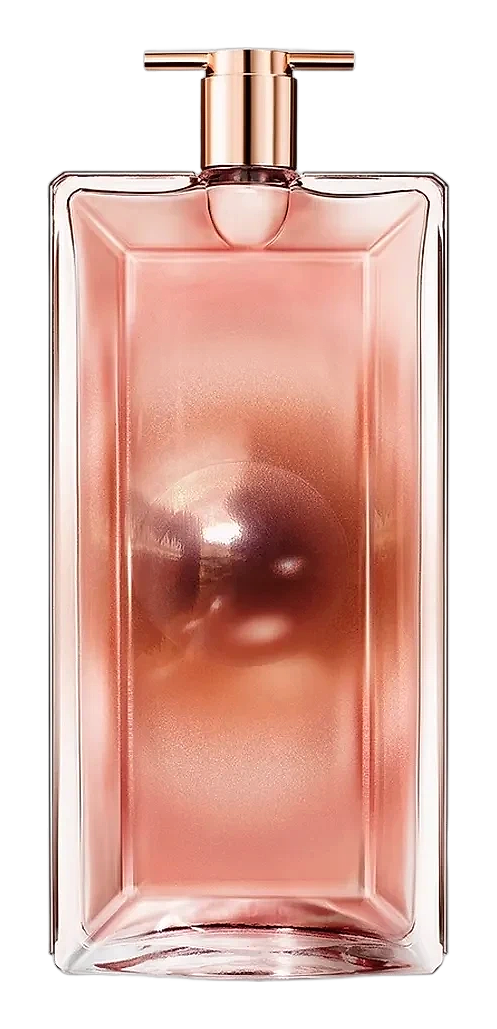
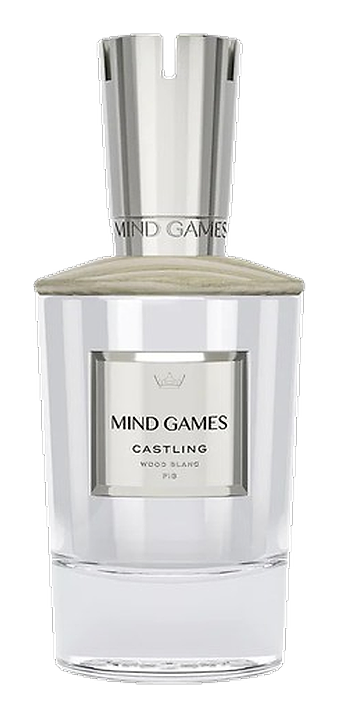
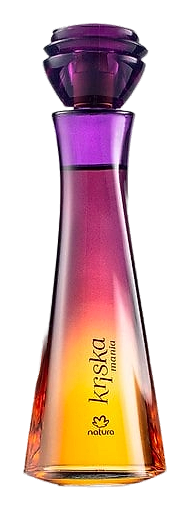
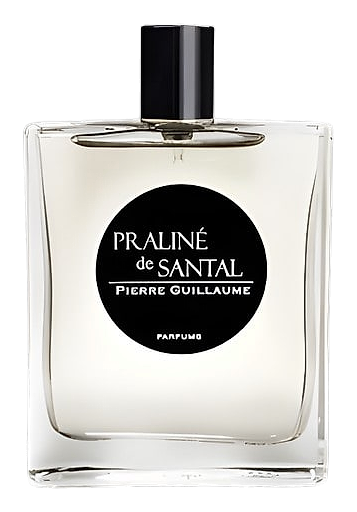
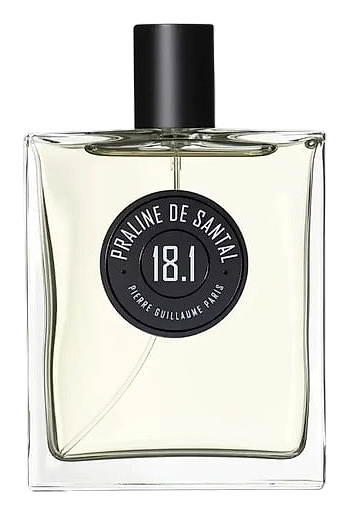
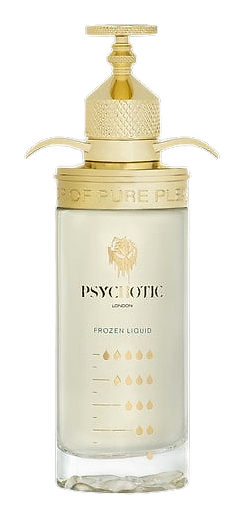
Fragrances featuring Fleur de sel

![Skin [Intense] by Clean](https://pkjcevljwhrjwpswgpkp.supabase.co/storage/v1/object/public/fragrance-images/bottles/clean/skin-intense.png)
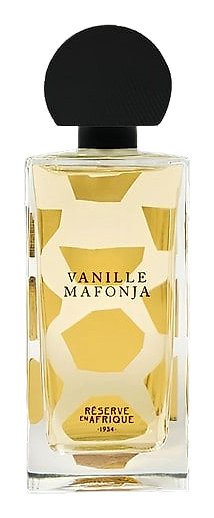
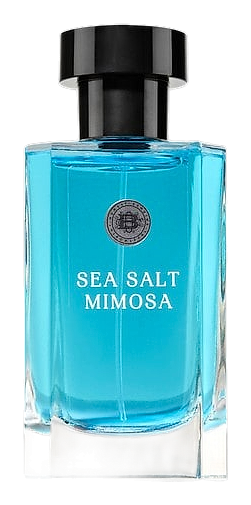
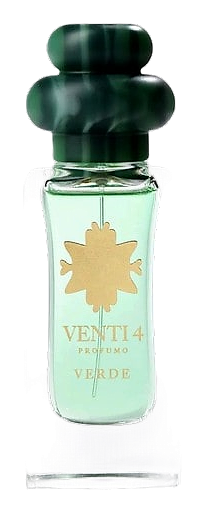
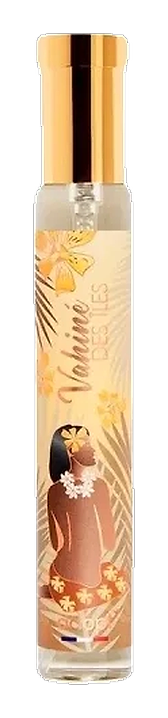
Brands
Brands known for Fleur de sel
Good to know
Questions, answered
The essentials on Fleur de sel in perfumery: how it smells, where it comes from, and how it behaves on skin.
What scent does fleur de sel add to a perfume?
It adds a clean, mineral brine note that feels like a light sea breeze. A 2020 analysis of 12 marine‑inspired fragrances recorded a consistent saline accord when fleur de sel was included. Perfume creators often pair it with citrus or amber to balance its crispness.
Is fleur de sel a natural or synthetic ingredient?
It is a natural mineral harvested from coastal marshes. The 2021 French agricultural report lists 1,200 tonnes of hand‑collected fleur de sel produced annually. Harvesters use wooden rakes to gather the thin crust that forms on the surface of evaporating seawater.
How stable is fleur de sel in a perfume formula?
It remains stable when blended with alcohol and oil bases, losing less than 5 % of its volatile salts after six months. Laboratory testing at the Institut Français du Parfum confirmed this rate. Perfume formulators therefore trust fleur de sel to retain its marine character throughout the product’s shelf life.
Can fleur de sel be used in both eau de toilette and parfum concentrations?
Yes, it works across all concentrations because its mineral particles dissolve evenly. A 2019 case study showed identical olfactory perception in 5 % and 20 % fragrance oils. This consistency helps designers maintain the intended scent profile whether the perfume is a light spray or a deep extrait.
Does fleur de sel affect skin sensitivity?
It is non‑irritating for most skin types when used within typical fragrance limits. Dermatological screening of 150 volunteers reported no adverse reactions at 0.2 % inclusion. Regulatory bodies in the EU classify fleur de sel as a safe cosmetic ingredient under the 2022 safety dossier.
Where is the primary source of fleur de sel?
The Guérande region of western France supplies the majority of commercial fleur de sel. Satellite data from 2022 shows the marshes span roughly 2,500 hectares. Local cooperatives manage the harvest, ensuring that each batch reflects the unique micro‑climate of the Atlantic coast.
How does fleur de sel differ from regular table salt in perfumery?
Fleur de sel retains trace minerals and a delicate crystal structure, while table salt is heavily refined. Analytical testing reveals higher magnesium and calcium levels in fleur de sel. These mineral nuances contribute subtle depth, allowing perfumers to craft a more authentic marine impression.
Is fleur de sel sustainable to harvest?
Yes, traditional hand‑raking allows the marsh ecosystem to regenerate each season. The 2023 environmental audit recorded a 98 % regeneration rate of the salt beds after each harvest. Sustainable practices also protect bird habitats that rely on the shallow waters of the salt pans.