Fig Compote
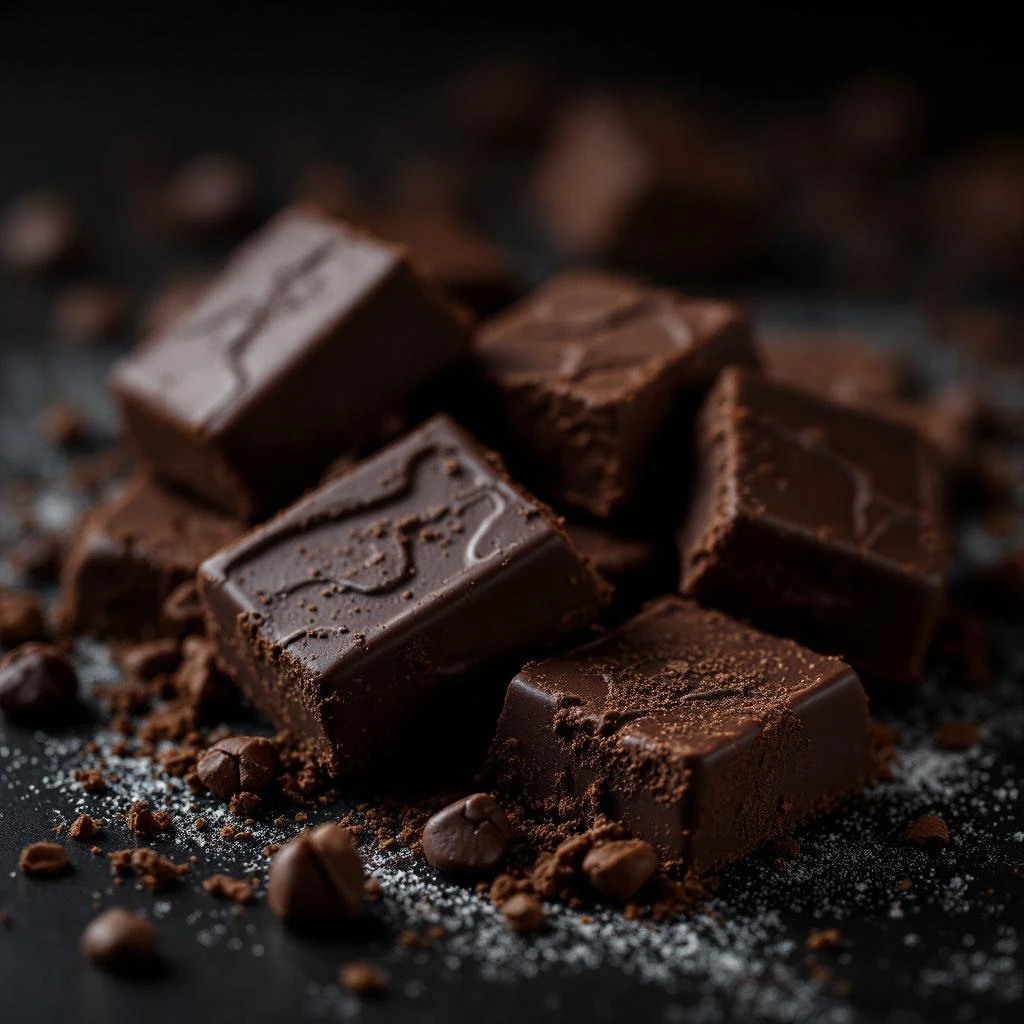
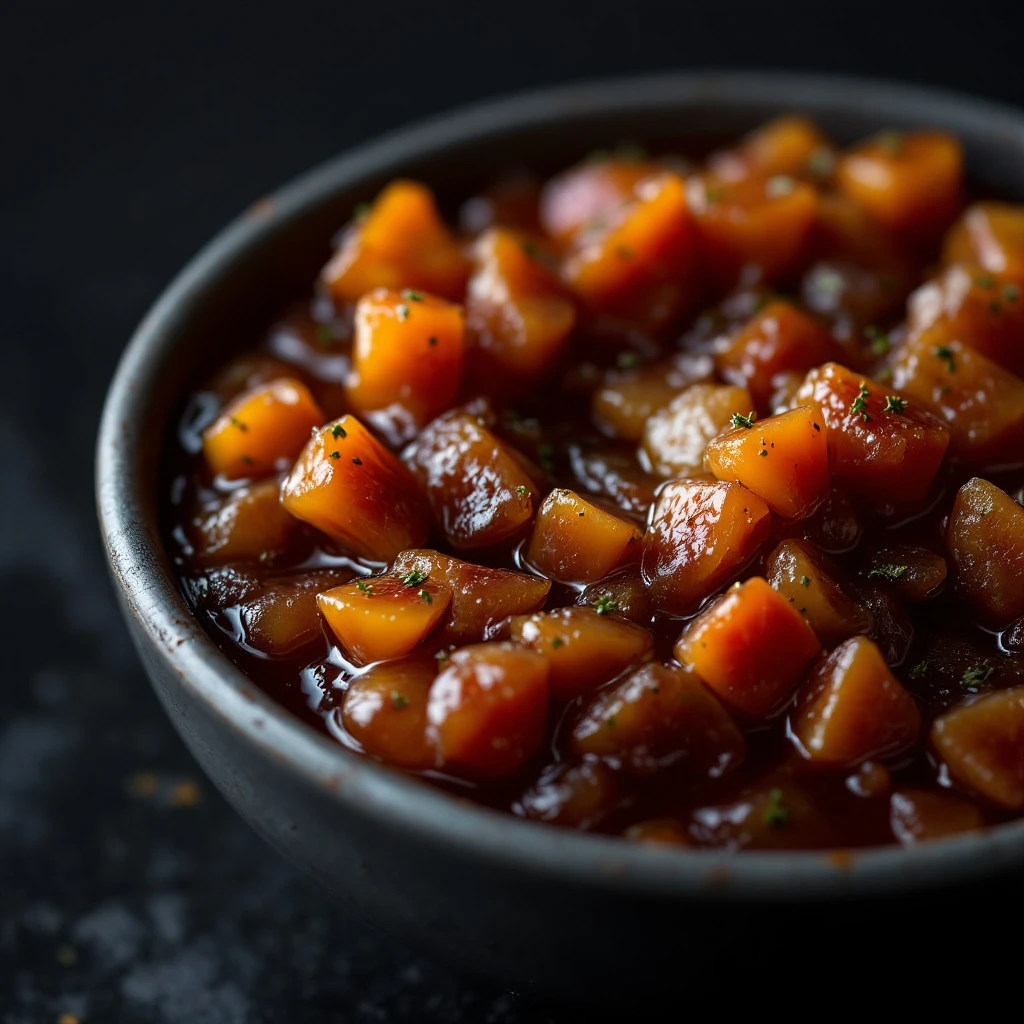
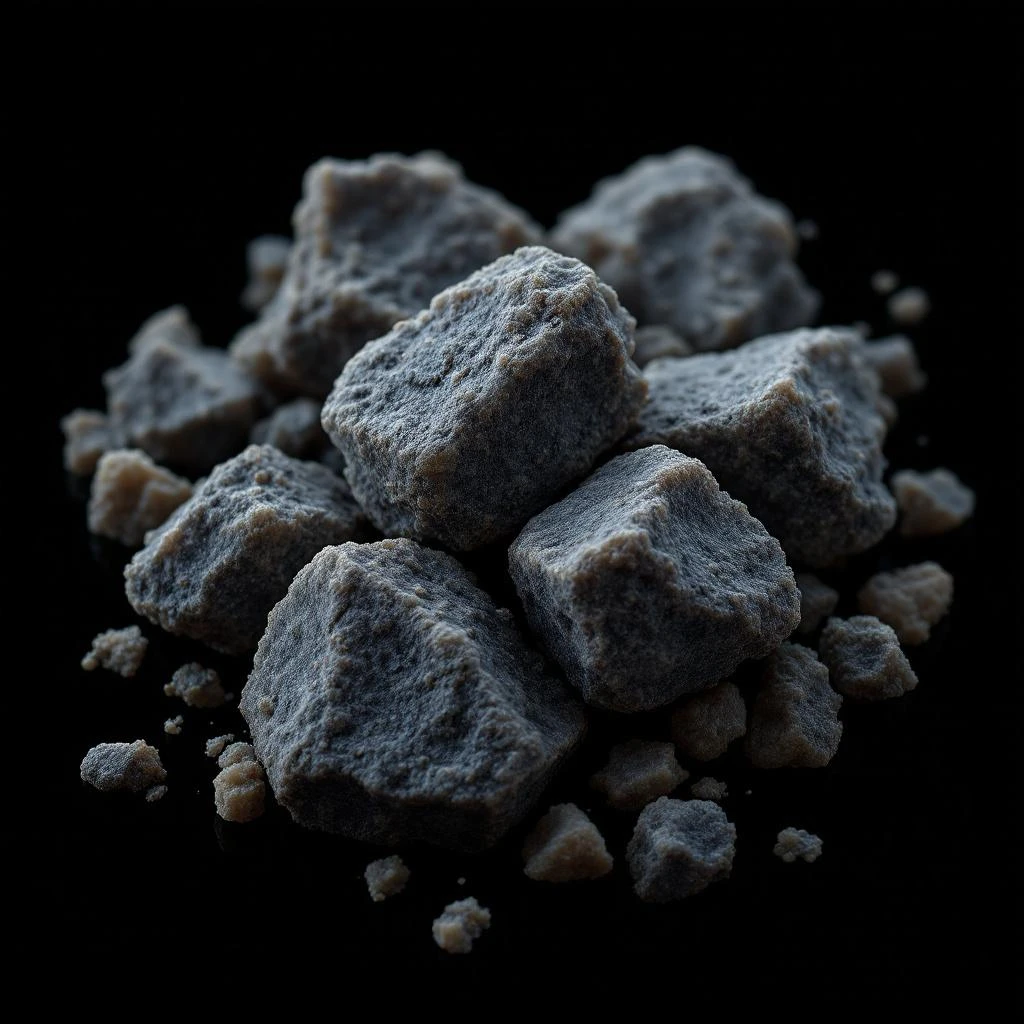
Golden, jammy sweetness meets green earthiness. Fig compote captures the moment fresh figs transform in warm syrup, releasing deep caramel notes alongside verdant undertones that recall the tree's sun-warmed leaves.
Character
How it smells
Cooked figs wrapped in sun-warmed leaves
A single fig tree contains both male and female flowers. The tiny flowers grow inside the fruit structure, with caprifig trees producing pollen for a specialized wasp that enables fertilization.






Origin
Turkey
Fig trees rank among humanity's earliest cultivated fruit trees, with evidence of farming dating to 9200 BCE in the Jordan Valley. Ancient Mesopotamians and Egyptians gathered wild figs and later developed select varieties prized for their exceptional sweetness.
Greek and Roman texts describe figs as luxury foods, with certain cultivars reserved for elites and sacred offerings. In perfumery, fig leaves gained attention during 19th century France when producers first attempted extraction of the tree's green, honeyed aroma.
The cooked fruit itself only entered fragrance vocabulary in the late 20th century, as analytical chemistry allowed perfumers to identify and recreate the specific compounds that develop when figs soften and sweeten. Today, fig compote exists as both an artistic interpretation and a technical achievement in aromatic reconstruction, bridging ancient fruit appreciation with modern scent design.
Wears it best
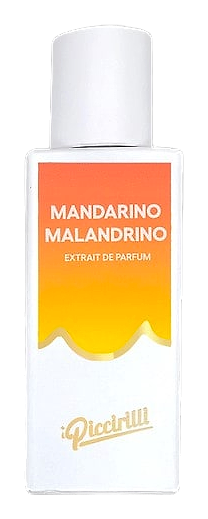
Fragrances featuring Fig Compote
Brands
Brands known for Fig Compote
Good to know
Questions, answered
The essentials on Fig Compote in perfumery: how it smells, where it comes from, and how it behaves on skin.
What does fig compote smell like in fragrance?
Fig compote projects a warm, jammy sweetness with caramelized depth. You detect ripe fruit softened by gentle heat, accompanied by honeyed undertones and faint green notes from the tree's leaves. The overall impression is lush and slightly lactonic, reminiscent of coconut adjacent to dark berries.
Is fig compote a natural or synthetic ingredient?
Fig compote typically exists as a reconstructed aroma. Natural fig absolute comes from leaves using solvent extraction, but replicating the cooked fruit requires combining isolated fig molecules like gamma-decalactone with caramel-type materials to achieve that warm, jammy character.
Which scent molecules create fig compote's character?
Damascenone provides fruity, plum-like depth while gamma-decalactone contributes creamy, coconut lactone qualities. Furaneol adds caramelized sugar notes and maltol brings warm, candy-like sweetness. Together these molecules reconstruct what cooking does to fresh figs.
How does cooking affect fig's fragrance profile?
Heat transforms fresh fig by breaking down fruit cell walls and concentrating sugars. This process generates new aromatic compounds through caramelization and Maillard reactions, adding depth and complexity that raw fruit lacks. The scent shifts from bright and green to warm and jammy.
Which fragrances feature fig compote prominently?
Many contemporary fragrances include fig compote or reconstructed fig notes. Brands targeting Mediterranean or summer themes frequently incorporate this warm, jammy fig character. The exact positioning varies by house and formulation, ranging from sweet gourmand to sophisticated green fragrance.
What parts of the fig tree are used in perfumery?
Perfumery extracts value from three distinct parts. Leaves yield fig leaf absolute with green, floral qualities. Wood provides subtle smoky notes. The fruit itself, whether fresh or processed into compote, delivers the sweet, jammy character most consumers recognize as fig.
Where do quality fig aromatic materials originate?
The eastern Mediterranean produces the finest figs for aromatic use. Turkey leads global fig cultivation and supplies material to fragrance houses. Greece, Italy, and Morocco also grow fig varieties prized for their concentrated flavor and fragrance. Climate directly impacts the fruit's aromatic intensity.
How long has fig appeared in perfumery?
Fig leaf extraction began in 19th century France, but the fruit itself only entered fragrance design in the late 20th century. Advances in analytical chemistry enabled perfumers to identify and recreate the specific compounds that give cooked figs their distinctive character.