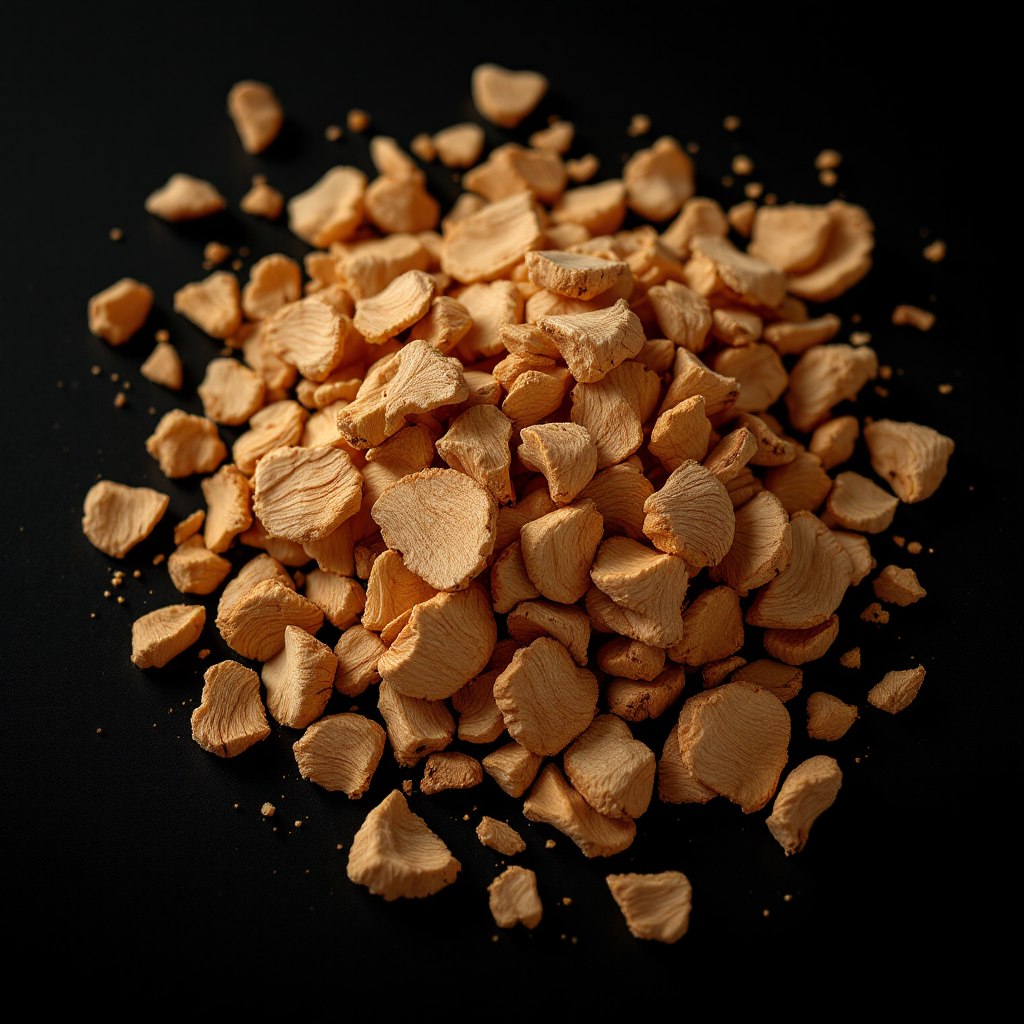
Fatwood
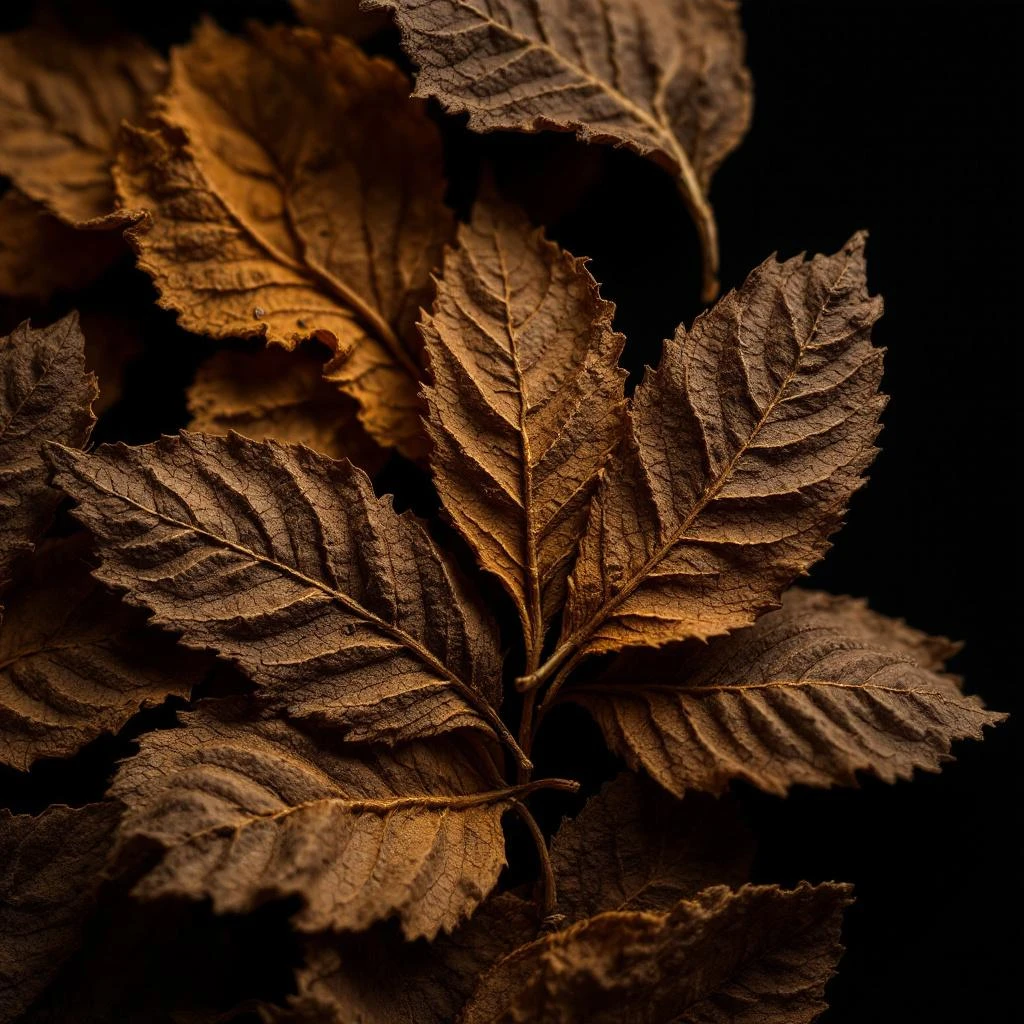
Fatwood is the resin-soaked heartwood of pine trees injured by lightning, disease, or fire. This ancient fire-starting material imparts a warm, smoky, and slightly sweet campfire character to fragrance compositions.
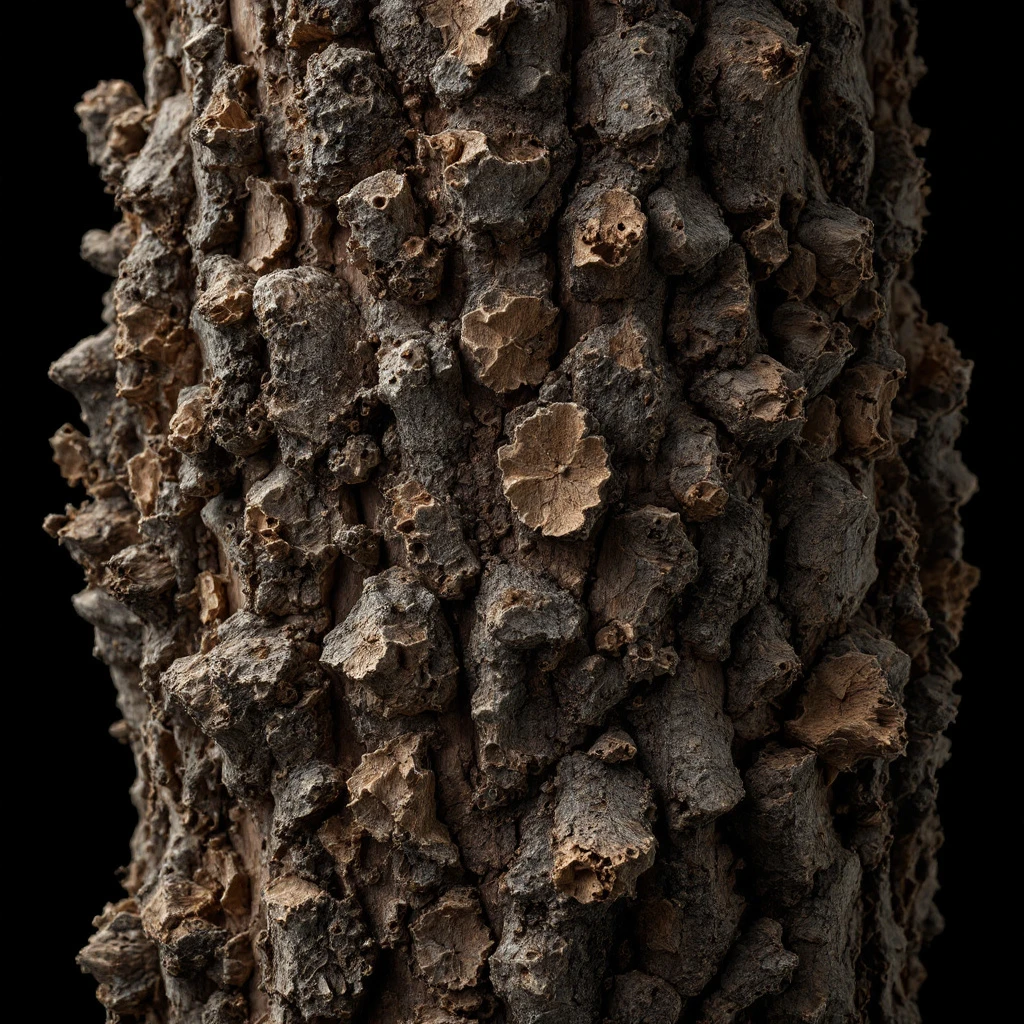
Character
How it smells
Ancient fire starter. Modern perfumery treasure.
A single pound of fatwood can contain up to 70% pure resin by weight, making it one of the most concentrated natural aromatic materials in perfumery.
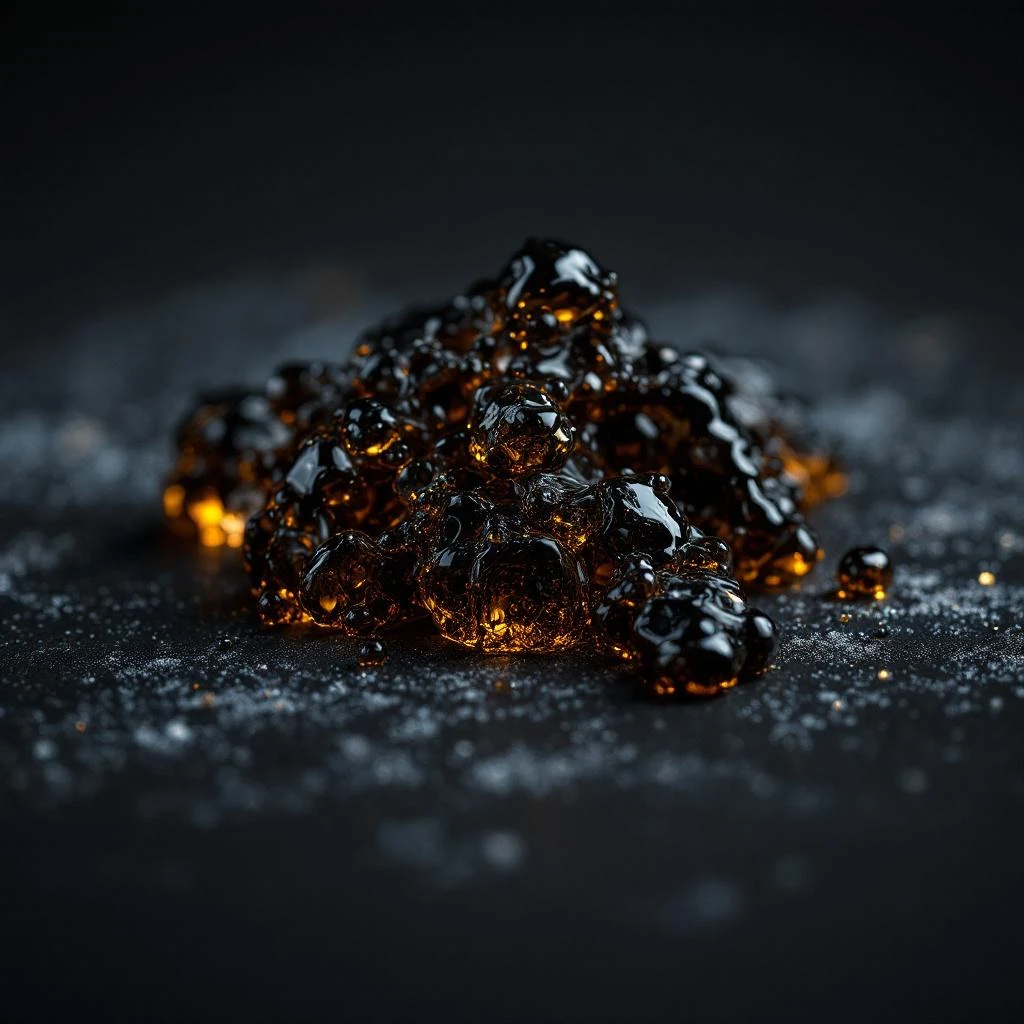
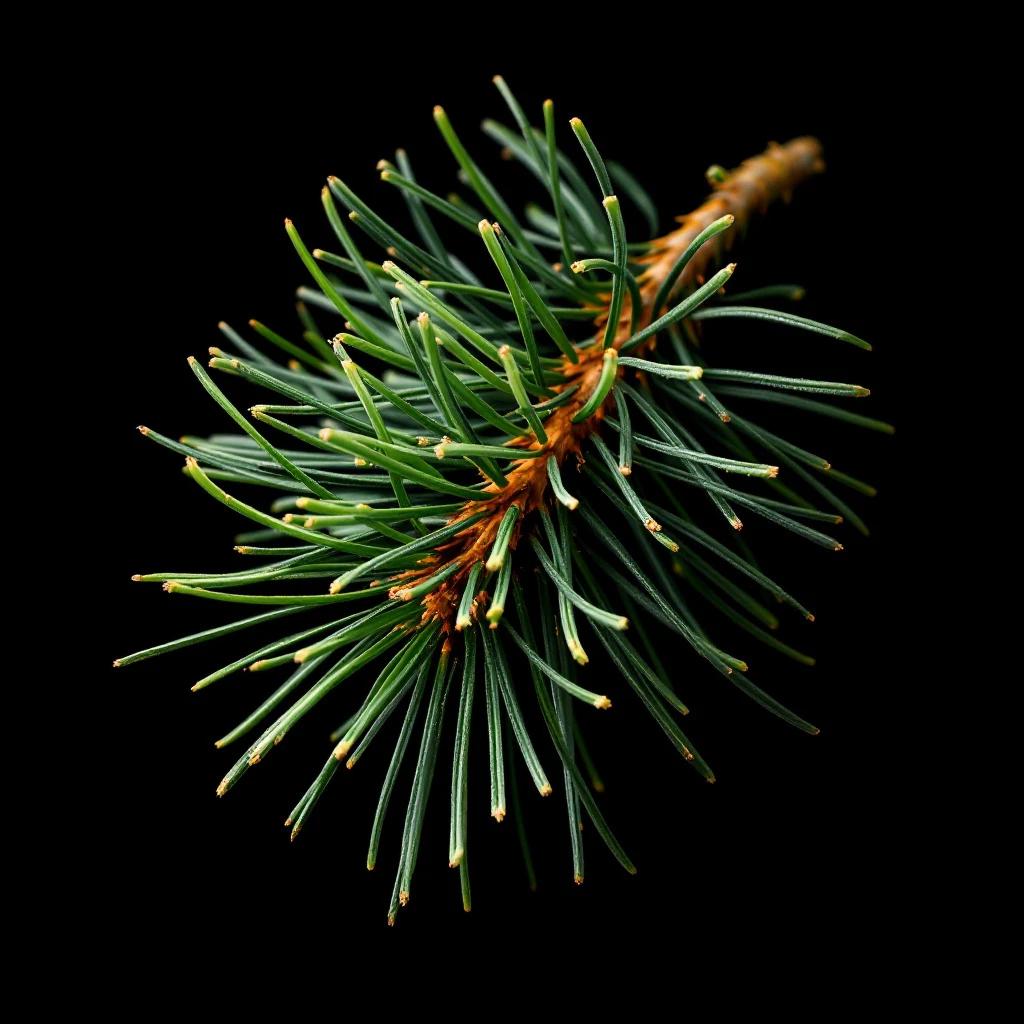



Origin
United States
Long before matches or lighters existed, fatwood served as humanity's most reliable fire-starting material. Indigenous peoples across the American South discovered that pine trees struck by lightning or wounded by disease developed an extraordinarily flammable core. Spanish colonizers in Florida documented Native Americans using fatwood torches during nighttime ceremonies.
Colonial settlers prized fatwood so highly that it became a standard item in frontier trading posts. Confederate soldiers carried fatwood into battle during the American Civil War, valuing its ability to ignite even in wet conditions. The material's transition into perfumery began in the 20th century when chemists recognized its complex aromatic profile.
The smoky, warm, slightly sweet scent captured something primal about fire and wood that synthetic alternatives struggled to replicate. Today, fatwood remains a niche but treasured ingredient in natural perfumery, particularly in masculine and outdoor-inspired fragrance families.
Wears it best
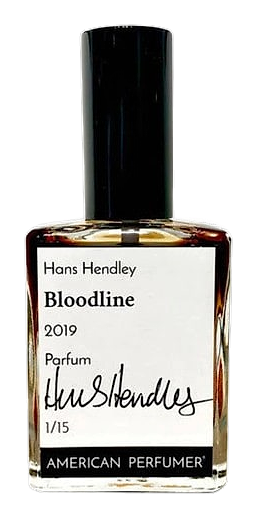
Fragrances featuring Fatwood
Brands
Brands known for Fatwood
Good to know
Questions, answered
The essentials on Fatwood in perfumery: how it smells, where it comes from, and how it behaves on skin.
What does fatwood smell like in perfumery?
Fatwood oil delivers a warm, smoky, and slightly sweet campfire aroma with undertones of turpentine and fresh pine. It adds a primal, grounding quality to fragrance compositions.
Is fatwood a natural or synthetic ingredient?
Fatwood is entirely natural. It comes from the resin-saturated heartwood of pine trees that sustained injury, with the aromatic oil extracted via steam distillation.
How is fatwood different from regular pine?
Regular pine wood contains minimal resin throughout its structure. Fatwood develops when injury causes resin to accumulate concentrated in the heartwood, sometimes reaching 70% resin content by weight.
Why is fatwood valued in perfumery?
Perfumers prize fatwood for its complex smoky profile that synthetic smoke notes struggle to match. It provides authenticity, depth, and a primal warmth that enhances masculine and nature-inspired fragrances.
Does fatwood have historical significance beyond fire-starting?
Indigenous peoples used fatwood in ceremonies and as trading goods long before European contact. Confederate soldiers famously carried fatwood into battle for reliable fire-starting in wet conditions.
How long does it take for fatwood to form in a pine tree?
Fatwood develops over years or decades after a tree sustains injury. The tree's defensive response causes resin to accumulate at the wound site and throughout the heartwood gradually.
What fragrance families use fatwood most frequently?
Masculine, woody, and aromatic fragrances feature fatwood most often. It appears in colognes, outdoor-sport scents, and any fragrance aiming to evoke campfire or forest atmospheres.