Fabric Softener
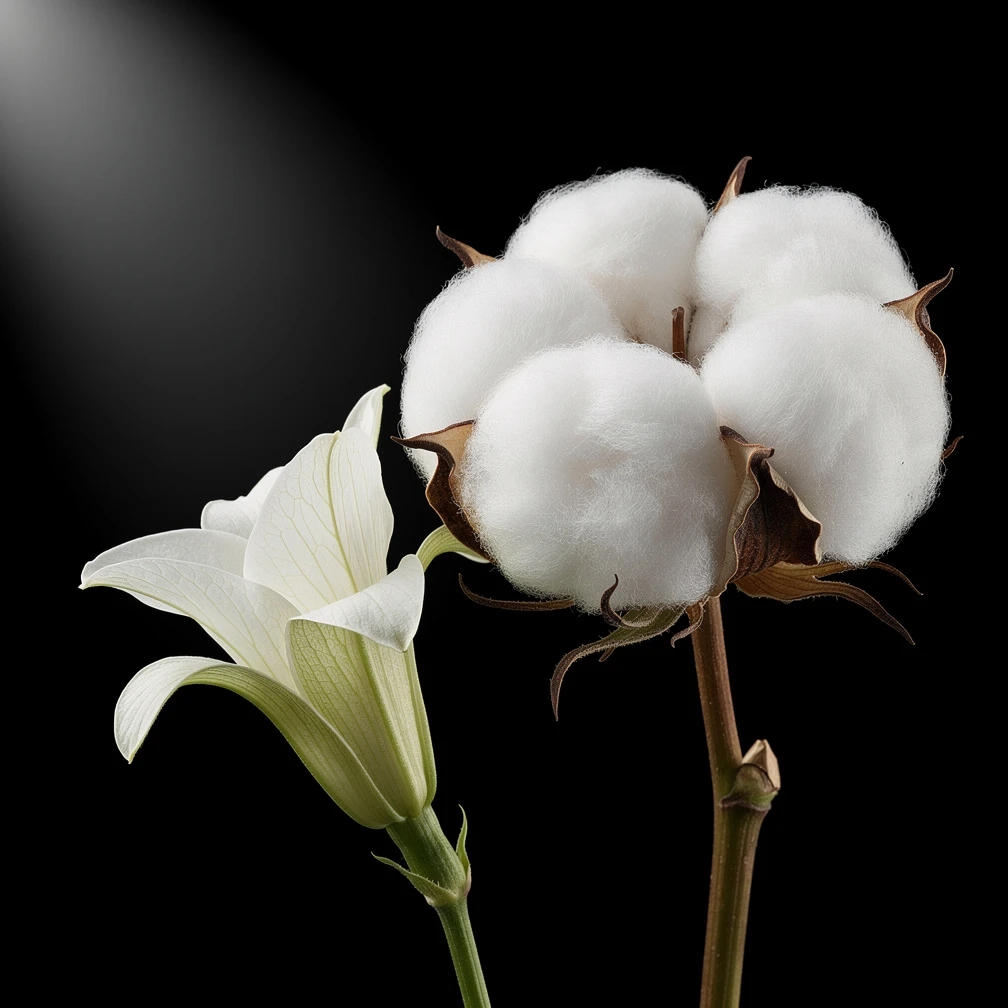
Fabric Softener captures the familiar scent of freshly conditioned laundry: clean cotton, gentle musk, and a trace of floral warmth.
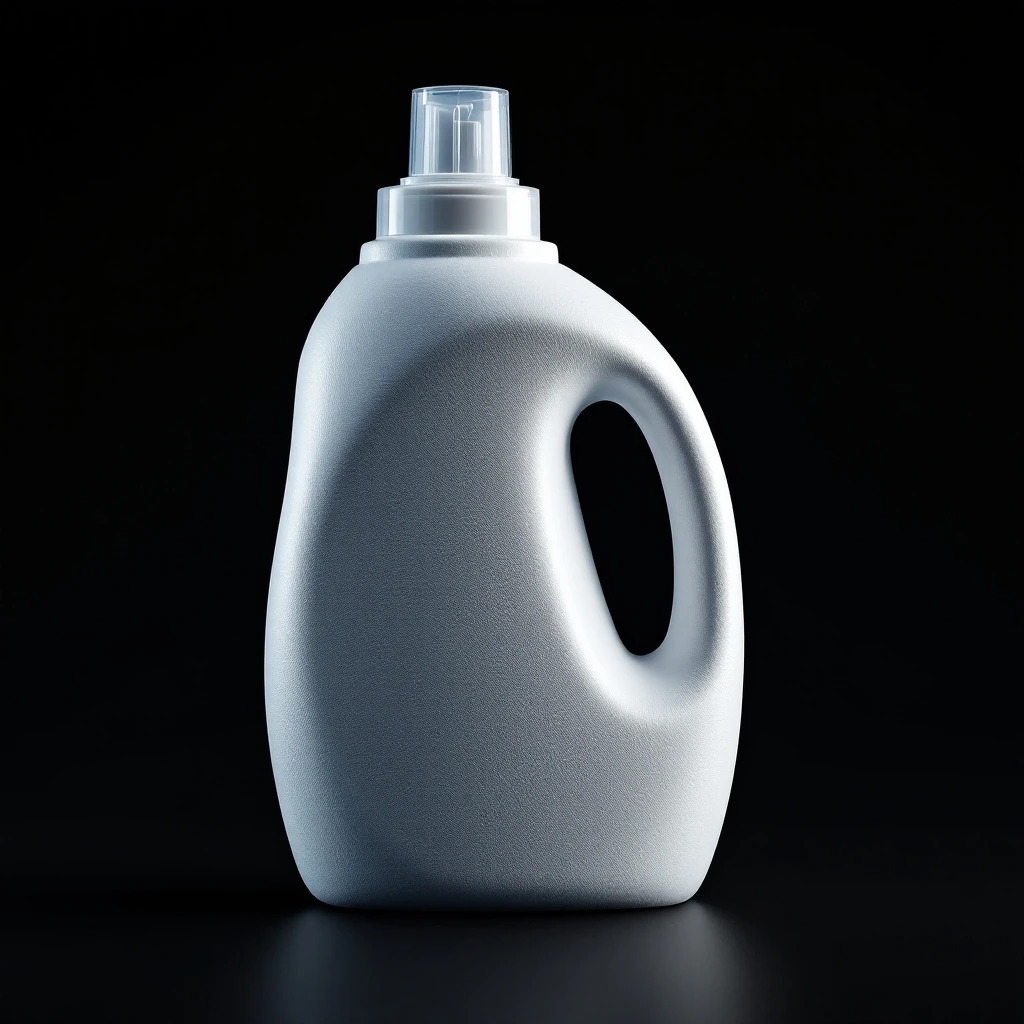
Character
How it smells
The clean, comforting scent of freshly softened laundry.
Early fabric softeners were simple soap-and-water formulas, created from seven parts water to three parts soap.
Pairs beautifully with
Origin
United States
The first fabric softeners appeared in the early twentieth century as simple formulas based on seven parts water and three parts soap. Their original purpose was functional: reduce static cling and improve the feel of washed textiles. As scented household products developed, perfumers began borrowing from the established language of soap, musk, floral, and powdery accords to make laundering feel more luxurious.
The commercial synthesis of aroma compounds from the late nineteenth century gave manufacturers reliable materials for reproducing this clean, comforting character at scale. Fabric softener scents therefore sit at the meeting point of domestic history and modern perfumery. They do not reproduce one flower or plant.
Instead, they construct a culturally familiar impression of softness, freshness, and cared-for cloth through carefully balanced fragrance materials.
Wears it best
Fragrances featuring Fabric Softener
Brands
Brands known for Fabric Softener
Good to know
Questions, answered
The essentials on Fabric Softener in perfumery: how it smells, where it comes from, and how it behaves on skin.
What does the Fabric Softener fragrance note smell like?
It smells like freshly conditioned laundry, combining clean cotton, soft musk, light floral tones, and a powdery undertone. The effect suggests gentle fabric care rather than a single natural ingredient.
Is Fabric Softener a natural fragrance ingredient?
Usually not. It is a fragrance concept created from blended aroma chemicals, sometimes supported by natural extracts. Its familiar laundry scent comes from the combined formula rather than from one plant.
What is the history of fabric softener fragrance?
The first fabric softeners emerged in the early twentieth century in simple soap-and-water formulas. Scents were added later as manufacturers turned functional laundry care into a more sensorial household ritual.
Which notes commonly appear in Fabric Softener fragrances?
Clean musk, white floral, soft powder, light woods, and cotton-like accords are common building blocks. Some compositions also use aldehydes to suggest soap, air, and freshly washed fabric.
How is Fabric Softener fragrance produced?
Perfumers blend synthesized aroma materials into a concentrated fragrance, then add it to the softener base at a controlled dosage. The formula must remain stable in water and keep its soft character after drying.
Does Fabric Softener smell the same as laundry detergent?
Not exactly. Detergents often emphasize citrus, herbs, or sharp freshness, while fabric softener accords rely more on musk, powder, florals, and gentle woods. Some products share ingredients, so their profiles can overlap.
Why do some Fabric Softener scents smell powdery?
The powder effect usually comes from a combination of soft musks, delicate floral materials, and woody or talc-like facets. No single ingredient necessarily smells like laundry powder on its own.
Can Fabric Softener fragrance be used in perfume?
Yes, though a perfumer usually reconstructs the accord with stronger materials suited to skin and longer wear. Directly using a laundry fragrance can produce a familiar but overly domestic or soapy result.