European Spruce
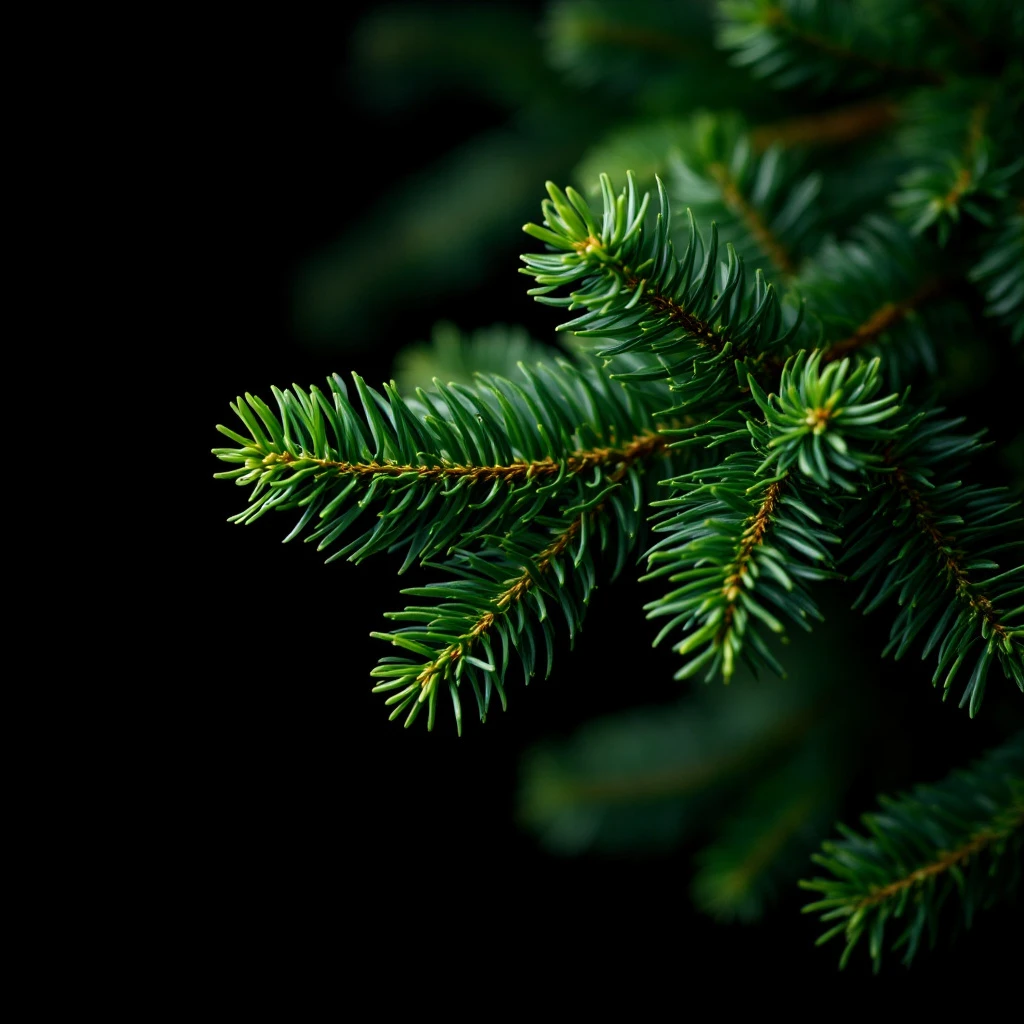
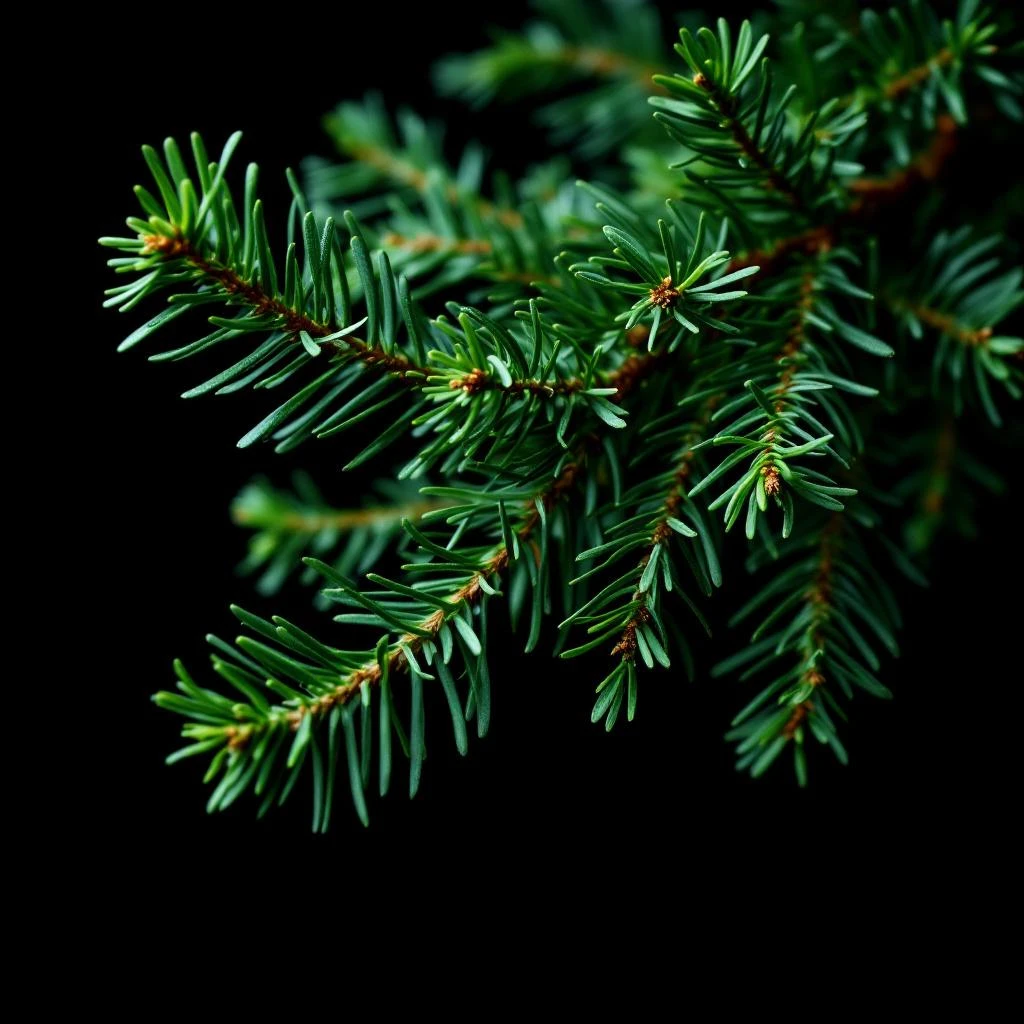
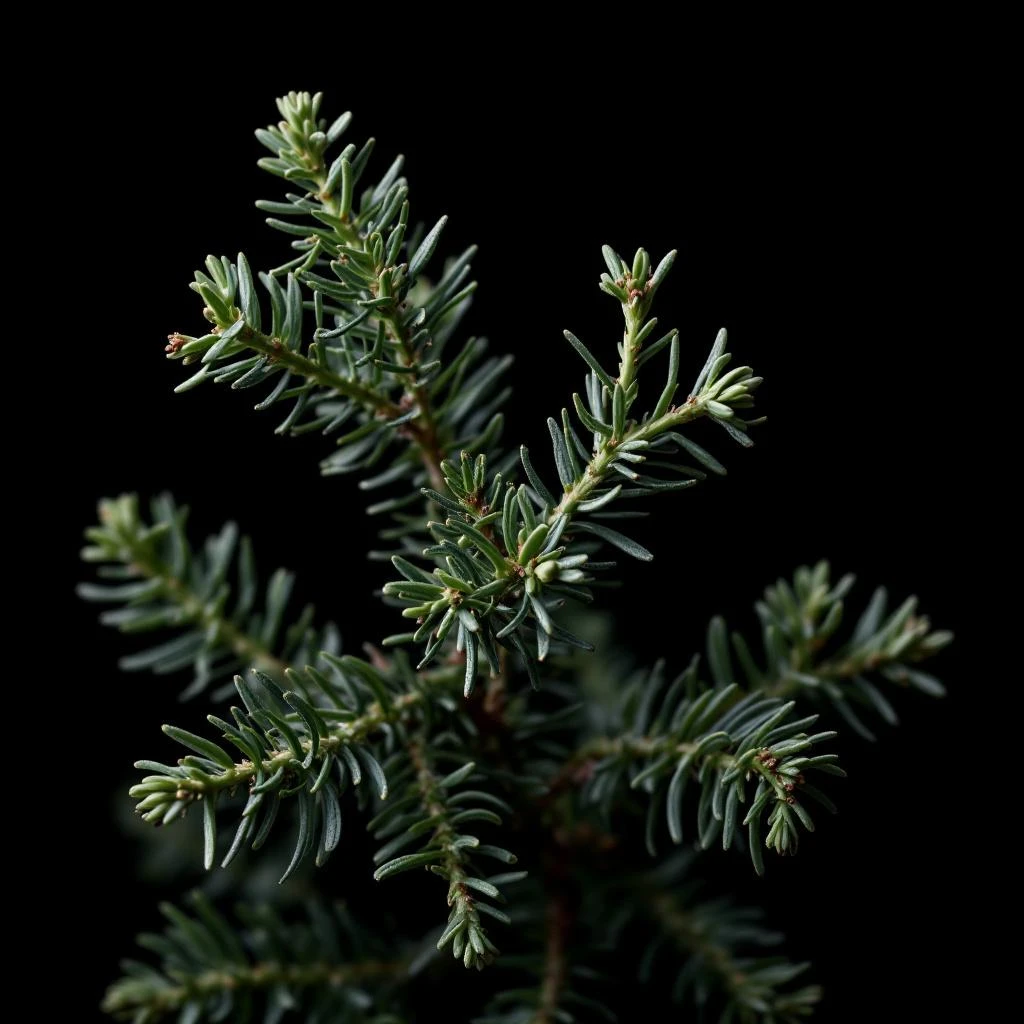
European Spruce brings the crisp clarity of Scandinavian forests into the bottle. Its sharp, coniferous character captures the cold air between pine boughs and damp forest floors, offering a fragrance that feels both ancient and immaculately fresh.
Character
How it smells
The sharp, clean scent of northern evergreen forests
Nordic cultures used spruce sap as a traditional remedy for respiratory ailments centuries before perfumers discovered its aromatic potential.


Origin
Norway
European Spruce has shaped northern European culture for thousands of years, serving as shipbuilding material for Viking fleets and construction timber for Nordic communities. The Saami people of Scandinavia incorporated spruce resin into traditional healing practices, using it for wound care and respiratory support. When perfumers began working with coniferous materials during the late 19th century, spruce quickly became a cornerstone of forest and fougère fragrance families.
Its ability to evoke vast northern woodlands made it particularly valuable as customers sought scents that captured nature rather than merely flowers. Today, spruce remains essential to masculine and outdoor-themed fragrances, maintaining its role as a bridge between wild landscapes and human craft.
Wears it best
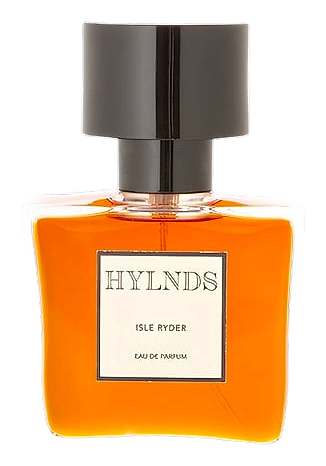
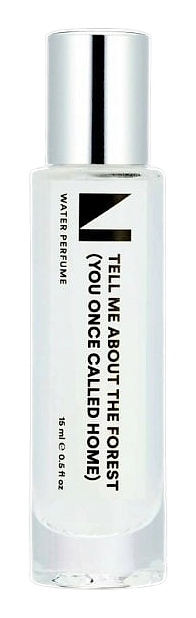
Fragrances featuring European Spruce
Brands
Brands known for European Spruce
Good to know
Questions, answered
The essentials on European Spruce in perfumery: how it smells, where it comes from, and how it behaves on skin.
What does European Spruce smell like?
European Spruce delivers a sharp, clean, coniferous aroma with balsamic undertones. Think of the crisp air inside a dense evergreen forest after rainfall. It combines fresh pine needle brightness with earthy, resinous depth.
Is European Spruce oil natural or synthetic?
European Spruce oil is completely natural, extracted via steam distillation from Norway Spruce (Picea abies). Synthetic alternatives exist but lack the full aromatic complexity of the natural material.
What fragrance families use European Spruce?
European Spruce appears primarily in fougère, woody, and aromatic fragrance families. It works particularly well in men's fragrances and outdoor-inspired scents, often paired with other coniferous and herbal materials.
What compounds give spruce its characteristic scent?
Alpha-pinene and beta-pinene provide the sharp, pine-like top notes. Bornyl acetate contributes subtle camphoraceous and balsamic undertones. Limonene adds faint citrus whispers in certain extracts.
Does European Spruce cause skin reactions?
European Spruce oil may cause sensitivity in some individuals due to its monoterpene content. Perfumery formulations typically use it at low concentrations, and regulatory bodies have established usage guidelines for safe application.
How long has spruce been used in perfumery?
Spruce entered perfumery during the late 19th century when extraction techniques advanced enough to capture its volatile aromatic compounds. It became essential for forest and fougère fragrances, replacing rarer conifer resins.
Can European Spruce be combined with floral notes?
Yes. While spruce reads as masculine and coniferous, pairing it with certain florals creates unexpected elegance. Jasmine or violet can soften its edges, while rose adds unexpected warmth to the woody character.
What is the difference between spruce and pine in fragrance?
Spruce offers a sharper, cleaner scent with more balsamic depth, while pine tends toward sweeter, turpentine-like qualities. Spruce also contains bornyl acetate, which gives it a subtle camphoraceous note absent in most pine materials.