English Plum
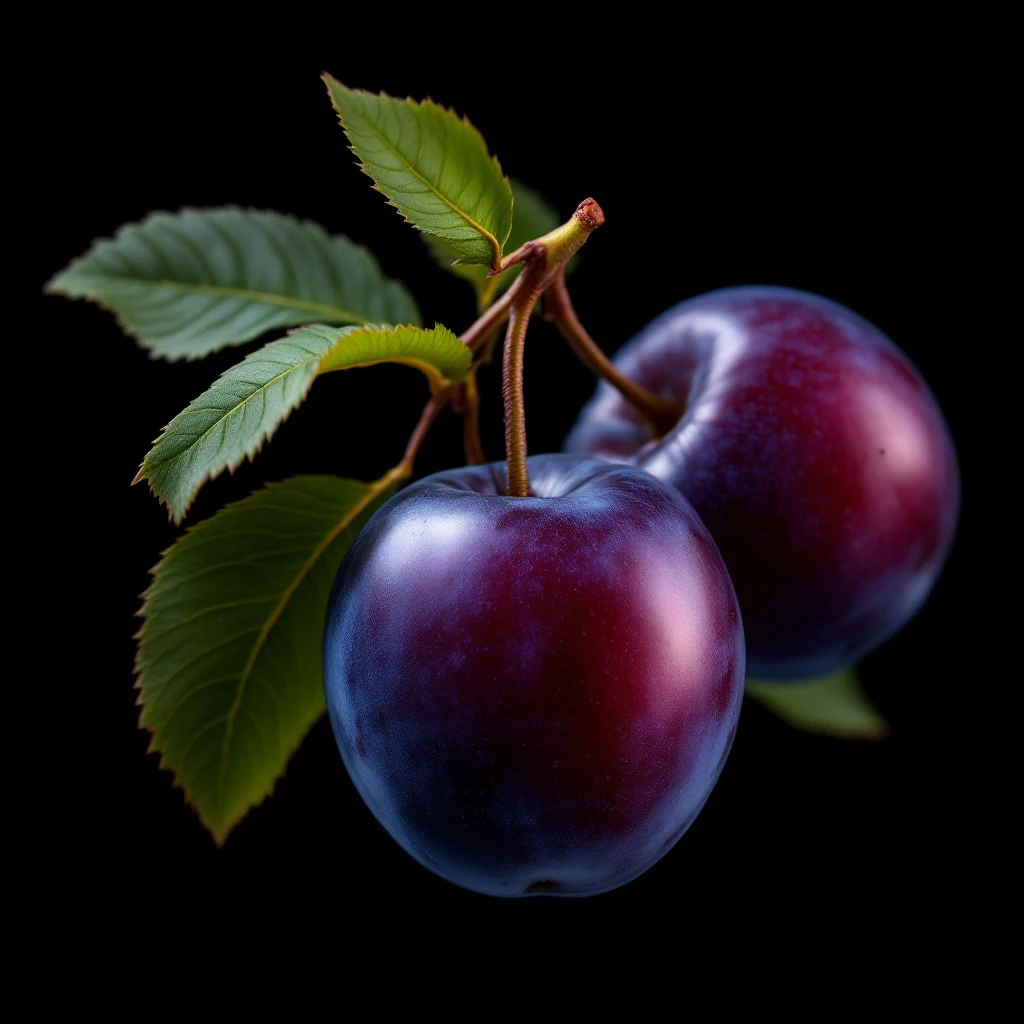
English Plum brings a rich, jammy sweetness to fragrances, evoking sun-warmed fruit at peak ripeness. Its deep, velvety character adds warmth and complexity to both men's and women's compositions.
Character
How it smells
Dark, jammy sweetness in every note
Plum cannot be extracted from the fruit—perfumers recreate its aroma entirely through synthetic chemistry, making it one of perfumery's most deliberate reconstructions.




Origin
United Kingdom
While plums have ancient roots in European cultivation and appear in historical documents dating back centuries, the concept of English Plum as a fragrance note emerged from modern perfumery's synthetic revolution. Before laboratory-created aromas, perfumers had no method to capture plum's scent, leaving the fruit absent from classical perfumery. The late 19th century breakthrough in aroma chemistry eventually made this possible.
English Plum likely draws inspiration from the Damson and Victoria plum varieties historically grown in English orchards, varieties prized for their intense flavor and dark coloring. Today, the note represents perfumery's ability to reconstruct any natural aroma, regardless of whether extraction is feasible, giving perfumers creative freedom that earlier generations could only imagine.
Wears it best
Fragrances featuring English Plum
Brands
Brands known for English Plum
Good to know
Questions, answered
The essentials on English Plum in perfumery: how it smells, where it comes from, and how it behaves on skin.
Is English Plum a natural or synthetic ingredient?
English Plum is synthetic. Direct extraction from plum fruit is not feasible, so perfumers reconstruct the aroma using lab-created molecules like aldehydes and lactones.
What molecules create plum's characteristic scent?
Lactones and aldehydes form the core of plum reconstruction, with specific ratios determining whether the result reads as fresh, jammy, or wine-like.
How long has synthetic plum been used in perfumery?
Synthetic aroma chemistry dates to the late 19th century, but sophisticated plum reconstruction became common in fine fragrance from the mid-20th century onward.
What fragrance families pair well with English Plum?
English Plum works in oriental, chypre, and fruity compositions, adding warmth and sweetness that complements amber, woods, and floral accords.
Can you smell real plum in natural extracts?
No natural plum extract exists for perfumery. The fruit's aroma compounds are too volatile and expensive to capture, making synthetic reconstruction the only option.
How does English Plum differ from plum essential oil?
Plum essential oil does not exist in perfumery. English Plum is a carefully engineered combination of synthetic molecules designed to smell like the fruit.
What plum varieties inspire this synthetic note?
English Plum typically draws from Damson and Victoria varieties, known for their deep color and intensely sweet-tart flavor in British horticulture.
How does the synthetic method affect fragrance consistency?
Synthetic production ensures batch-to-batch consistency, giving perfumers reliable plum character that natural extraction could never guarantee.