Easter Lily
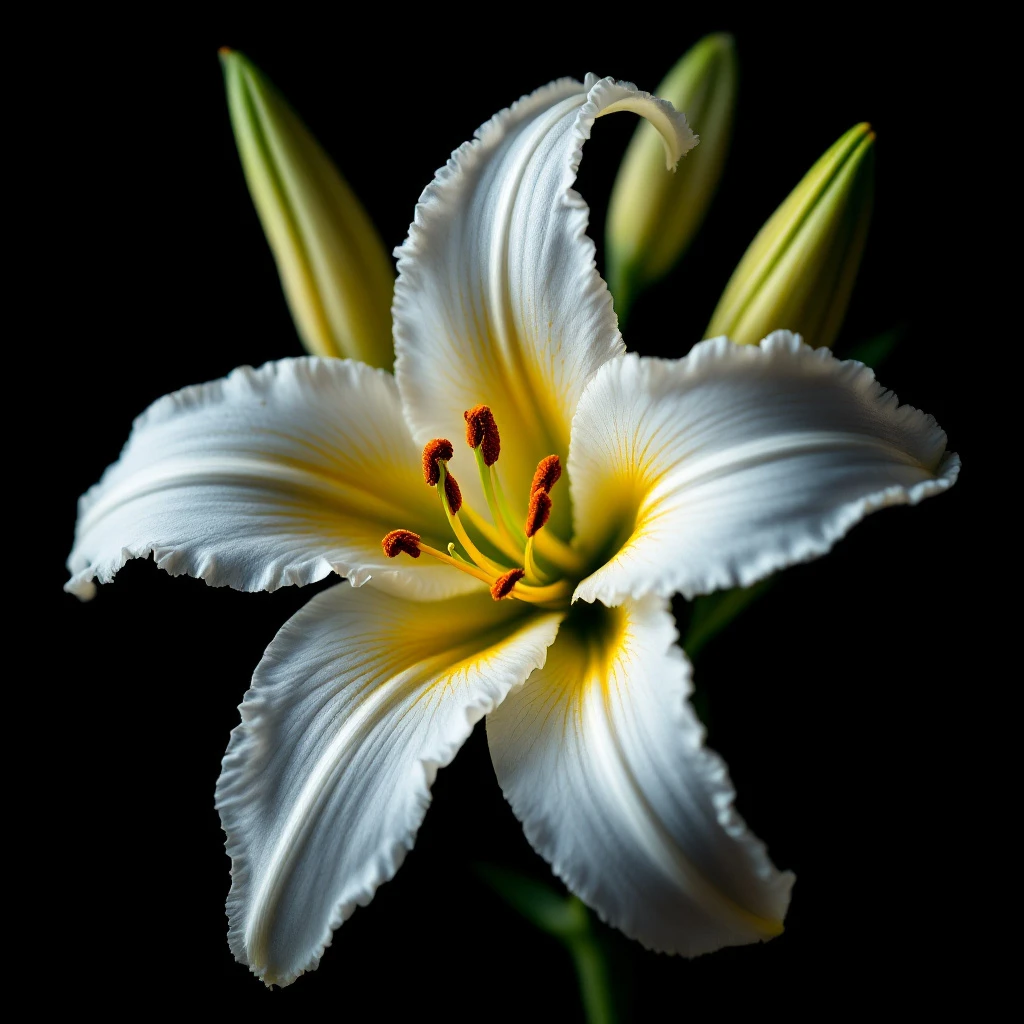
The Easter lily (Lilium longiflorum) carries a luminous, trumpet-shaped bloom with a scent that balances sweet green notes against creamy white florals. A symbol of spring and renewal.
Character
How it smells
Spring's most luminous floral, reborn in the bottle.
The Easter lily blooms naturally in late spring, but growers force the bulbs to bloom in time for Easter, which falls between late March and late April each year.







Origin
Japan
The Easter lily traces its origins to the Ryukyu Islands of southern Japan. Botanists first recorded it there before traders and missionaries carried the bulbs across the Pacific. The plant reached England in 1819 and arrived in North America around 1880. In 1853, a Japanese missionary gifted several bulbs to an acquaintance living in St.
George, Bermuda. That recipient later established commercial cultivation on the island, and Bermuda became the world's leading producer of Easter lily bulbs by the early twentieth century. The flower's association with Easter stems from Christian tradition, where its white petals symbolize purity and the Virgin Mary's devotion. Greek mythology links lilies to Hera, the goddess of marriage and birth.
Ancient cultures across the Mediterranean valued the flower for its beauty and fragrance long before perfumers adopted it. Today, Lilium longiflorum remains a premium floral note in fine fragrance, prized for its clean, radiant scent that evokes spring mornings and fresh beginnings.
Wears it best
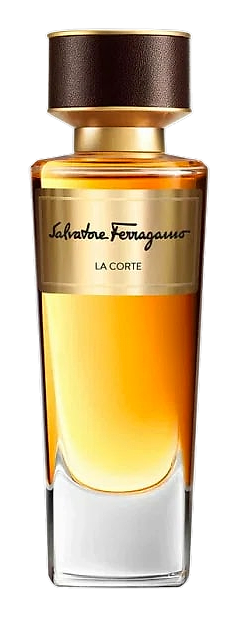
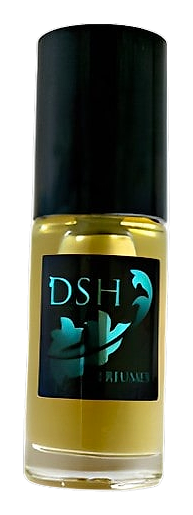
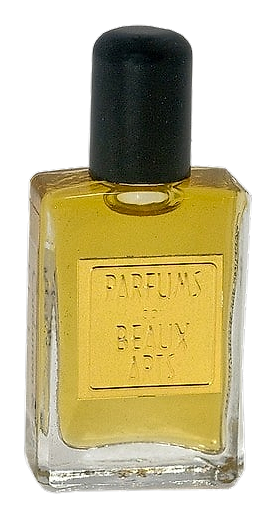
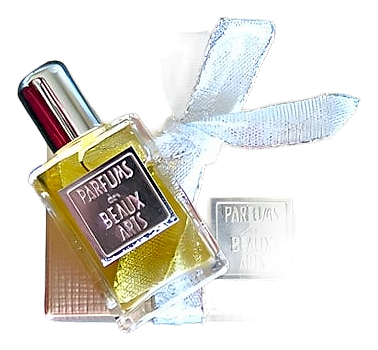
Fragrances featuring Easter Lily
Brands
Brands known for Easter Lily
Good to know
Questions, answered
The essentials on Easter Lily in perfumery: how it smells, where it comes from, and how it behaves on skin.
What does Easter lily smell like in perfume?
Easter lily offers a clean, sweet floral scent with creamy white flower character and subtle green undertones. It reads as radiant and slightly powdery, lending freshness to fragrance heart notes.
Is Easter lily extracted from real flowers or created synthetically?
Perfumers use Lilium longiflorum flowers for extraction via solvent extraction, producing an absolute. Replicating the exact scent in the lab is difficult, so real flower material remains the preferred source.
What fragrance families pair well with Easter lily?
Easter lily works in white floral and green chypre compositions. It combines naturally with rose, jasmine, green notes, and woody bases like sandalwood.
Why is solvent extraction used instead of distillation for Easter lily?
The flower's aromatic compounds are heat-sensitive and would degrade under steam distillation. Solvent extraction captures the full range of fragile molecules at cooler temperatures.
What parts of the Easter lily plant does perfumery use?
The flowers themselves provide the primary material. Petals and whole blooms enter extraction, yielding a concentrated absolute with the full floral character of the living plant.
Where do commercial Easter lily fragrance ingredients originate?
Modern cultivation centers in Japan, the flower's ancestral home. Bermuda and portions of North America also grow commercial crops, though Japan supplies the majority of perfumery material.
Does the Easter lily absolute smell like the living flower?
Solvent-extracted absolute captures the true floral character closely, though extraction can intensify certain elements. The result carries the characteristic creamy-white sweetness with green depth.
How does Easter lily compare to lily of the valley in fragrance?
Easter lily projects warmer and sweeter with creamier florals. Lily of the valley reads cooler, greener, and more dewy. Both share a clean, pure floral character despite their differences.



