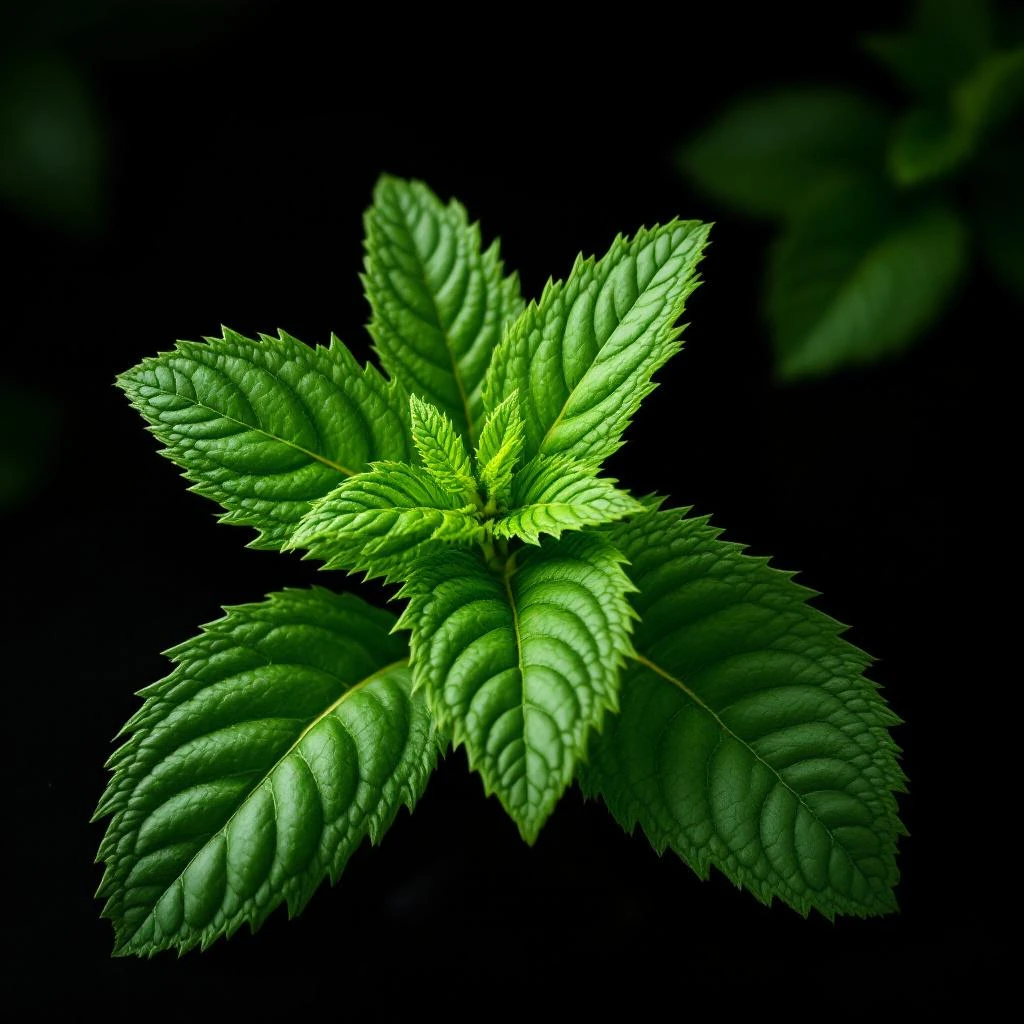
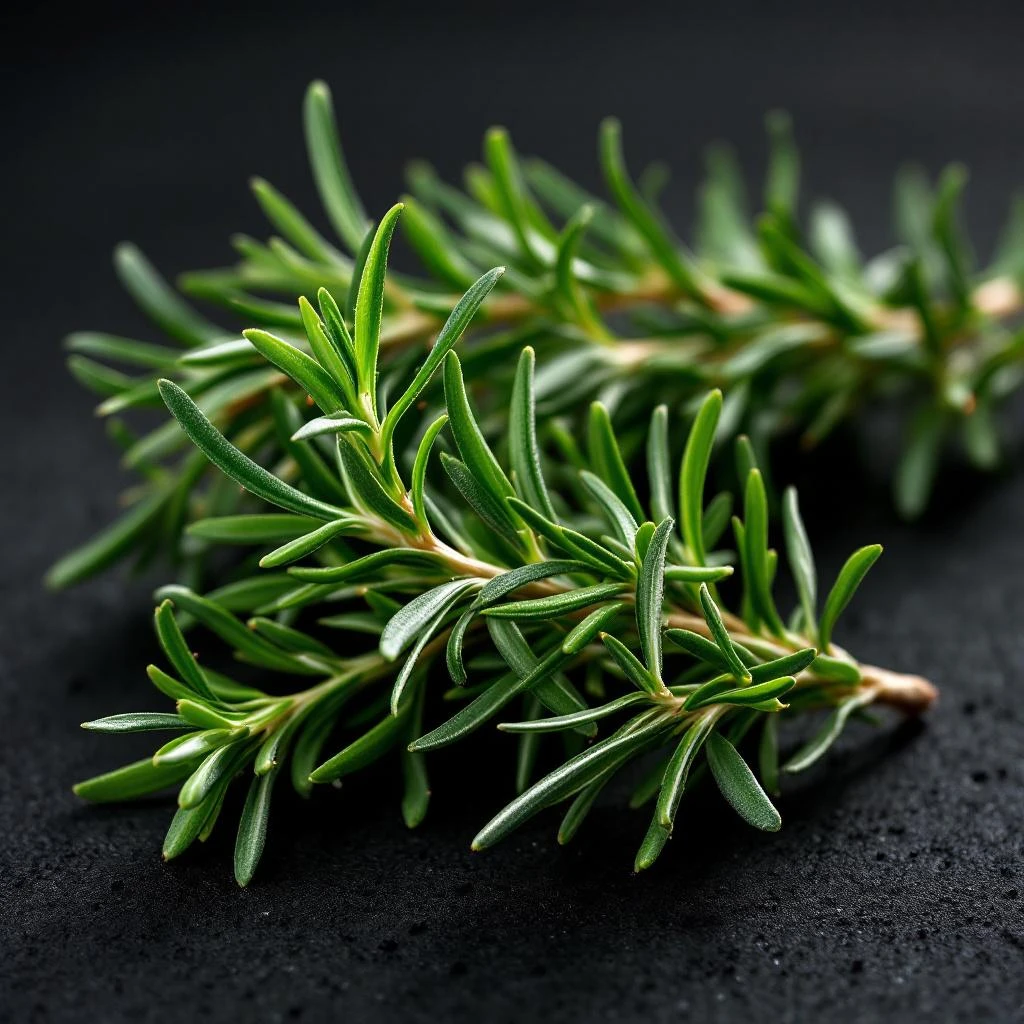
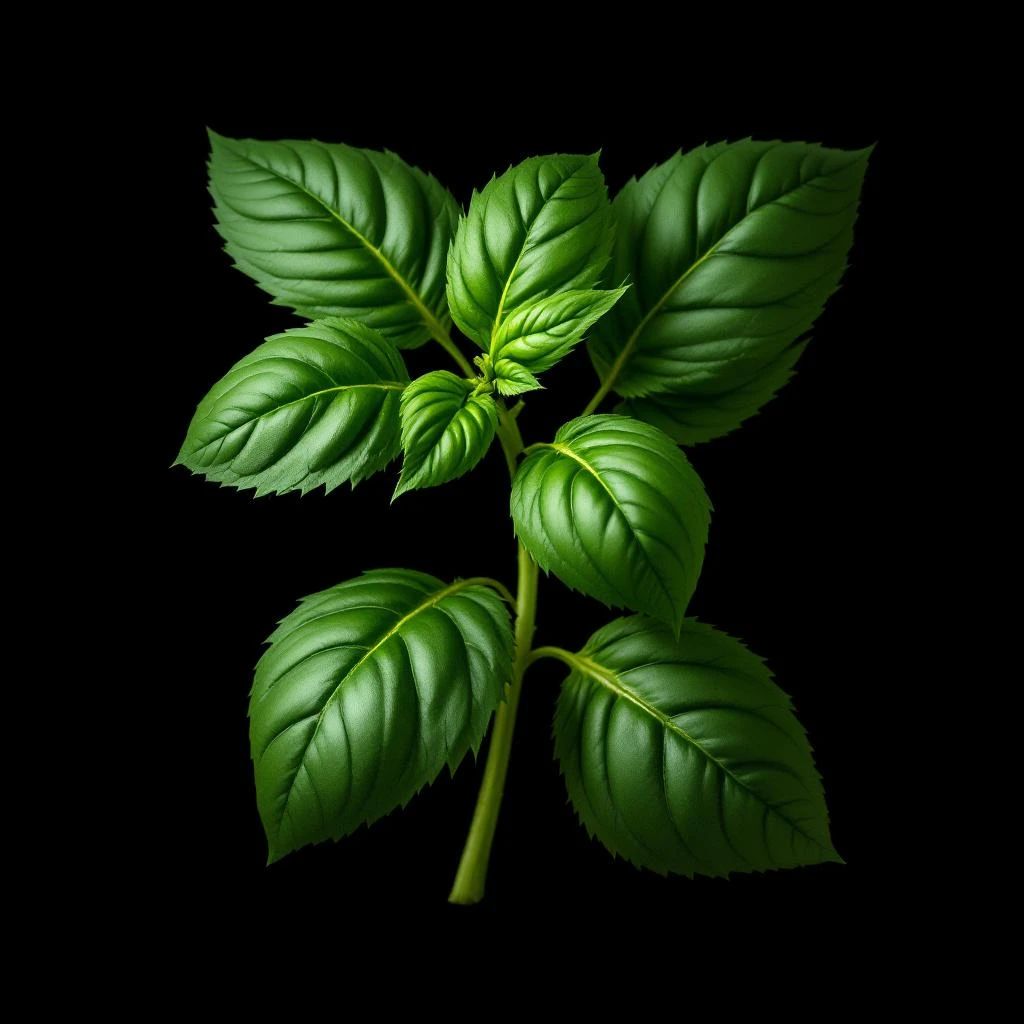
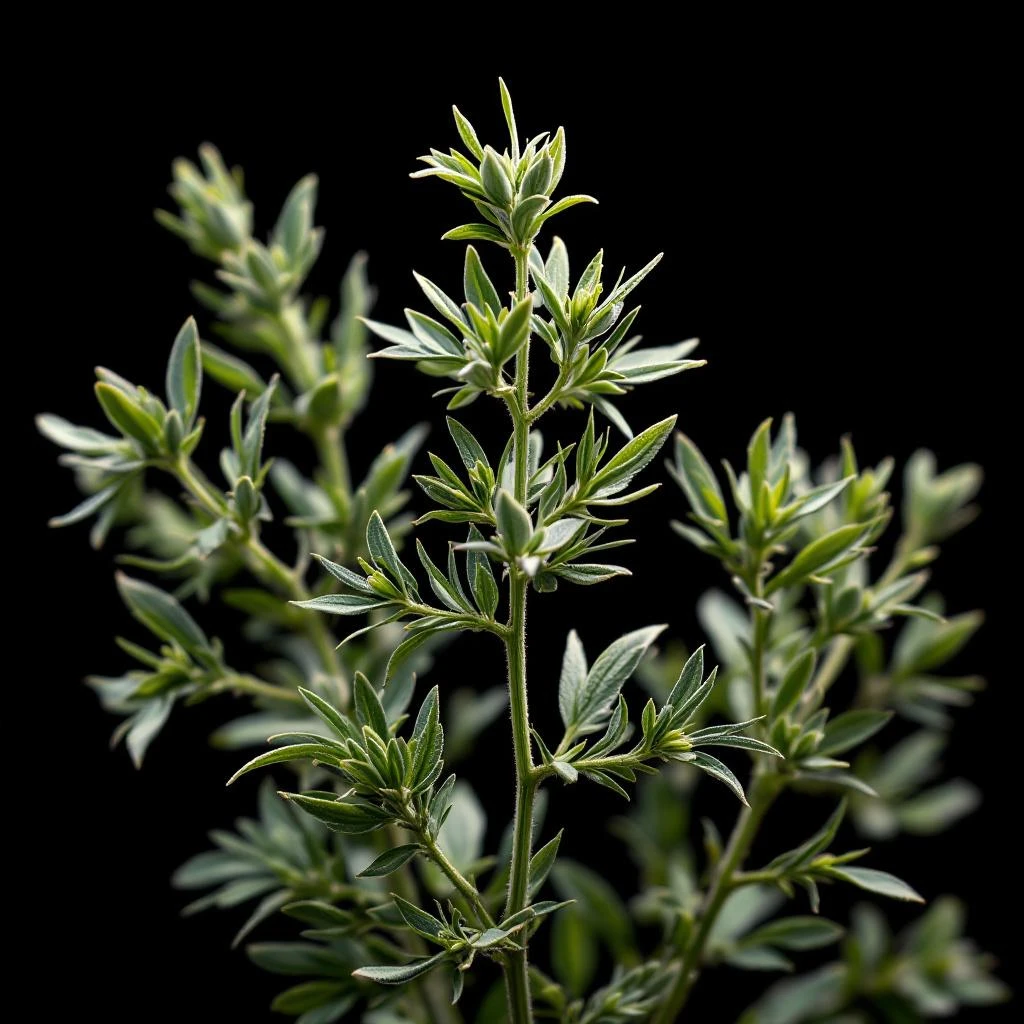
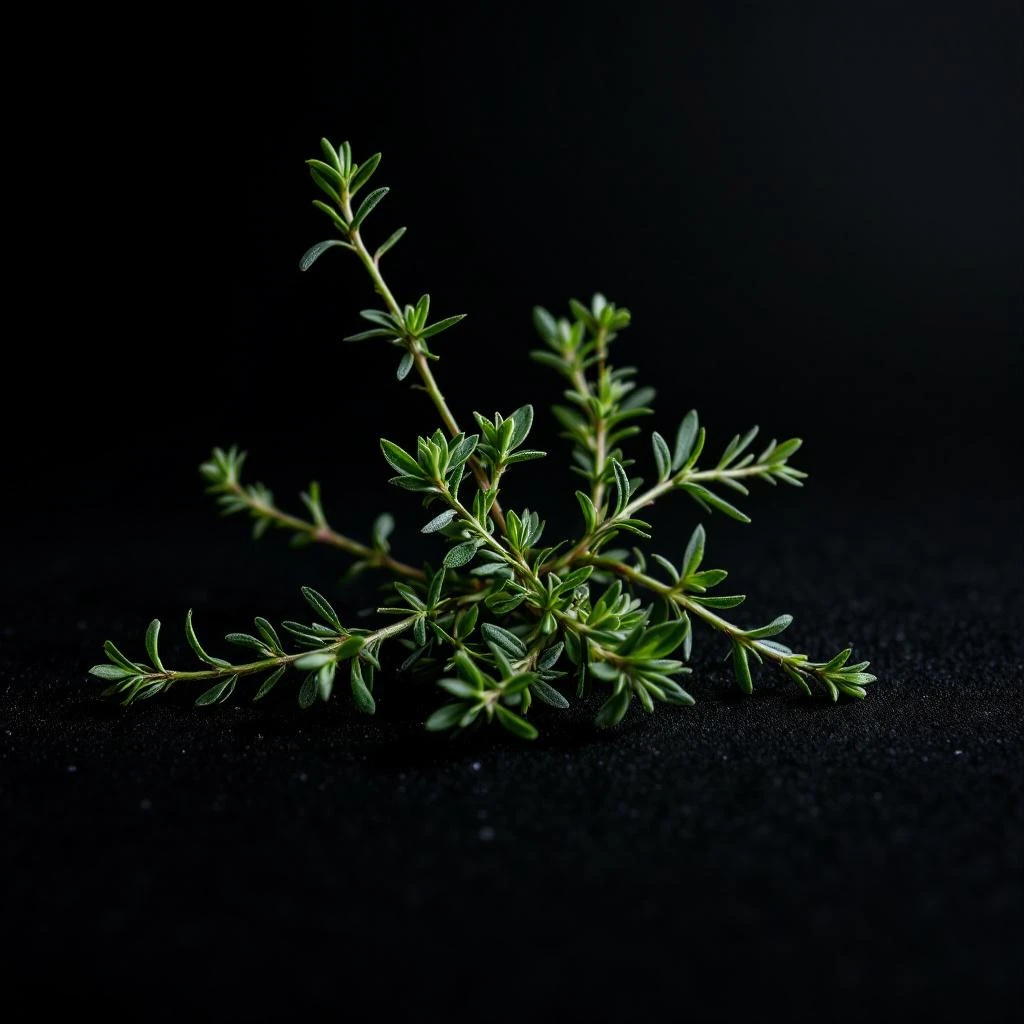
East African Myrtle
Aromatic evergreen shrub yielding leaf oil with cool, camphoraceous freshness and subtle citrus undertones. Mediterranean origins meet African trade heritage in perfumery.
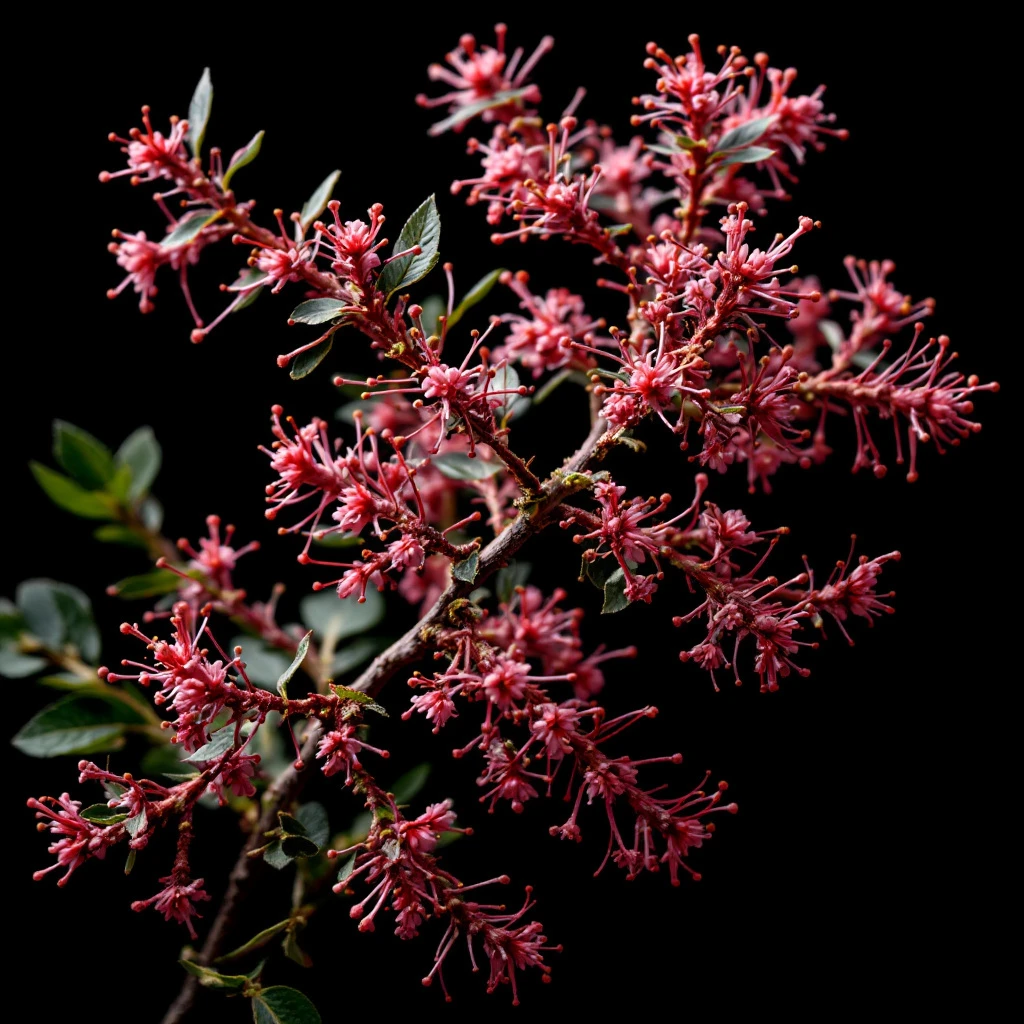
Character
How it smells
Mediterranean freshness with ancient African roots
Ancient Arabic physicians used myrtle leaf in digestive tonics alongside perfumery applications.

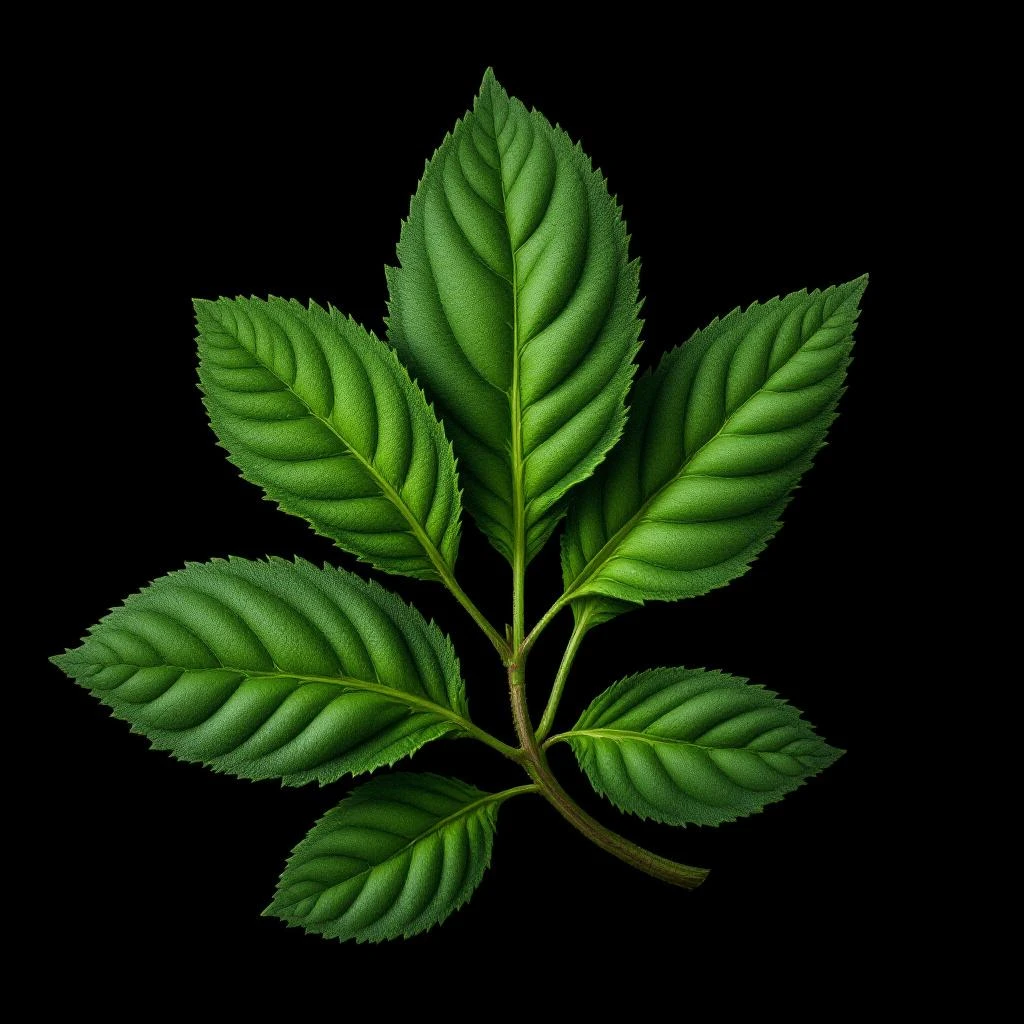





Origin
Tunisia
Myrtle carries significant cultural weight across Mediterranean and North African civilizations spanning thousands of years. Ancient Egyptians incorporated myrtle in ceremonial contexts alongside resins like myrrh and frankincense for religious practices.
Greek and Roman cultures associated the plant with Venus, using it extensively in cosmetics and perfumed oils. North African production developed along ancient trade routes, with oils reaching Middle Eastern markets through trans-Saharan commerce.
Islamic period medicine, particularly texts by physicians like Avicenna, documented myrtle's aromatic and therapeutic properties. The plant maintained commercial importance through colonial trade networks, eventually becoming a staple in European cologne production during the 18th and 19th centuries.
Wears it best
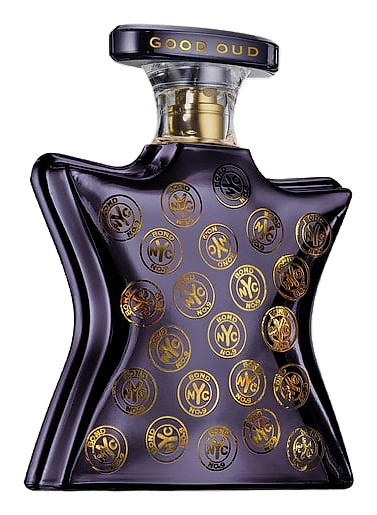
Fragrances featuring East African Myrtle
Brands
Brands known for East African Myrtle
Good to know
Questions, answered
The essentials on East African Myrtle in perfumery: how it smells, where it comes from, and how it behaves on skin.
What does East African Myrtle smell like?
Myrtle leaf oil delivers cool, camphoraceous freshness with green herbaceous tones and subtle citrus undertones reminiscent of eucalyptus and rosemary.
Is myrtle the same as common myrtle used in Mediterranean regions?
Yes, East African myrtle refers to Myrtus communis, the same species grown throughout the Mediterranean basin including Tunisia and Morocco.
What perfume families pair well with myrtle?
Myrtle works excellently in colognes, fougères, and aromatic chypre compositions, complementing citrus, lavender, and oakmoss.
Does myrtle oil have traditional non-perfumery uses?
Traditional medicine documented myrtle leaf preparations for digestive support and oral hygiene across North African and Middle Eastern cultures.
What are myrtle's key aromatic compounds?
The oil contains 1,8-cineole (eucalyptol), alpha-pinene, limonene, and linalool, creating its characteristic fresh, aromatic profile.
How long has myrtle been used in perfumery?
Documented perfumery use dates to ancient Egyptian and Greek civilizations over 3,000 years ago, with continuous production through modern times.
What parts of the myrtle plant are used in fragrance?
Perfumers primarily use the leaves for essential oil extraction, though flowers and berries occasionally contribute to absolute formulations.
How does myrtle perform as a fragrance ingredient?
Myrtle oil serves as a heart and top note component, providing fresh, green character that typically lasts 2-4 hours on skin.