Dune Flower
A sun-bleached coastal bloom capturing the raw romance of shoreline ecosystems. Dune Flower brings a mineral-fresh, slightly saline floralcy that bridges green vegetation and ocean air.
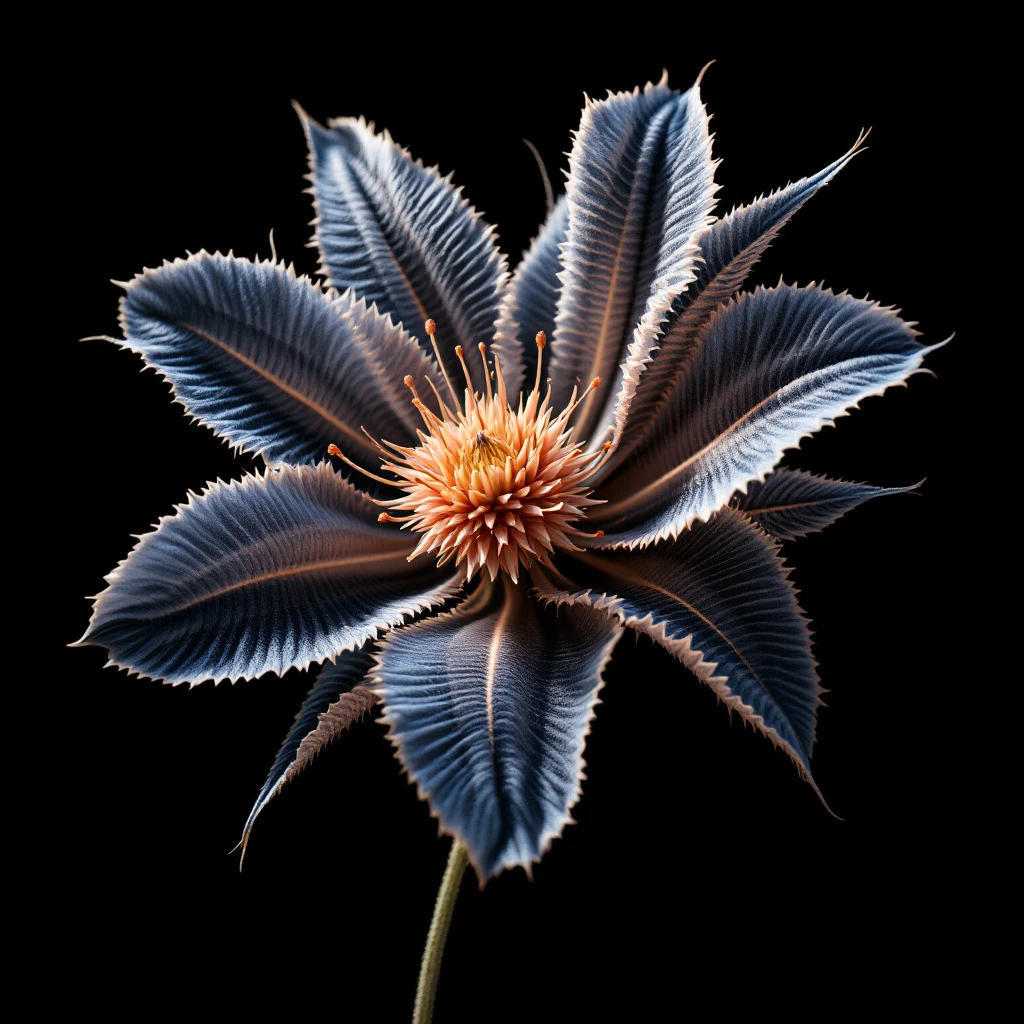
Character
How it smells
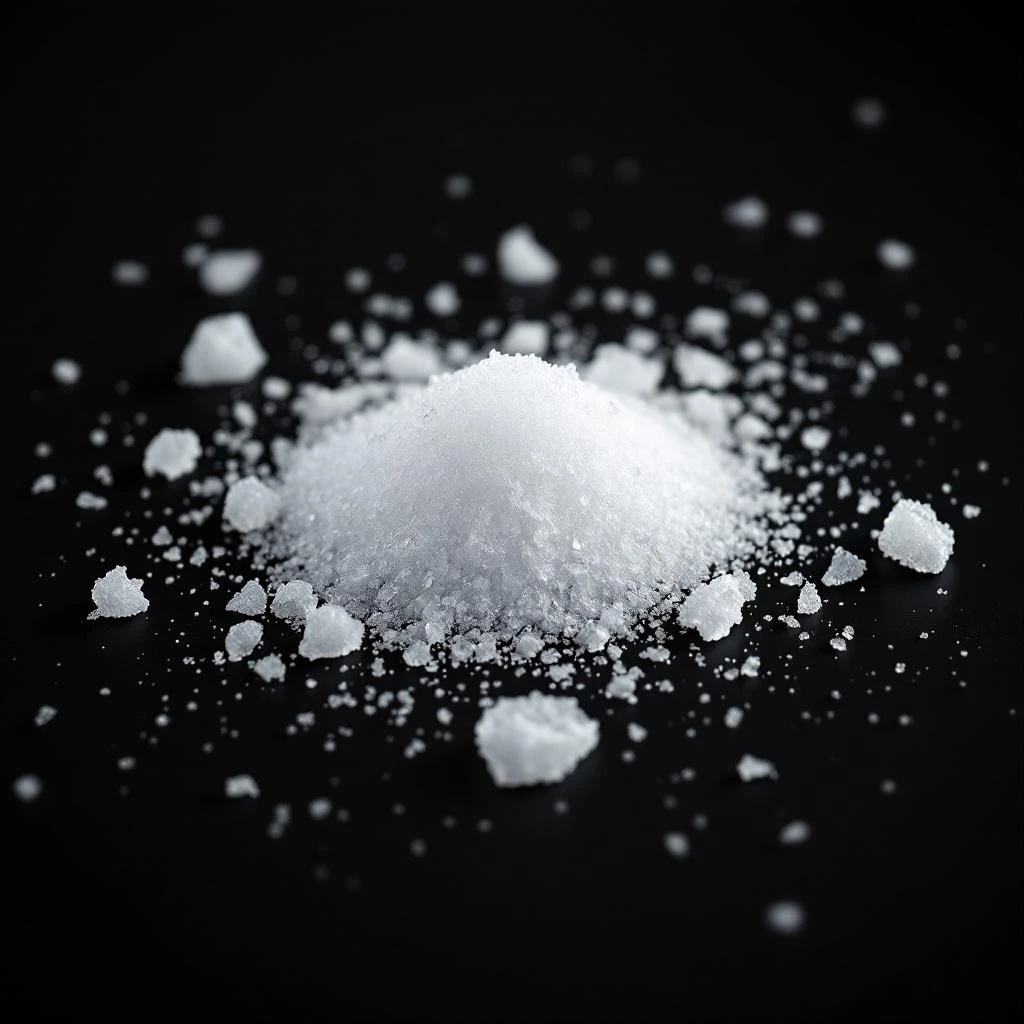
Mineral-fresh coastal blooms in a bottle.
Several plants called dune flowers bloom exclusively in coastal sand, where salt tolerance determines survival. Their natural defenses against harsh seaside conditions produce distinctive aromatic compounds.

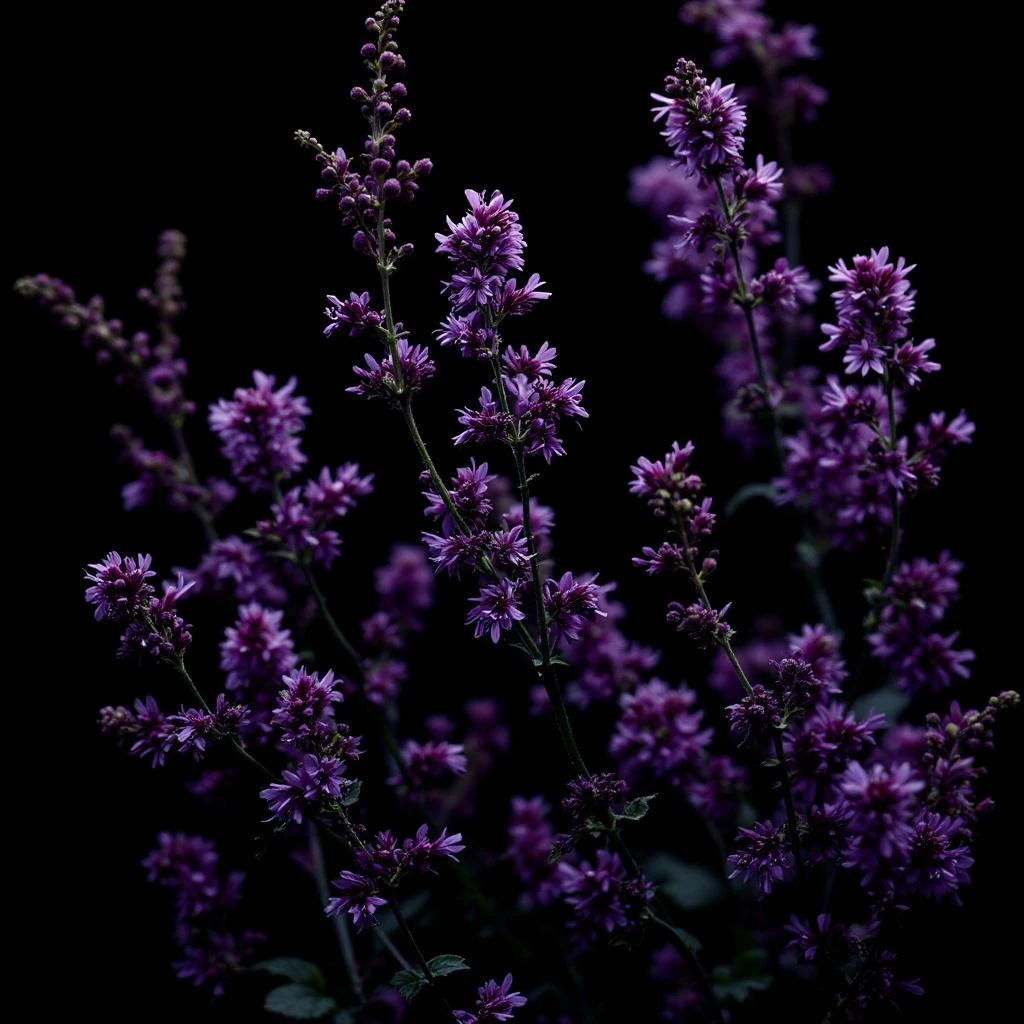
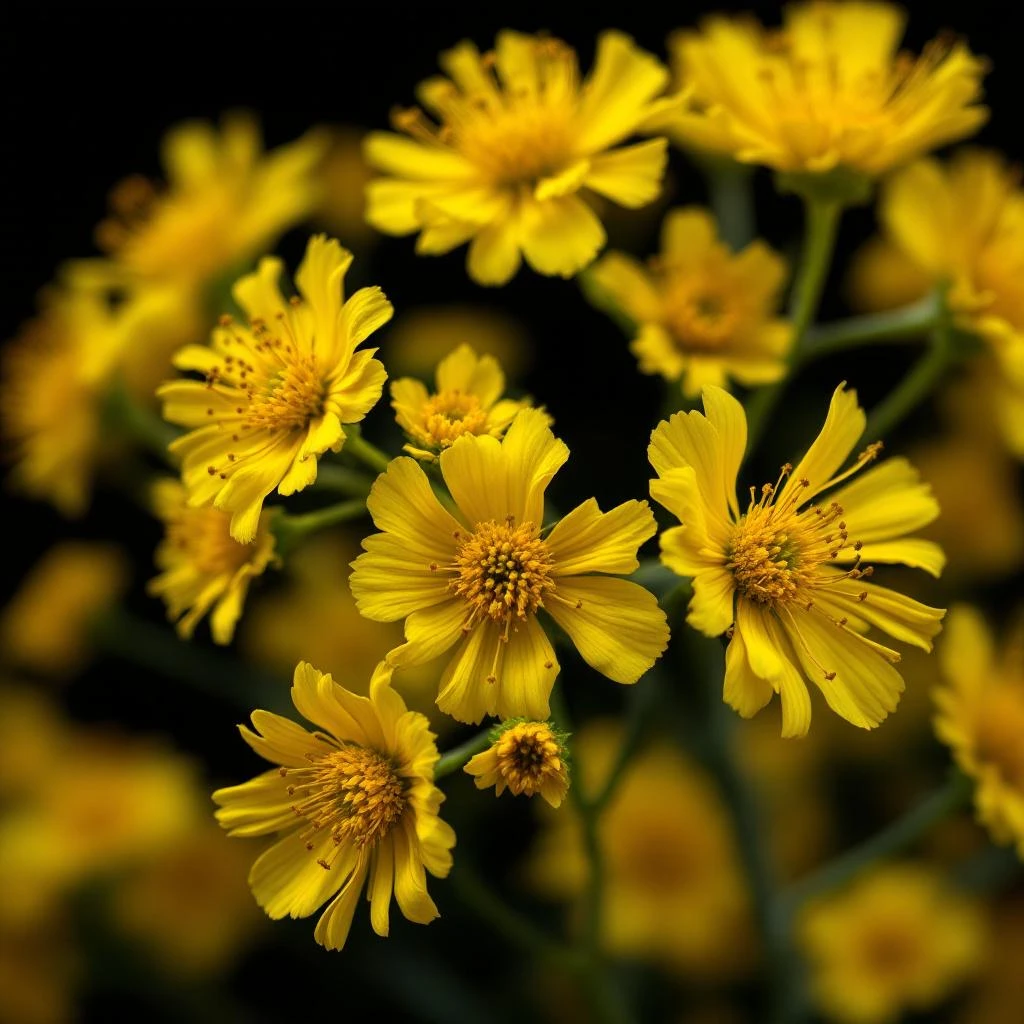

Origin
Greece
Coastal dune ecosystems have inspired perfumers for decades, though Dune Flower as a named ingredient emerged more recently in niche perfumery. Mediterranean cultures long valued sea daffodil for traditional medicinal preparations, and coastal communities recognized its distinctive scent wafting from beach dunes. Modern perfumery began incorporating these shoreline botanicals in the late 20th century as interest grew in terroir-driven ingredients and unusual floral sources.
The 1990s beach and marine fragrance trend accelerated exploration of dune-sourced materials. Today, Dune Flower represents perfumers' ongoing quest for unique natural materials, though sustainability concerns limit wild harvesting, making cultivated and synthetic alternatives increasingly important.
Wears it best
Fragrances featuring Dune Flower
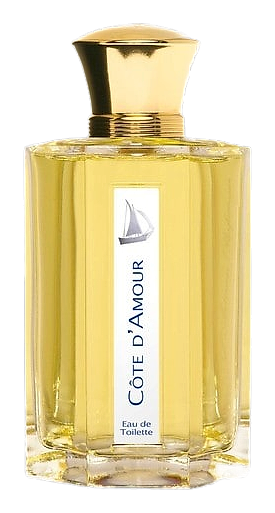
Brands
Brands known for Dune Flower
Good to know
Questions, answered
The essentials on Dune Flower in perfumery: how it smells, where it comes from, and how it behaves on skin.
What does Dune Flower smell like?
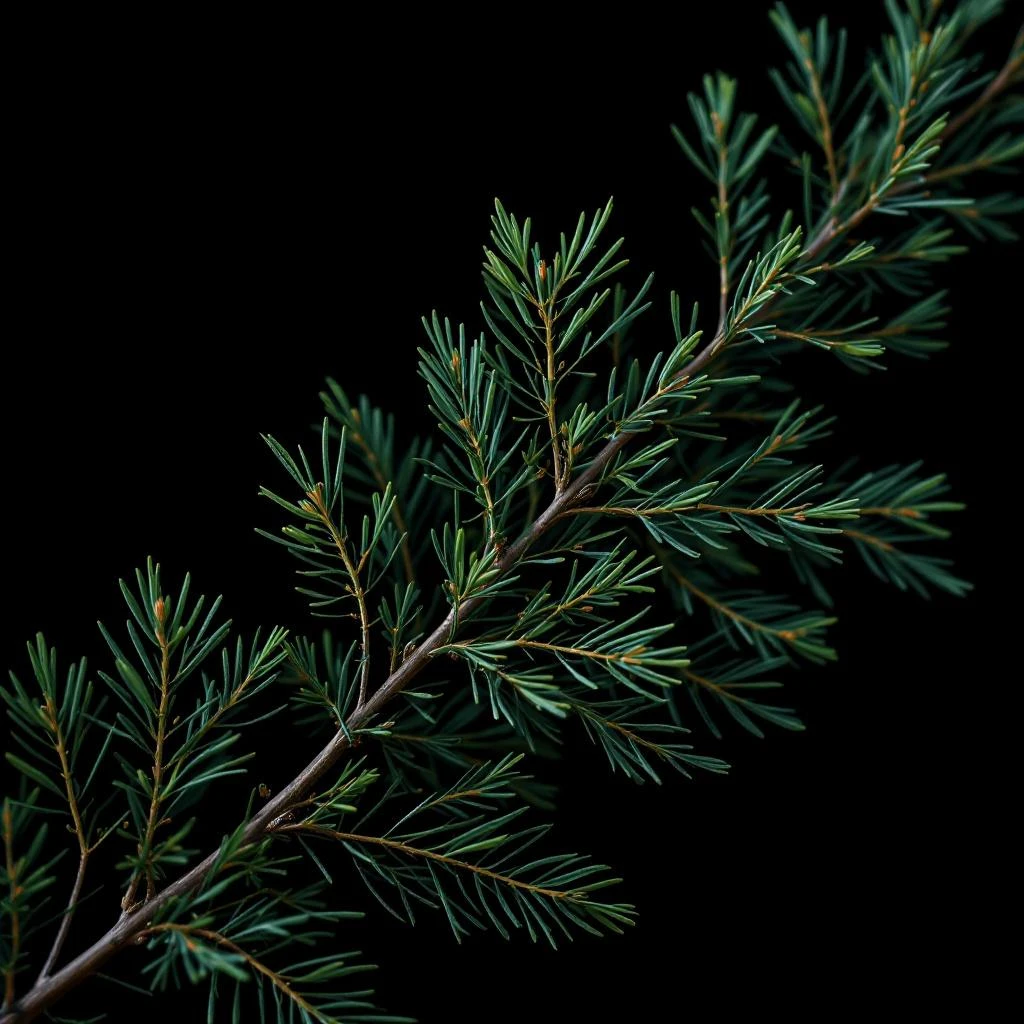
Dune Flower delivers a mineral-fresh floral scent combining green vegetation notes with subtle salt and ozone qualities. The fragrance evokes sea air meeting sun-warmed petals, remaining lighter than typical tropical florals.
Is Dune Flower a natural or synthetic ingredient?
Both natural and synthetic versions exist. Natural extracts come from coastal plants like sea daffodil, while synthetics recreate the mineral-floral character using aroma chemicals designed to evoke dune environments.
Which perfumes feature Dune Flower?
Dior Dune (1991) remains the most iconic fragrance using this note, though the term generally describes any dune-inspired coastal floral accord in perfumery.
Where does Dune Flower grow naturally?
True dune flowers grow on coastal sand dunes across the Mediterranean and Atlantic coasts, with sea daffodil specifically thriving in Greek, Italian, and Spanish shoreline habitats.
Why is Dune Flower considered rare in perfumery?
Coastal dune plants face habitat loss from beach development and tourism. Their short blooming season and protected status limit natural harvesting, making the note relatively uncommon.
How is Dune Flower extracted?
Extractors use solvent extraction because steam distillation damages the delicate petals. This method preserves the subtle mineral and green-floral compounds the flowers produce as salt defenses.
What fragrance families pair well with Dune Flower?
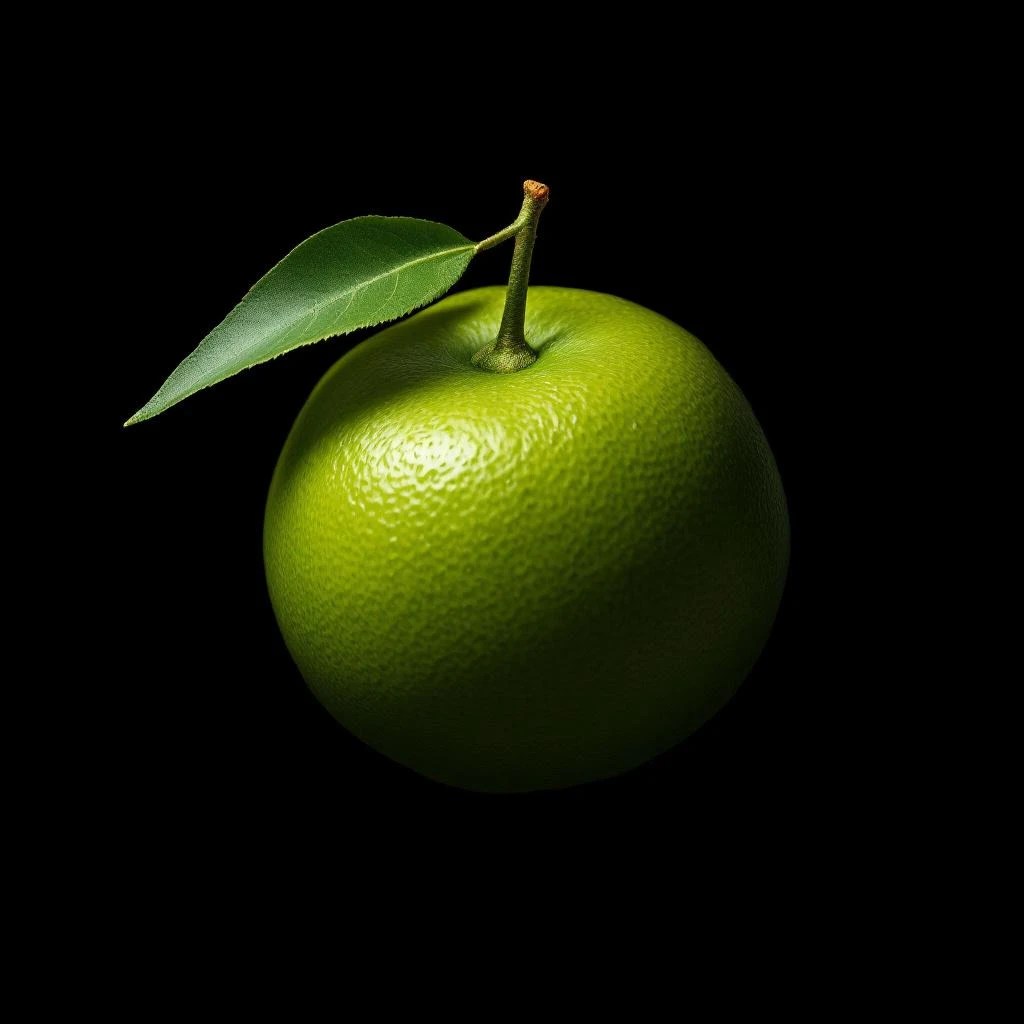
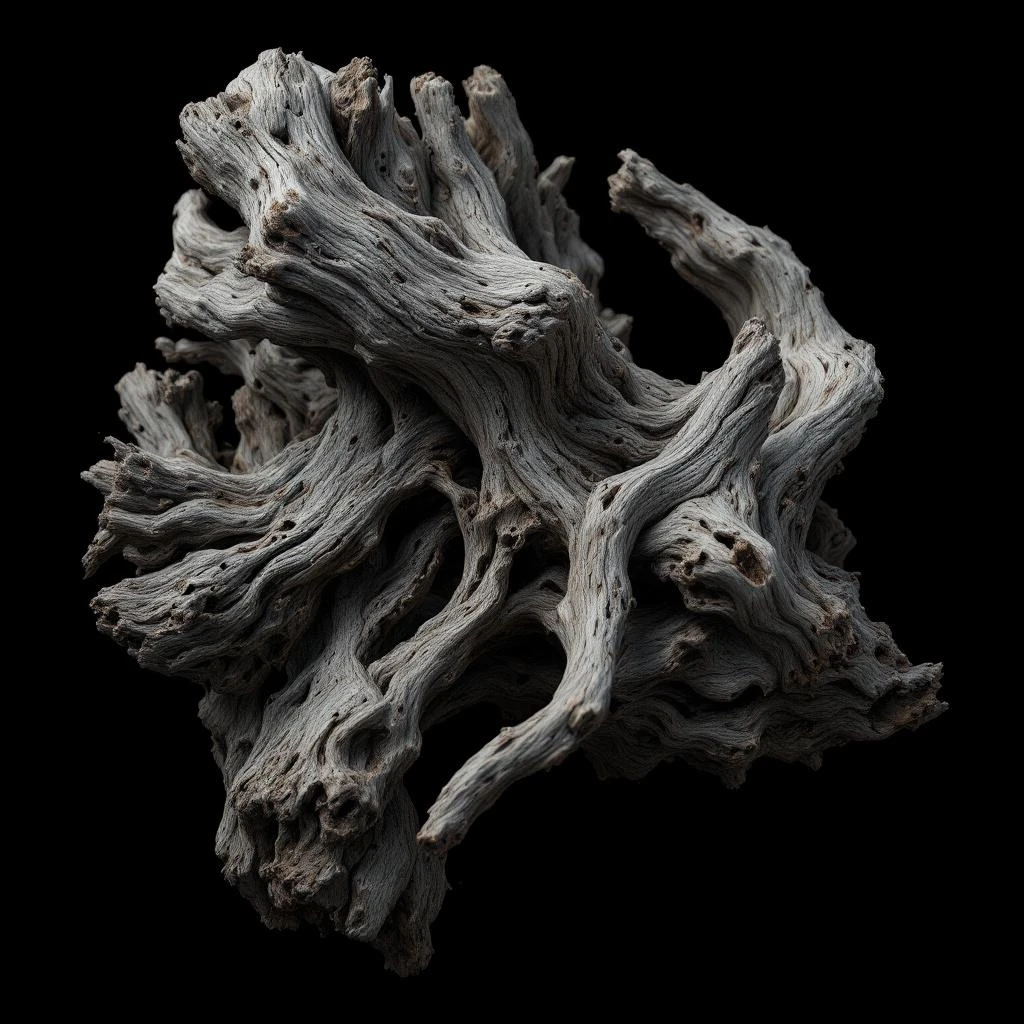
Dune Flower works naturally with marine, green, and ozonic notes. It also complements white musks, light woods, and fresh citrus, adding organic floralcy to clean fragrance concepts.
Does Dune Flower have sustainable sourcing challenges?
Wild coastal dune ecosystems are fragile and declining globally. Responsible perfumers either use cultivated alternatives, synthetic recreations, or limit natural Dune Flower materials to protect remaining habitats.




