Dried Apple Crisp
A warm gourmand note that captures the essence of oven-baked apples dusted with cinnamon and brown sugar. Dried Apple Crisp brings cozy autumnal depth to fragrances, evoking the scent of homemade desserts and harvest kitchens.
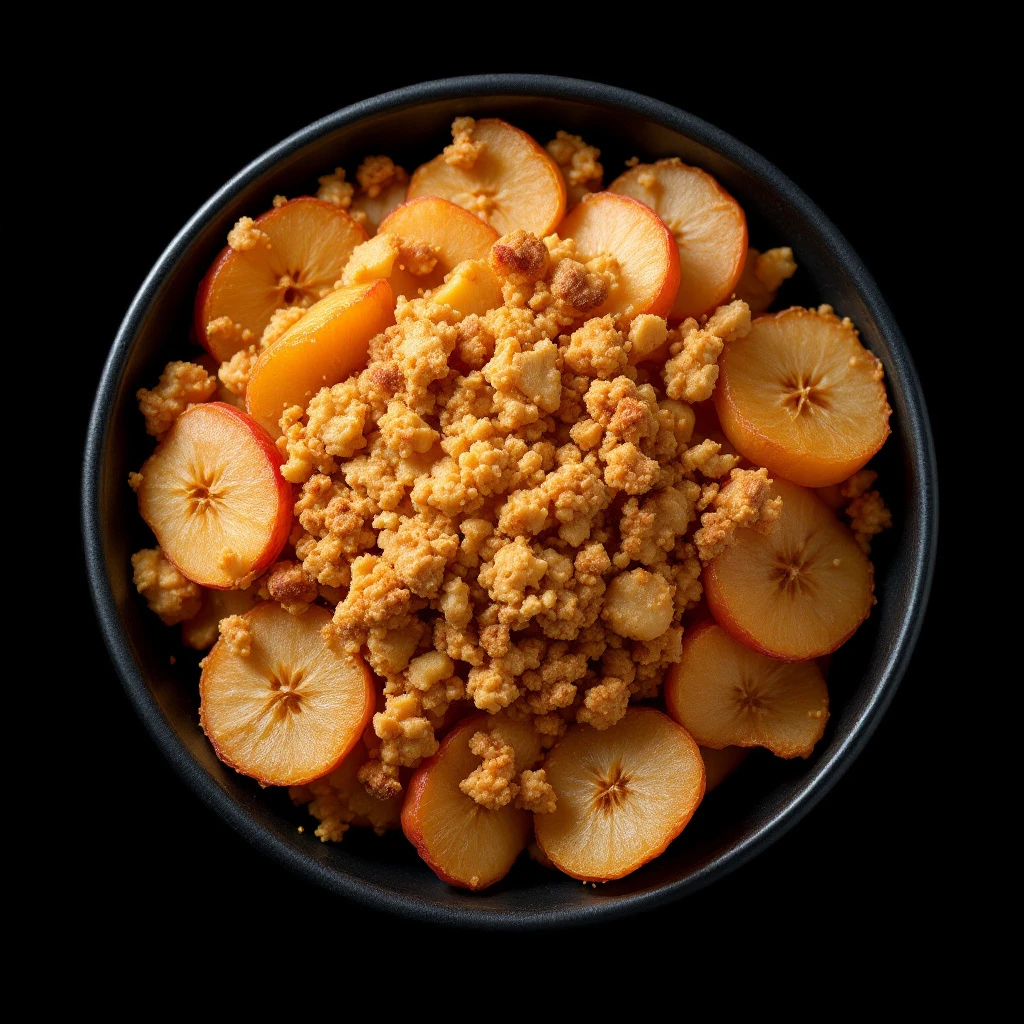
Character
How it smells
Oven-baked comfort in every whiff.
The United States produces over 10 billion pounds of apples annually, with dehydration preserving their aromatic compounds for year-round use in perfumery.





Origin
United States
Apple drying stretches back thousands of years, with evidence of preserved apple slices found in ancient Mesopotamian settlements. In colonial America, dried apples became essential provisions, with families slicing hundreds of apples by hand and threading them on strings for winter storage.
By 1877, the Appalachian region spanning North Carolina, Tennessee, Virginia, and Georgia shipped four million pounds of dried apples to Baltimore alone, making dried apple a significant trade commodity. Modern perfumery adopted this concentrated apple character in the late 20th century as gourmand fragrances gained popularity, recognizing that the dehydration process unlocks warmer, more complex aromatic compounds than fresh fruit alone can provide.
Wears it best
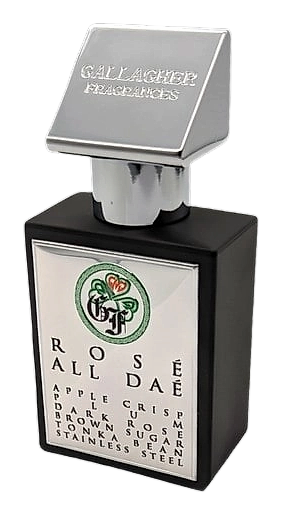
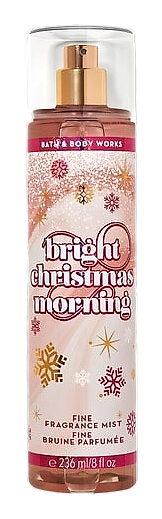
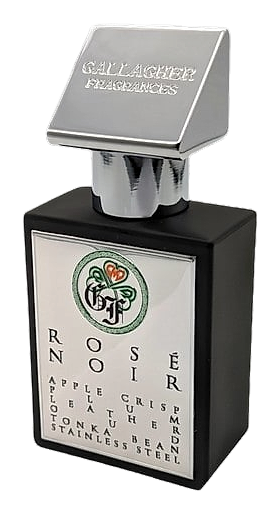
Fragrances featuring Dried Apple Crisp
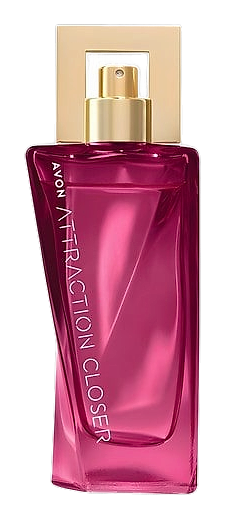
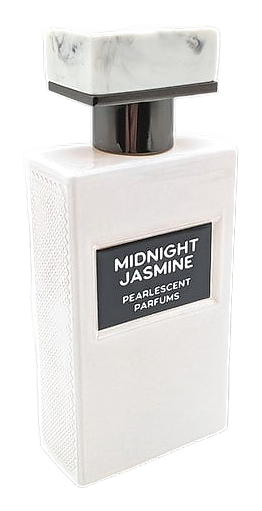
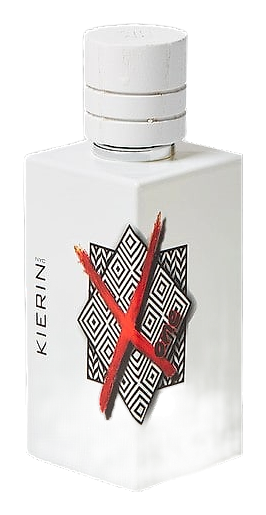

Brands
Brands known for Dried Apple Crisp
Good to know
Questions, answered
The essentials on Dried Apple Crisp in perfumery: how it smells, where it comes from, and how it behaves on skin.
What does Dried Apple Crisp smell like?
Dried Apple Crisp smells like warm baked apples with caramel undertones and gentle spice. The dehydration process concentrates natural sugars, creating a cozy, comforting gourmand character unlike fresh apple.
Is Dried Apple Crisp a natural or synthetic ingredient?
Dried Apple Crisp is typically a nature-identical material. Perfumers replicate the exact volatile compounds found in dried apple, including key esters like ethyl-2-methylbutanoate, ensuring consistent aroma across batches.
What type of note is Dried Apple Crisp?
Dried Apple Crisp functions as a heart note in perfumery. It provides lasting warmth and sweetness that anchors compositions while supporting top notes and giving depth to dry-down phases.
Which fragrance families use Dried Apple Crisp?
Dried Apple Crisp appears primarily in gourmand and warm oriental compositions. It pairs naturally with vanilla, caramel, cinnamon, and woody base notes in autumn and winter fragrances.
What compounds create the characteristic apple aroma?
The aroma comes from esters including ethyl-2-methylbutanoate, hexyl acetate, and butyl acetate. These compounds create the signature sweet-tart apple character with warm undertones from Maillard reaction products during drying.
How does dried apple differ from fresh apple in perfumery?
Fresh apple provides crisp, green, aldehydic top notes. Dried apple offers warmer, sweeter, baked qualities with caramel and spice undertones. The dehydration process fundamentally shifts the aromatic profile toward comfort and depth.
Can Dried Apple Crisp be combined with other fruit notes?
Dried Apple Crisp pairs well with pear, plum, and berry notes. It adds warmth and prevents fruit notes from smelling too green or raw, creating more sophisticated gourmand compositions.
What is the historical origin of dried apple in perfumery?
Apple drying dates to ancient times, but commercial dried apple production flourished in 19th-century Appalachia. By 1877, four million pounds shipped annually from the southern United States alone.