The Story
Why it exists.
The beginning
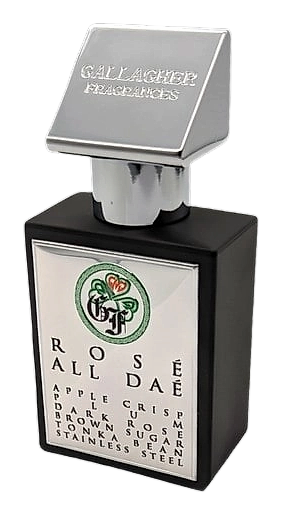
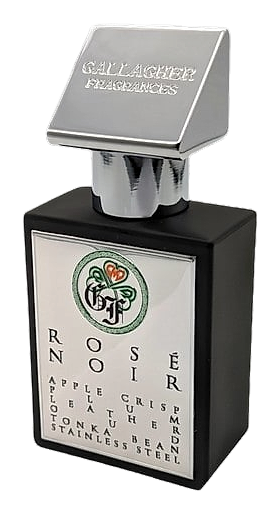
Daniel Gallagher had already built something with Rosé All Daé, a sweet, golden fragrance that earned a following and a nomination. But there's a question every perfumer eventually faces: what happens when you stop being gentle? Rosé Noir is the answer. Not a departure, but a deepening. Leather and oud slipped into the composition like a change of key, same melody, darker register. The Turkish rose stayed. The apple crisp stayed. The honey and brown sugar stayed. Everything just got more serious about itself. Launched in 2021, it became the house's invitation to people who wanted warmth but didn't want to announce it with a smile.
Oud Assafi from Bangladesh, sourced through a partnership with Jalali Agarwood and Firmenich, carries a different energy than its traditional counterparts. Where vintage oud can read heavy, even austere, Assafi brings a resinous warmth that integrates rather than dominates. Paired with black leather and the sweetness of brown sugar, the composition stays human. The stainless steel note, mentioned explicitly in the formulation, is what gives Rosé Noir its distinctive cool shimmer in the opening minutes. It catches light. The rest of the fragrance keeps you warm.
The evolution
The first minutes smell like apple crisp cooling on a windowsill, fruity, sweet, with a metallic gleam that reads almost ozonic. Then the Turkish rose arrives, slow and certain, and the leather announces itself not as a slap but as a weight. The oud doesn't try to dominate. It anchors. Brown sugar and honey cushion everything, preventing the leather from reading harsh and keeping the rose from going powdery. By hour three, the fragrance has settled into something warmer and more intimate, vanilla emerging, patchouli providing earth, sandalwood lending cream. The drydown holds for hours after that. On fabric, the honey and leather linger well into the next day. On skin, the sillage stays close but present, the kind that turns heads without trying.
Cultural impact
Rosé Noir occupies a specific position in the indie fragrance landscape, dark enough for leather and oud enthusiasts, sweet enough to avoid the austerity that scares people away from those notes. It sits comfortably between commodity niche and avant-garde. The comparison to Rosé All Daé is inevitable and intentional; the darker interpretation invites wearers who've aged out of purely sweet fragrances but aren't ready for full darkness. Gallagher's transparency about his Oud Assafi sourcing, the Jalali Agarwood partnership, the Firmenich connection, reflects a broader indie-house philosophy of ingredient storytelling over marketing abstraction.