Disinfectant
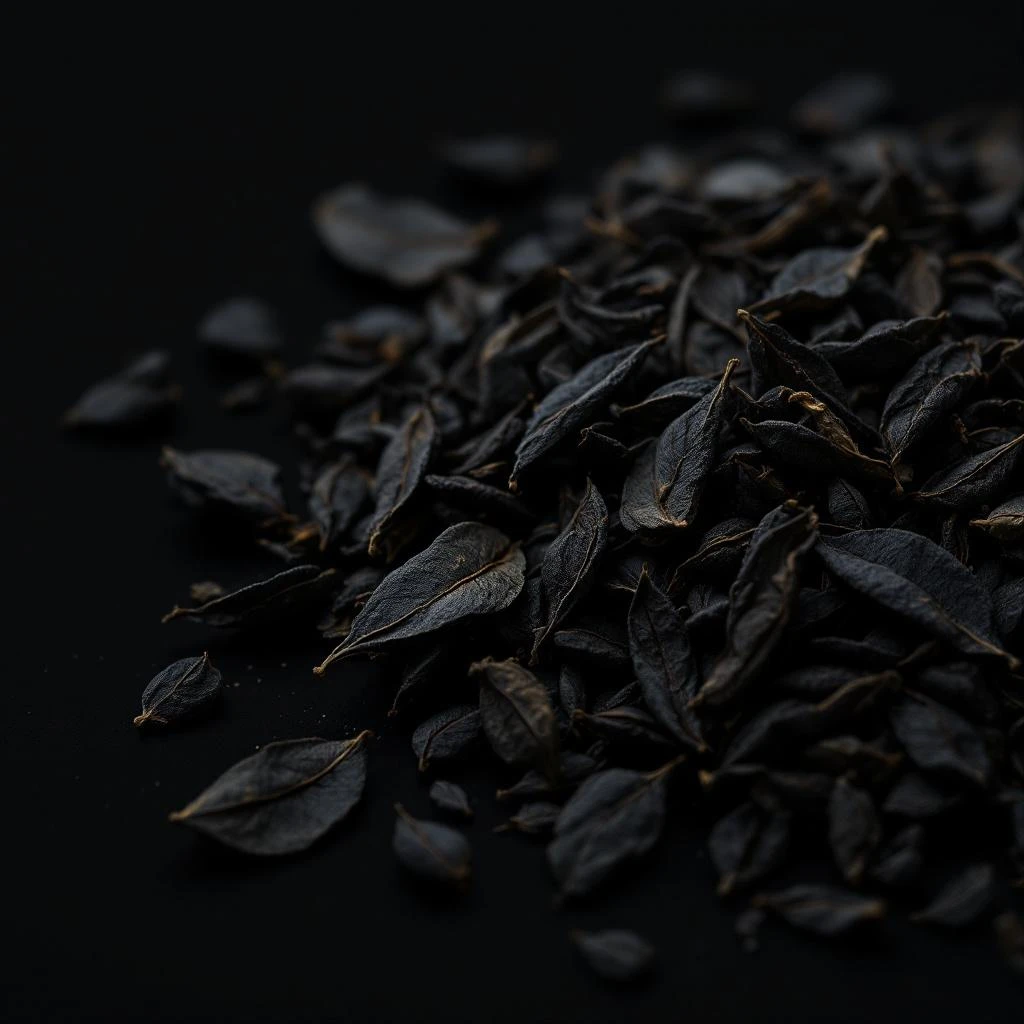
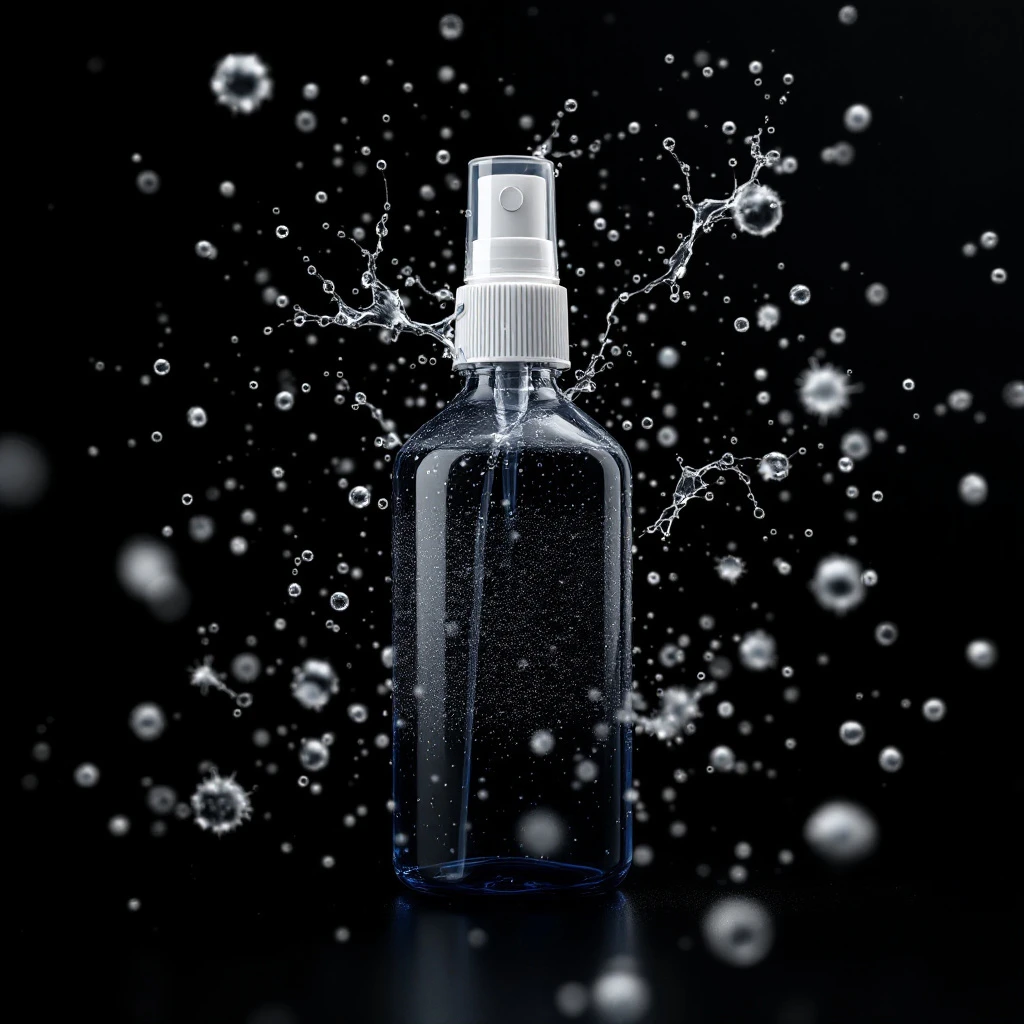
The sharp, antiseptic clarity of ethanol and phenolic compounds. A modern note evoking sterile surfaces, sanitized hands, and the sensory mark of contemporary hygiene culture.
Character
How it smells
The smell of modern purity
Post-2020, sanitizer scents shifted from clinical necessity to aspirational fragrance, as 'clean' became a sensory lifestyle choice.

Origin
International
The concept of clean-smelling as a virtue dates to ancient perfumery, but the specific antiseptic note we recognize today emerged from 19th century industrial chemistry. As synthetic fragrance materials became commercially viable in the late 1800s, perfumers gained access to aromatic compounds without natural limitations. The disinfecting smell itself was simply part of medical practice until modern hygiene culture reshaped perception.
What changed everything was 2020. The global adoption of alcohol-based hand sanitizer transformed a neutral institutional smell into something charged with meaning, safety, and care. Millions experienced this scent daily as a marker of protection.
Perfumery responded quickly, recognizing this as a new olfactory vocabulary. The note moved from novelty to established technique, used not for novelty but for its clean, precise, modern character. Today it appears in mainstream fragrances as an architectural element, lending sharpness and contemporary relevance to compositions across price ranges.
Wears it best
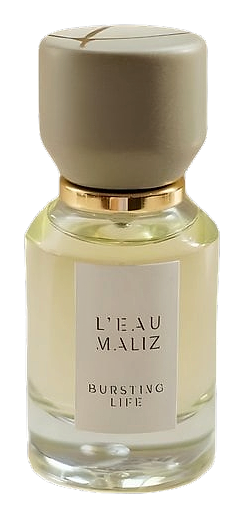
Fragrances featuring Disinfectant
Brands
Brands known for Disinfectant
Good to know
Questions, answered
The essentials on Disinfectant in perfumery: how it smells, where it comes from, and how it behaves on skin.
Is the disinfectant note safe in fragrance products?
Yes, fragrance-grade versions of these synthetic compounds meet strict safety standards. Perfumery uses highly diluted concentrations that undergo rigorous toxicological evaluation before commercial use.
Why do perfumers include disinfectant notes in their compositions?
The note conveys purity, sterility, and modernity. It creates a sharp, clean impression that resonates with contemporary hygiene culture and appeals to consumers seeking that just-sanitized sensory signature.
What creates the characteristic disinfectant smell in perfumery?
Combinations of alcohol-like aromatics, phenolic compounds, and sharp-smelling synthetic molecules work together. Specific aldehydes and surfactants add that distinctive clean bite and sterile quality.
When did this note become prominent in fragrances?
2020 marked the turning point. Global sanitizer use normalized this scent profile, and perfumers quickly adopted it as a legitimate architectural element rather than a novelty.
How long does this note last in a fragrance?
As a top note, it provides initial brightness and clarity that typically lasts 15 to 30 minutes before evolving into the heart and base composition.
Which fragrance families commonly use this note?
Fresh, aquatic, and modern minimalist fragrances frequently feature it. The note appears across gender categories and price points, particularly in clean and green fragrance families.
Can natural ingredients replicate the disinfectant smell?
Eucalyptus, tea tree, and ravintsara essential oils offer natural antiseptic aromatics. However, these lack the precise sterile quality that synthetic versions provide in perfumery applications.
Is this note a passing trend or here to stay?
The note has earned permanent status in the perfumer's toolkit. Its cultural resonance with hygiene awareness and wellness culture ensures continued relevance beyond any single moment.