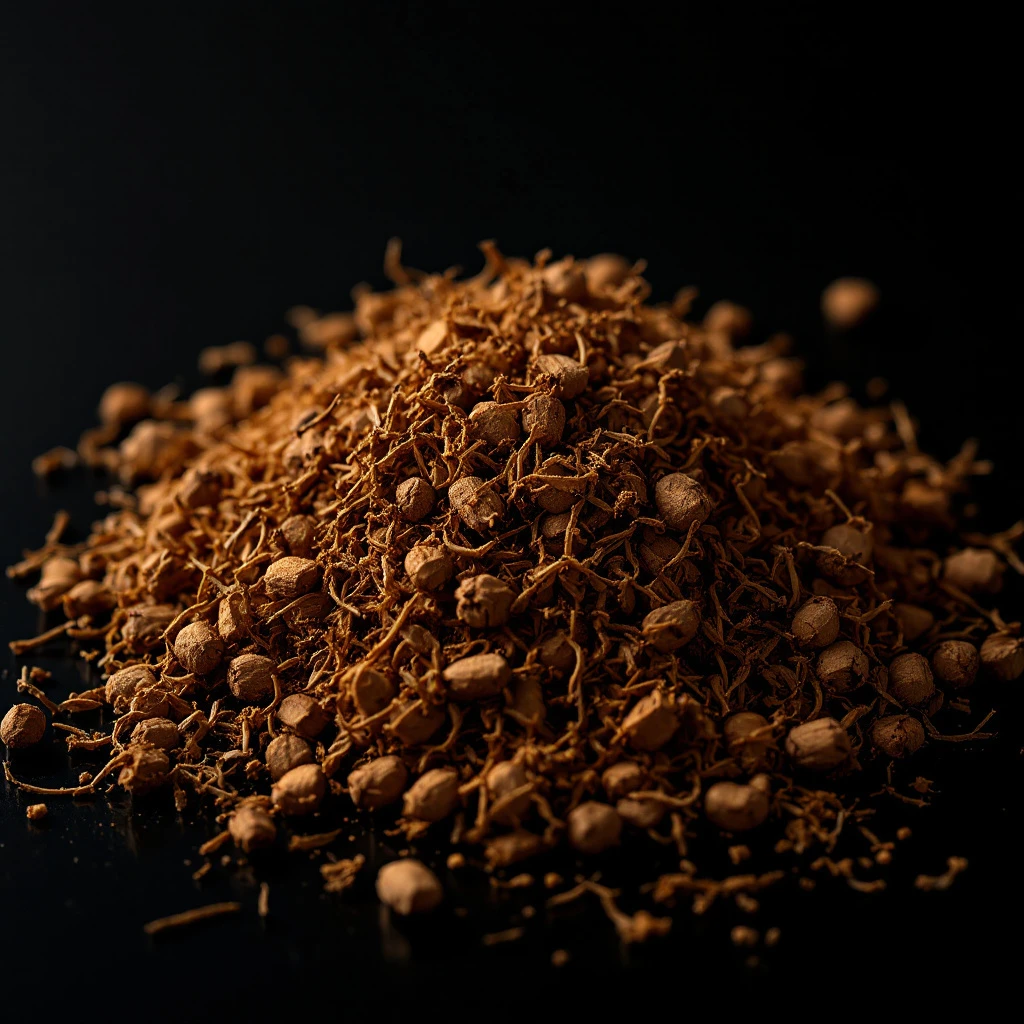
Dark Tobacco
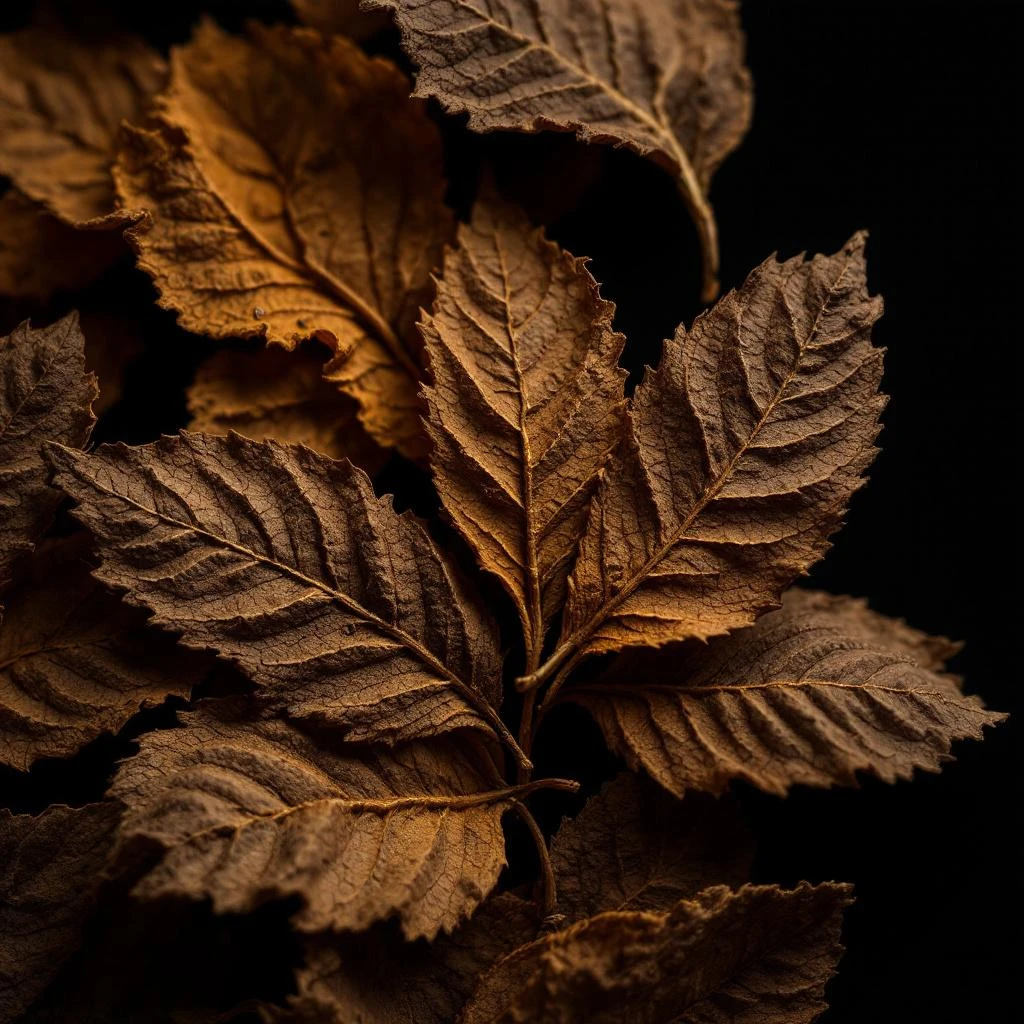
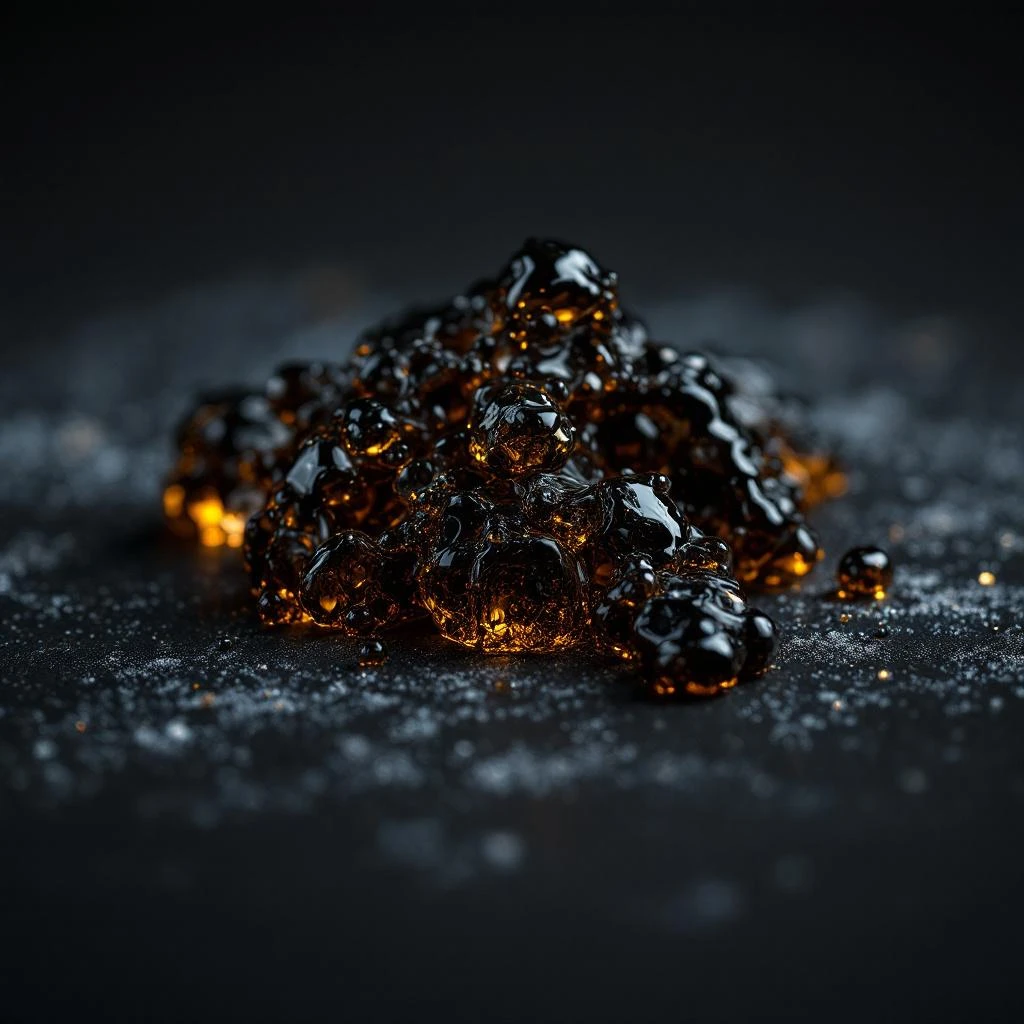
Dark Tobacco reveals cured leaves, dry smoke, and warm wood through a dense absolute extracted from fermented Nicotiana tabacum.
Character
How it smells
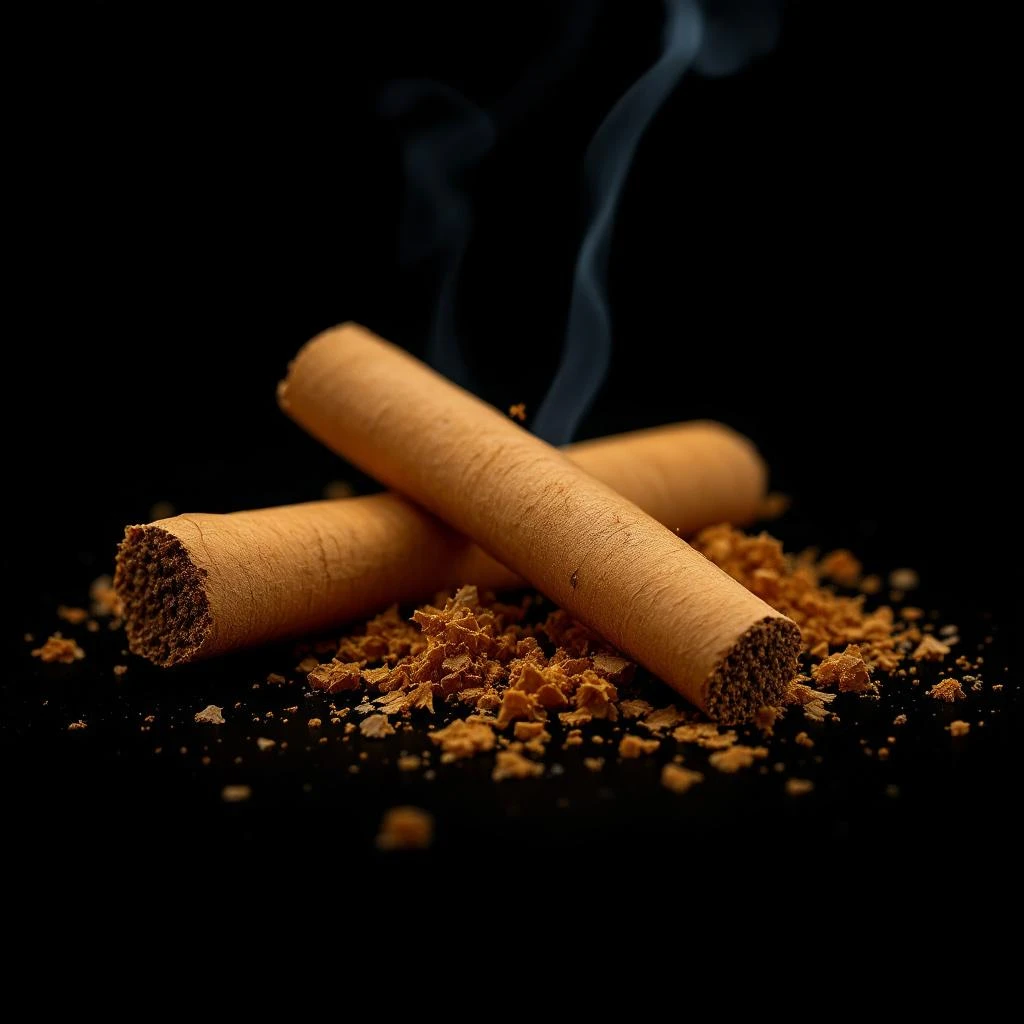
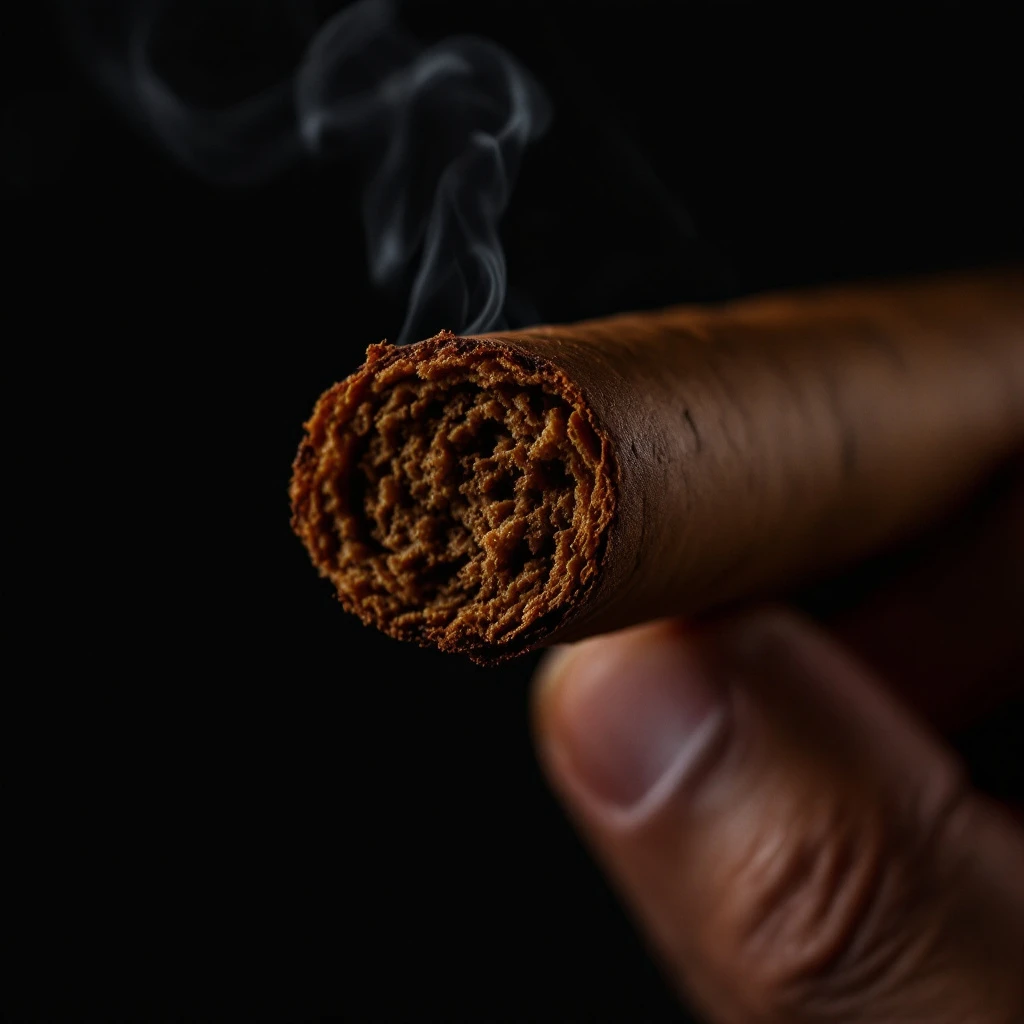
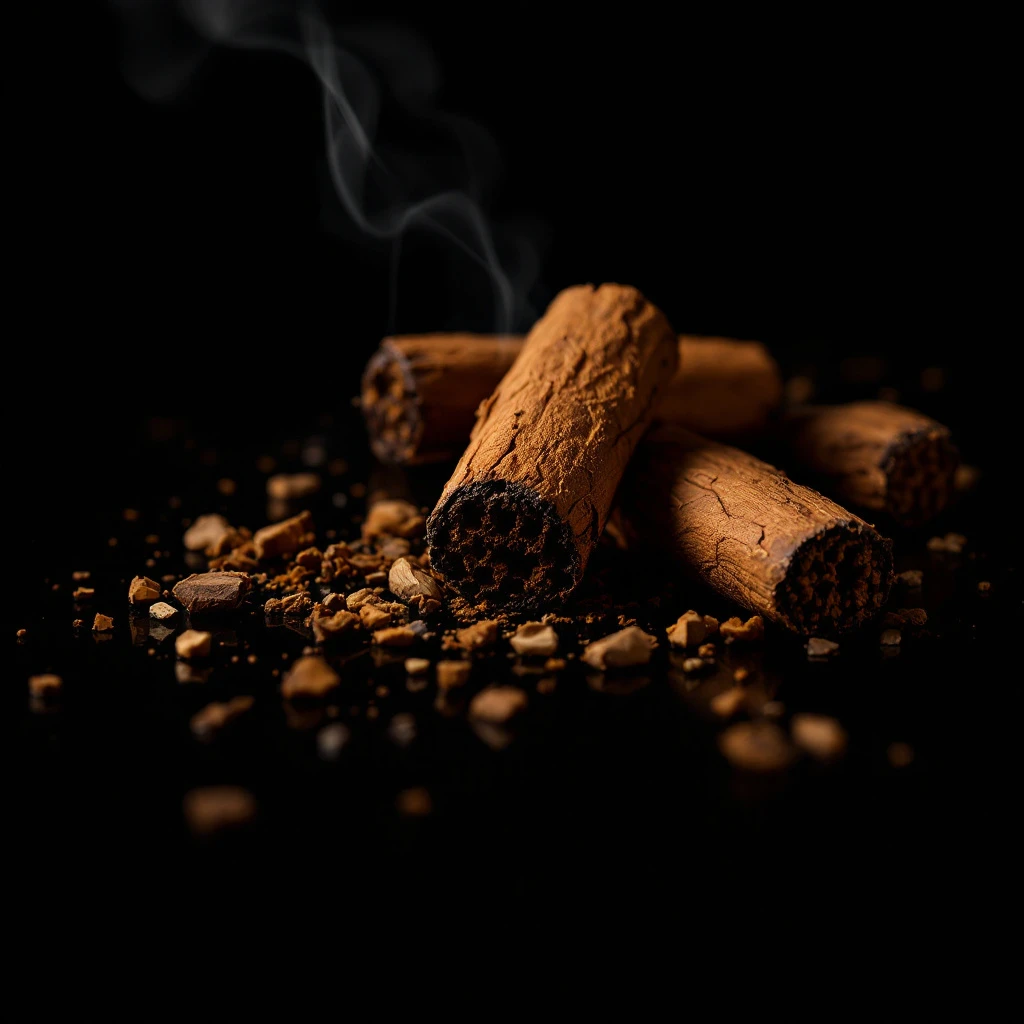
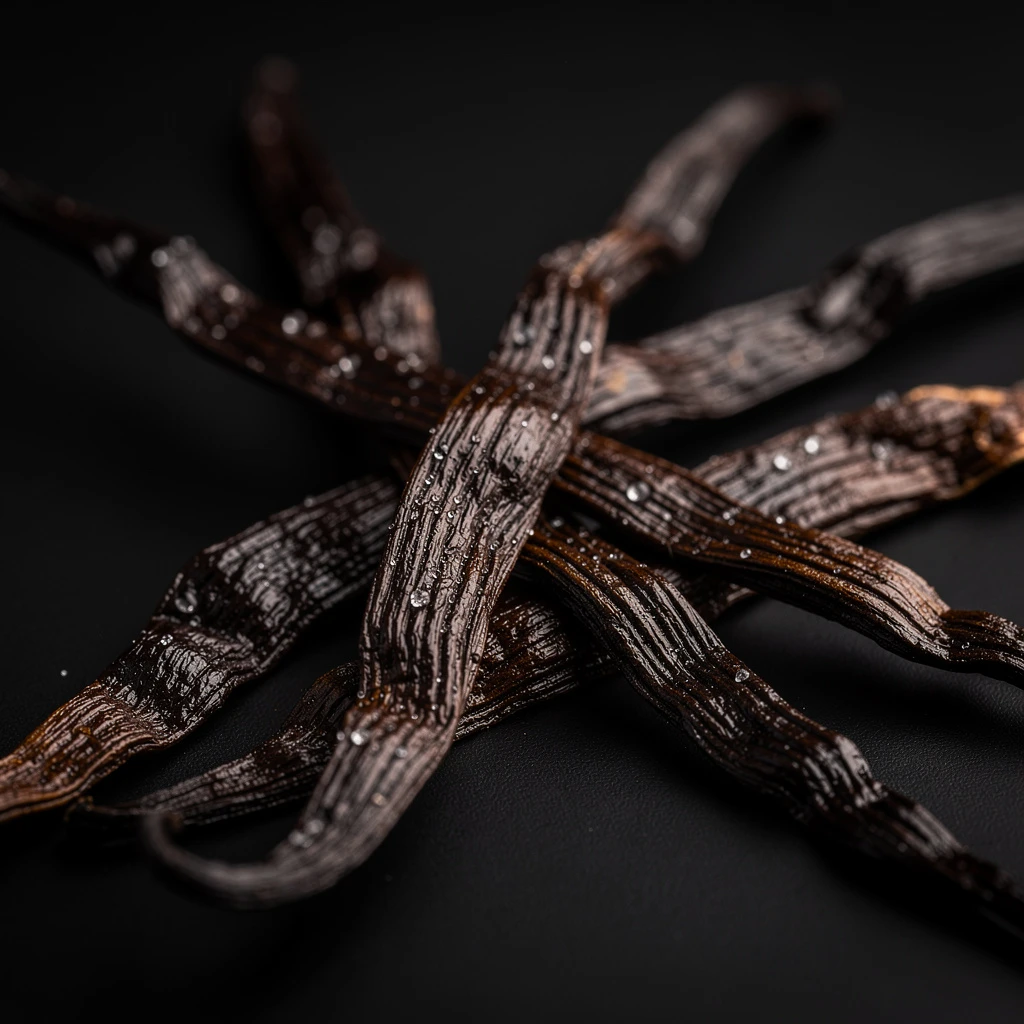
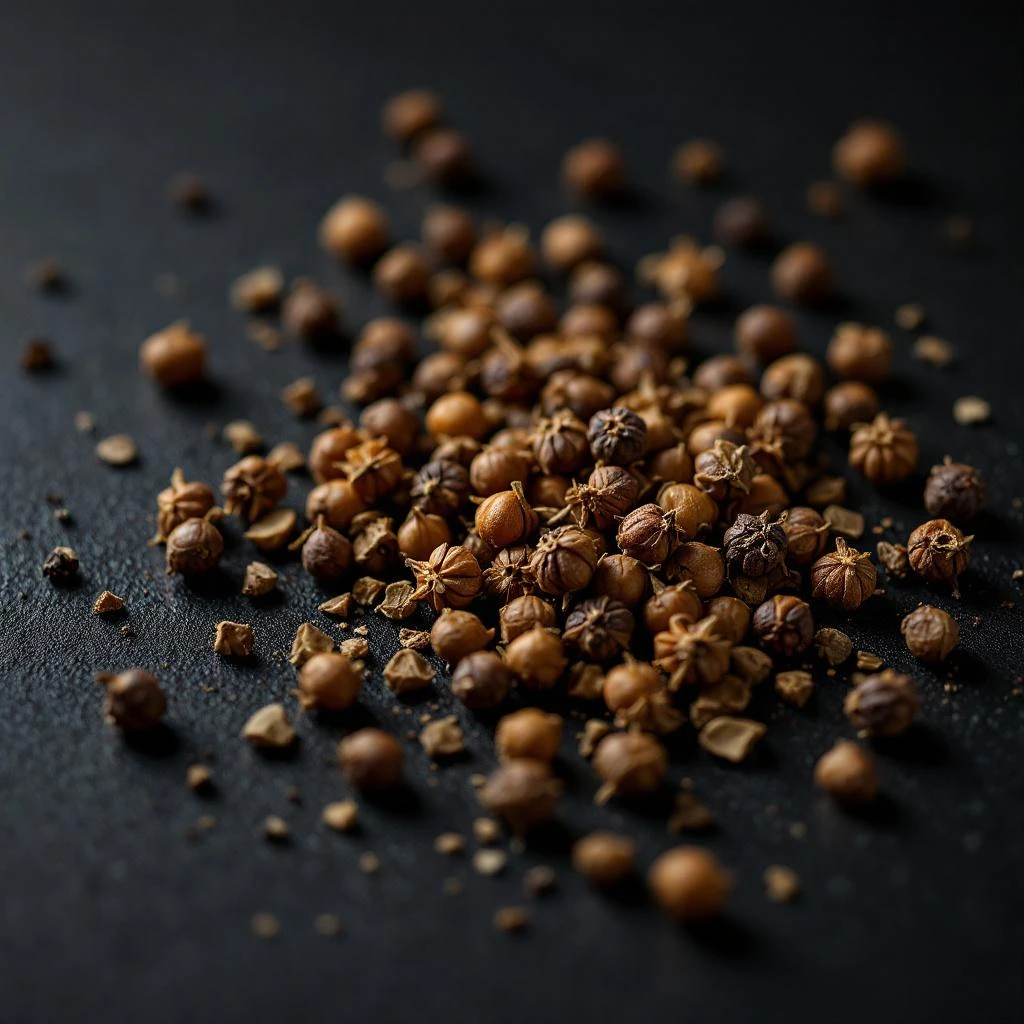
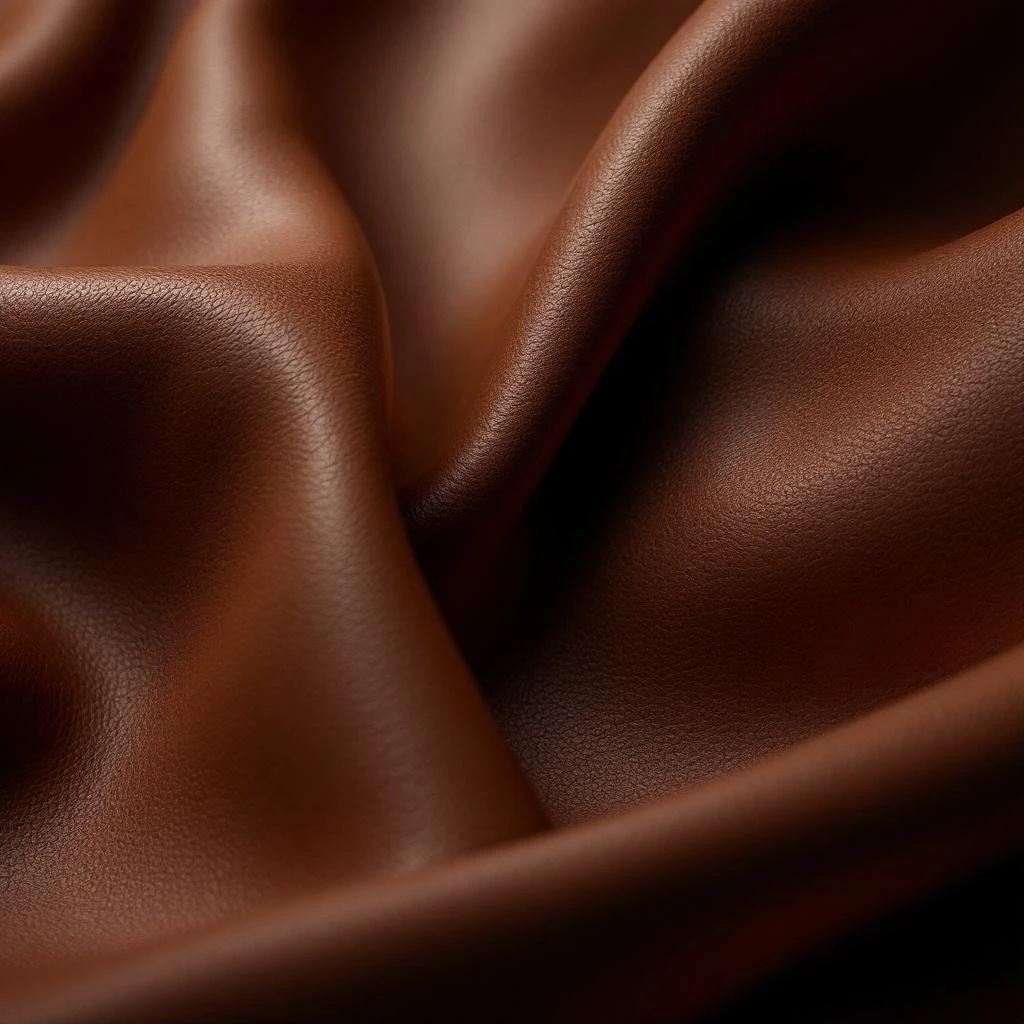
Cured leaves, dry smoke, and deep woody warmth.
Coumarin, first isolated from tonka beans in 1868, helps perfume compositions reproduce the dry, hay-like character associated with tobacco.

Origin
United States
Tobacco belongs to the Americas, where Indigenous peoples cultivated and used Nicotiana long before European contact. The plant carried ceremonial, medicinal, and social meanings, and its smoke became embedded in rituals of communication and community. Following European encounters with the Americas in the sixteenth century, tobacco cultivation spread widely, including to regions such as Bulgaria.
By the nineteenth century, tobacco had become a global commercial crop and a familiar source of pleasure, comfort, and ritual. In perfumery, its history appears in two forms: authentic absolutes made from cured leaves, which carry complex roasted, fermented, and smoky nuances, and composed tobacco effects that suggest tobacco through hay, wood, spice, and dry smoke without reproducing the scent of smoke itself.
Wears it best
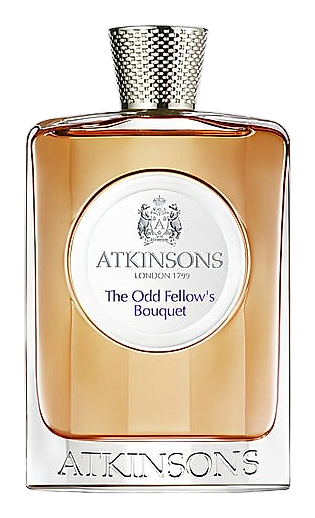
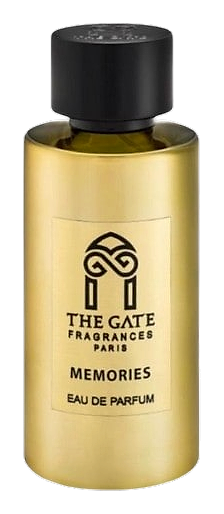
Fragrances featuring Dark Tobacco
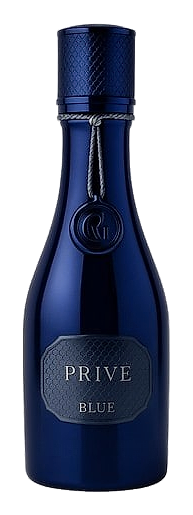
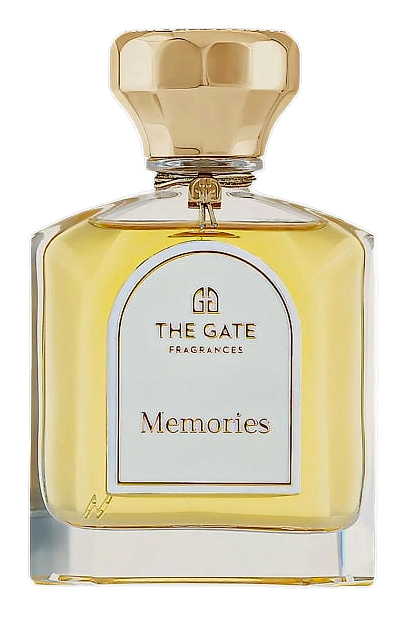
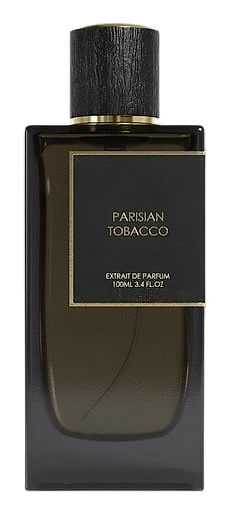
Brands
Brands known for Dark Tobacco
Good to know
Questions, answered
The essentials on Dark Tobacco in perfumery: how it smells, where it comes from, and how it behaves on skin.
What does dark tobacco smell like in perfume?
Dark tobacco usually combines cured leaves, dry smoke, warm wood, and a faint hay-like sweetness. Its strongest note is often the dense, dry character of fermented tobacco leaf rather than a literal cigarette smell.
How is tobacco absolute made for perfumery?
Perfumers extract dried, cured, and fermented tobacco leaves with a volatile solvent, then remove the solvent to leave a concentrated absolute. The process yields a dark brown, viscous material with a powerful dried-leaf aroma.
Which part of the tobacco plant is used in perfumery?
Perfume makers primarily use dried, cured, and fermented leaves of Nicotiana tabacum. Agricultural material unsuitable for smoking can also be processed, allowing tobacco leaf to contribute to fragrance compositions.
Is tobacco absolute the same as nicotine?
No. Tobacco absolute is a concentrated aromatic extract, while nicotine is a specific alkaloid found in tobacco. Nicotine-containing extracts require careful handling, and many perfume compositions use nicotine-free alternatives.
Does dark tobacco always smell smoky?
No. Dark tobacco notes can emphasize cured leaves, wood, hay, spice, or vanilla without suggesting smoke. In many compositions, tobacco sits as a warm, dry base beneath brighter fruit, floral, or aromatic notes.
Why is coumarin associated with tobacco accords?
Coumarin contributes a warm, sweet, hay-like nuance that helps define many composed tobacco effects. It was first isolated from tonka beans in 1868 and now serves as a key building block in tobacco accords.
Where does tobacco used in perfumery originate?
Tobacco originated in the Americas, and Nicotiana tabacum was historically associated with the region now covered by the United States. Commercial growing later expanded worldwide, including established production in Bulgaria.
Is natural tobacco absolute used in modern perfumes?
Yes, though it is often used in measured amounts because its character is dense and persistent. Many perfumes also blend it with synthetic molecules and other natural materials for consistent strength and a tailored tobacco effect.