Cypriote Oakmoss
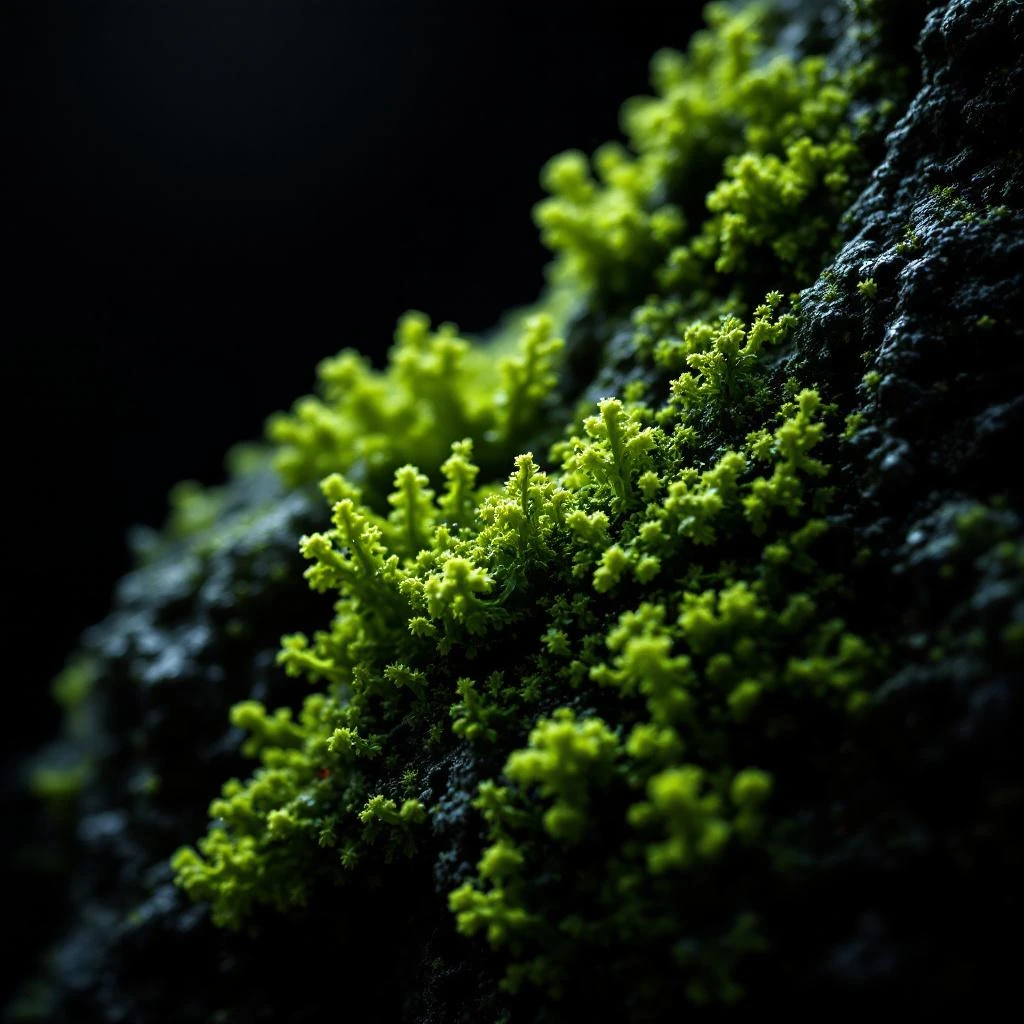
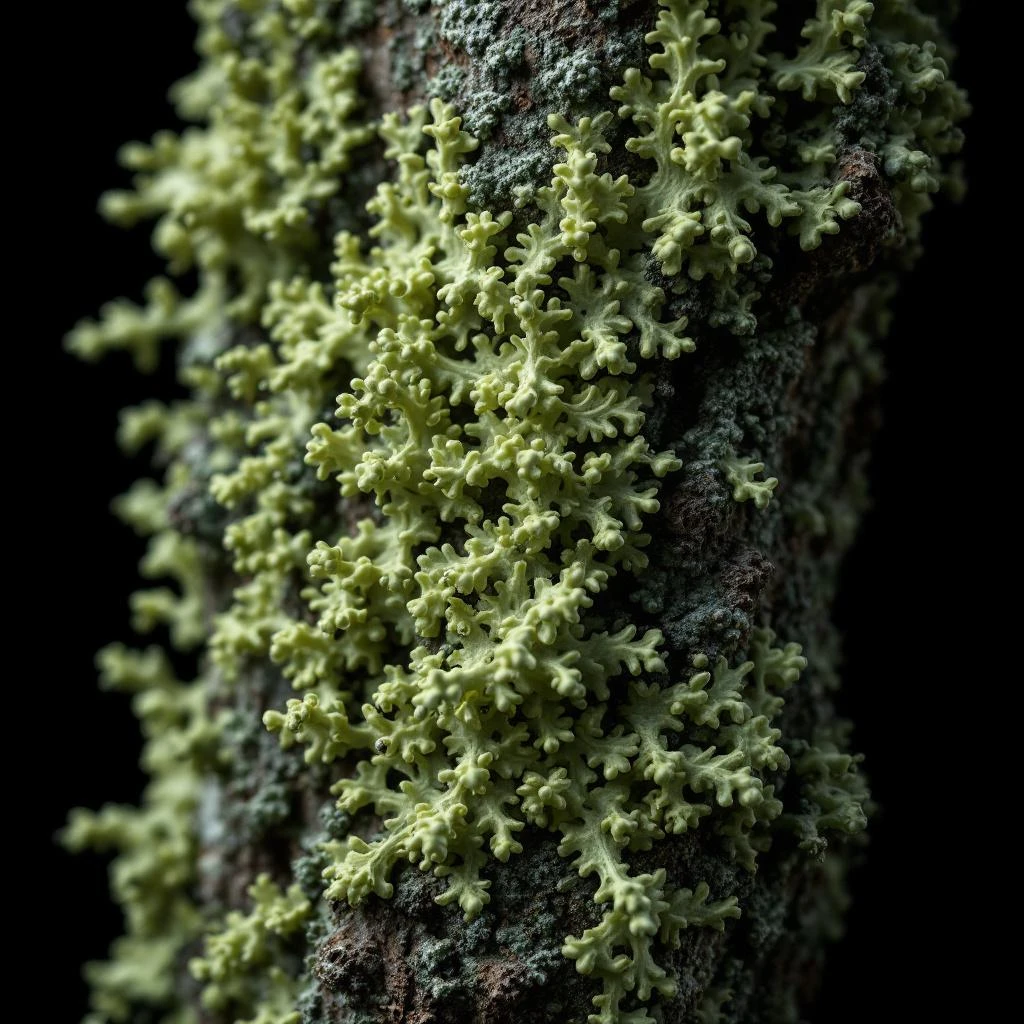
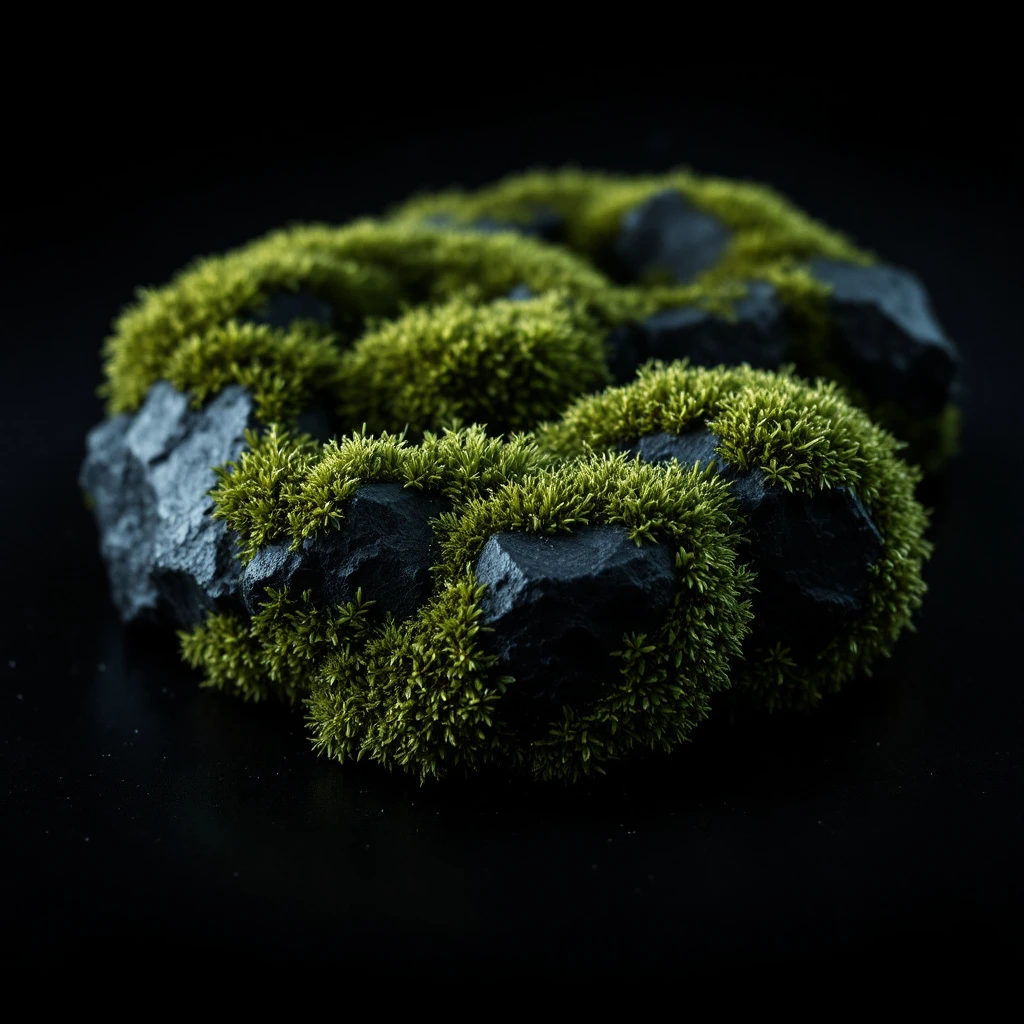
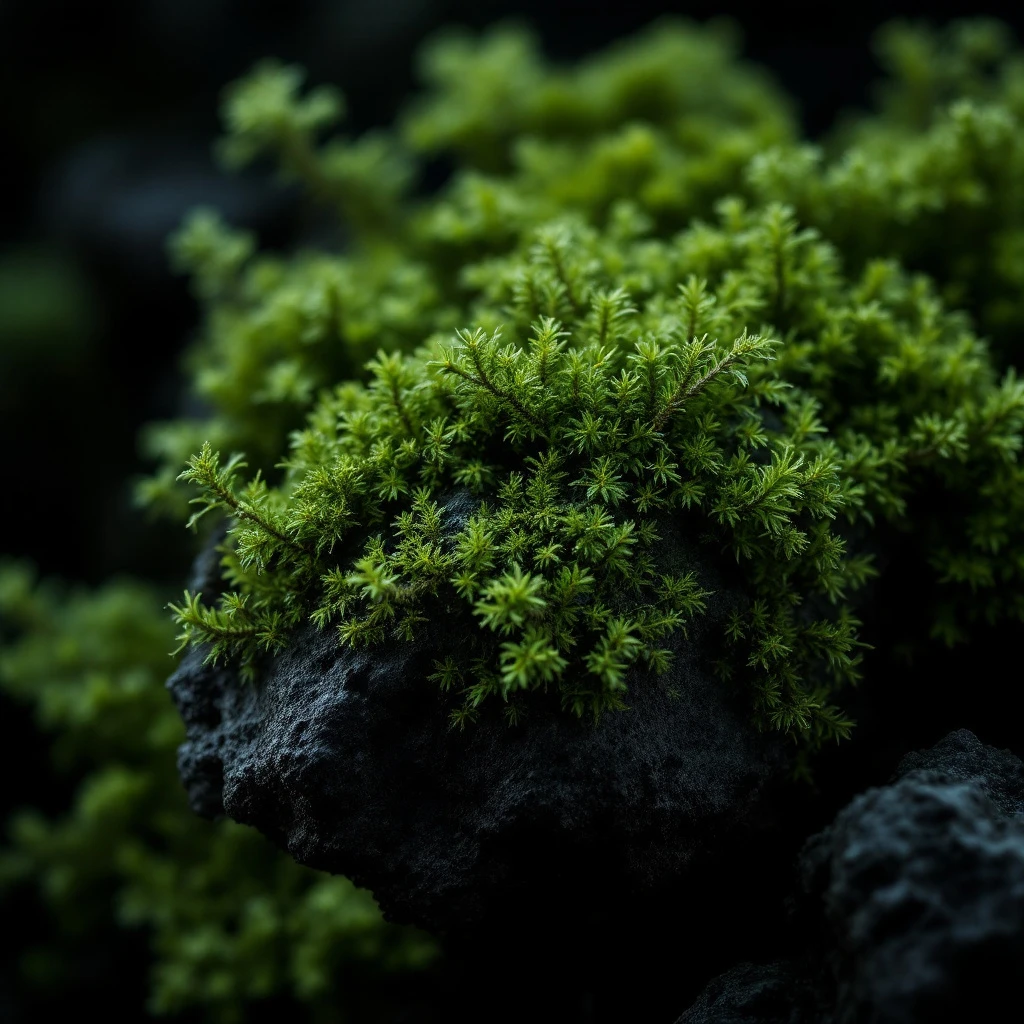
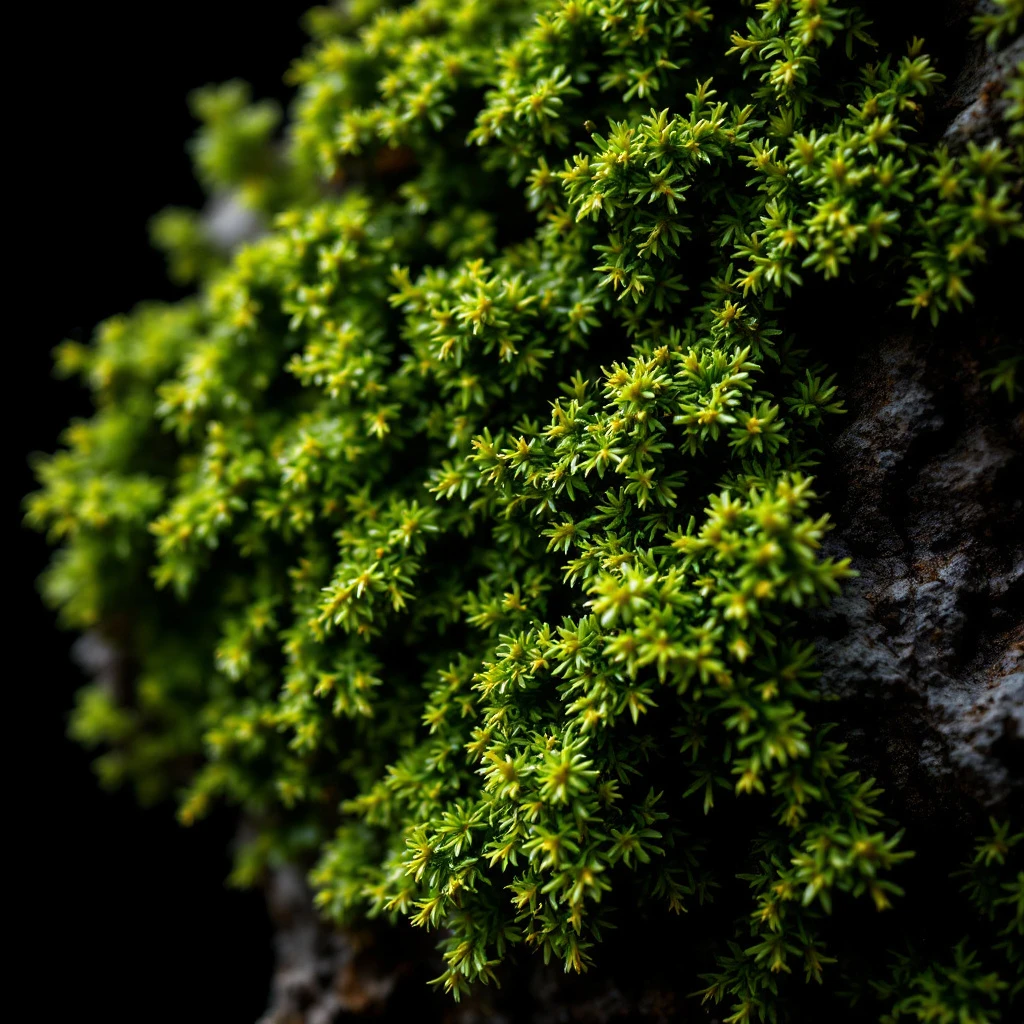
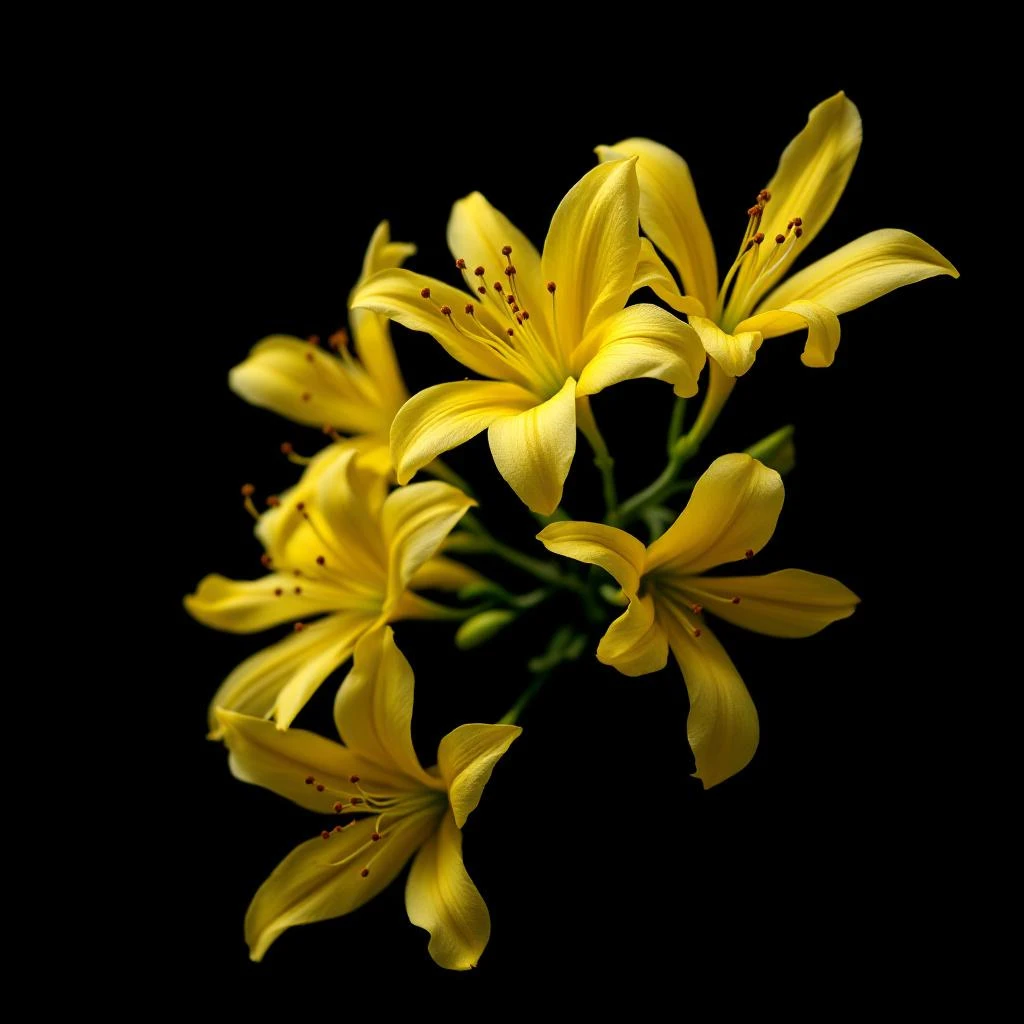
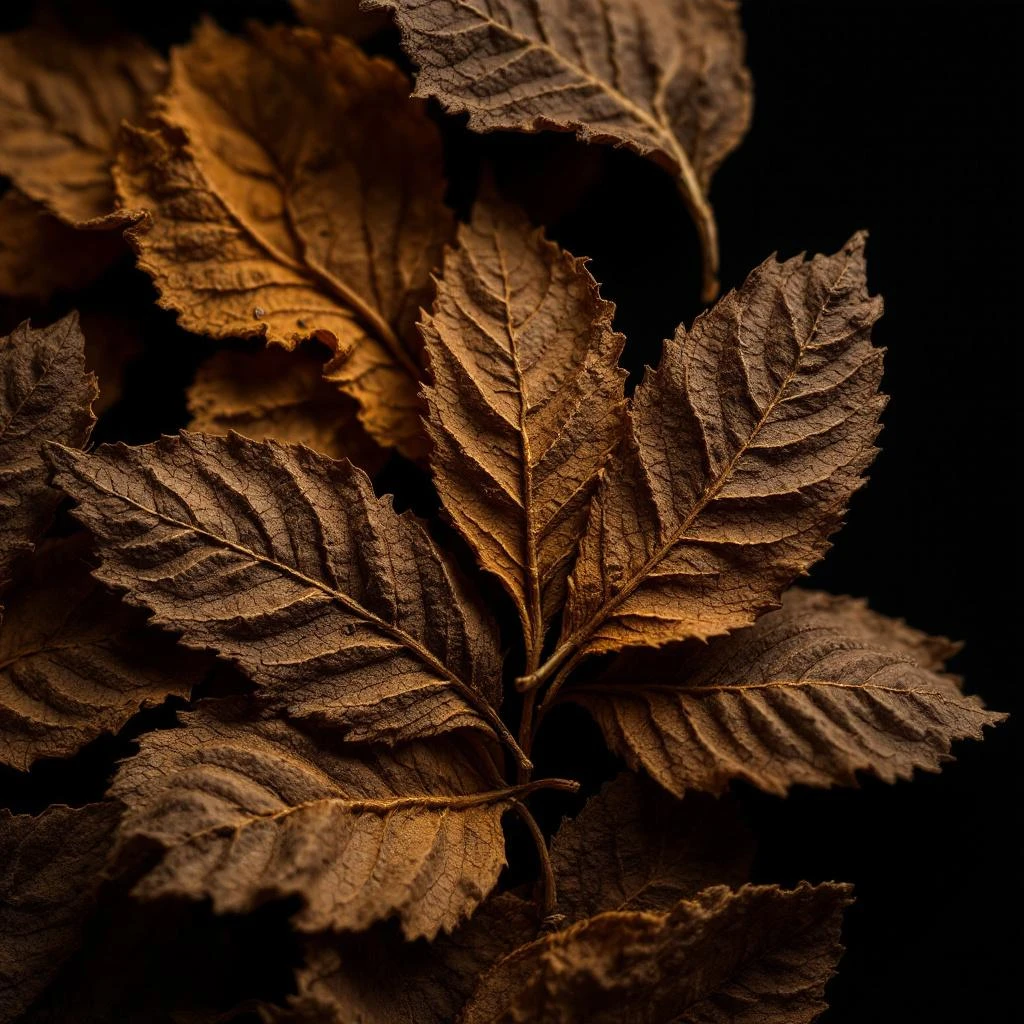
Oakmoss is the earthy, forest-floor heart of the chypre fragrance family. Harvested from lichen growing on oak bark across Mediterranean Europe, it delivers an irreplaceable damp moss character that no synthetic has fully replicated.
Character
How it smells
The earthy soul of chypre perfumery.
Egyptians first used oak lichen in mummy embalming rituals, a 70-day process that required these fragrant compounds.






Origin
France
Oakmoss has served humanity far longer than modern perfumery. Ancient Egyptians incorporated oak lichen into their 70-day mummification rituals, recognizing its preserving and fragrant properties. The word itself traces to ancient Greek: "kypros" named Cyprus, the Mediterranean island celebrated for its perfume trade in antiquity.
Chemical analysis of ancient Cypriot perfume residues has confirmed oak lichen among the blended botanicals. Yet oakmoss entered Western perfumery only in the late 19th century as synthetic chemistry developed alongside traditional extractions. In 1917, François Coty's Chypre fragrance transformed the industry by showcasing oakmoss as a structural backbone, birthing the entire chypre fragrance family.
For decades afterward, oakmoss remained a non-negotiable base note in Western perfumery, prized for its unique ability to ground bright top notes with woodland depth.
Wears it best
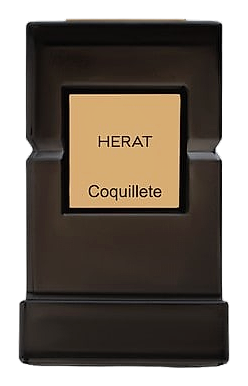
Fragrances featuring Cypriote Oakmoss
Brands
Brands known for Cypriote Oakmoss
Good to know
Questions, answered
The essentials on Cypriote Oakmoss in perfumery: how it smells, where it comes from, and how it behaves on skin.
Is oakmoss safe to use in perfumes?
Oakmoss contains naturally occurring compounds that can cause skin sensitization in high concentrations. IFRA regulations now restrict atranol and chloroatranol levels in consumer products, requiring careful dilution by perfumers.
Can synthetic alternatives fully replace oakmoss?
Synthetic materials like Synthetic Moss or Vertral attempt to replicate oakmoss, but none fully capture its complex forest-floor character. The natural material's multidimensionality remains unmatched.
Why is oakmoss essential to chypre fragrances?
Oakmoss provides the defining earthy, mossy base that balances the citrus and floral top notes in chypre compositions. Without it, the signature dry-down depth of these fragrances is fundamentally altered.
Where does commercial oakmoss grow?
Oakmoss grows throughout South and Central Europe, thriving in cool, humid forests from Portugal to the Balkans. The lichen attaches to oak and occasionally conifer bark, harvested seasonally for extraction.
How does oakmoss smell evolve in a fragrance?
Oakmoss opens with a crisp, slightly bitter green note before revealing its deep, damp earth character. As it dries down, it develops a warm, slightly animalic quality with resinous undertones.
What fragrance families use oakmoss?
Beyond chypre, oakmoss defines fougère fragrances and appears in many woody, aromatic, and even certain oriental compositions. It serves as both a heart and base note depending on concentration.
Does the name "Cypriote" refer to Cyprus?
The archaic French spelling "Cypriote" references Cyprus, the ancient Mediterranean island that gave its name to the chypre fragrance family. The connection honors Cyprus's historical role in perfume trade.