Cypriot Moss
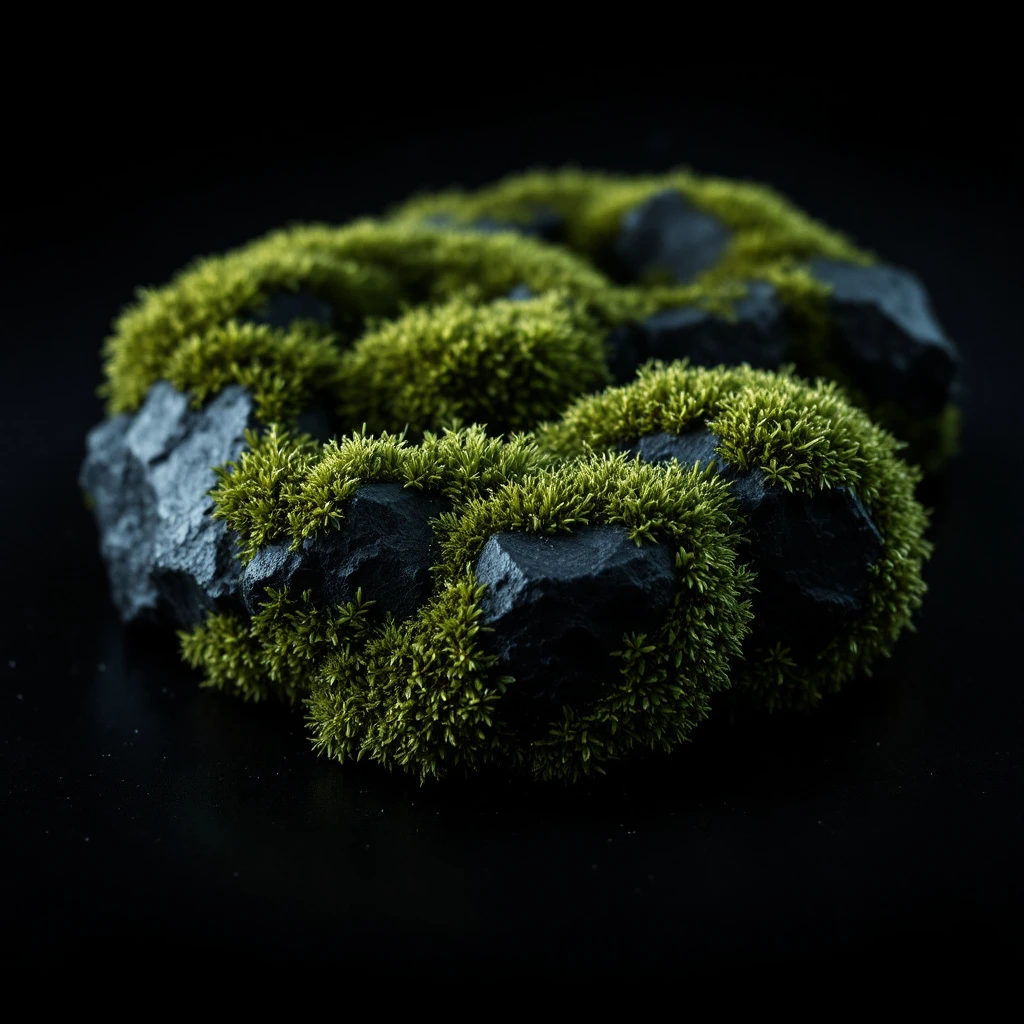
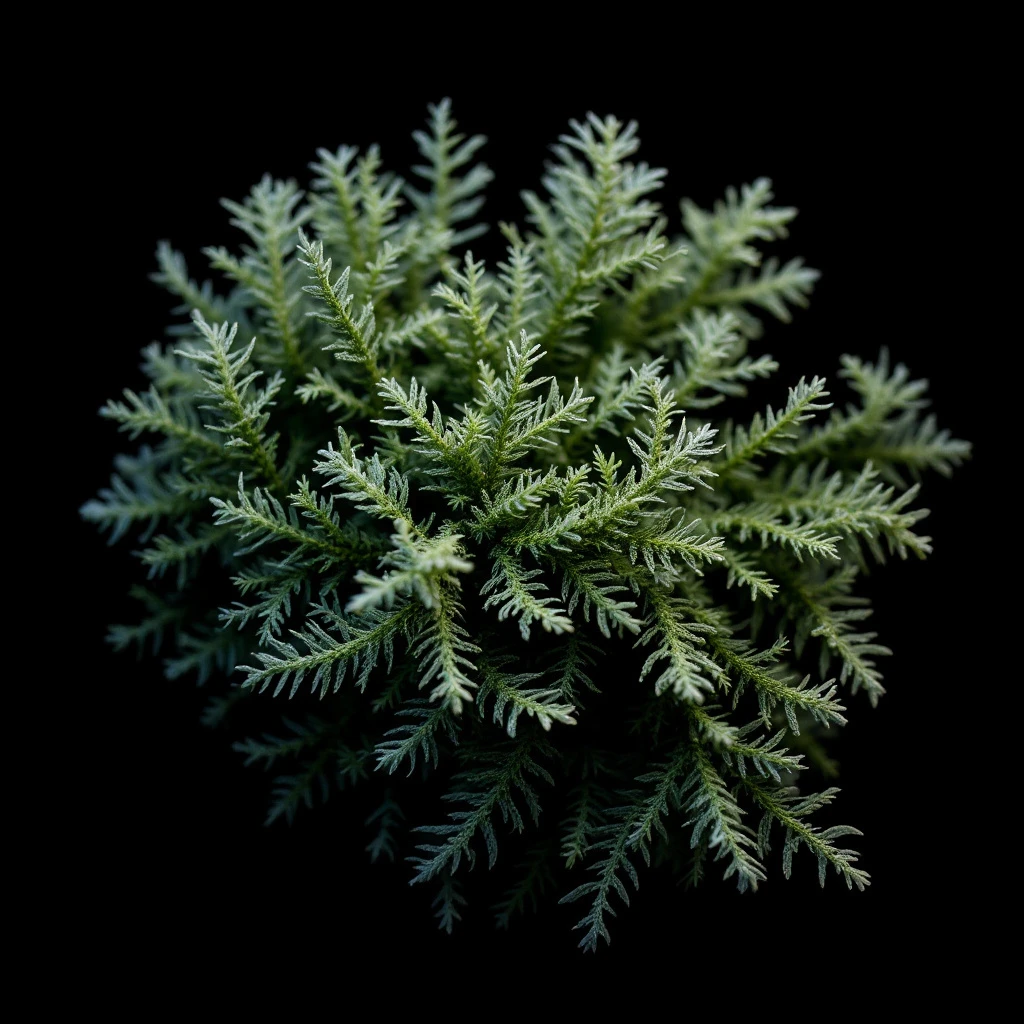
A lichen with roots in Bronze Age perfumery, Cypriot Moss gives chypre fragrances their earthy, forest-floor signature. This ancient ingredient connects modern scents to 4,000 years of olfactory craft from the island of Cyprus.
Character
How it smells
Where every chypre begins
Cyprus was one of the earliest centers of perfume production in the world, dating back roughly 4,000 years to the Bronze Age.
Pairs beautifully with





Origin
Cyprus
Cyprus stands among the earliest known centers of perfume production, with aromatic craft dating back roughly 4,000 years to the Bronze Age. Ancient Cypriot perfumers built their reputation on rich local olive oil used as a carrier for indigenous oakmoss, capturing its musky, forest-like scent. Archaeological excavations at Pyrgos-Mavroraki revealed a perfumery workshop from around 1850 BCE, complete with distillation apparatus and finished products.
These ancient perfumers created what became known as eau de Chypre, a scented water exported throughout the Mediterranean and Europe. The term Chypre later inspired an entire fragrance family, formalized by François Coty in 1917 with his landmark composition Chypre de Coty. That fragrance combined oakmoss, bergamot, labdanum, and patchouli to define the cypress-island's olfactive legacy.
Ancient Egyptians also recognized oak lichen's properties, using oakmoss in mummification and embalming rituals thousands of years earlier. The ingredient bridges civilizations, from Mediterranean burial chambers to the perfume counters of Paris and beyond. Today, Cypriot Moss remains the structural heart of chypre compositions, anchoring brighter citrus top notes with its persistent, earthy base.
Wears it best
Fragrances featuring Cypriot Moss
Brands
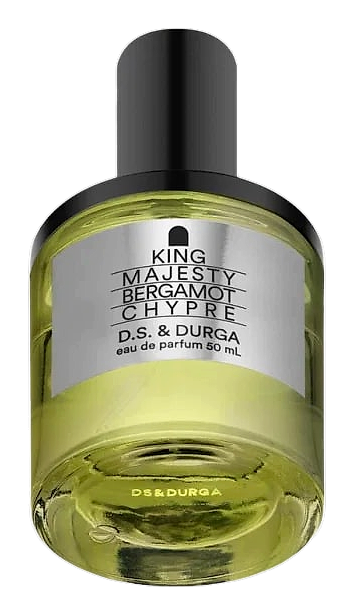
Brands known for Cypriot Moss
Good to know
Questions, answered
The essentials on Cypriot Moss in perfumery: how it smells, where it comes from, and how it behaves on skin.
What does Cypriot Moss smell like?
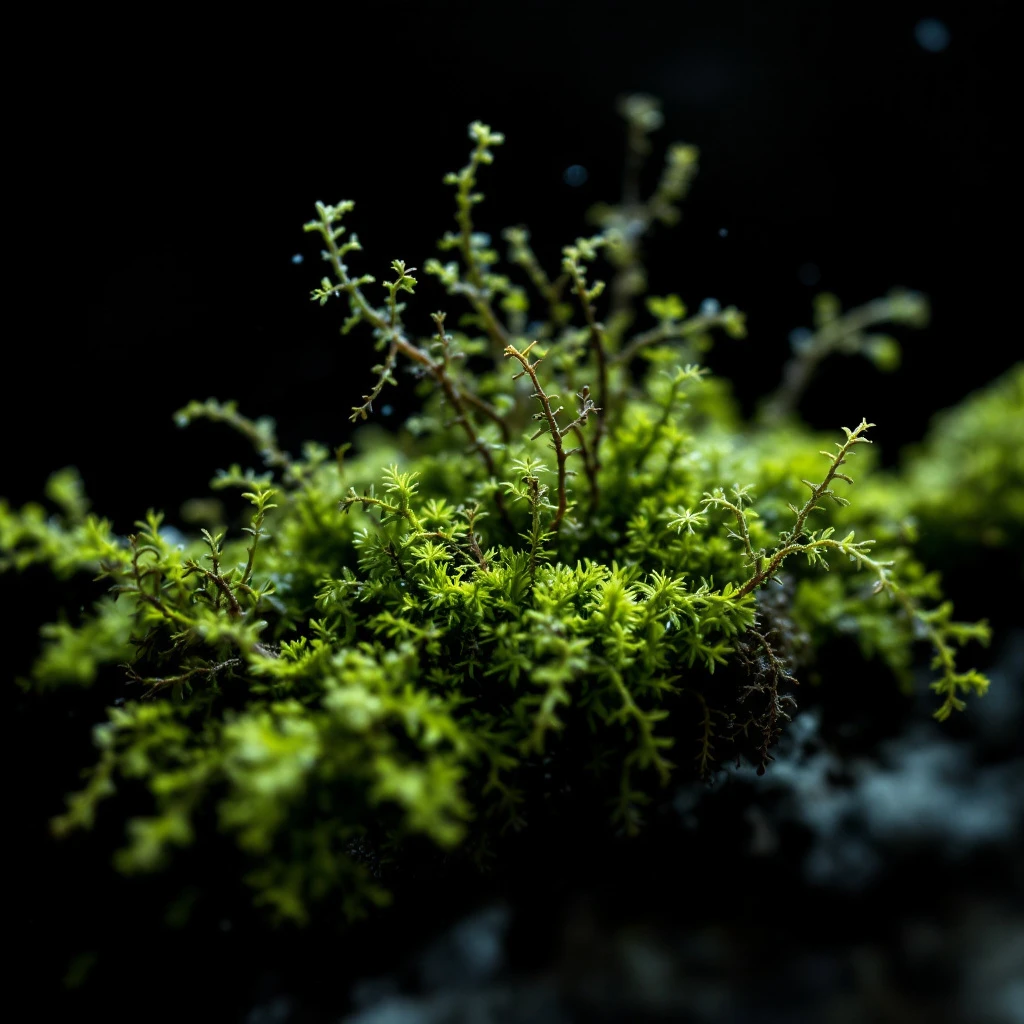
Cypriot Moss carries an earthy, damp forest-floor aroma with damp bark, mossy greenness, and subtle mushroom-like depth. It anchors chypre fragrances with a persistent, woody-dry base that recalls Mediterranean oak woodlands after rain.
Why is it called Cypriot Moss?
The name derives from Cyprus, where ancient perfumers harvested indigenous oakmoss for over 4,000 years. The ingredient gave the island's eau de Chypre its signature character and lent its name to the entire chypre fragrance family.
Is Cypriot Moss the same as oakmoss?
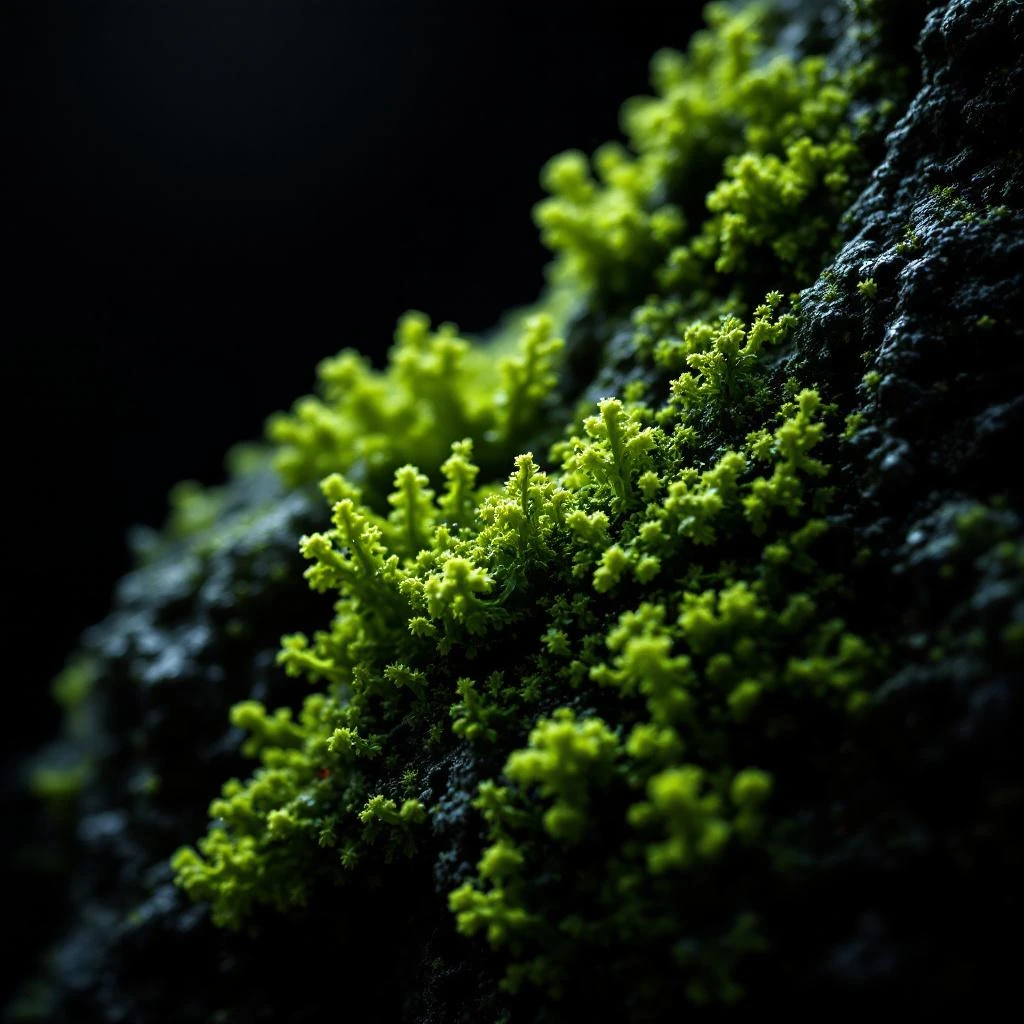
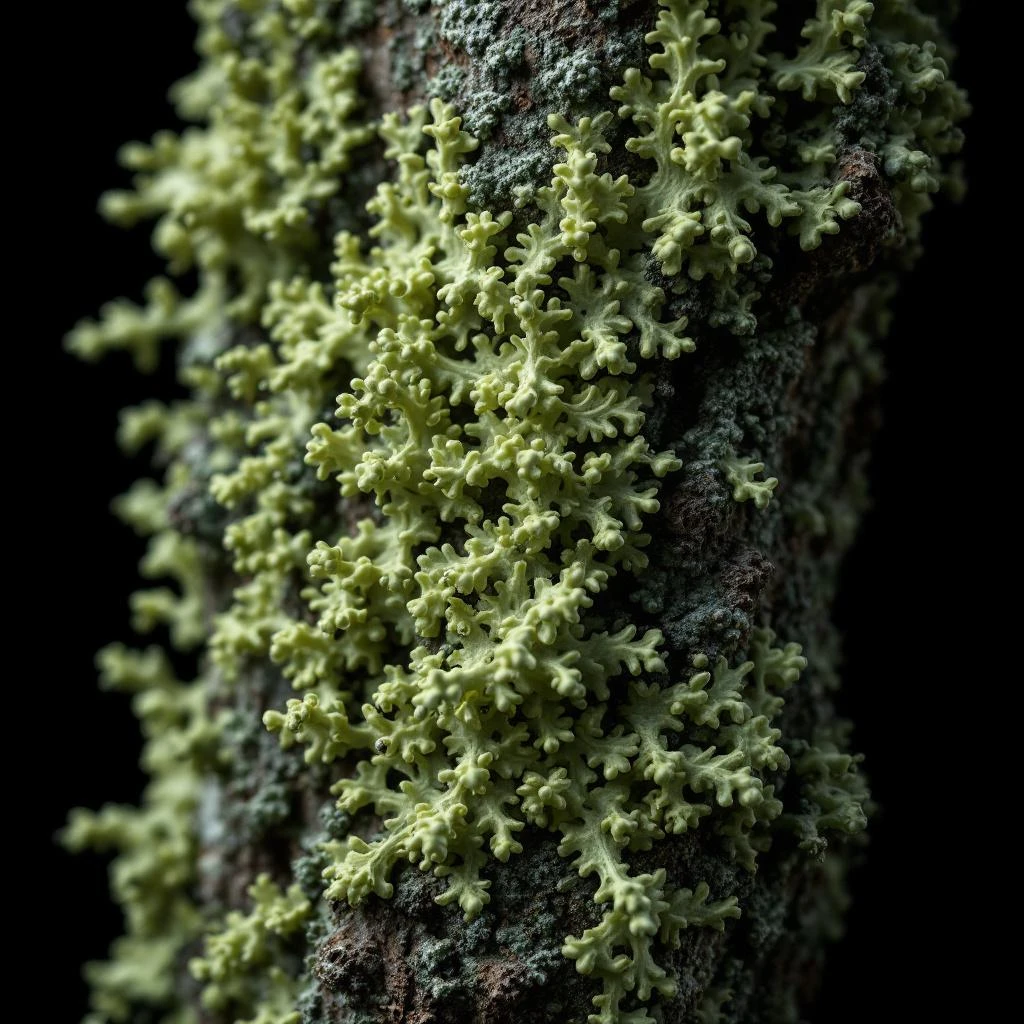
Yes. Cypriot Moss is the traditional name for oakmoss (Evernia prunastri), a lichen that grows on oak bark across the Mediterranean. The Cypriot designation references the island's historical role as the moss's premier harvesting and trade center.
What fragrances use Cypriot Moss?
Cypriot Moss is the structural foundation of the chypre family, which combines oakmoss with bergamot, labdanum, and patchouli. Classical examples include Chypre de Coty (1917), Mitsle de Coty, and countless modern interpretations of the cypress-island accord.
Is oakmoss restricted in perfumery?
IFRA standards restrict oakmoss due to sensitization concerns from compounds like atranol and chloroatranol. Modern perfumers typically use purified oakmoss absolutes with reduced allergen content or reconstructed moss accords to meet safety guidelines.
How is Cypriot Moss harvested?
Harvesters collect the lichen by hand from oak tree bark during spring and autumn when aromatic concentration peaks. The moss is then cleaned, shade-dried, and processed through solvent extraction to produce the absolute used in fine perfumery.
What is the difference between chypre and fougère?
Chypre fragrances center on oakmoss, bergamot, labdanum, and patchouli, producing an earthy, mossy character. Fougère compositions rely on lavender, coumarin, and oakmoss for a more herbal, aromatic profile with shared mossy undertones.
Can Cypriot Moss be synthetic?
Yes. Synthetic moss accords replicate oakmoss using isolated molecules like atranol-reduced fractions, or alternative aroma chemicals such as Veramoss and Evernyl. These provide chypre structures while complying with modern IFRA safety restrictions.