Greek Orange
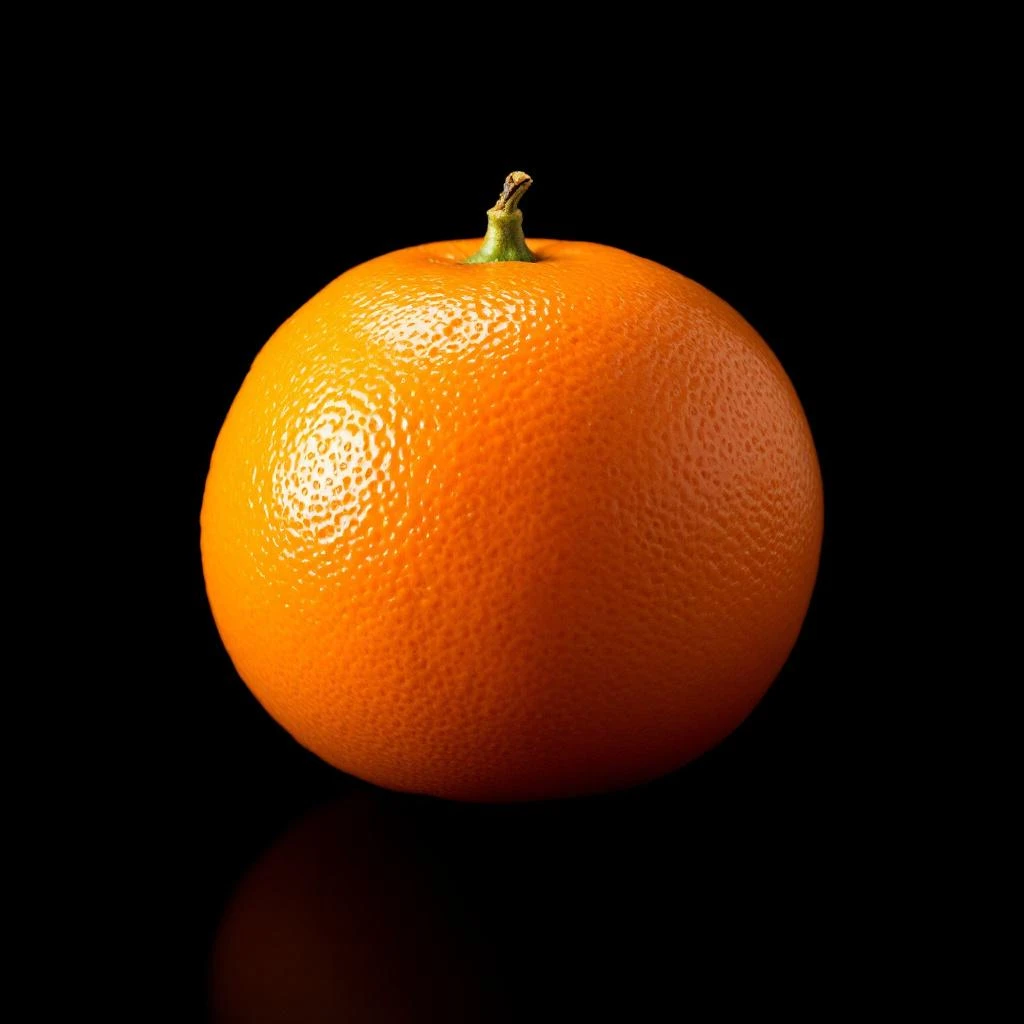
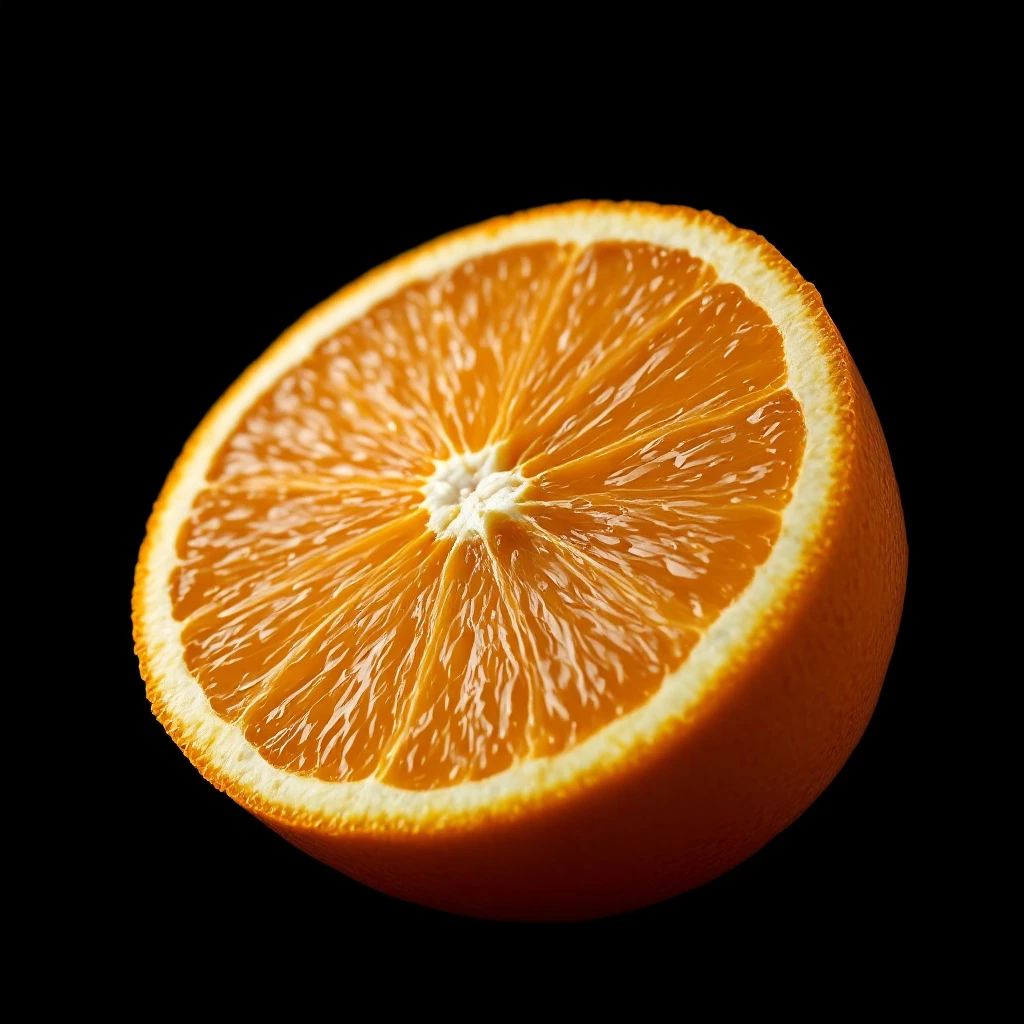
Sun-warmed citrus from the groves of the Mediterranean. Greek orange brings a bright, zesty clarity to perfumery, carrying the scent of ripe peel and fresh-cut fruit into compositions that demand immediate lift.
Character
How it smells
Sun-warmed zest from Mediterranean groves
Greek oranges were among the first citrus fruits pressed for aromatic oil in the ancient world, used in rituals at temples dedicated to Athena over two thousand years ago.
Pairs beautifully with



Origin
Greece
The bitter orange tree traveled westward from Asia, reaching Greek soil through Arab and Mediterranean trade routes well before the classical era. By the 5th century BCE, Greek perfumers incorporated citrus oils into ritual unguents and aromatic oils applied during ceremonies. The fruit itself became a symbol of prosperity and fertility, appearing in wedding traditions and temple offerings.
A sanctuary to Athena in Elis, near Olympia, documented extensive use of fruit-derived scents in religious practice. Greek and Roman perfumers worked predominantly with oil bases, macerating peels and rinds into olive and almond oils. The development of distillation by Arab scholars in later centuries allowed for more concentrated extracts, but pressed citrus remained a staple.
Today, Greek orange cultivation thrives particularly in the Peloponnese region, where the Mediterranean climate produces fruit with thick, oil-rich peels prized by perfumers worldwide.
Wears it best
Fragrances featuring Greek Orange
Brands
Brands known for Greek Orange
Good to know
Questions, answered
The essentials on Greek Orange in perfumery: how it smells, where it comes from, and how it behaves on skin.
What does Greek orange smell like in perfume?
Greek orange delivers a bright, sweet-tart citrus character with juicy pulp sweetness and a slightly bitter peel edge. It opens compositions with immediate freshness. Most formulations pair it with florals or woods to anchor the volatile top notes.
Is Greek orange the same as bitter orange?
Not exactly. Greek orange typically refers to sweet orange varieties (Citrus sinensis) grown in Greece, prized for their thick, oil-rich peels. Bitter orange (Citrus aurantium) produces neroli and petitgrain, different aromatic materials with greener, more floral profiles.
Where is Greek orange grown for perfumery?
Greek orange cultivation concentrates in the Peloponnese region and on the island of Crete. The Mediterranean climate, with hot dry summers and mild winters, produces fruit with high essential oil content in the peel, which matters for extraction yield.
How is Greek orange essential oil extracted?
Producers use cold-pressing, mechanically puncturing the peel to release oil sacs. This method preserves the volatile top notes that steam distillation would degrade. Approximately 500 kilograms of orange peel yield one kilogram of essential oil.
Why is Greek orange valued in perfumery?
Greek orange offers consistent quality and a slightly sweeter, less acidic profile than oils from other regions. The Peloponnese climate produces peels with high oil concentration, giving perfumers a concentrated, photorealistic citrus note for top-heart transitions.
Can Greek orange essential oil go bad?
Yes, citrus oils oxidize faster than most other essential oils. Exposure to heat, light, and air causes them to develop turpentine-like off-notes within 12 to 24 months. Proper storage in dark, cool, sealed containers extends usable life considerably.
What fragrances commonly feature Greek orange?
Eau de cologne style compositions, Mediterranean-themed scents, and bright summer releases frequently feature Greek orange. It appears in both masculine and feminine formulations, typically in top notes alongside bergamot, lemon, or grapefruit.
Is Greek orange used in ancient perfumery?
Yes. Greek and Roman perfumers incorporated citrus oils into ritual unguents and aromatic macerations by the 5th century BCE. Records from a temple to Athena in Elis document fruit-derived scents used in ceremonial practice, making citrus one of antiquity's documented aromatic materials.