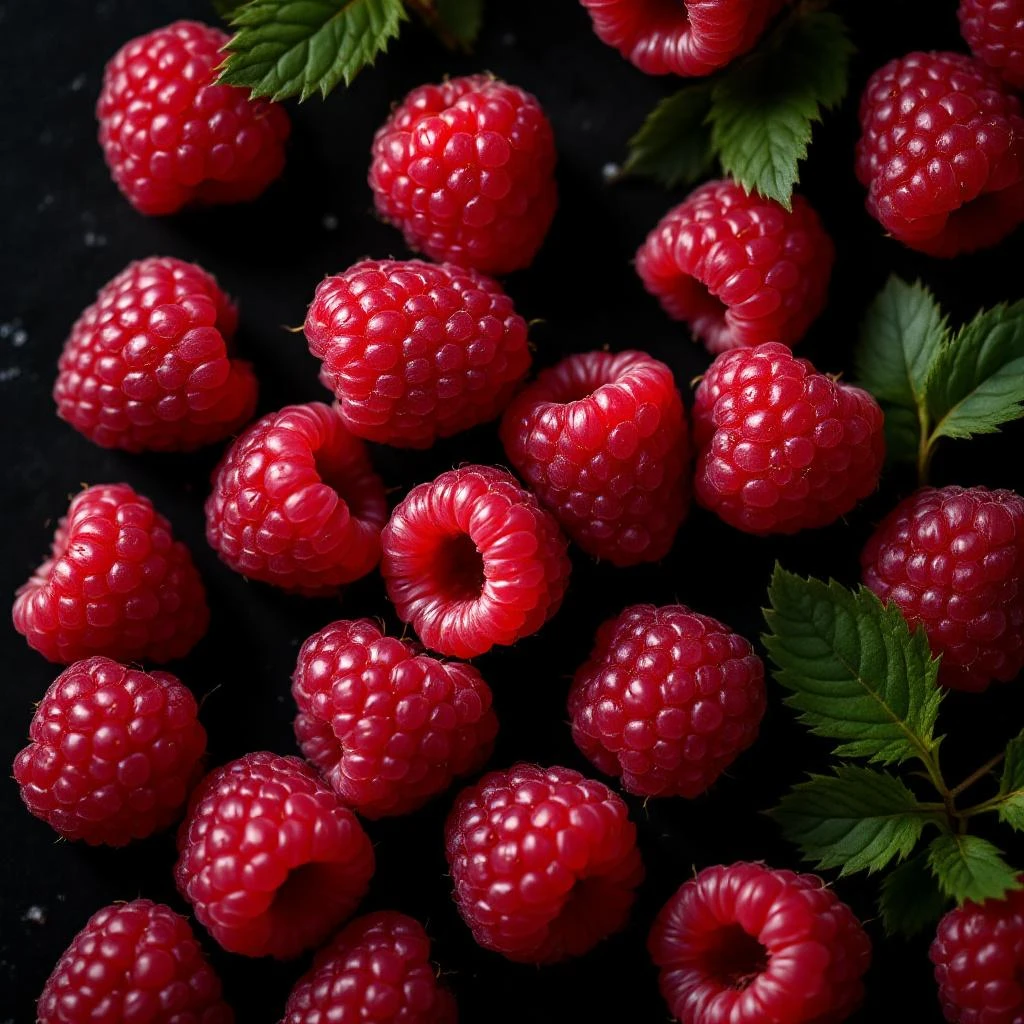
Cranberry Sorbet
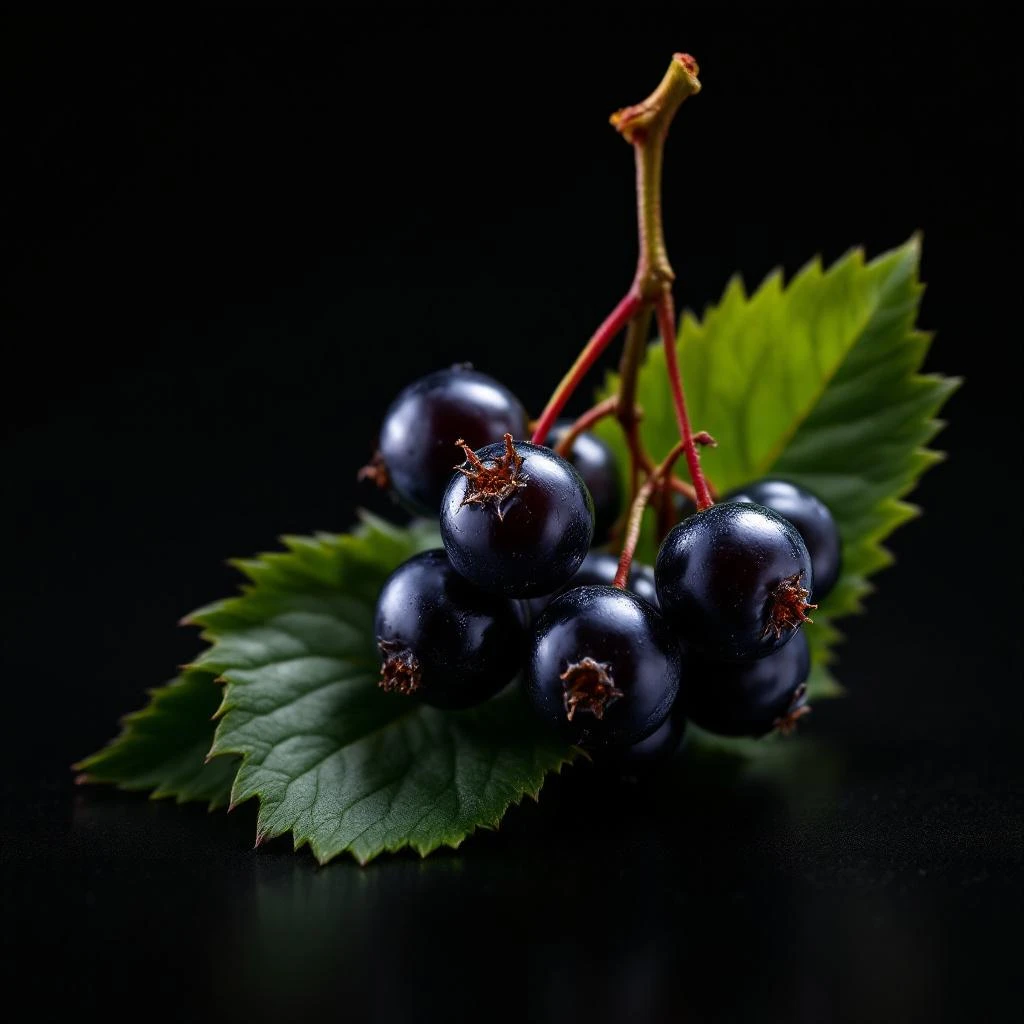
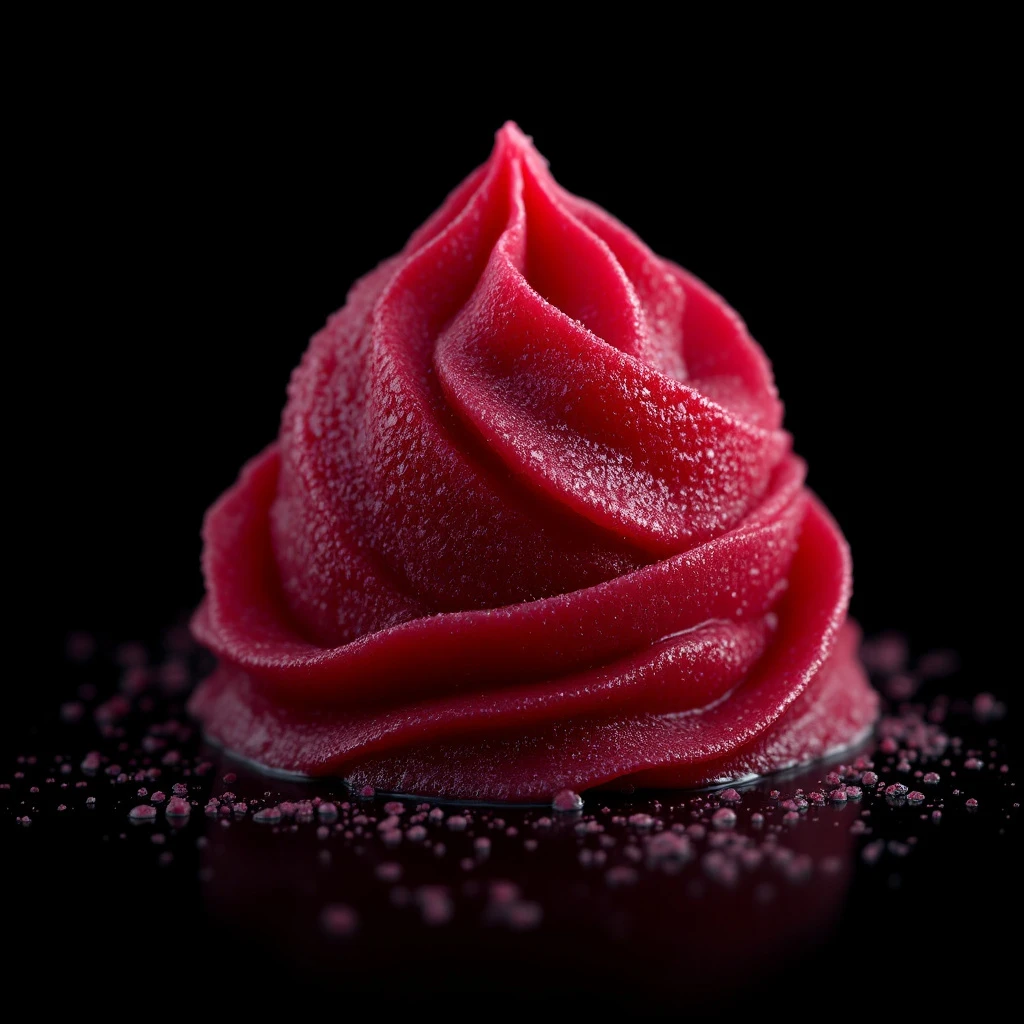
A bright, tart accord capturing the moment cranberry juice freezes into sorbet. Sharp berry edges meet a clean, icy coolness that electrifies top notes and adds unexpected depth to gourmand compositions.
Character
How it smells
Frozen berries, frozen in time.
Cranberry absolute costs significantly more than rose absolute due to its extremely low yield from the fruit.


Origin
United States
Cranberry cultivation dates back to 1816 when Henry Hall first commercially cultivated them in Massachusetts, though indigenous peoples used the fruit for food and medicine for centuries. In perfumery, cranberry notes emerged in the late 20th century as synthetic chemistry advanced, with natural extracts appearing much later due to technical challenges in capturing the fruit is volatile compounds.
The tart, bright character of cranberry now appears across mainstream and niche fragrances, valued for its ability to add brightness without heaviness. Fragrance houses developed cranberry sorbet as a distinct accord to evoke the frozen dessert, combining tart cranberry esters with cool, clean molecules that suggest icy texture and sweetness.
Wears it best
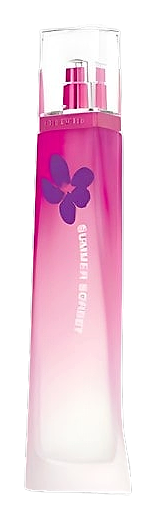
Fragrances featuring Cranberry Sorbet
Brands
Brands known for Cranberry Sorbet
Good to know
Questions, answered
The essentials on Cranberry Sorbet in perfumery: how it smells, where it comes from, and how it behaves on skin.
What is cranberry absolute in perfumery?
Cranberry absolute is a highly concentrated aromatic extract obtained through solvent or supercritical CO2 extraction from Vaccinium macrocarpon fruit. It captures the tart, bright character of fresh cranberries and appears in fine fragrances for its ability to add fruity top notes and gourmand depth.
Why is cranberry absolute so expensive?
The extraction yields extremely small amounts of absolute relative to the volume of fresh cranberries required. Combined with the fruit seasonal availability and complex processing requirements, this rarity makes cranberry absolute significantly more costly than most other fruit-derived aromatics.
Does cranberry smell like actual cranberries?
The natural extract closely mirrors the fruit tart, slightly bitter scent with undertones of sweetness. Synthetic cranberry accords may vary more widely in their fidelity, but modern aroma chemicals can now approximate the characteristic sharp-fruity quality quite accurately.
Which fragrance families use cranberry notes?
Cranberry appears primarily in fruity, gourmand, and chypre compositions where it adds brightness and prevents heaviness. It works exceptionally well alongside other berries, citrus, and warm spices, and occasionally in modern florals seeking a crisp, unexpected opening.
How long has cranberry been used in perfumery?
Natural cranberry absolute is a relatively recent perfumery material, emerging in the late 20th century as extraction technologies improved. However, synthetic cranberry-smelling compounds have been used since the 1990s, allowing the note to appear in mainstream fragrances for decades.
What extraction method produces the best cranberry absolute?
Supercritical CO2 extraction generally produces superior results, preserving more delicate aromatic compounds without solvent residue. This method captures the fresh, tart character more accurately than traditional solvent extraction, though both remain costly processes.
Can cranberry notes be found in natural fragrances?
Yes, though rarely. High-end natural perfumery brands occasionally use cranberry absolute as a rare luxury ingredient. More commonly, natural fragrances achieve cranberry-like effects through combinations of other fruit materials, as the pure absolute remains prohibitively expensive.
What seasonal character does cranberry bring to fragrances?
Cranberry evokes autumn and winter with its associations to harvest season and holiday cuisine. The note carries a crisp, almost frost-kissed quality that performs exceptionally well in fall and winter fragrance launches, adding freshness to otherwise heavy base notes.