Corsican Juniper
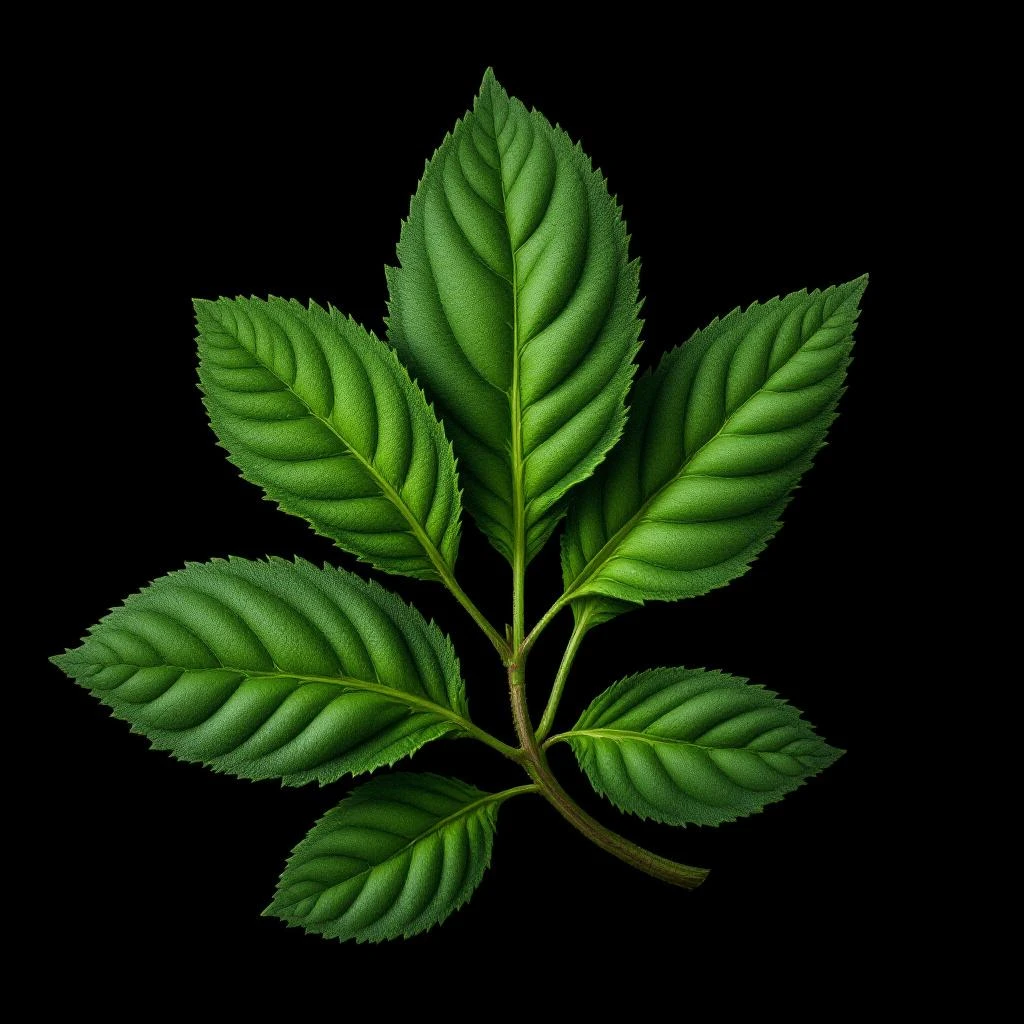
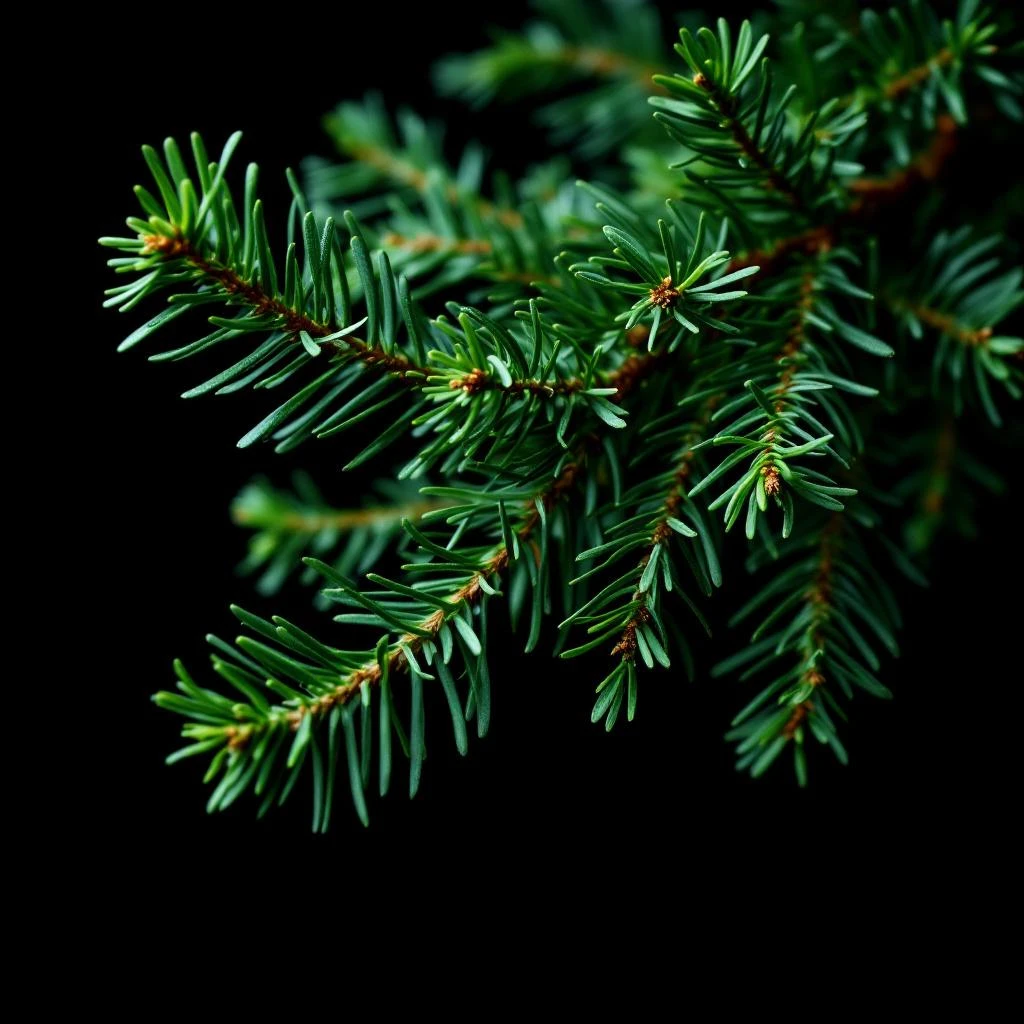
Corsican juniper thrives on the sun-scorched, rocky slopes of the Mediterranean island of Corsica, producing intensely aromatic berries and wood that perfumers prize for their smoky, coniferous complexity. This ingredient is a cornerstone of the maquis—the wild, fragrant shrubland of the island's interior.
Character
How it smells
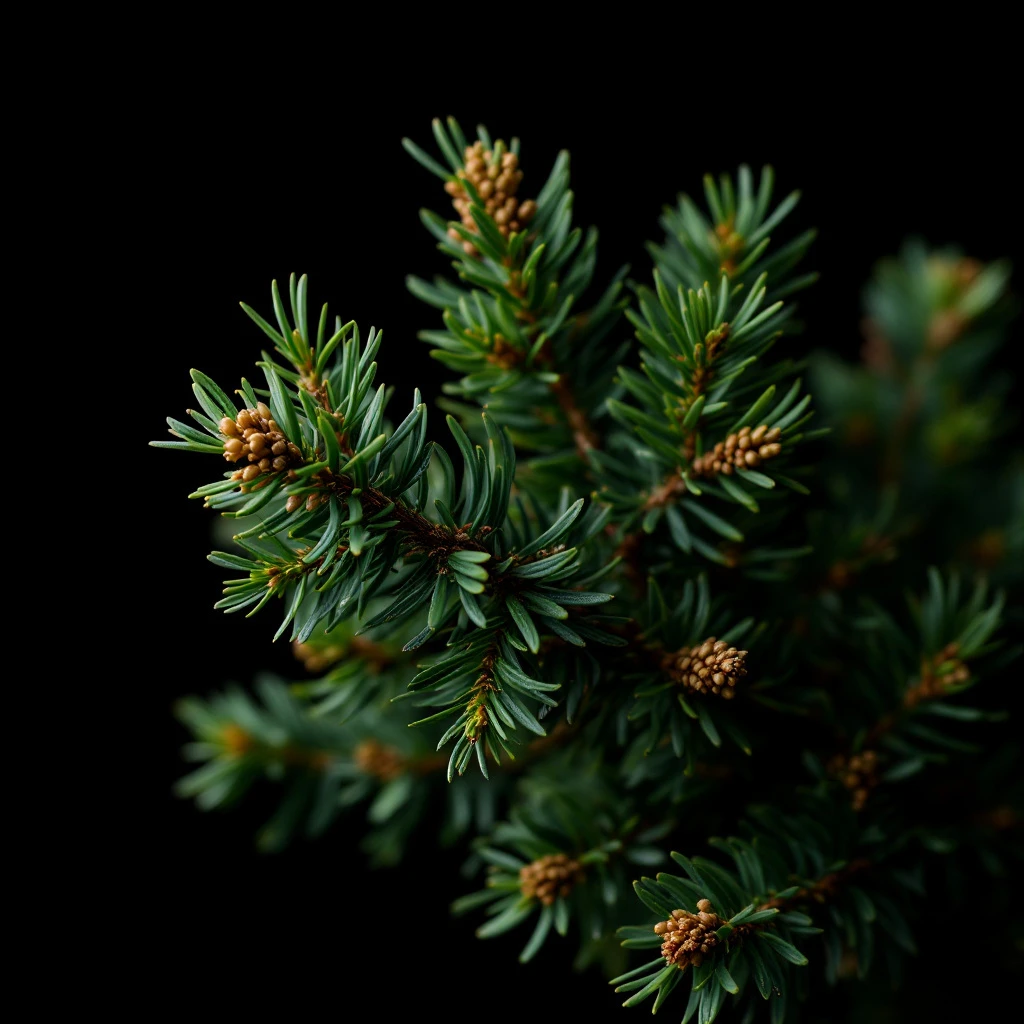
Smoky evergreen from Corsica's rugged interior.
Juniper berries take up to three years to fully ripen on the bush, shifting from green to deep bluish-black in their final season.



Origin
France
Corsican juniper has long been woven into the cultural fabric of the Mediterranean island. The shrub grows abundantly across the island's arid interior, part of the dense maquis that defines Corsica's wild character. Historically, island communities used juniper smoke for ritual purification—a practice that echoed broader Mediterranean traditions.
Roman populations on Corsica relied on juniper for its preservative and aromatic qualities, while traditional Corsican medicine incorporated the berries and wood into remedies for digestive and respiratory ailments. As perfumery expanded through southern France, Corsican juniper became a sought-after raw material, valued for its depth and complexity in masculine and atmospheric fragrance compositions.
Wears it best
Fragrances featuring Corsican Juniper

Brands
Brands known for Corsican Juniper
Good to know
Questions, answered
The essentials on Corsican Juniper in perfumery: how it smells, where it comes from, and how it behaves on skin.
What does Corsican juniper smell like?
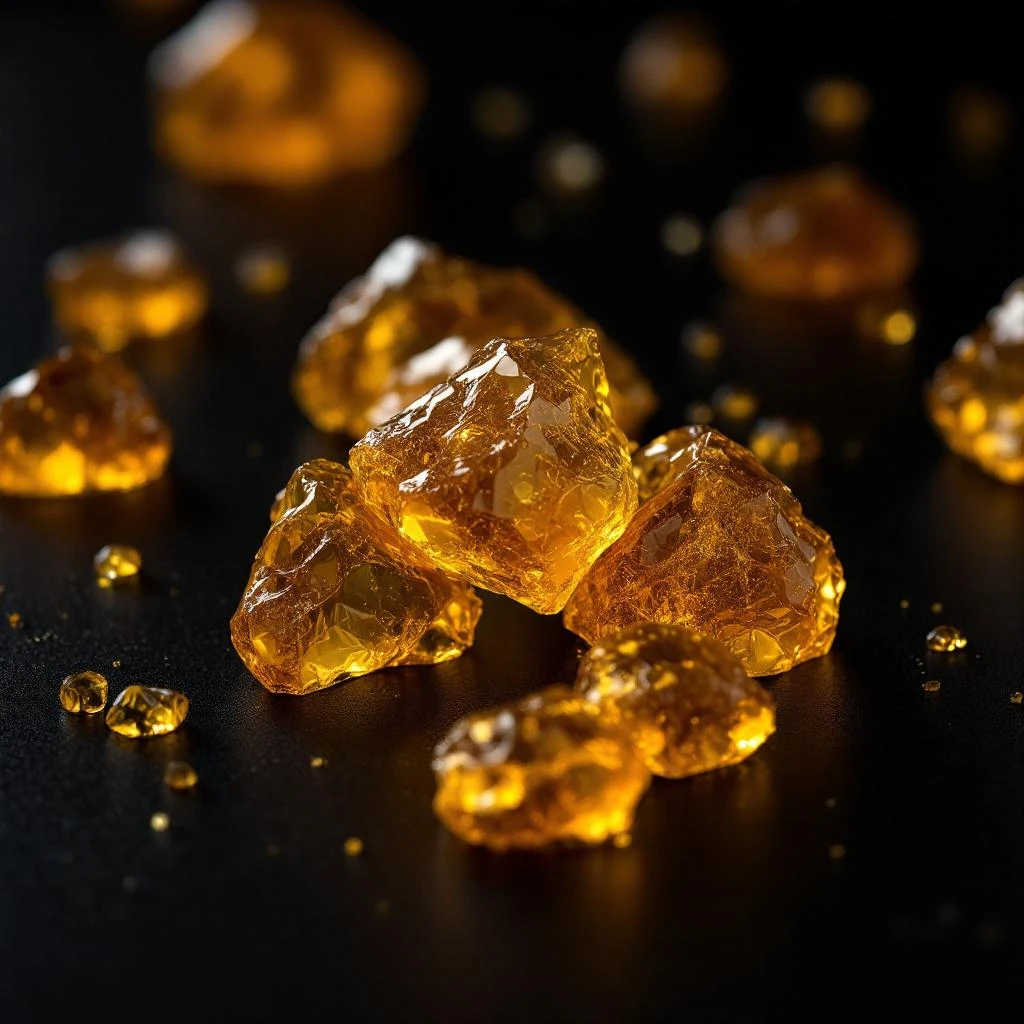
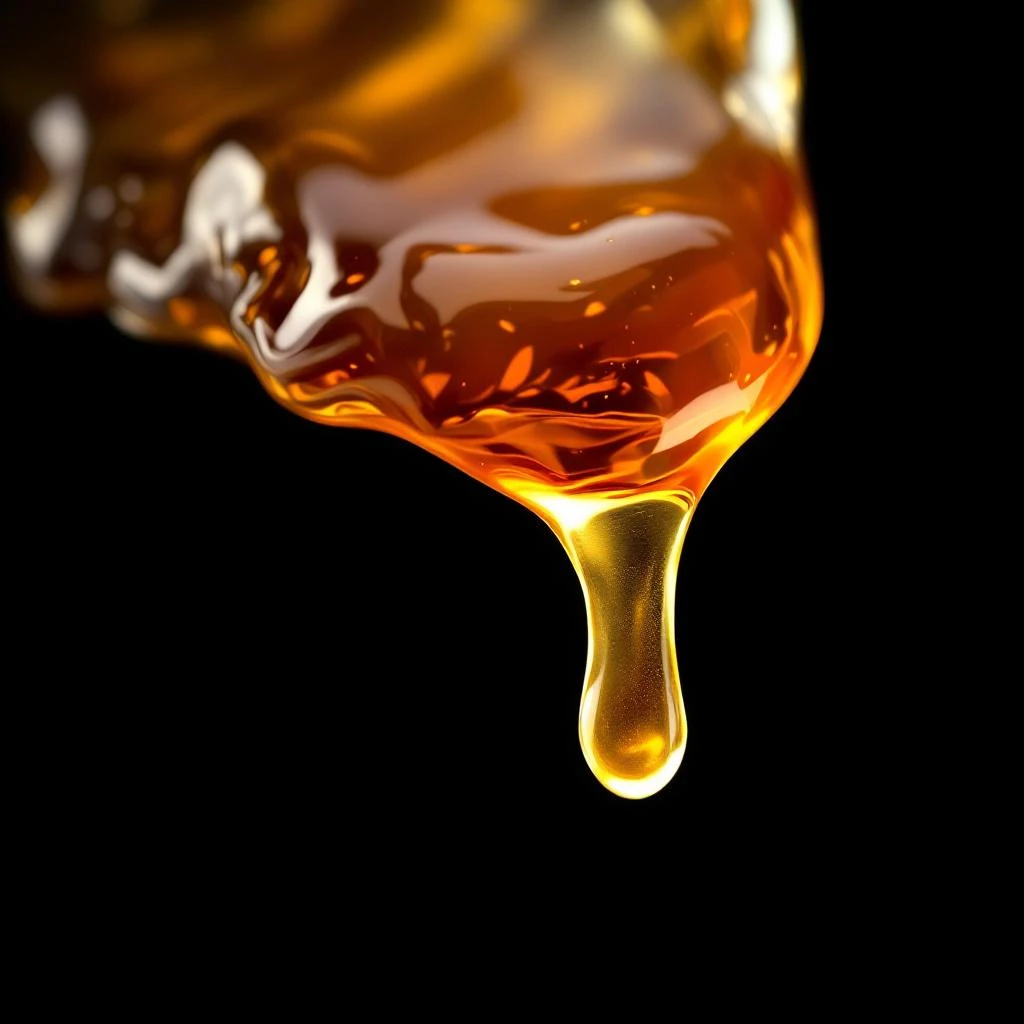
Corsican juniper presents a sharp, coniferous scent with a distinctive smoky undertone. The aroma blends classic evergreen freshness with subtle balsamic warmth and a hint of resinous spice, creating a complex profile that reads as both bracing and aromatic.
How does Corsican juniper differ from other juniper varieties?
Corsican juniper tends toward a smokier, more resinous character than the cleaner North American or Balkan varieties. The island's dry, mineral terroir and Mediterranean sun concentrate the aromatic compounds in the berries, producing a denser, more complex essential oil.
What extraction method produces Corsican juniper oil?
Steam distillation extracts the oil from crushed juniper berries and young twigs. This process separates the aromatic volatile compounds from the plant material using heated steam, capturing the characteristic smoky-coniferous profile in the condensed essential oil.
Where in a fragrance is Corsican juniper typically used?
Perfumers position Corsican juniper primarily as a heart and base note. Its robust, aromatic character provides structure and longevity, anchoring brighter top notes while adding atmospheric depth and a distinctive smoky trail that evolves across the dry-down.
Is Corsican juniper considered a premium ingredient?
Wild harvesting on Corsica's rugged terrain limits supply, and the island's unique terroir produces a more complex aromatic profile than plantation-grown alternatives. These factors contribute to its standing among perfumers as a specialty, higher-tier raw material.
What historical significance does juniper hold in the Mediterranean?
Mediterranean cultures used juniper for ritual purification and traditional medicine dating back centuries. Romans burned juniper branches to cleanse spaces, and Greek physicians documented its use for respiratory and digestive complaints, establishing a foundation for its aromatic appreciation.
Which ingredients pair well with Corsican juniper?
Corsican juniper harmonizes with citrus oils like bergamot and lemon, floral notes such as lavender and rose, and woody base materials including cedarwood, sandalwood, and vetiver. These combinations amplify either the fresh or smoky dimensions of the juniper accord.
Why is Corsica an ideal growing region for juniper?
Corsica's latitude of approximately 42 degrees north, combined with its dry summers, rocky limestone terrain, and intense Mediterranean sun, stresses the juniper plants, concentrating their aromatic compounds into exceptionally potent berries and wood.